I come from a town in a province that I always thought was boring, because it was the only place I knew. I think most people think that about where they’re from. To seem more exotic and interesting to people I used to tell them that I was actually, half-Paraguayan. Isn’t that hysterical? People were impressed, too, so it worked. This is not really true, since though my mother was indeed born in Paraguay, her parents immigrated to Canada when she was a toddler, and she was naturalised as a Canadien citizen so holds no legal ties to the country, nor can she speak any Spanish, nor has she made any attempts at or indicated any interest in visiting her own birthplace.
Why then, did I? I’m not sure. I guess I have had a curiosity about the country where so many people I know are originally from or have a connection to. I am part of the Mennonite community which found refuge in the Chaco of Paraguay when avoiding assimilation and military service in Prussia. My grandparents fled there, met, and had my aunt, uncle, and mother. As far as I know, my grandmother’s health was poorly, and she was told by a doctor to move to a gentler climate. Since her sister had already immigrated to Canada, that is where the family headed.
I have been interested in seeing the area or at least the country where she came from for many years and since our first sojourn into South America did not allow time to do so, when we planned to return to the continent this year, I decided it was a non-negotiable destination this time. We couldn’t go specifically to the Chaco—it was the wrong time of year to visit such an unforgiving place. It was high summer, and we’d be left devoid of energy to walk around. We also learned that there wasn’t a lot of infrastructure or tourism set up in Paraguay. We kind of thought that maybe they weren’t good at making websites and that once in person, we’d be able to walk down the streets of the capital and see many tours offered and organize something when we were physically there. This was not so.
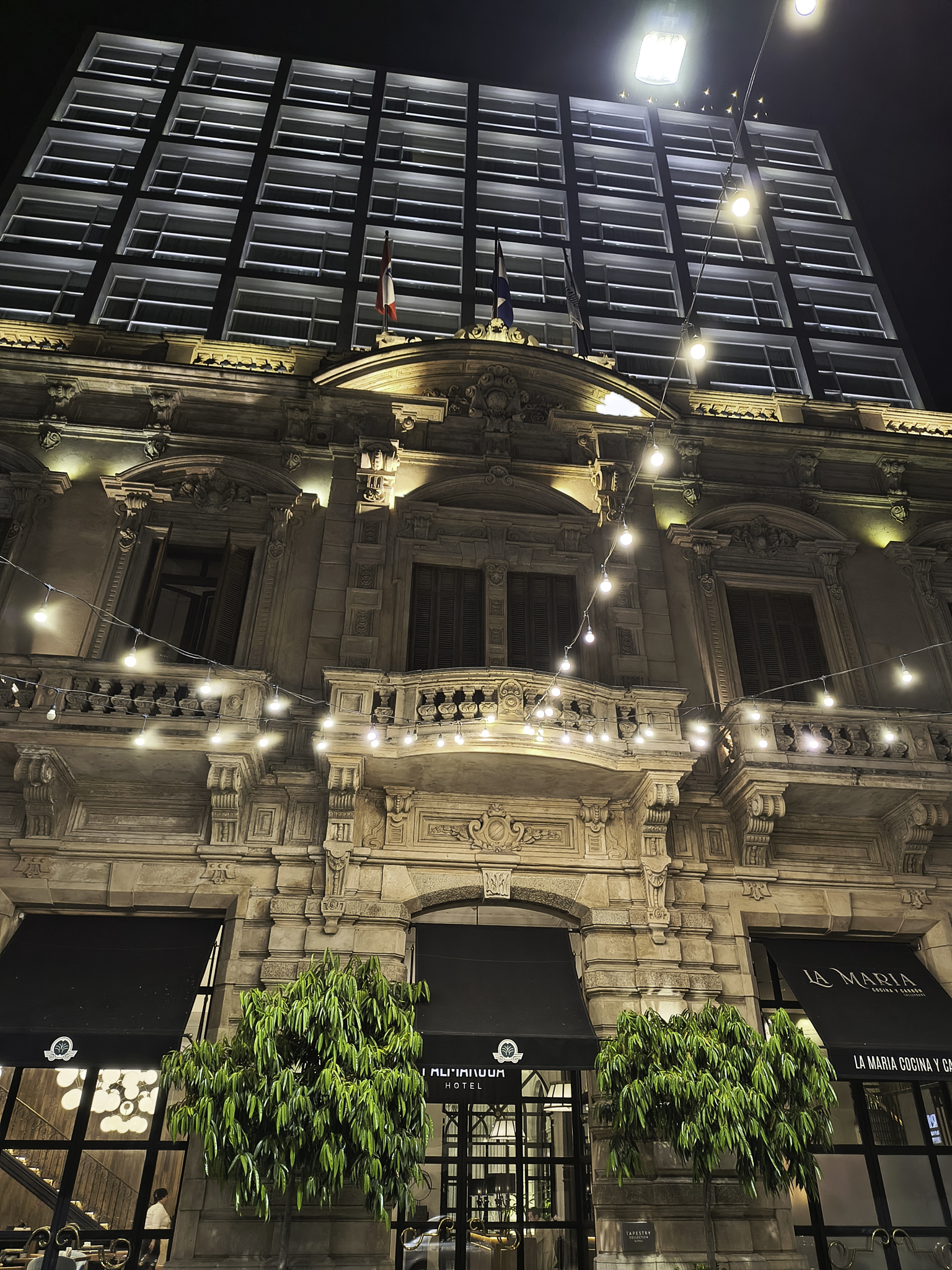
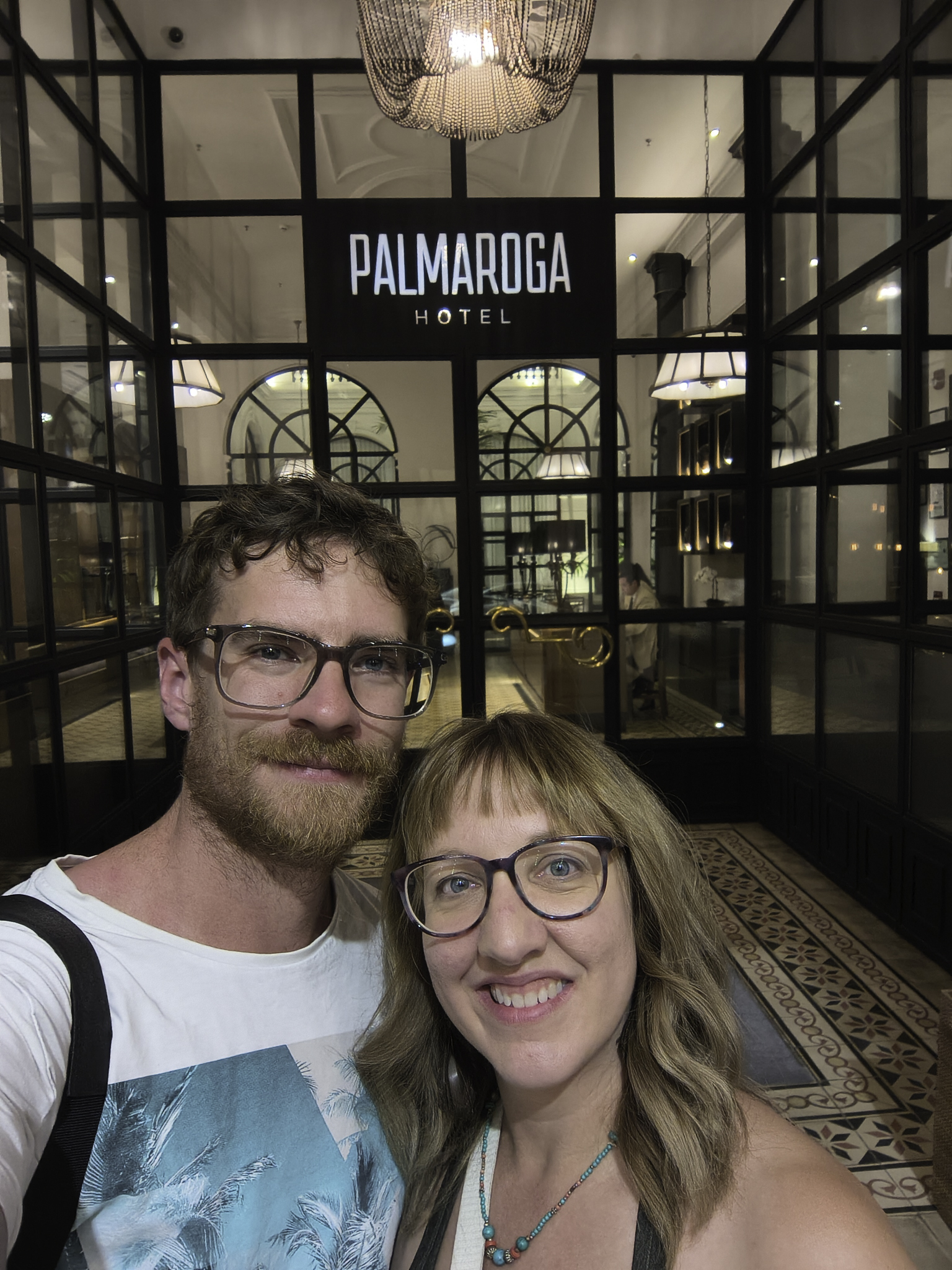
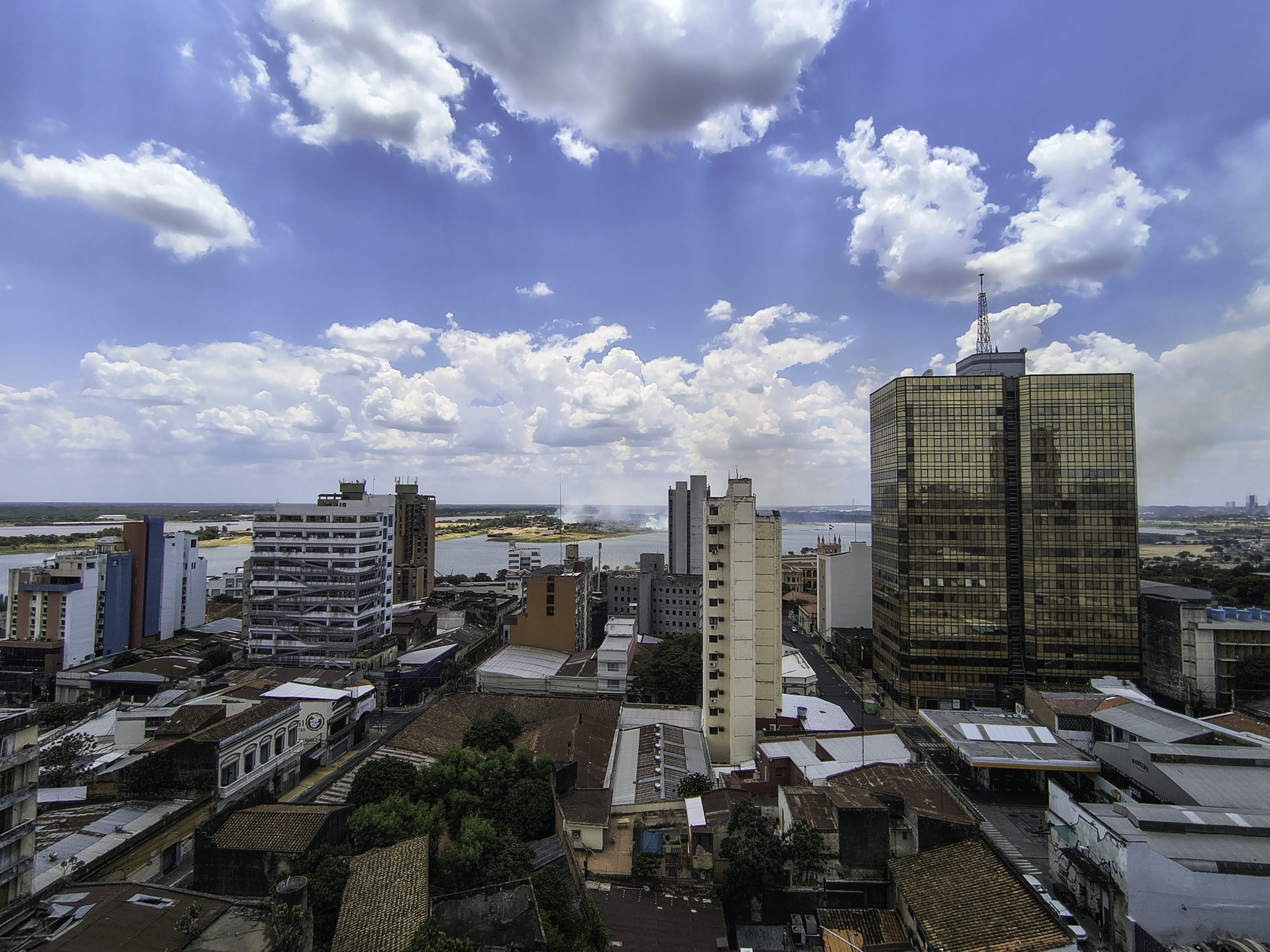
We kind of found out why there aren’t many tourists that go to Paraguay. There wasn’t really anything for us to do, or places to go. We spent a wonderful week at the Palmaroga in Asuncion which felt like a luxury hotel to us. We used the week to rest and recover from our first month of full-time travel, and to plan a bit of our future trips, and to chill out. It was timely that all this rest and relaxation that we were craving happened in a city where there wasn’t anything to do. The concierge, after getting to know me a bit, asked me with concern on her face “Are you having a good time?!” as if she wondered why I was even there. When I asked her where I could buy a hair straightener…where the best shopping centre was, she directed me to a high-end luxury brand mall where I searched high and low for the appliance in question without luck. I had to take an uber to a different centre where there was a department store that could fulfill my need. On the uber rides there and back I didn’t see anything that a tourist would want to do.
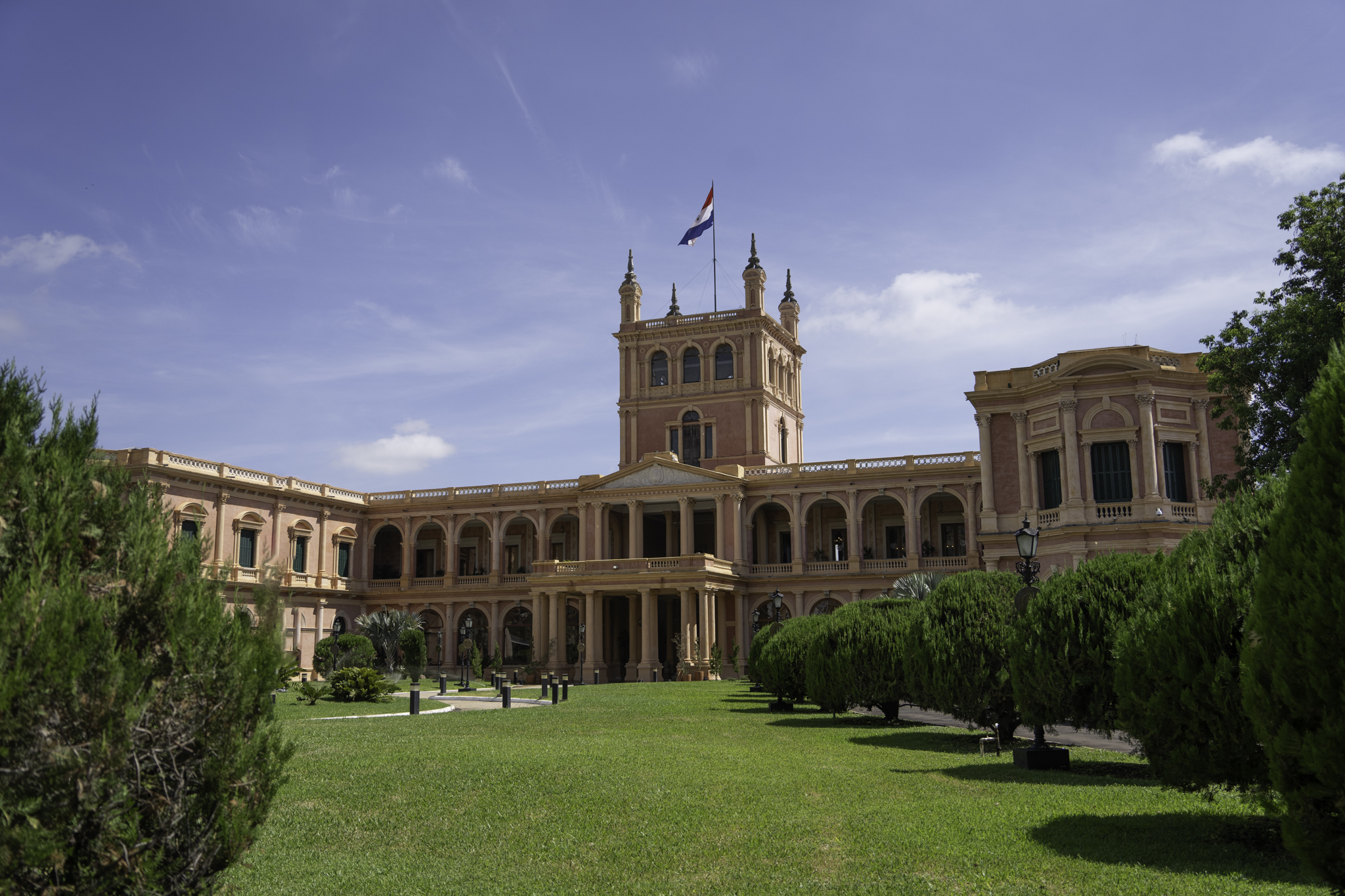
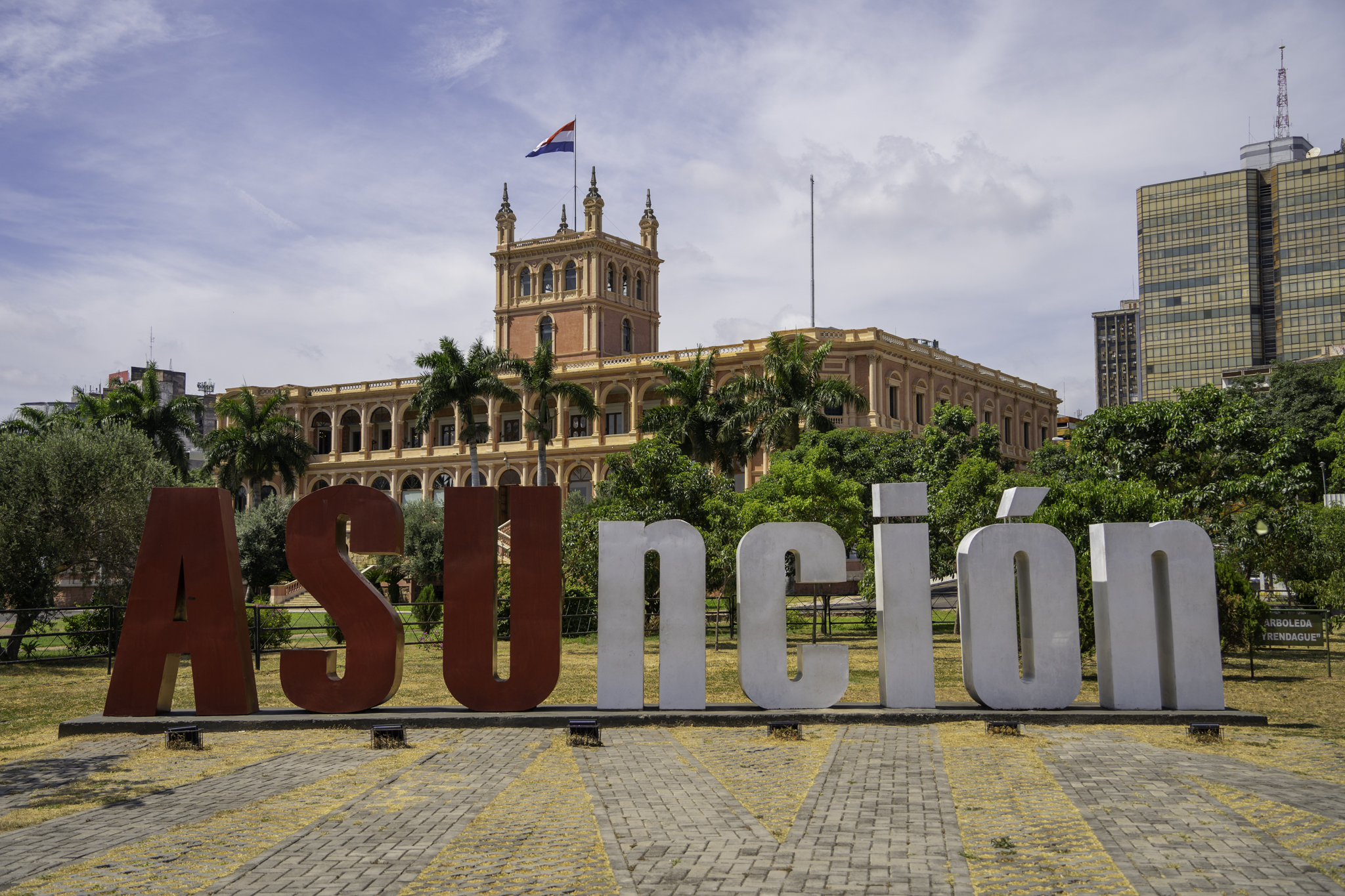
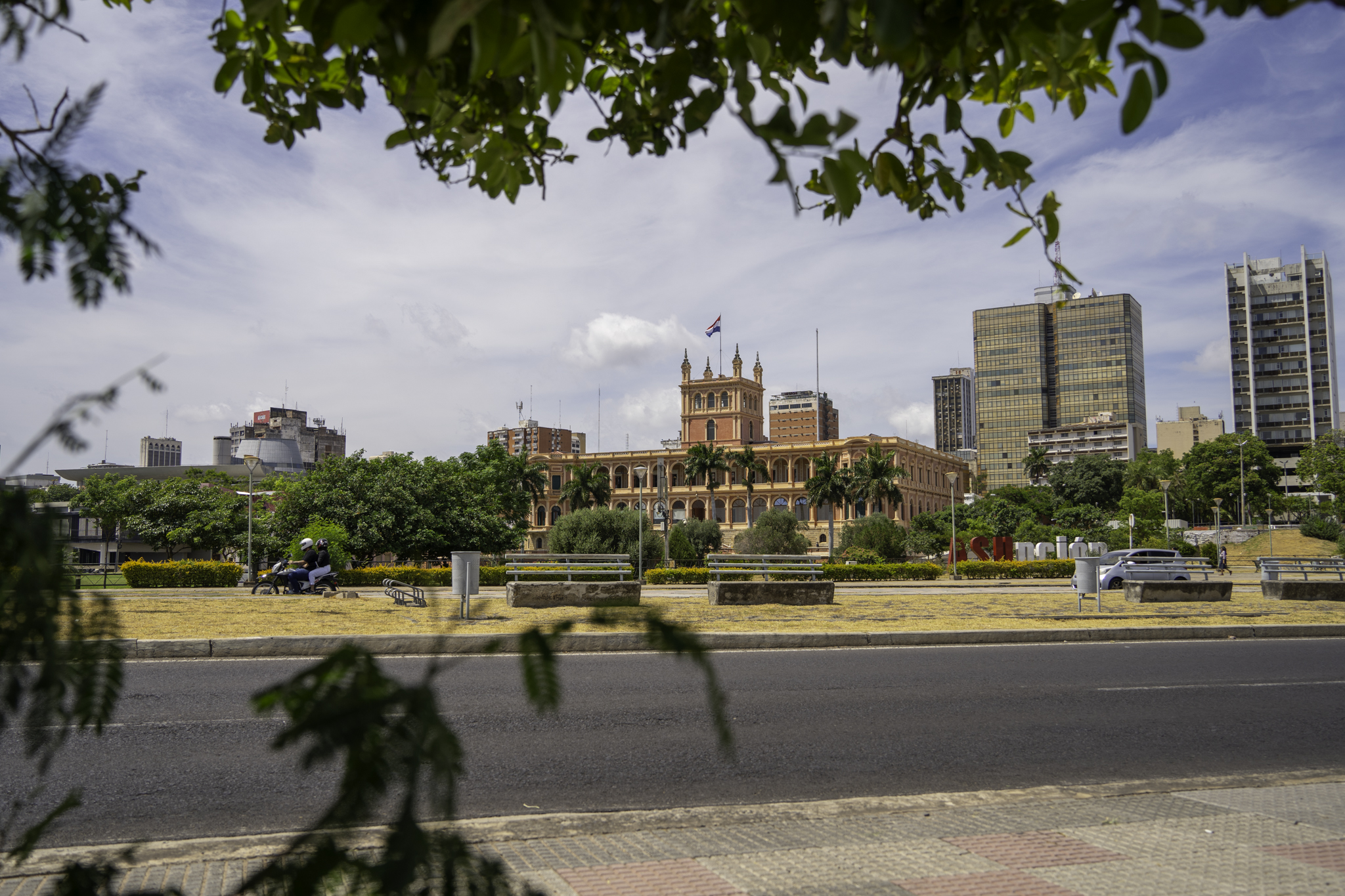
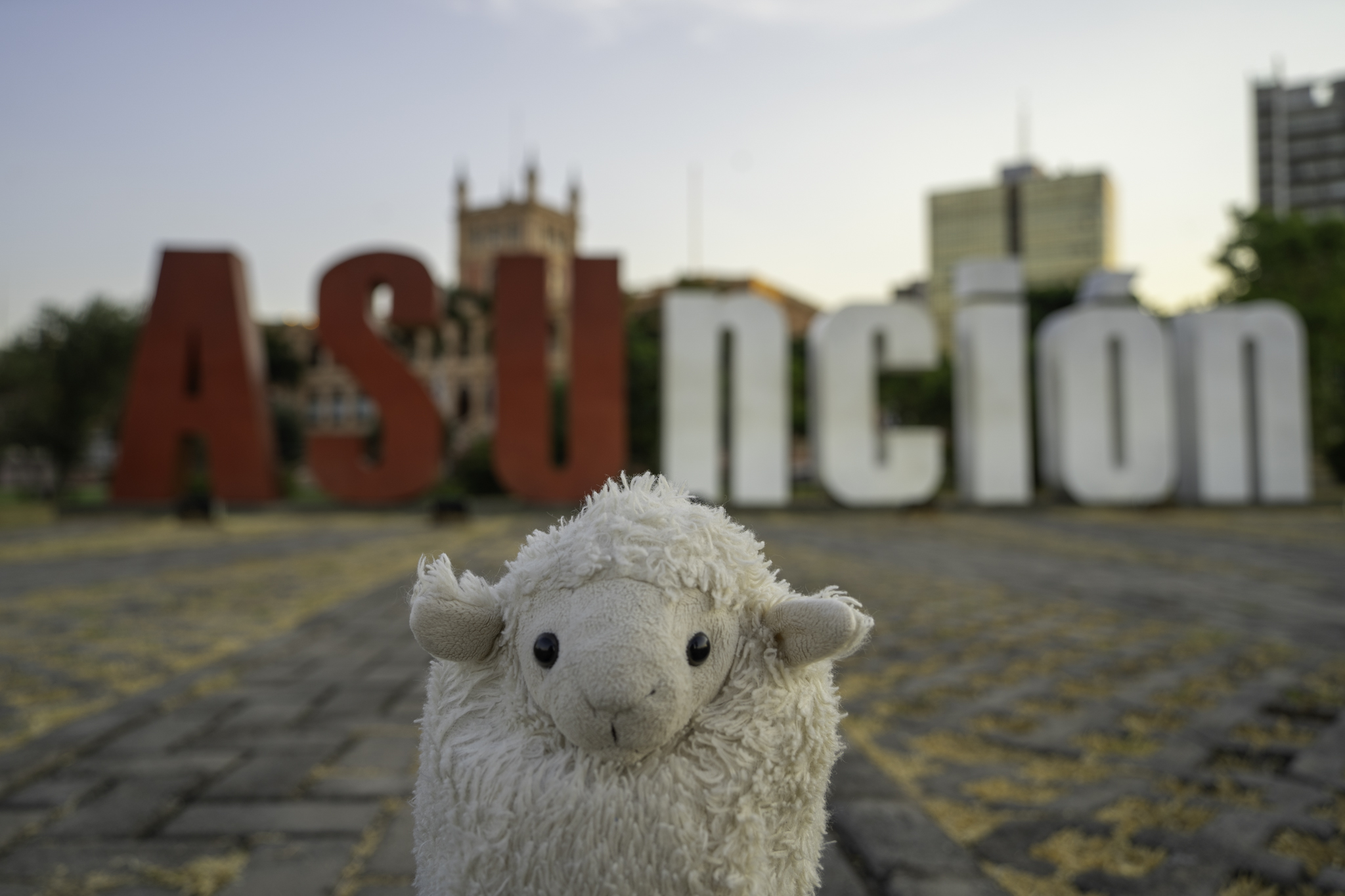
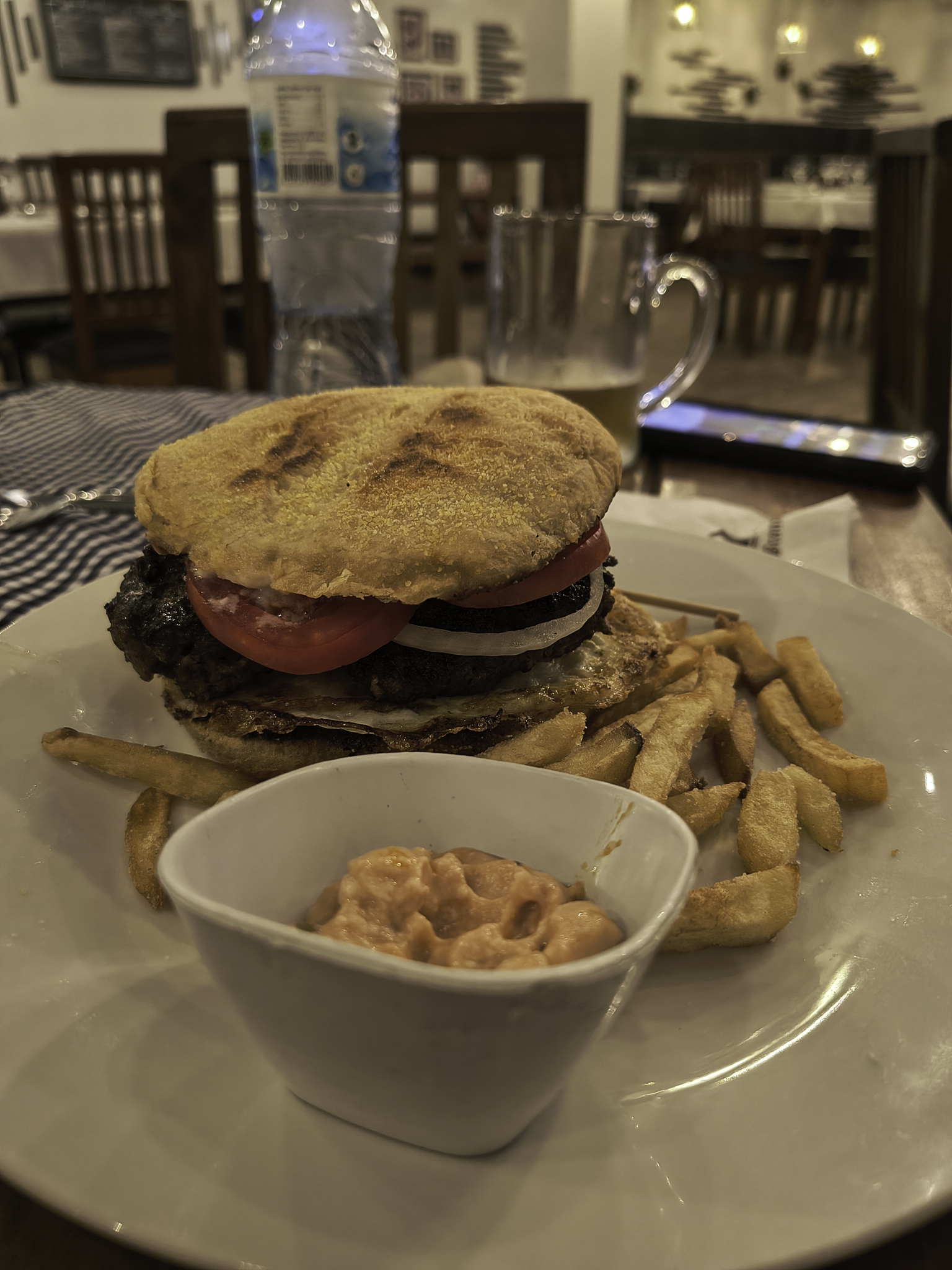
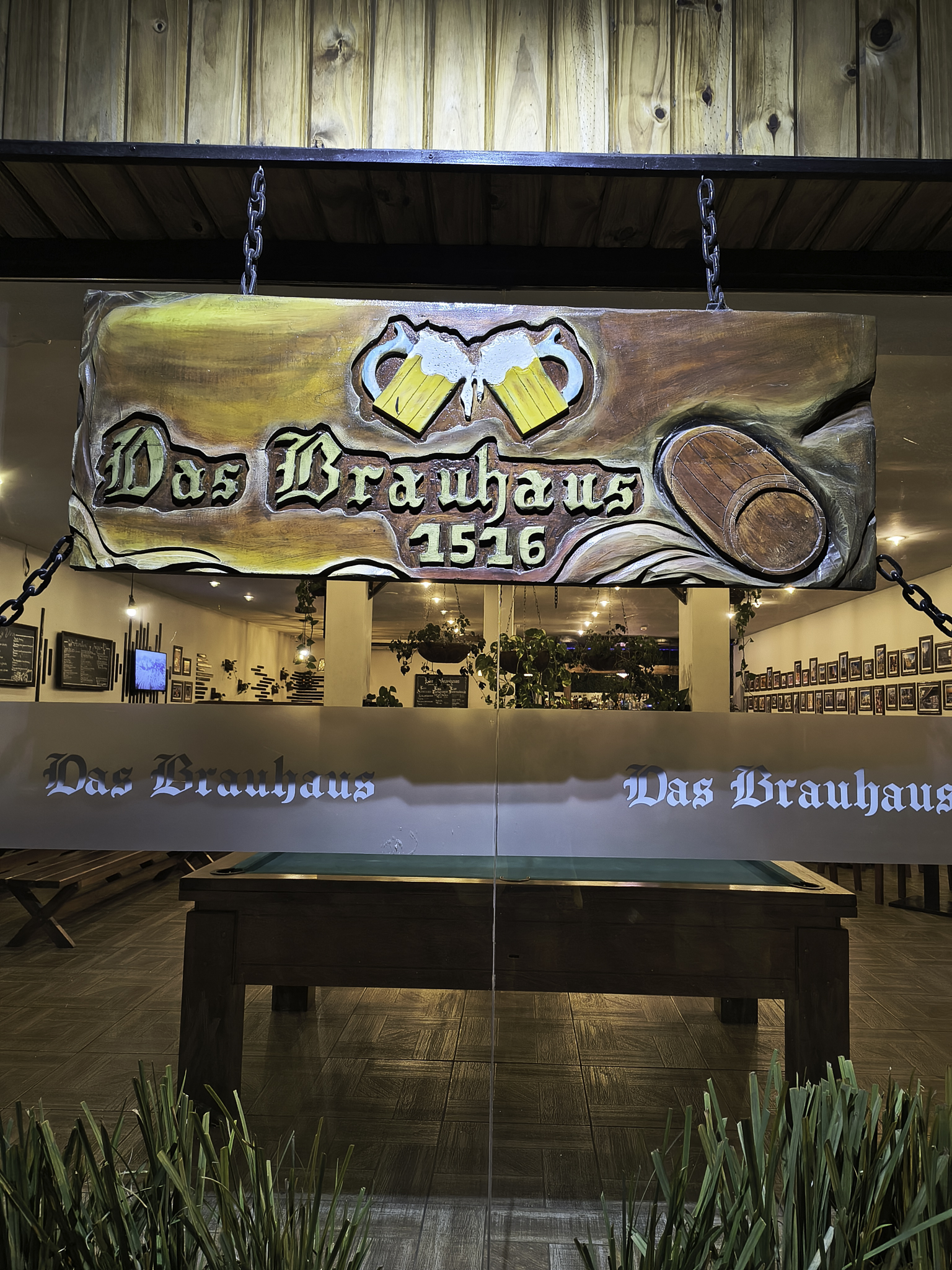
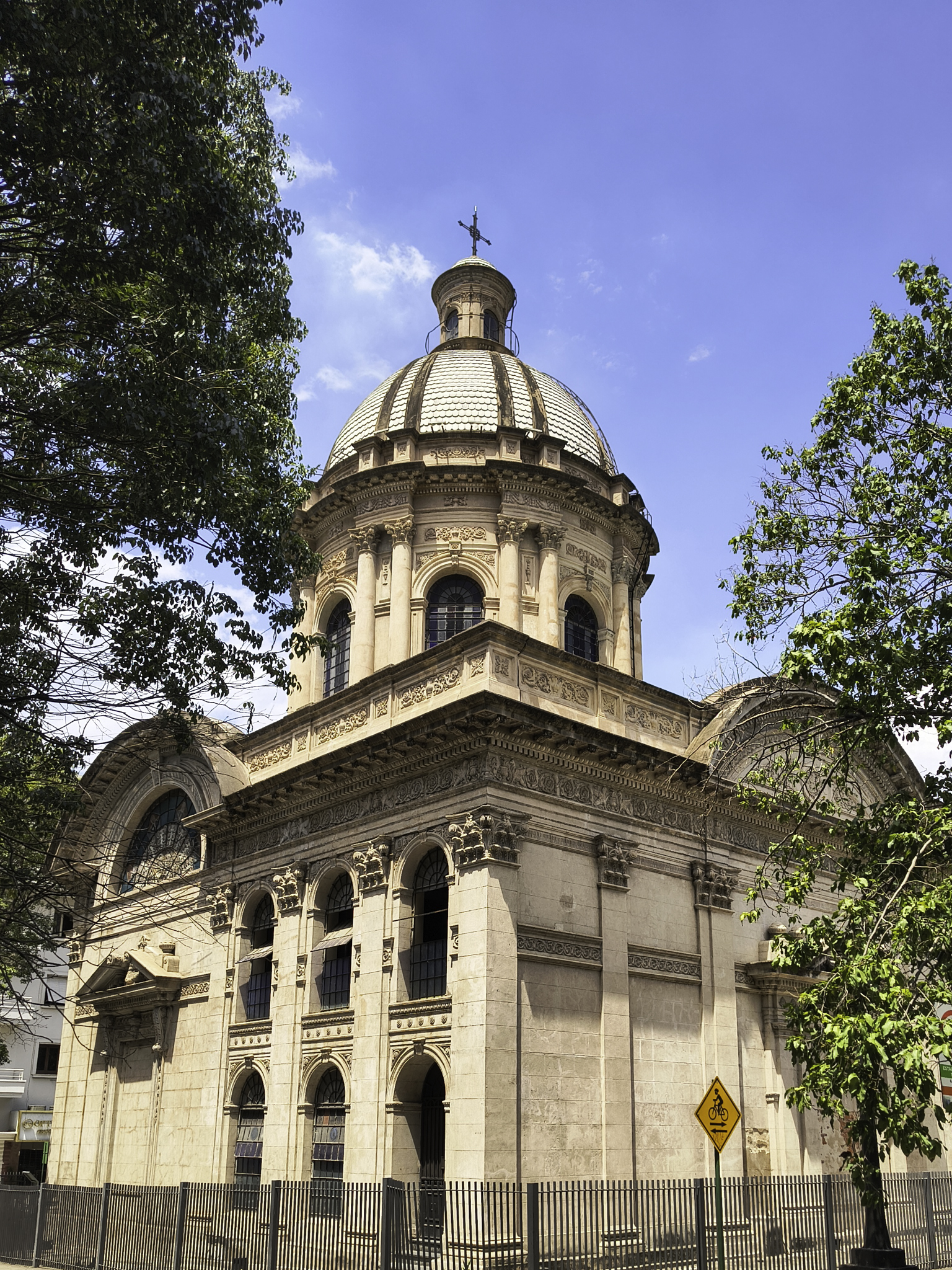
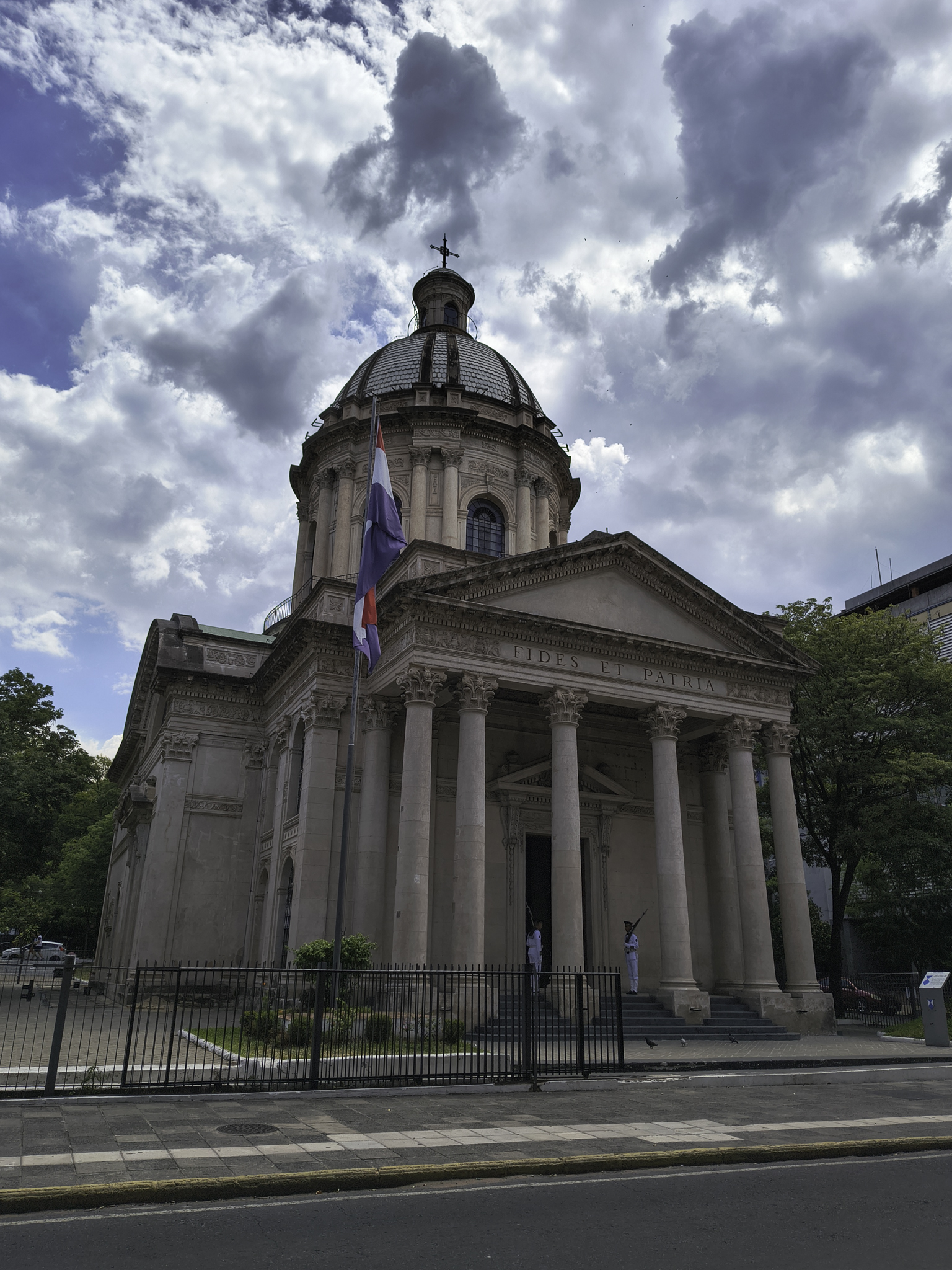
We did visit the city sign a couple times, walked by the pink Palacio de López which houses the Paraguayan government where the President works, and which is obviously closed to visitors complete with guards patrolling the perimeter. We went to a few restaurants for meals and enjoyed a delicious couple of dinners at a German restaurant called Das Brauhaus—if you ever find yourself in Asuncion, we’d highly recommend this place.

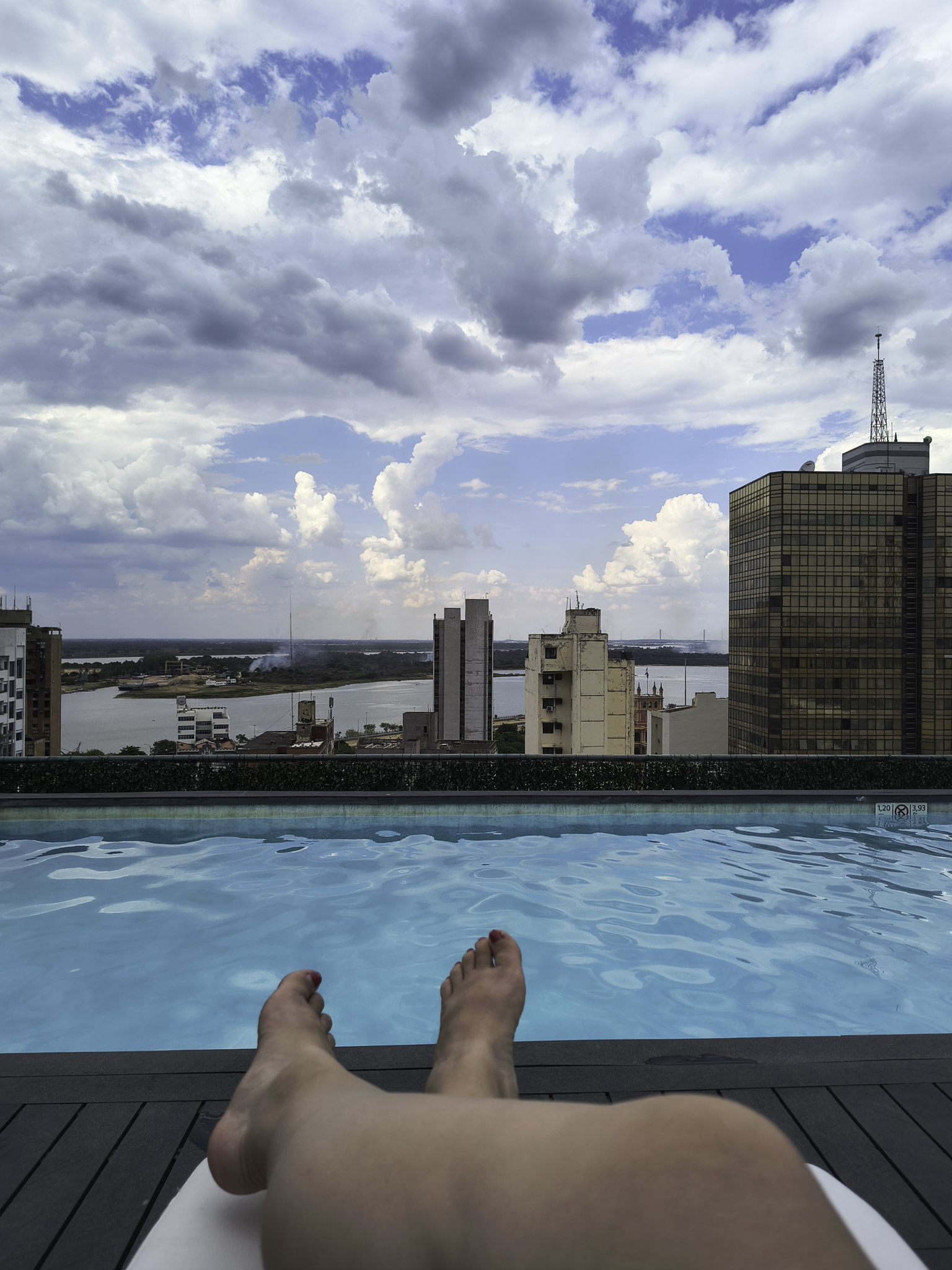
We mostly just hung out in our room, made use of the hotel’s gym and pool, and enjoyed our plentiful breakfasts in the restaurant.

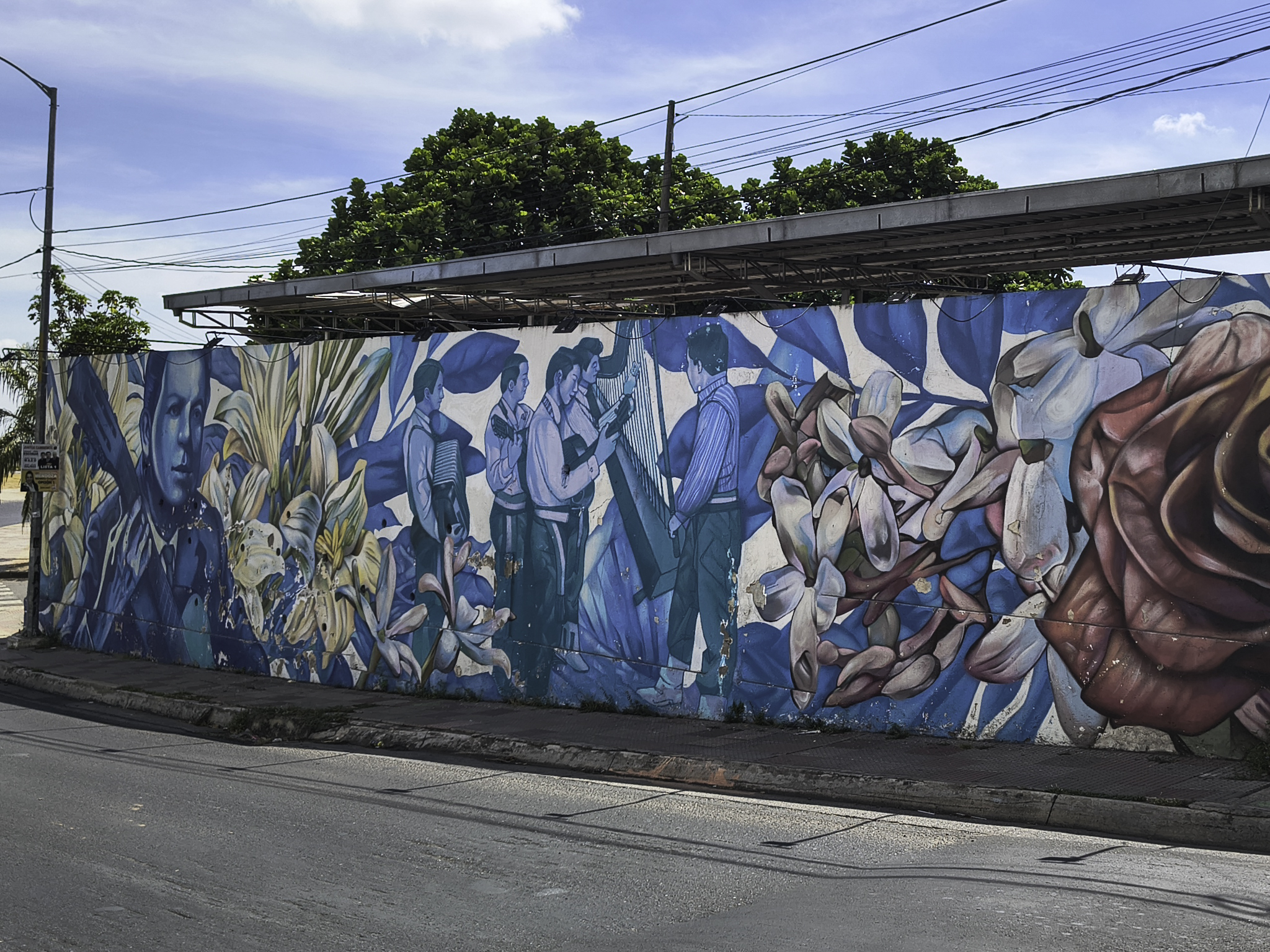
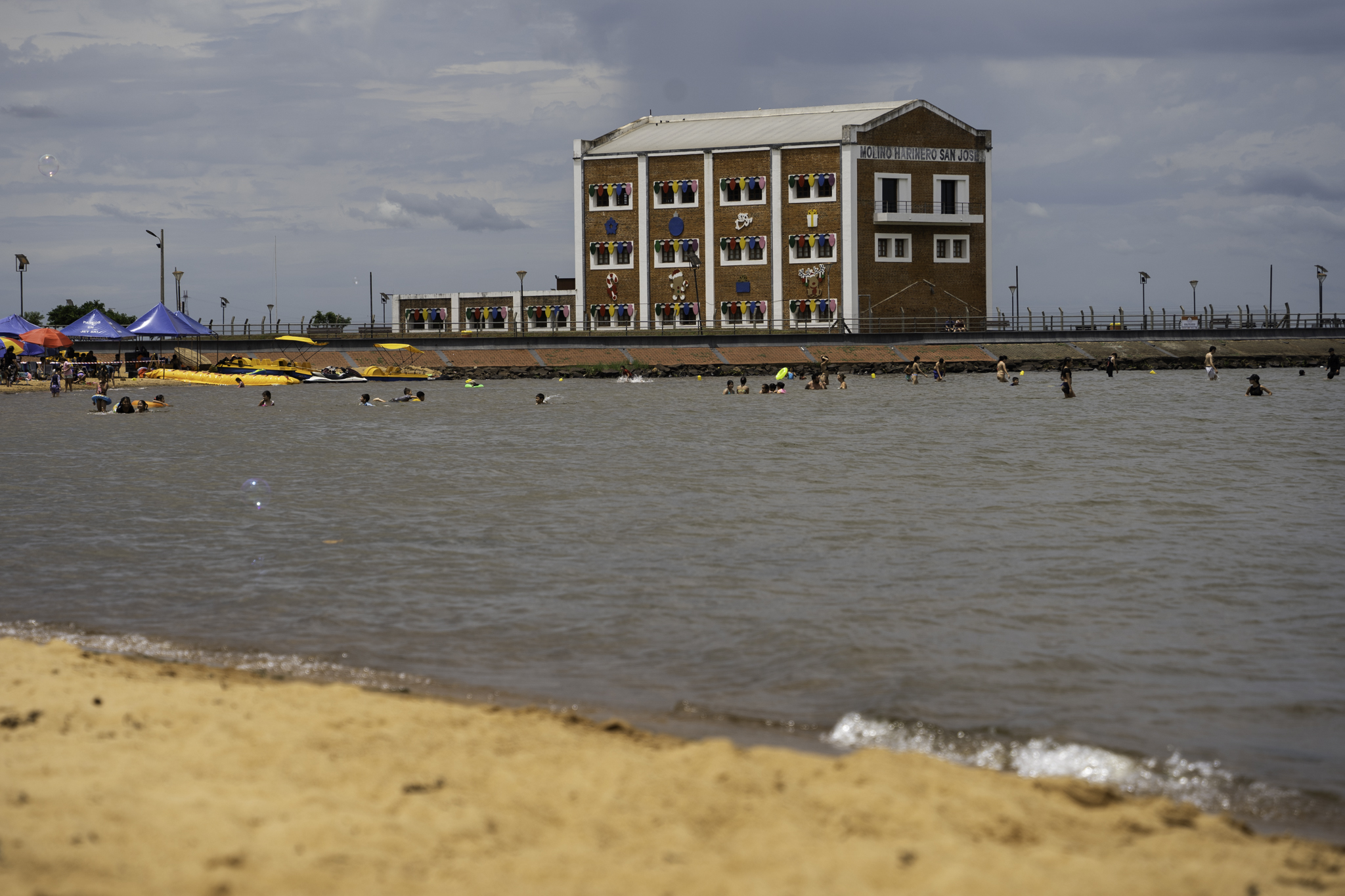
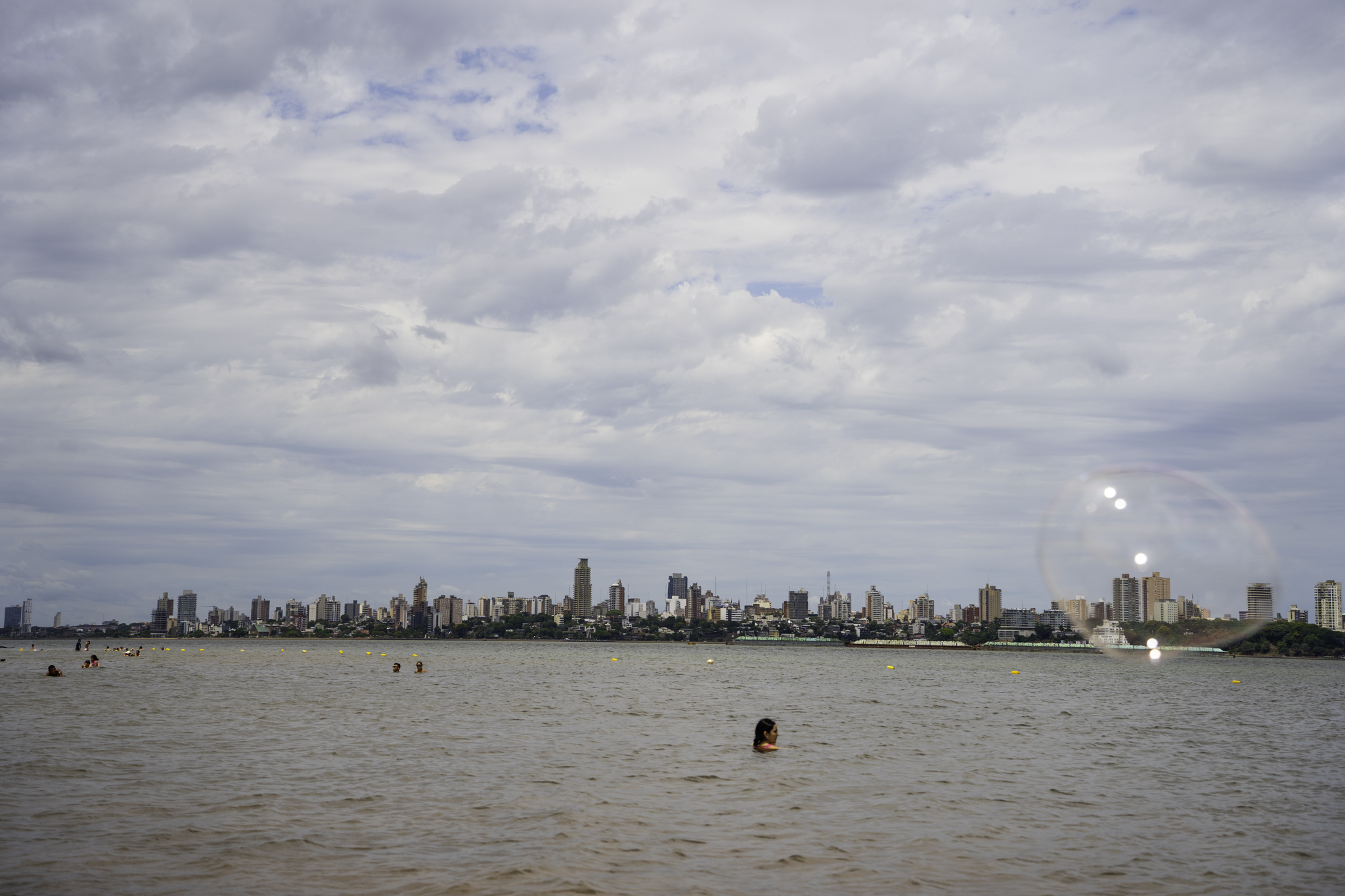
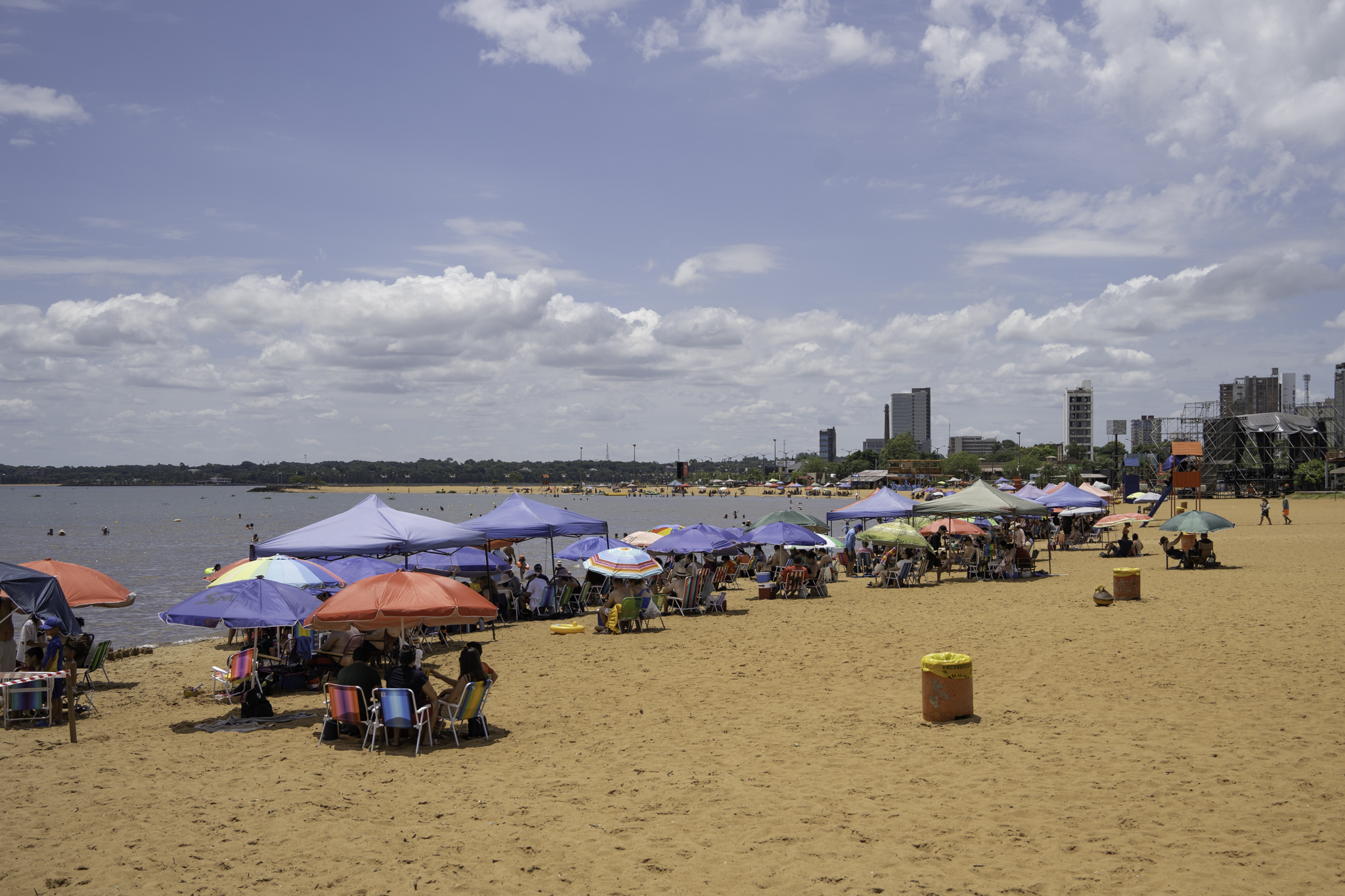
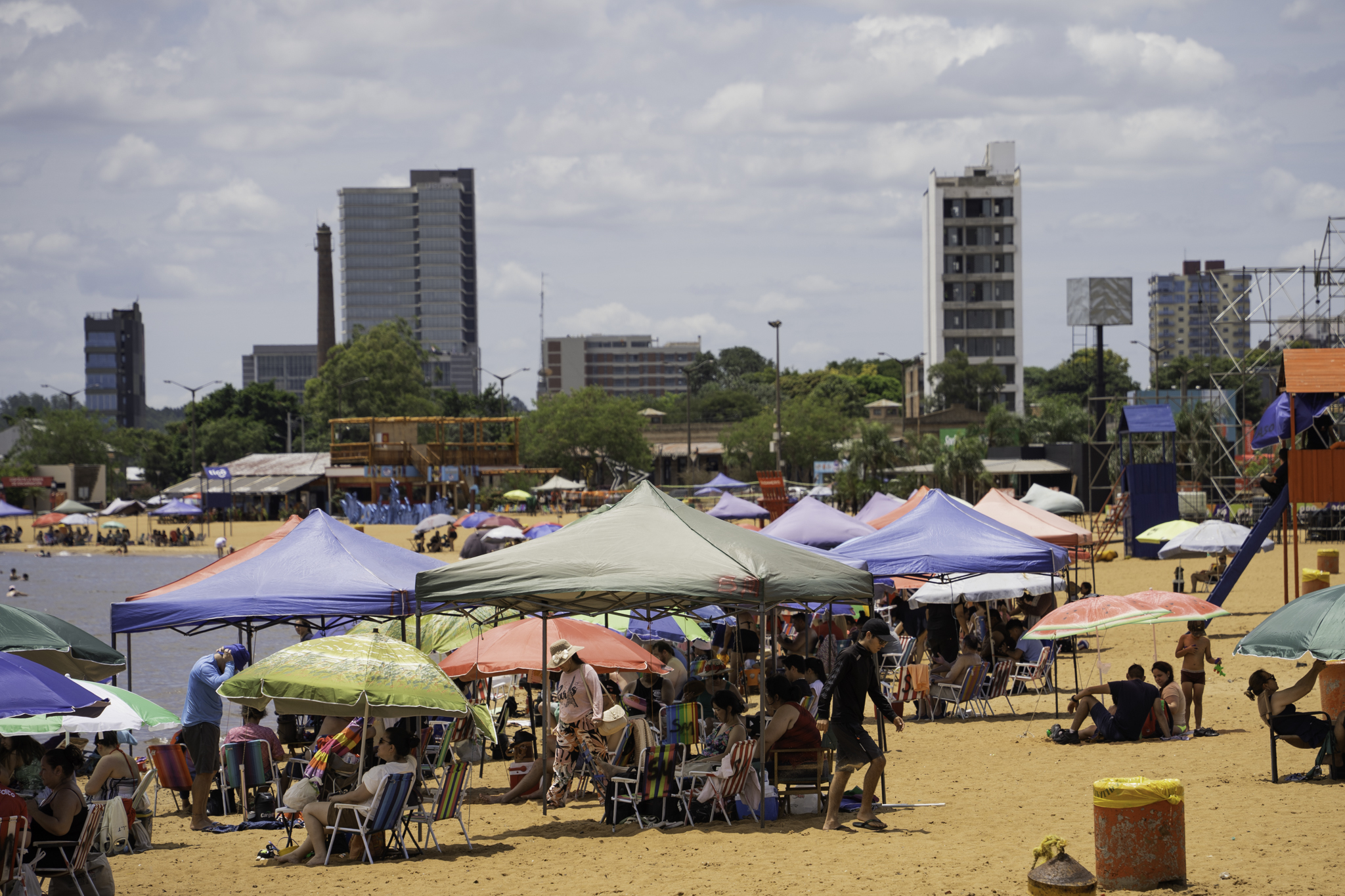
Our next stop was Encarnacion. We knew that there was the annual Carnaval held in this little town which is where Paraguayans go for holidays. It must be a hip and happening place if that’s where the locals go, right? I mean, it was sort of dingy and boring, but the river was warm as bath water, and it was a pleasant way to spend a couple of hours. The beach was sort of small and grey and the restaurant we went to for lunch had only pub food—burgers and pizza, which is what we found everywhere. I wondered if we had a hard time finding good food because when Paraguayans go on vacation, all they want is western food rather than what they usually eat. Perhaps. It was tough to find anything else and finding a fruit or a vegetable? Near on impossible. We didn’t want to eat BBQ, since that seemed to be JUST meat. Not for us.
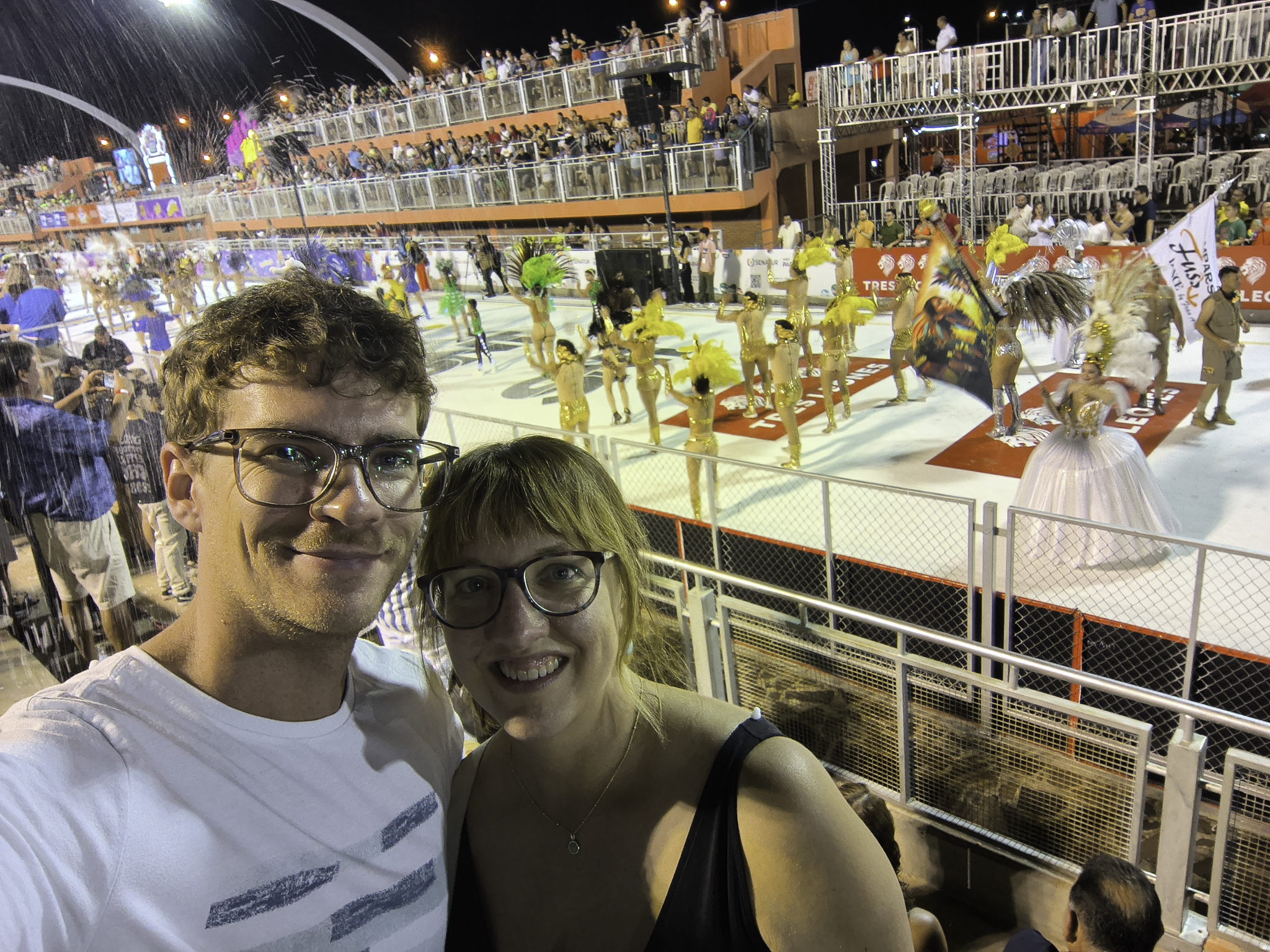
The Carnaval we experienced was the first one we’ve been to. It was a gamble buying tickets since it was raining quite a lot, and we heard that they cancelled the event if it rained. Fair enough. We decided it was worth the risk. The day of was quite stormy but the rain held off. By evening, the skies were clear. We got to the gates by 8:30pm and were standing in line FOREVER, the ticket scanners not allowing anyone in, though the show was meant to start at 9pm. People started getting impatient. I started getting impatient—there was no explanation in English or Spanish, which made it even harder for us. I typed something into Google Translate and went to the front of the line. I asked why we weren’t getting in. The ticket guy laughed hysterically; amused by my translation perhaps. He eventually spoke into the microphone and my phone translated what he said: ‘the system is down. We are fixing it.’
After waiting an excruciating amount of time, we were let in. We quickly bought some cheap hotdogs and a drink and found our seats. There was hardly anyone there! South Americans don’t seem too bothered about punctuality. The program didn’t start for another half an hour after the expected time.
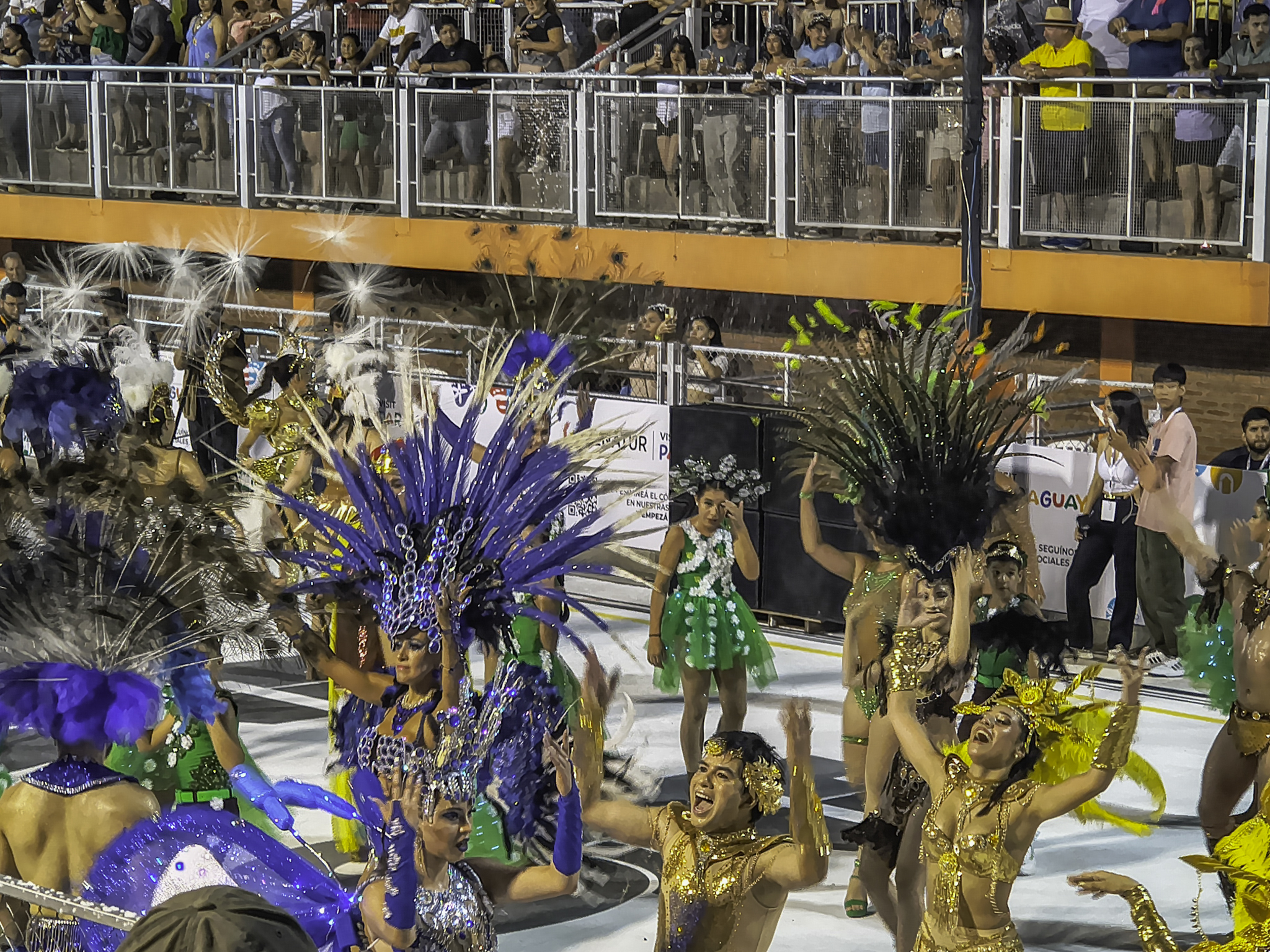
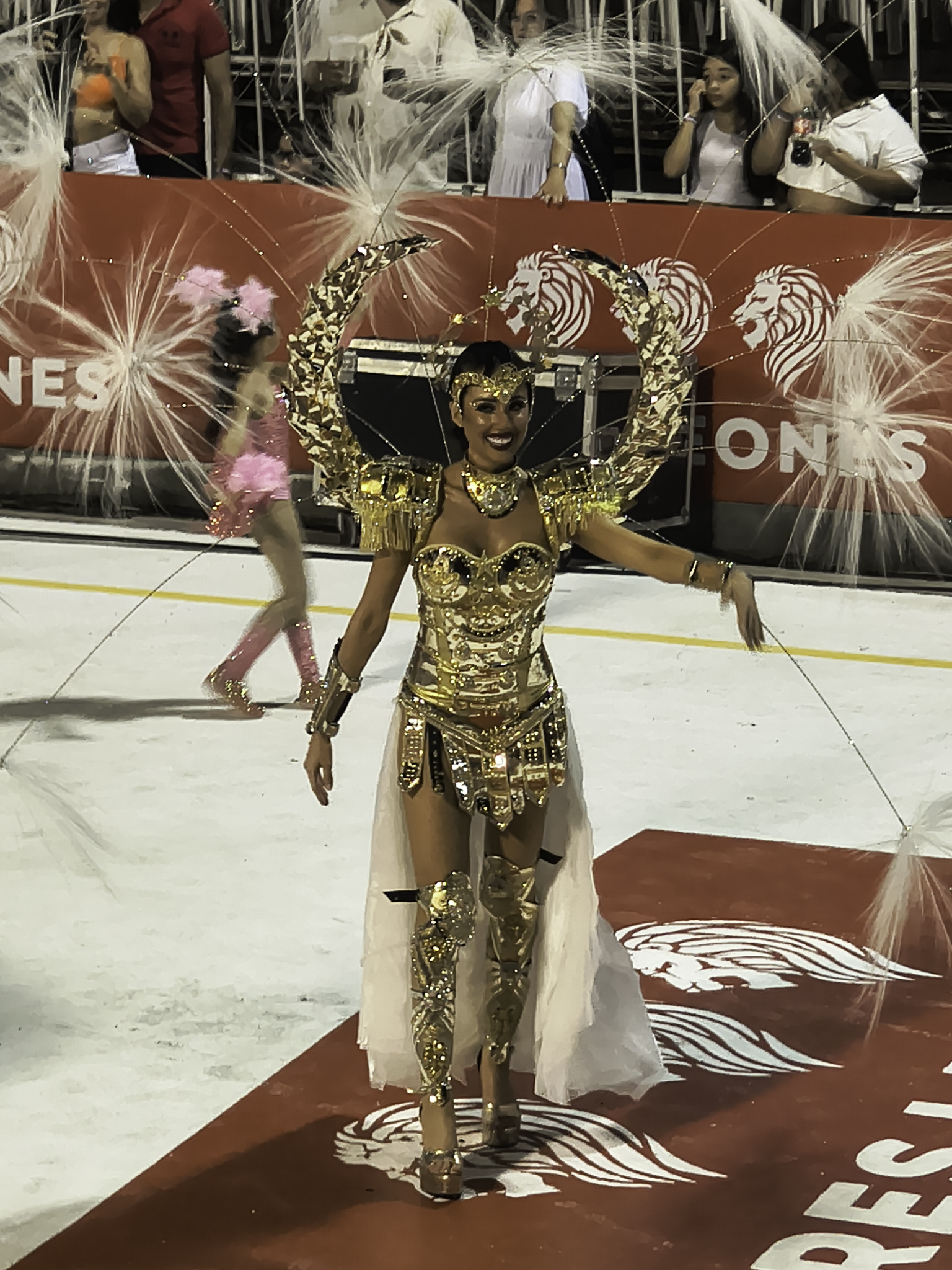
We were in the middle of the parade ground, so though the show started, it was way at the left end of the seats, and we had to wait quite a while for the dancers to be in our line of vision. It was quite a spectacle though, and since neither of us has been to a Carnaval, we were impressed. The music was eardrum shattering, and I found a tissue in my purse that I broke into tiny pieces that we used as earplugs, just to take the edge off the screech and boom.
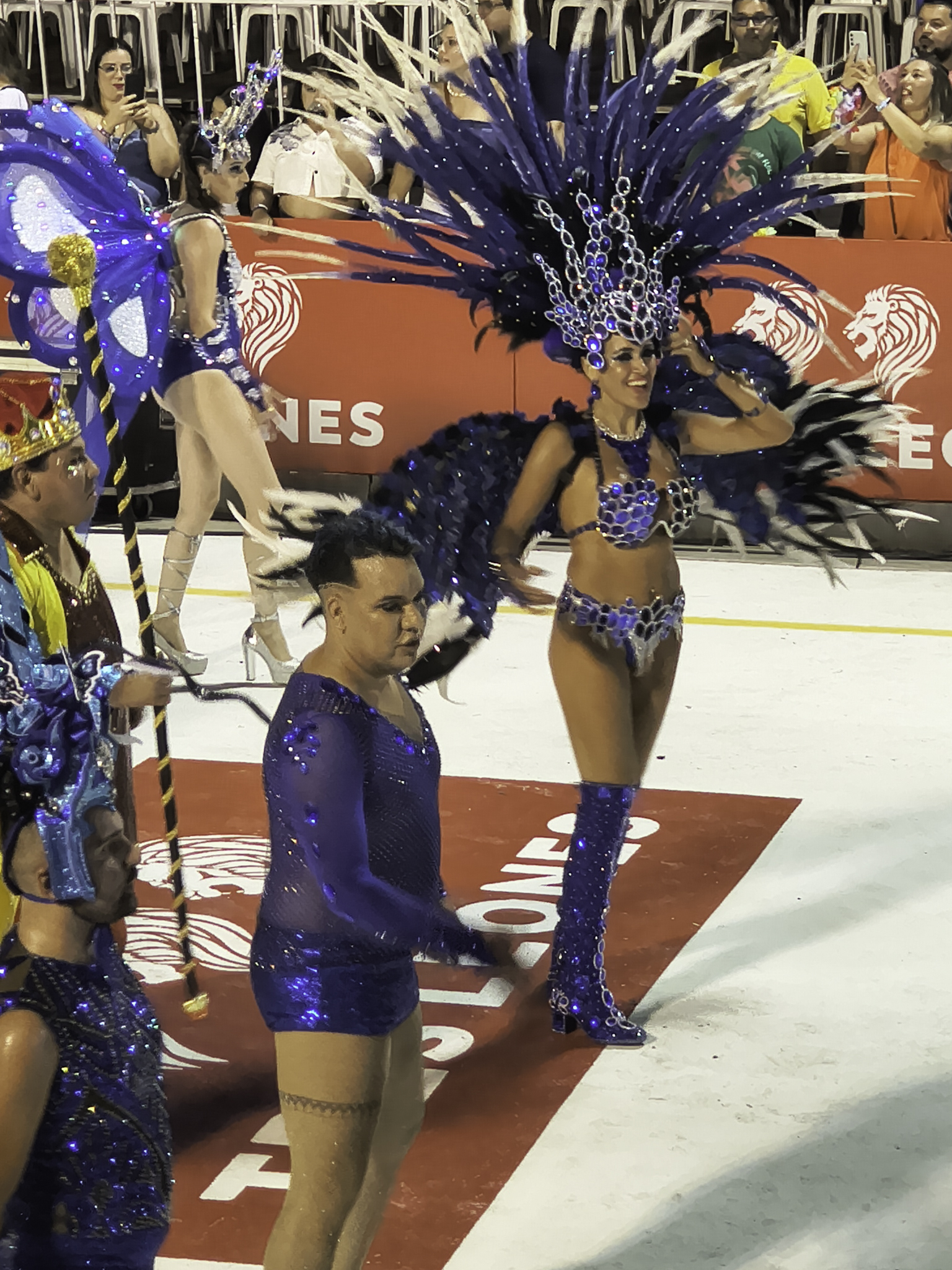
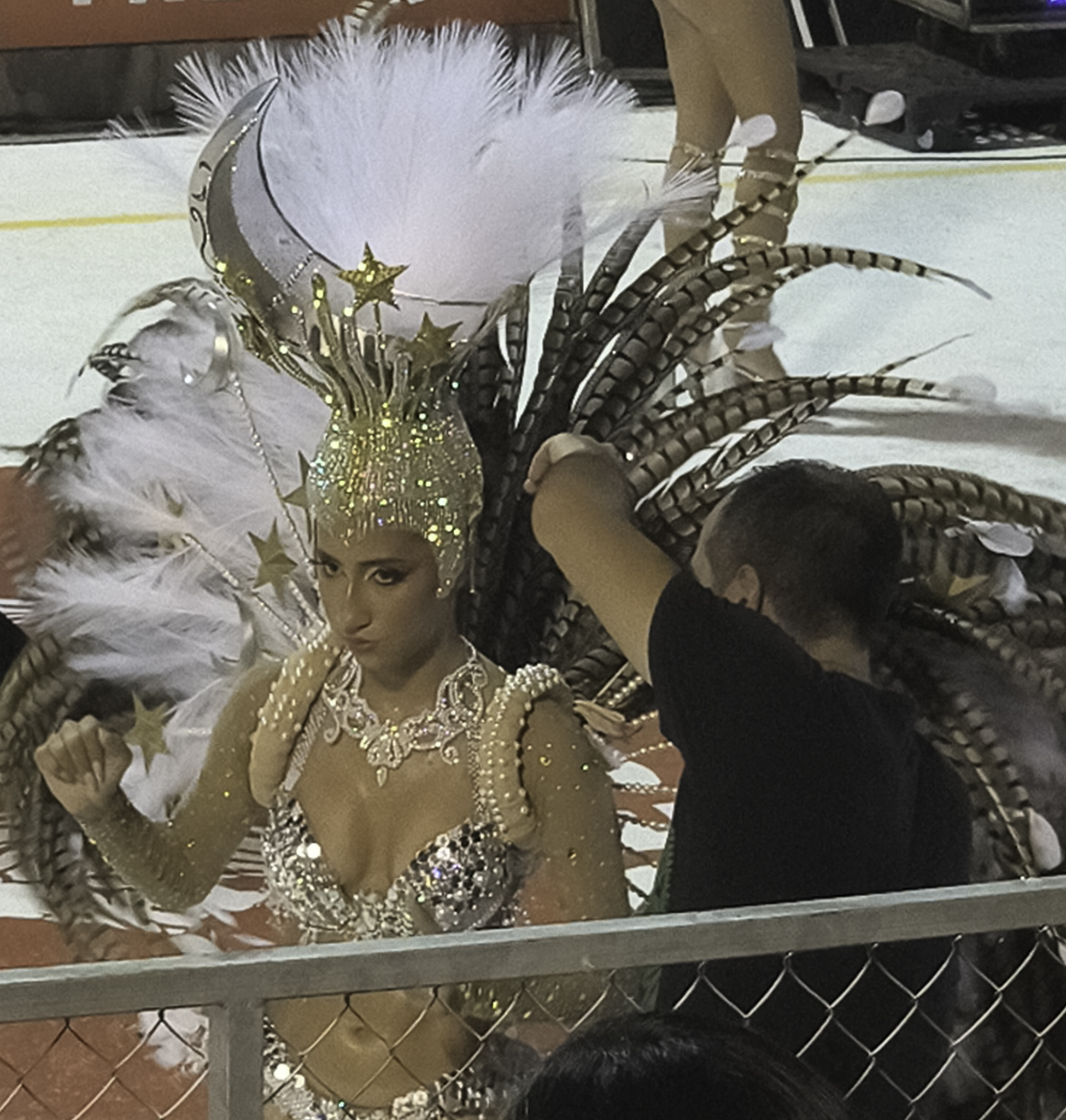
We started to enjoy all the amazing costumes, choreography, and joyful spirit of the performers. The dancers were so talented and energetic and none of them seemed to have a lick of cellulite. We were astonished by all of this. How can they stand, let alone dance all those steps in such high heels? How do their head-dresses stay put? Why aren’t there more men? Why are all the girls basically naked, but the men can wear long shorts?
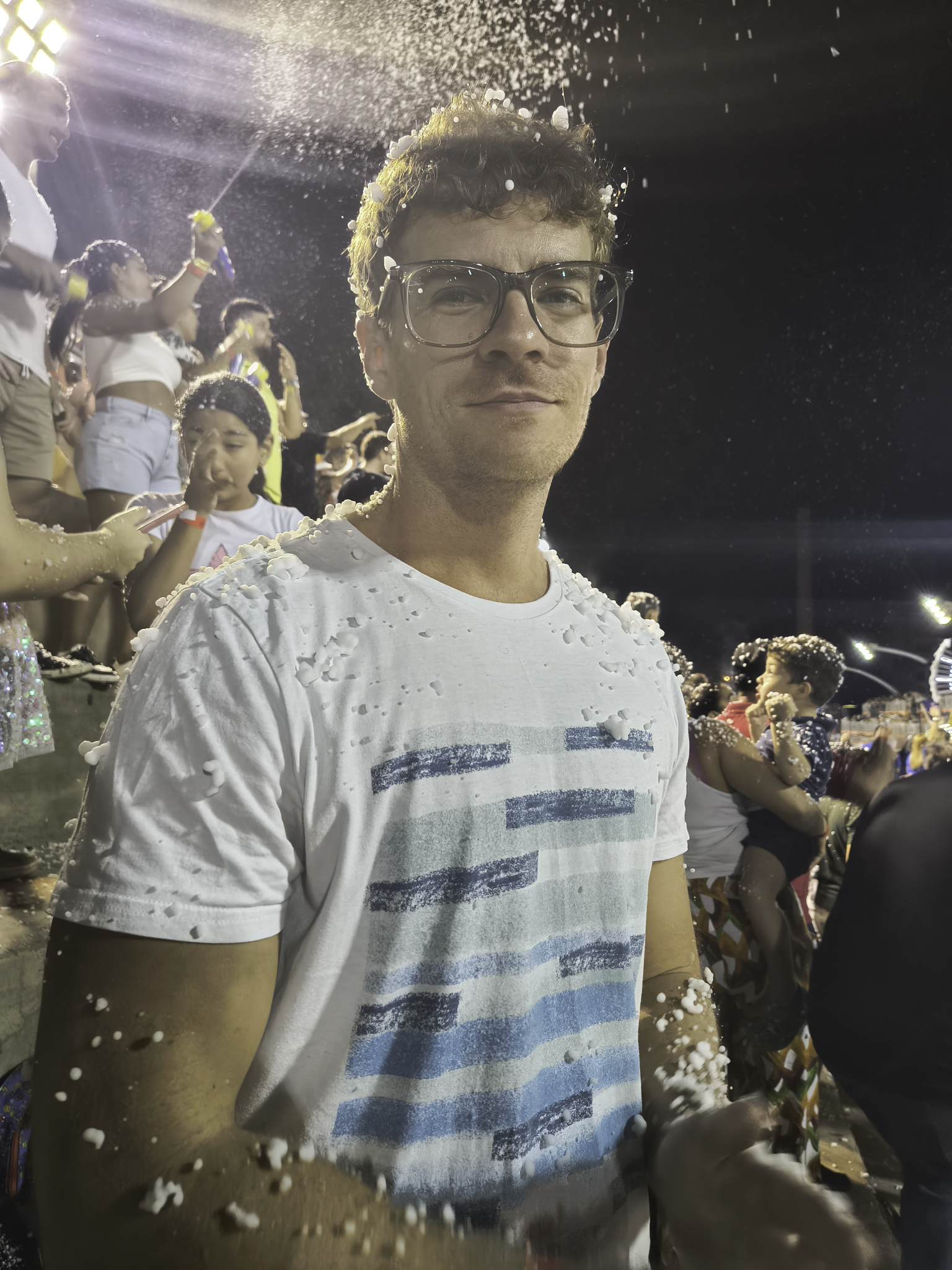
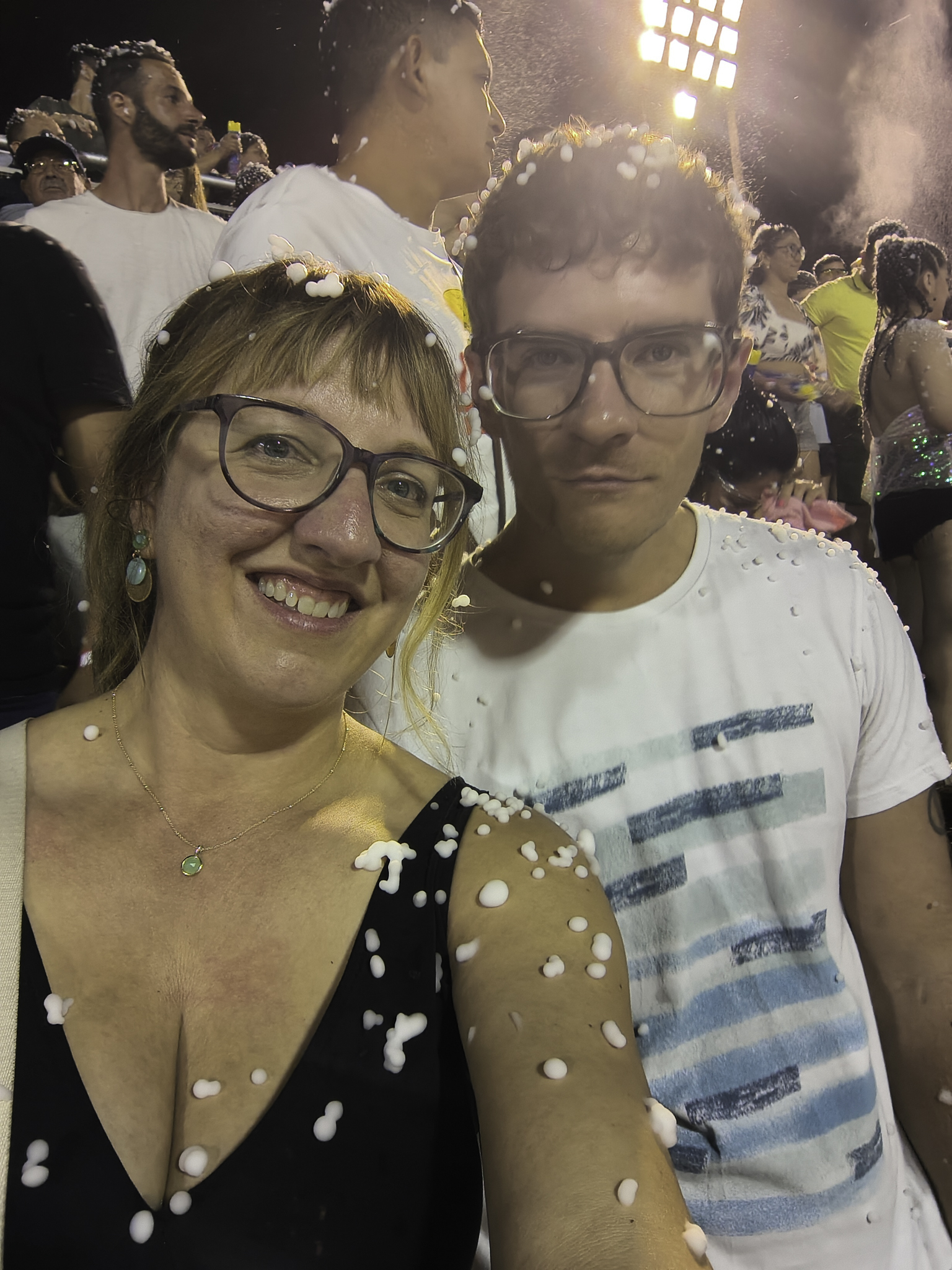
All ages were there to watch the program and join in the celebrations. We noticed grandmothers dancing with their grandbabies, mothers with big booties bopping around next to their teenage sons, young people shaking what their mommas gave them, and older couples gently nodding their heads. The crowd also carried with them cans of spray foam which was sprayed liberally throughout the crowd, coming out in thick white streams and falling like fat snowflakes.
My scepticism at being sprayed soon wore off as I realised that it disintegrated fairly quickly and didn’t damage our clothing. I wondered why everyone sprayed this stuff…then it came to me. Watching such sexy people flashing all their skin excited the crowd and some sort of release was required in celebration. It was good fun, I suppose. Callum was constantly trying to protect his glasses. It is rather bothersome being a glasses-wearer, sometimes.
The quality of dancers did dwindle with each passing group, however. After two hours, there were bigger and bigger gaps in between dancing troupes, and the looks on the faces of the dancers started getting surlier and more exhausted. They definitely put their best performers first. Apparently, Carnaval was meant to go until the wee hours of the morning. After two hours we were as done as the girls with their wilting feathers and eye-rolls. Time to go to bed!



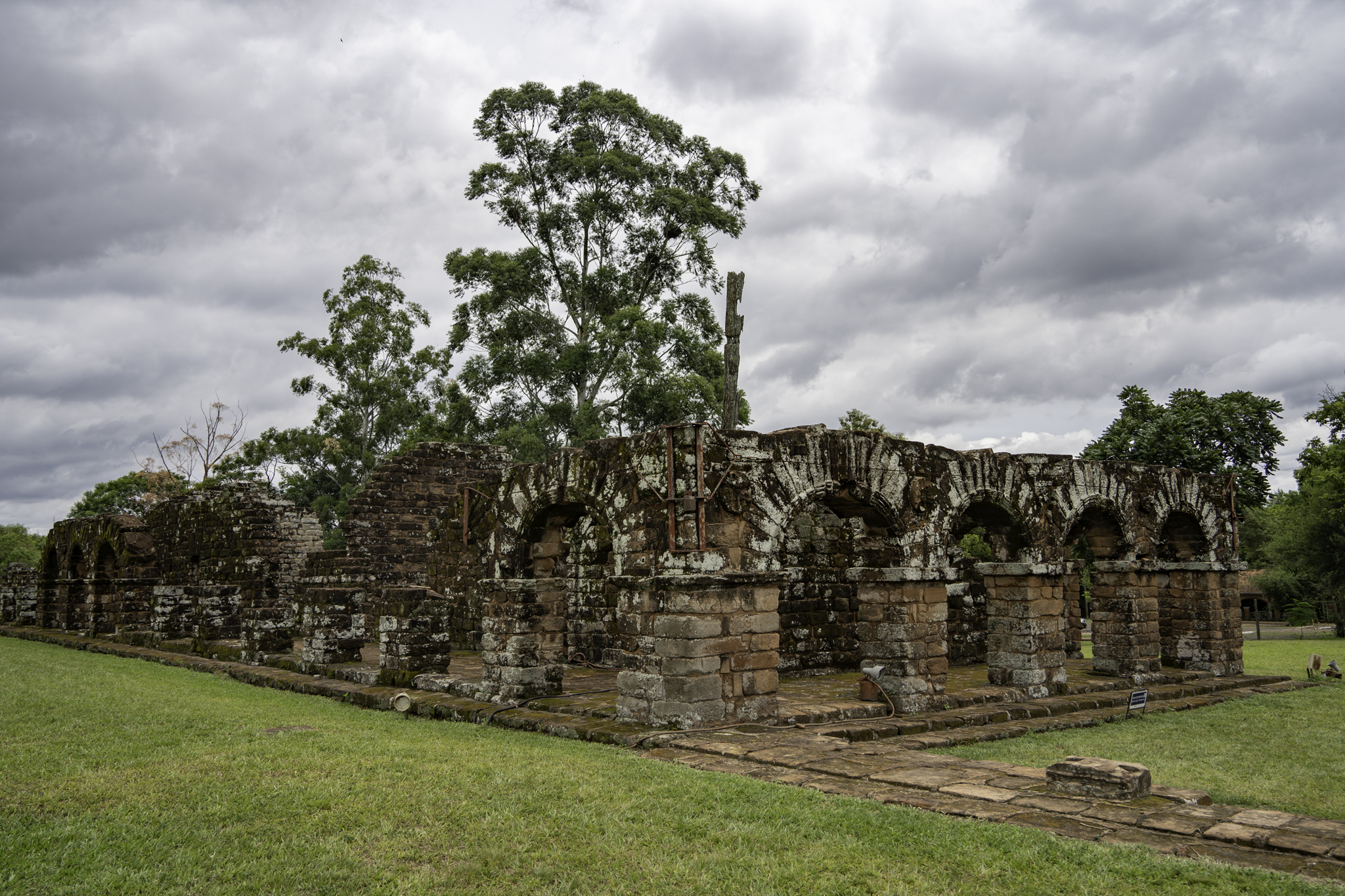
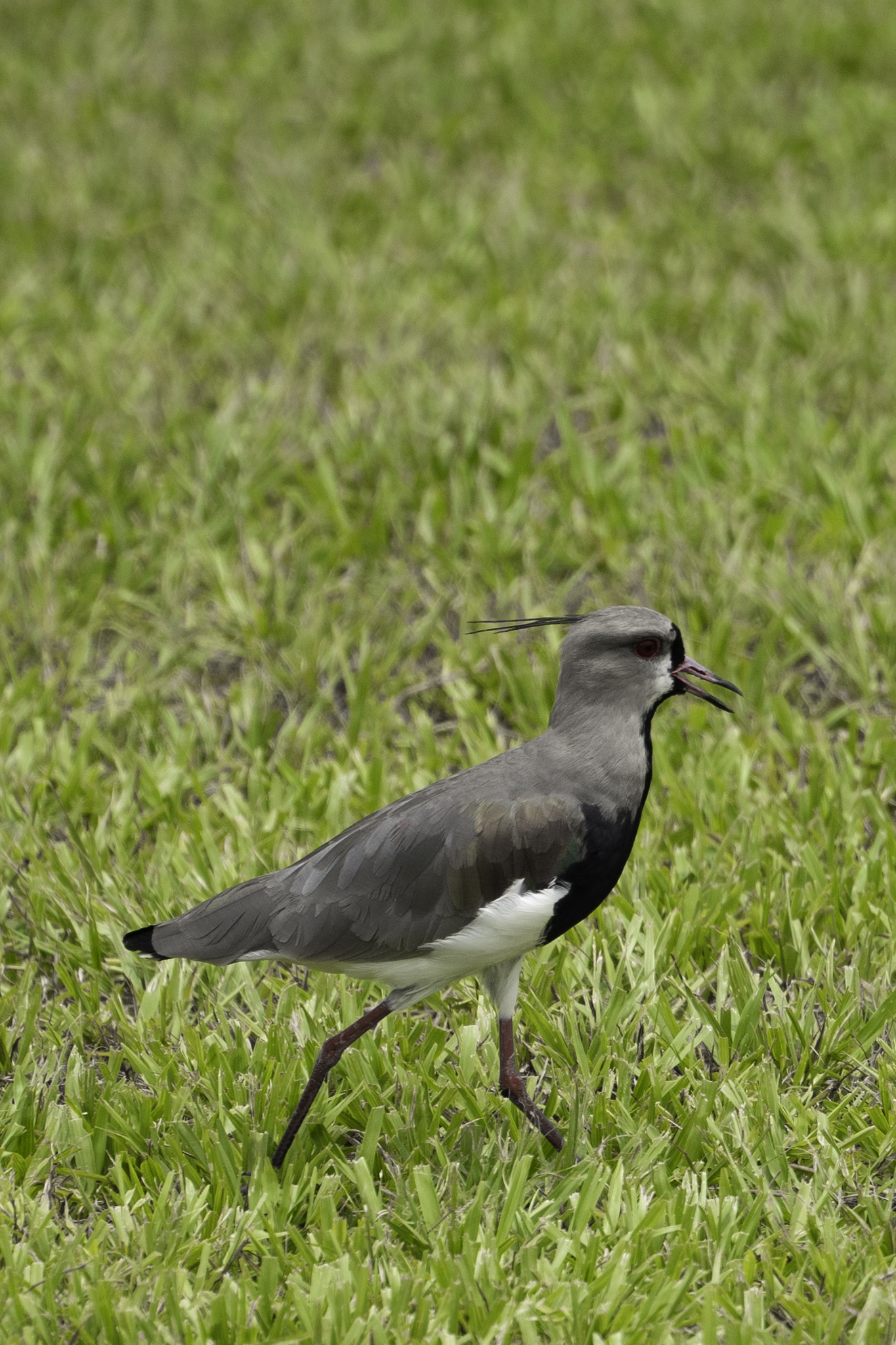
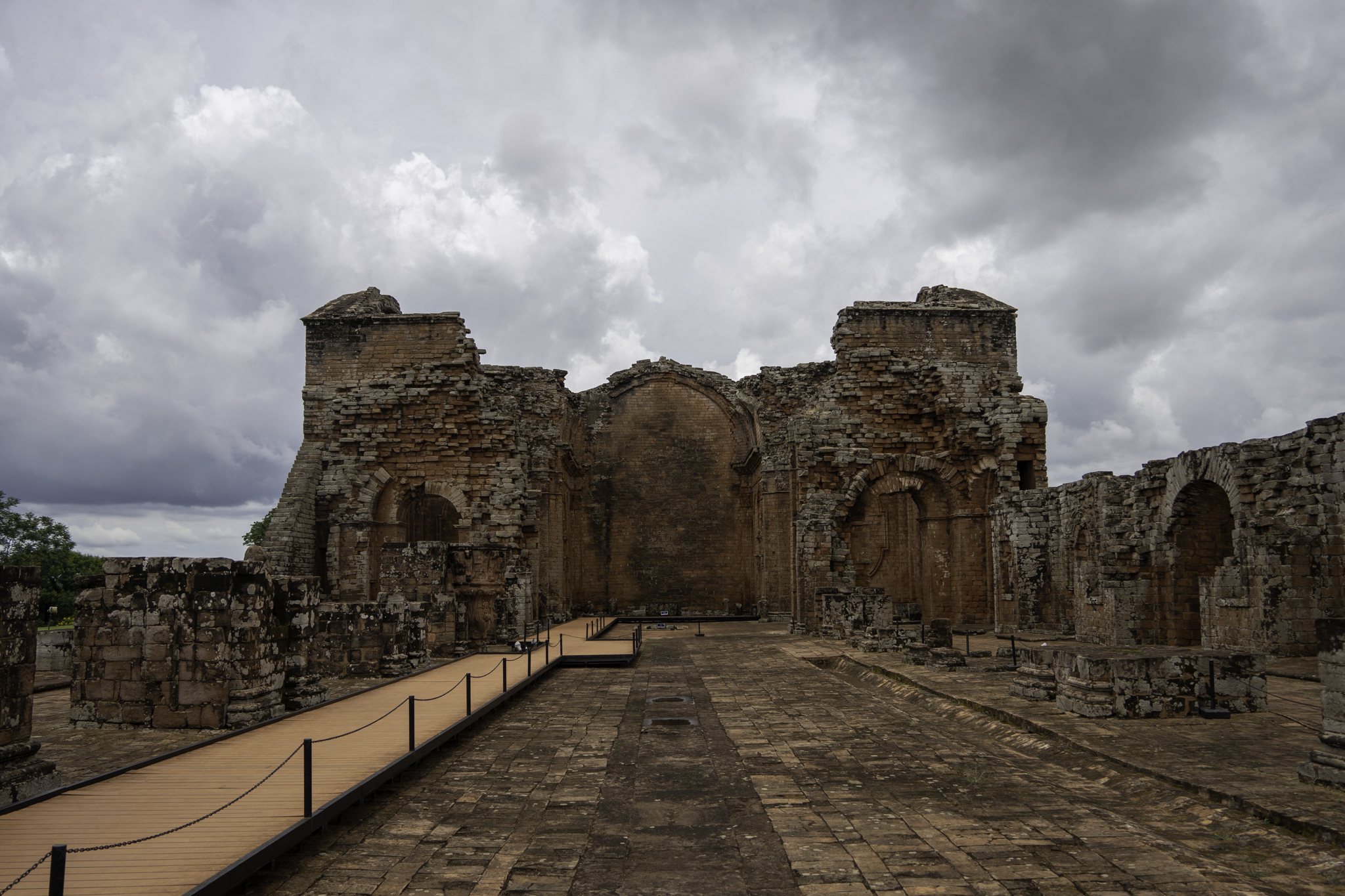
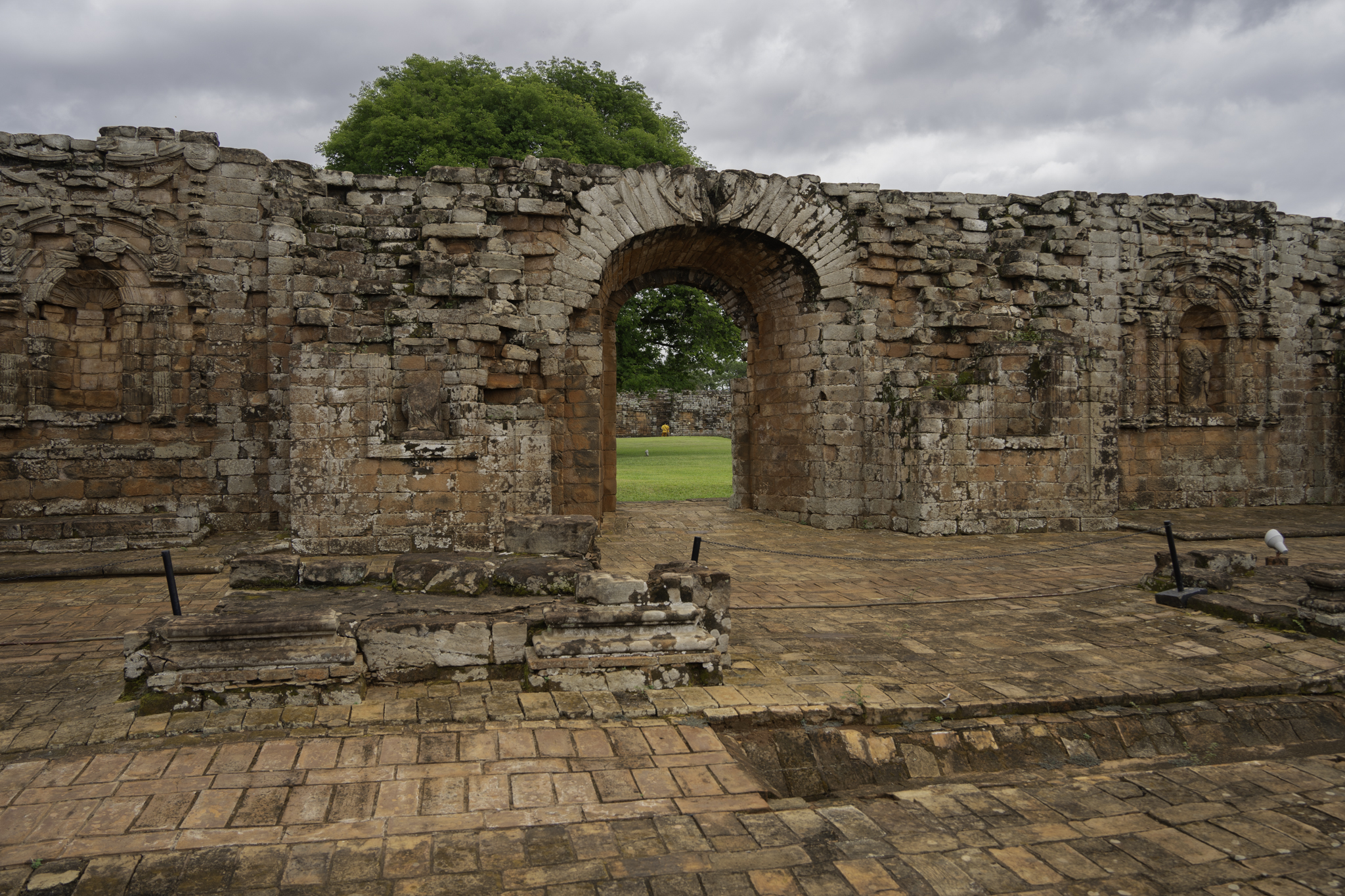
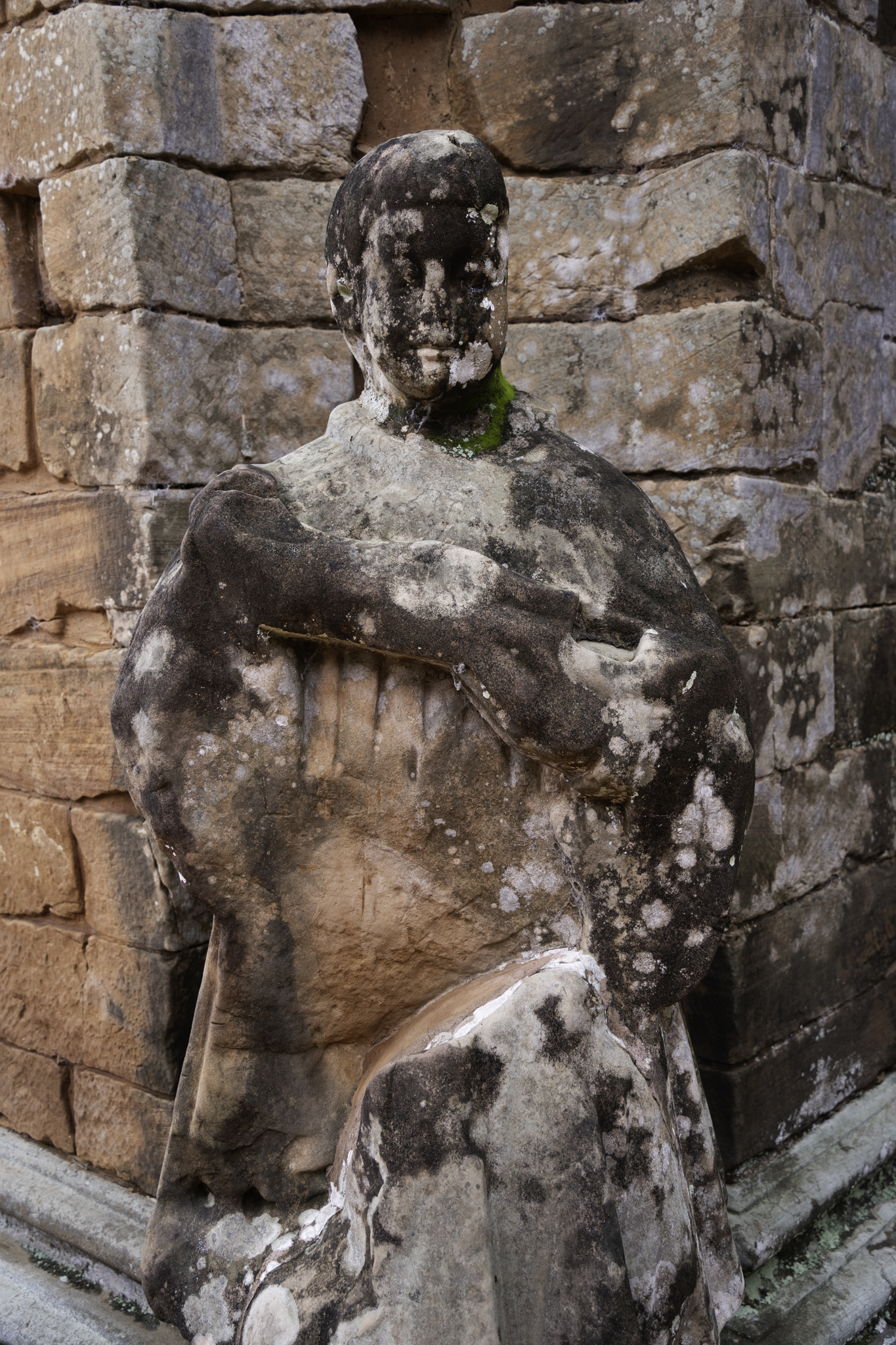
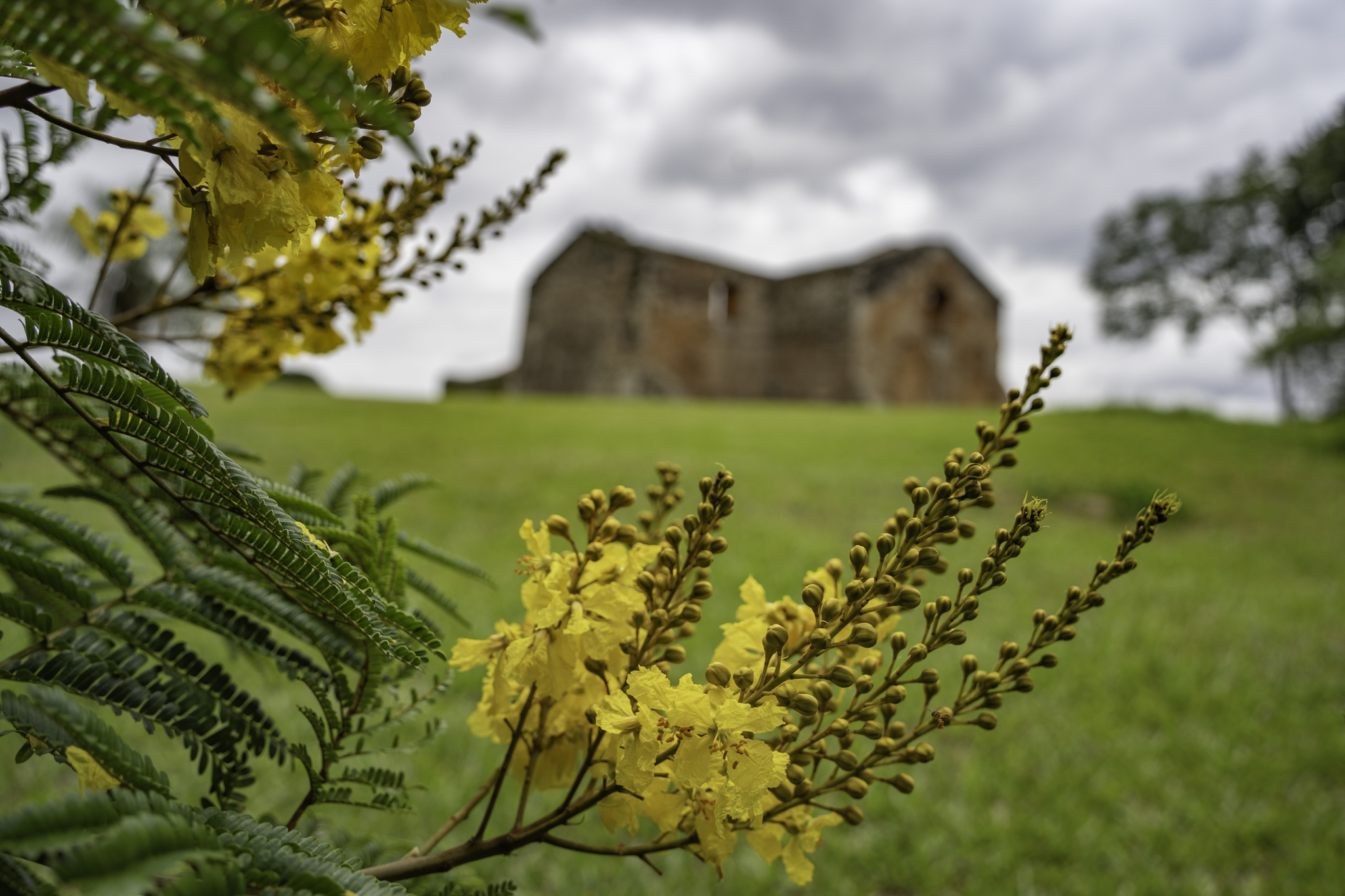
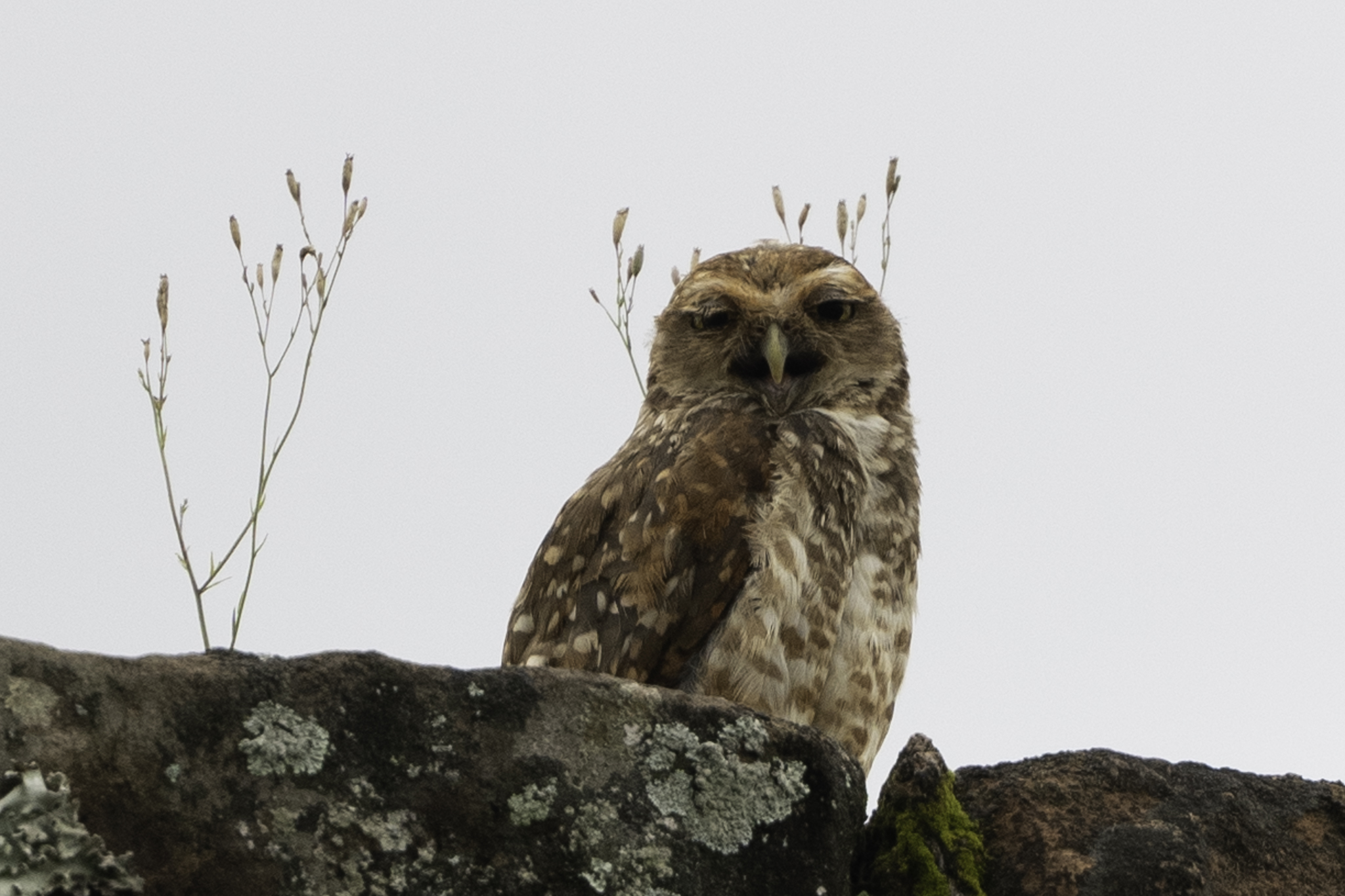
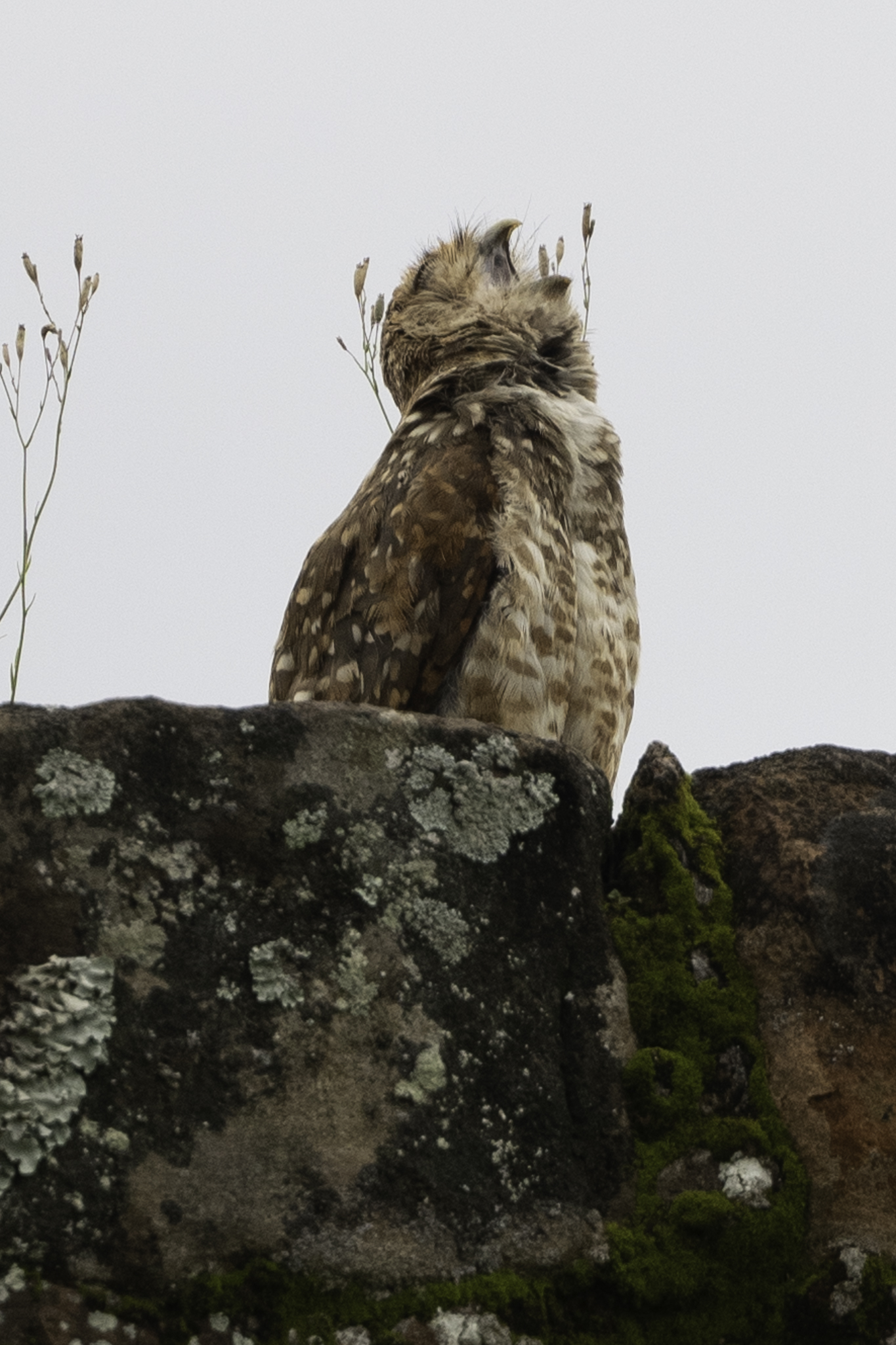
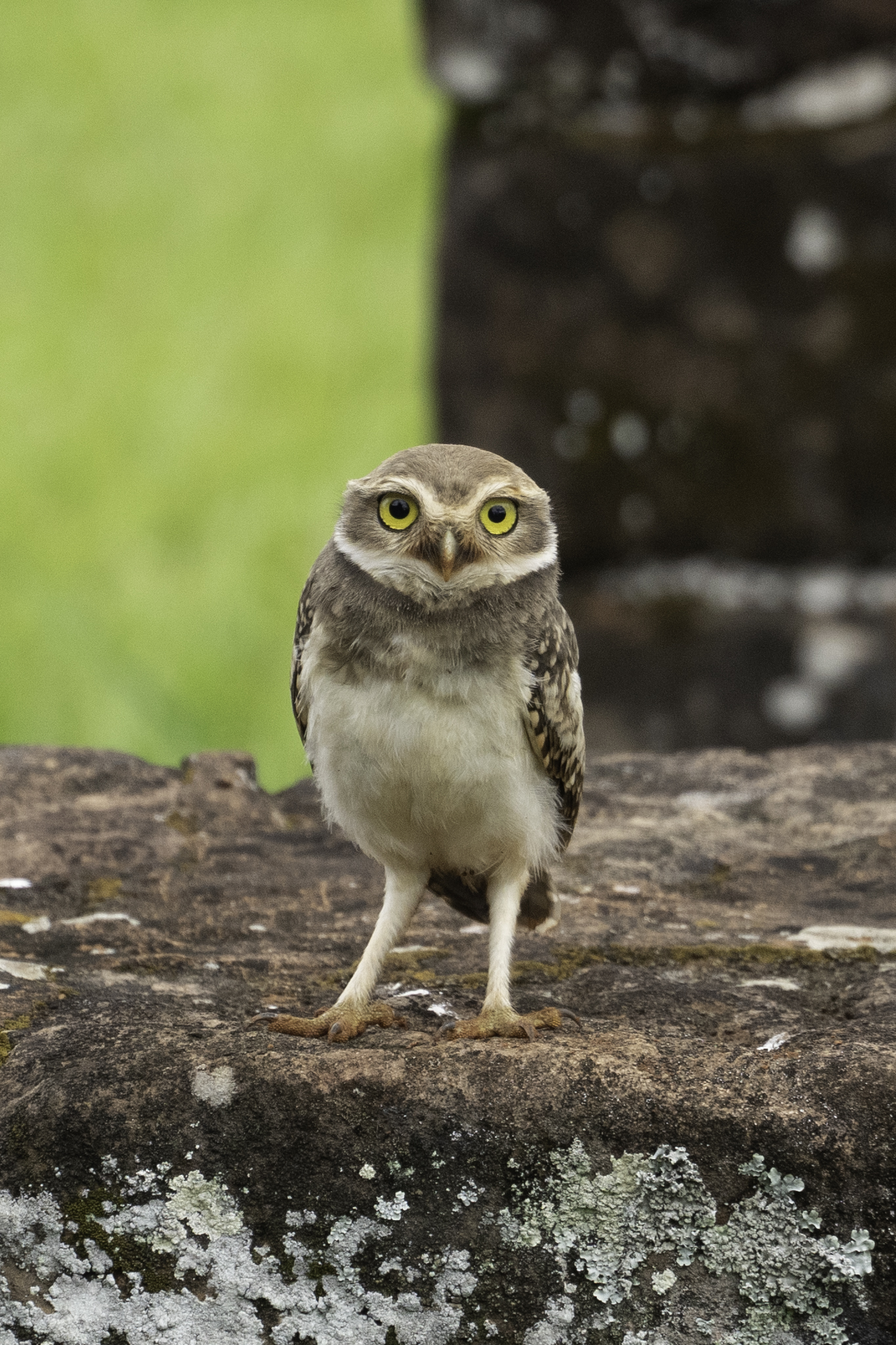
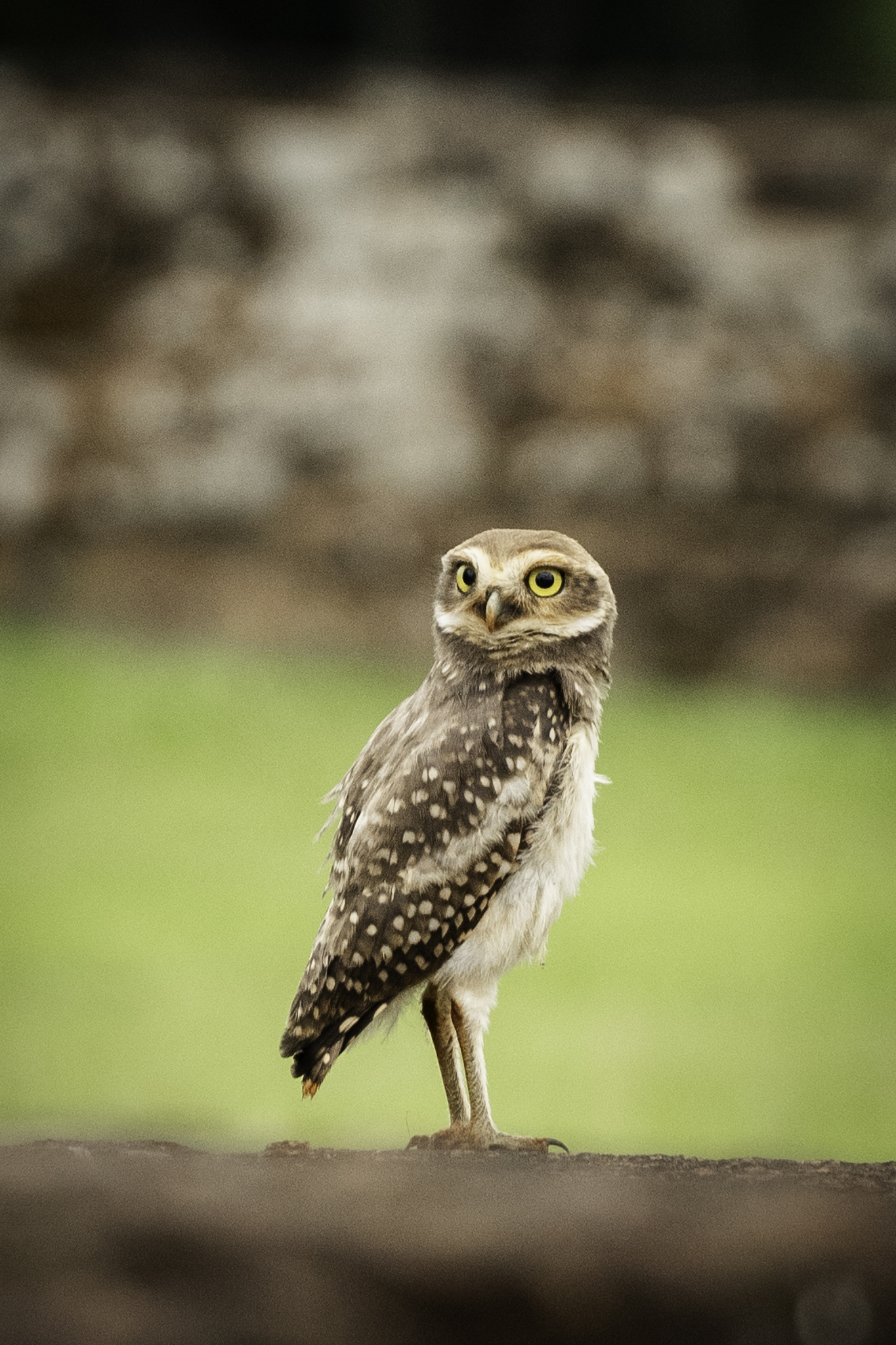
We spent another day visiting the Jesuit ruins in the town outside of Encarnacion called Trinidad. This happens to be the only UNESCO heritage site in the country. We took the public bus as near to the gates as possible, then walked our way through the thick humidity to a humble ticket office. Once there, trying to communicate with the ticket officer, another gringo greeted us. He was from Britain and could speak very good Spanish. He helped us with translation, and we ended up having a lovely chat with him once inside the site. It ended up being a highlight for us as he was the first native English speaker we had encountered in a long time. The site itself was a bit boring…there were no placards or information in English, rendering the rocky ruins sort of meaningless to us. Still, it was worth going because while there we saw a family of burrowing owls which were curious about our appearance and modelled beautifully for me to take some good photographs.



We made our way back to town by waiting for and catching the same bus which had brought us out.
It was a bizarre time in Paraguay, and once again my curiosity has been satisfied. I don’t find the need to return to Paraguay, I don’t think, and wouldn’t really recommend it to anyone else. I am thankful my mother’s family made their way to my boring little town in BC. It’s maybe not so boring after all! We may not have Carnaval to look forward to every year, but we have the Airshow. We have the tulips, and we certainly have fruits and vegetables, thank goodness.
 Travel Bugs
I am also grateful now for the “boring” place that I grew up (not too far from yours). I love that you are exploring your roots!
LikeLike
What a cool experience, though, to visit mom’s birth country! Glad you were able to rest… and at least see some dancers!
LikeLike
How wonderful that you visited the place where your grandparents spent some time and where your mother was born.
So glad you saw the spectacle of a Carnaval. The whole spectacle looks wonderful.
LikeLiked by 1 person