Salento is my favourite place that we saw in Colombia. The hill town we stayed in was definitely hilly. It was a mission to go out for our lunches and dinners every day, and I counted down the number of times I’d have to do the hike to and from the town square or any café we decided to go to.
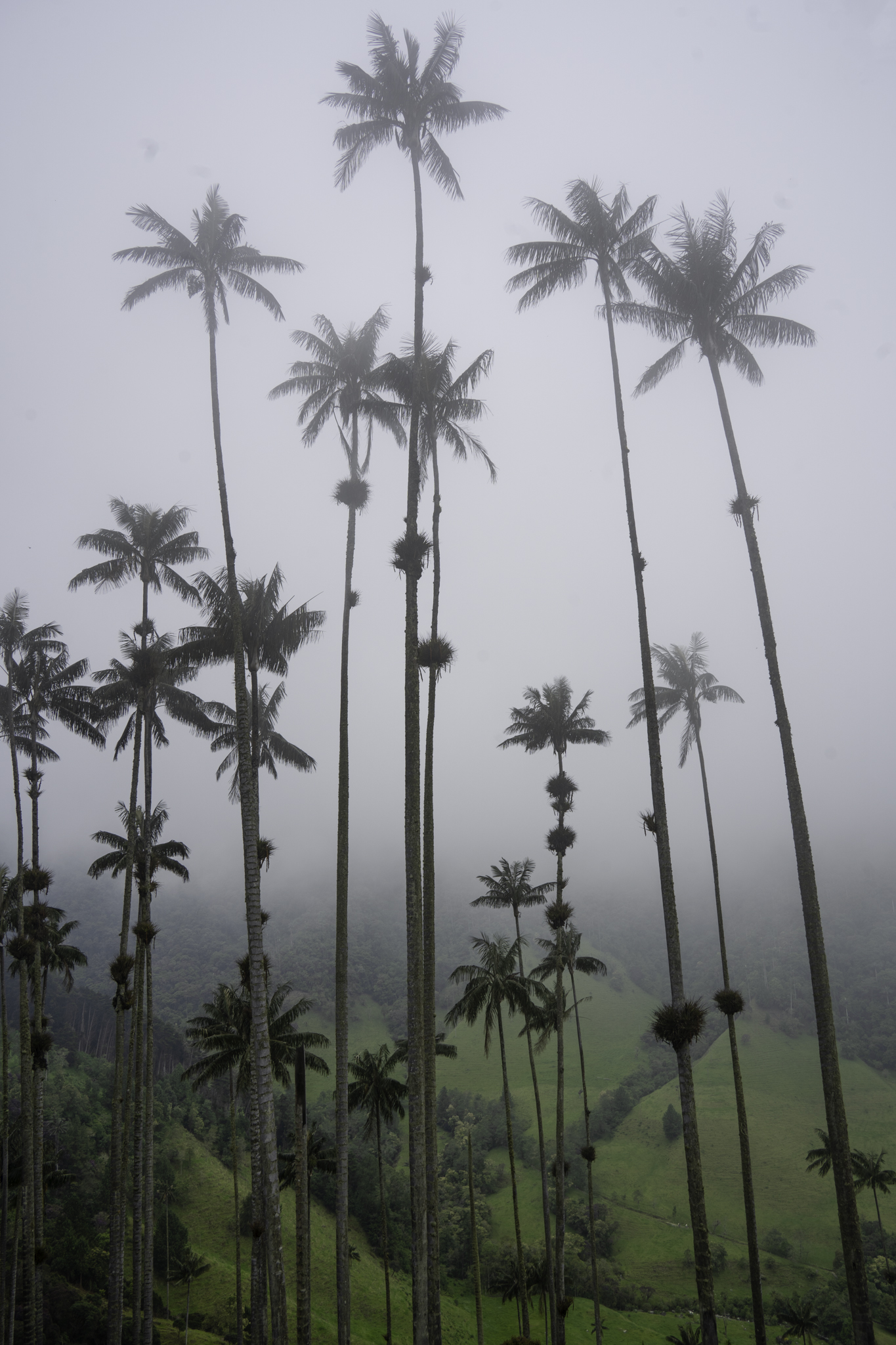
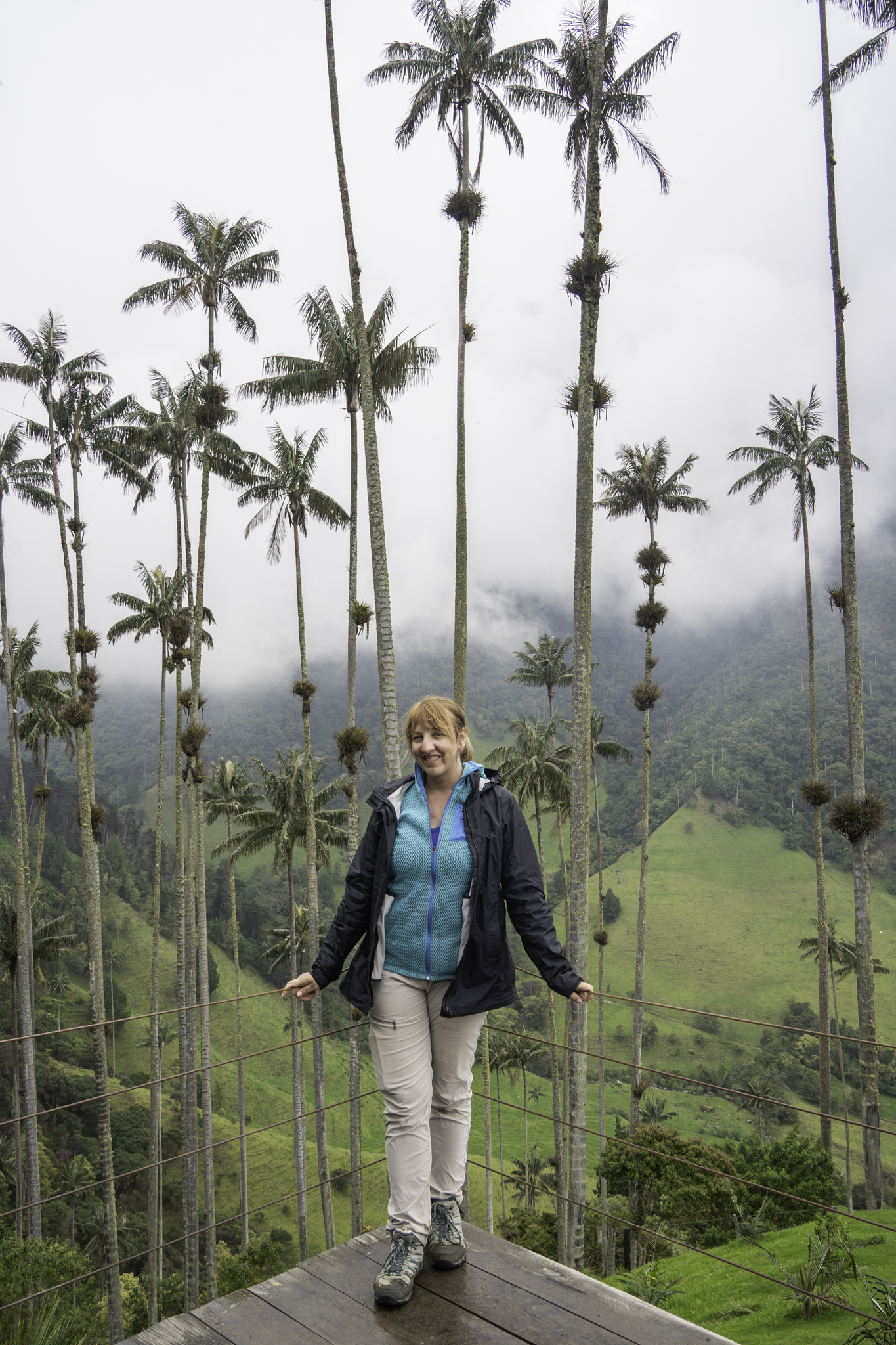
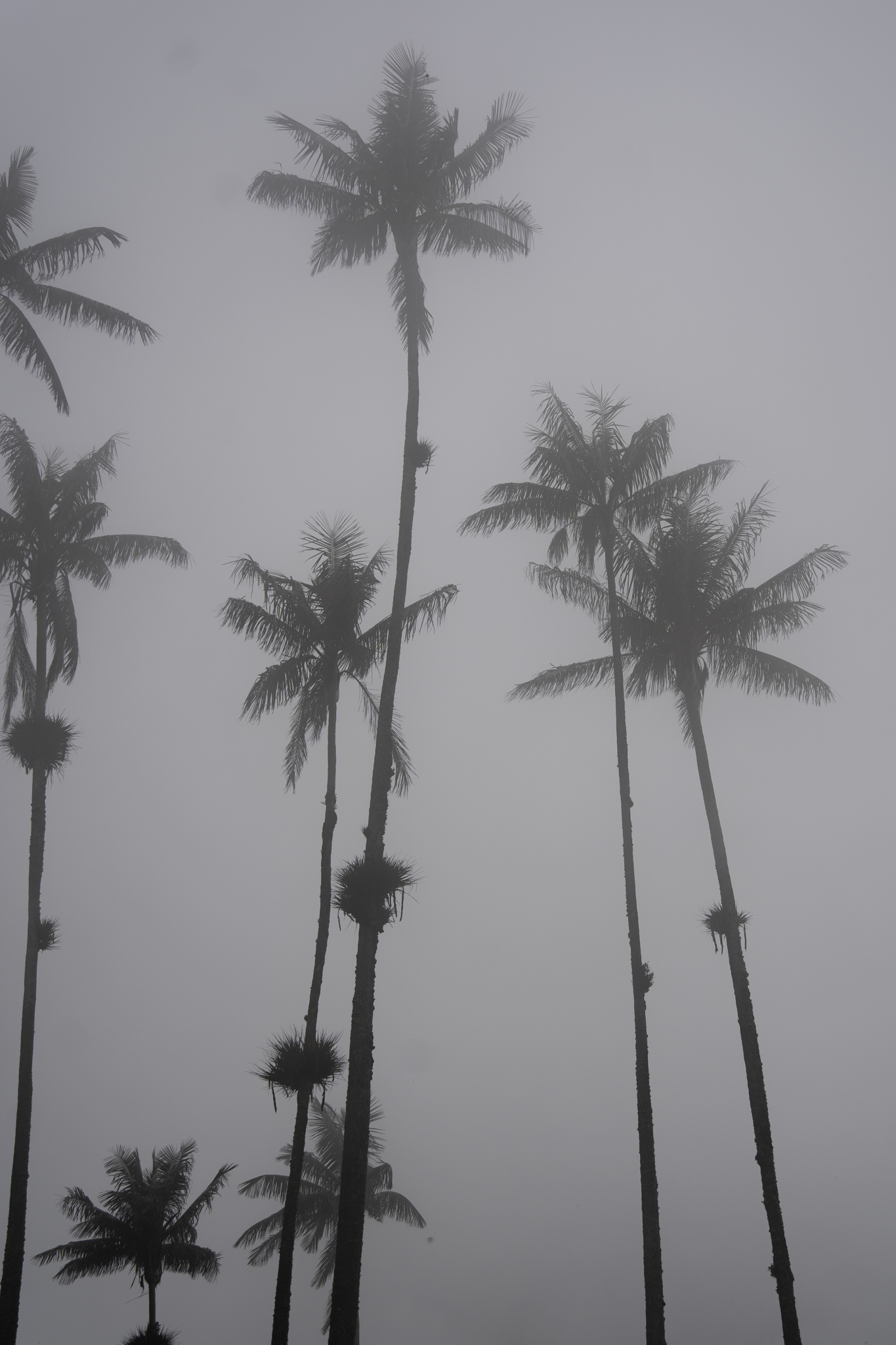
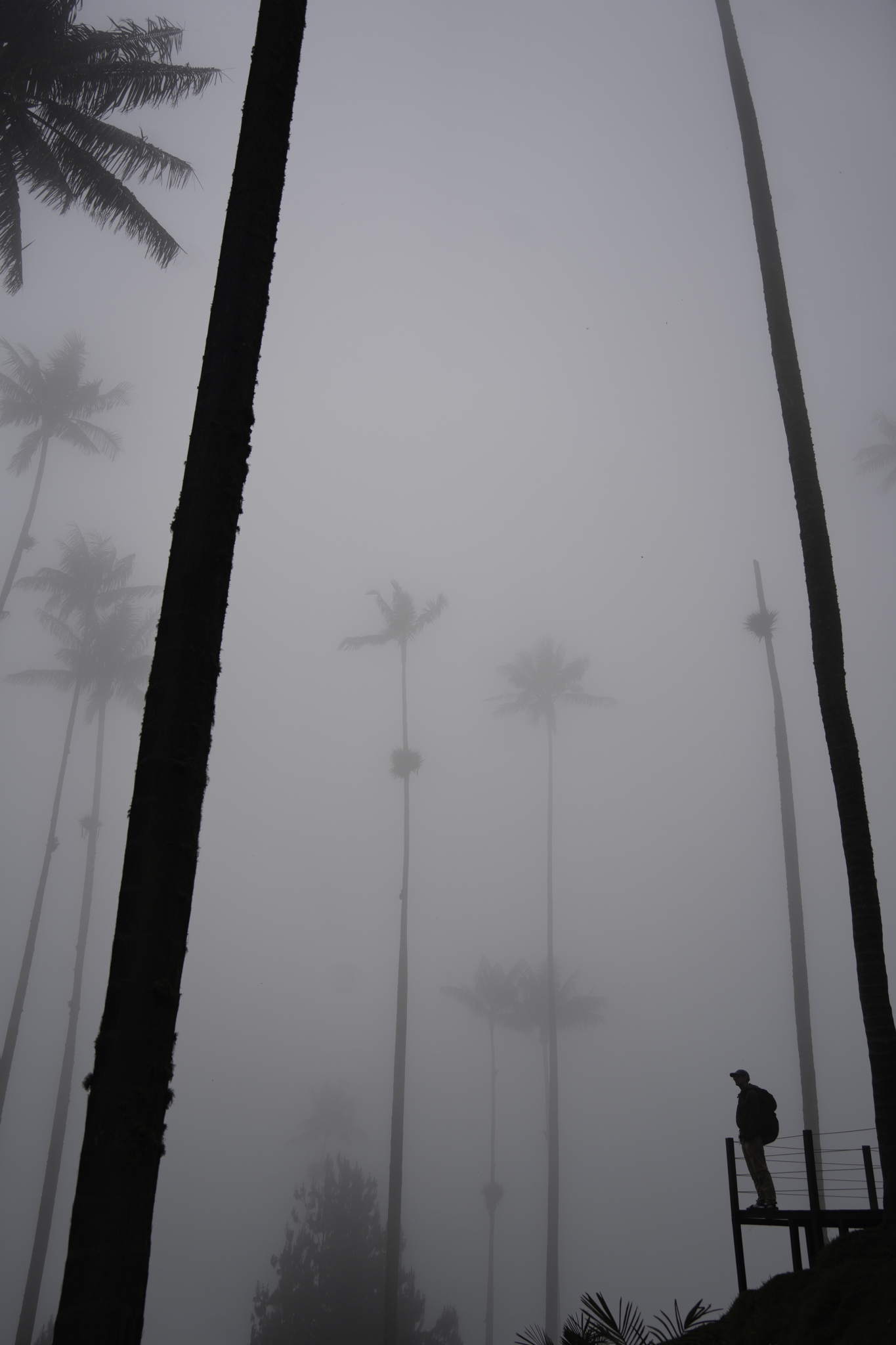
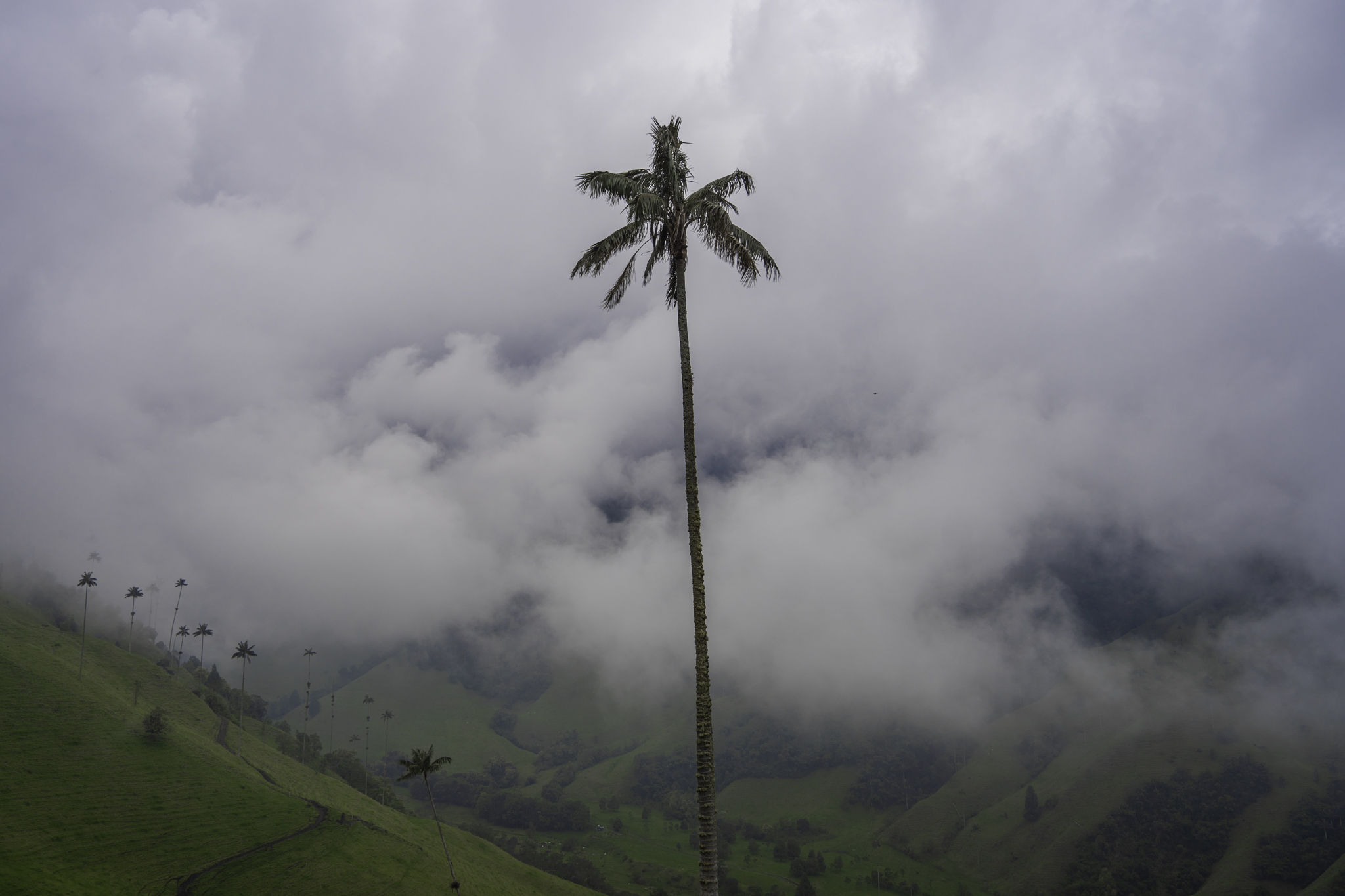
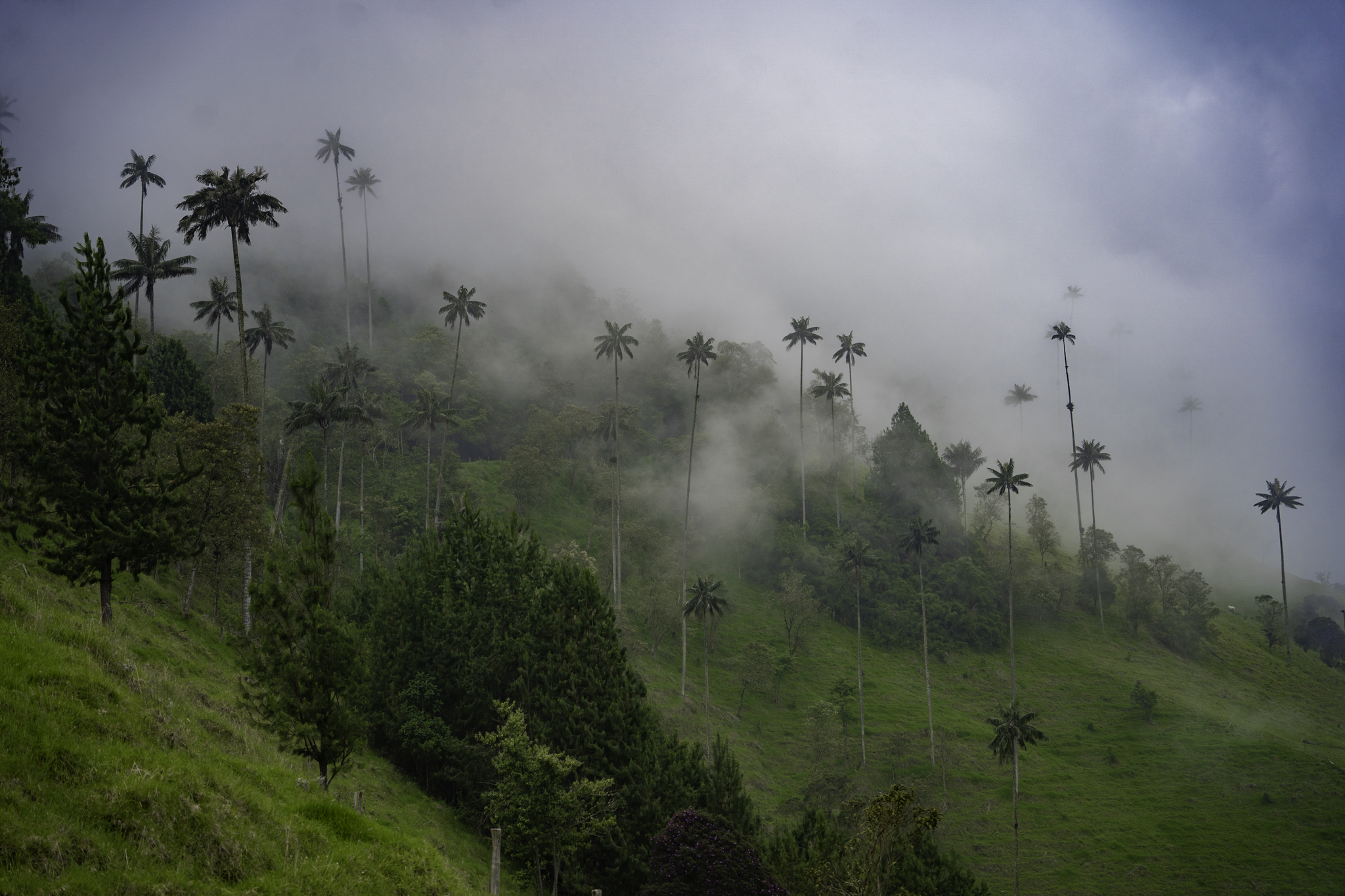
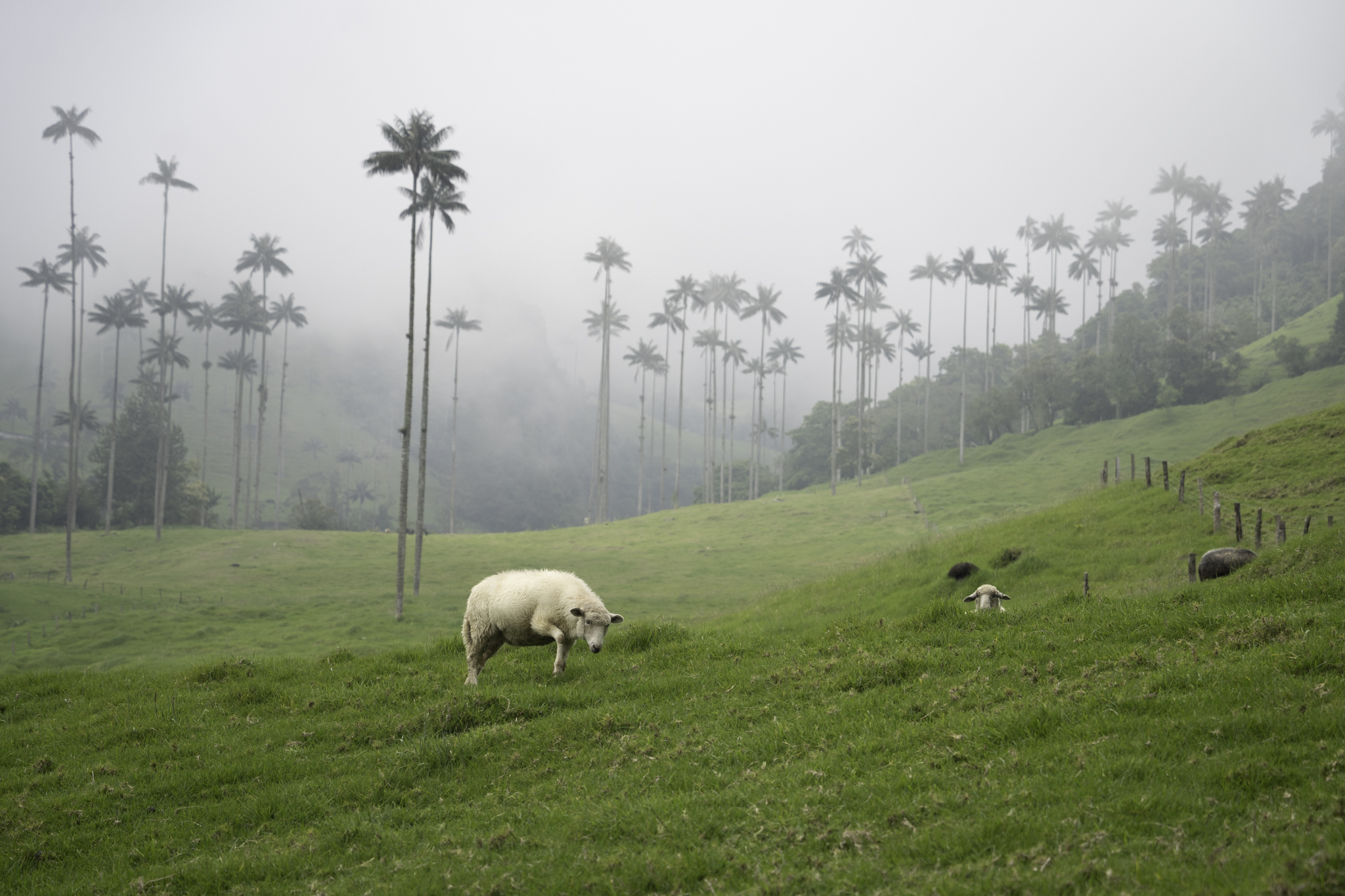
Salento is known for two things: tall palms and coffee. We did two days of activities involving both of those things. Tours in April were not sold out so, the morning of, we were able to walk to the square to book tickets and a “willy” which is a jeep carrying tourists to and from various activities. We were taken to the Cocora Valley and instantly saw the lofty palms on the hillside. It is possible to just walk clockwise and reach multiple platforms to view the palms and take your photos, but we opted to go counterclockwise and do a hike through the valley and up the mountain. It started out as a hot and sunny day. By the time we reached the forest edge we were happy for some shade, but two hours into the hike we were still climbing up and the weather was turning. It started to rain when we were at the apex of the hike, and we still hadn’t gotten at all close to these famous trees. We donned our rain jackets and started making our descent, reaching one of the platforms just as the rain was letting up. The change in weather created a moody atmosphere with the appearance of fog and mist. I was not disappointed with this as it made for some interesting photographs. We enjoyed the views, but perhaps not the other tourists. If I were to suggest something to future visitors of this area: arrive as early as possible and walk clockwise. Get all your shots early on when there are fewer people. Then, if you are hankering for some exercise do the rest of the loop to experience the area.
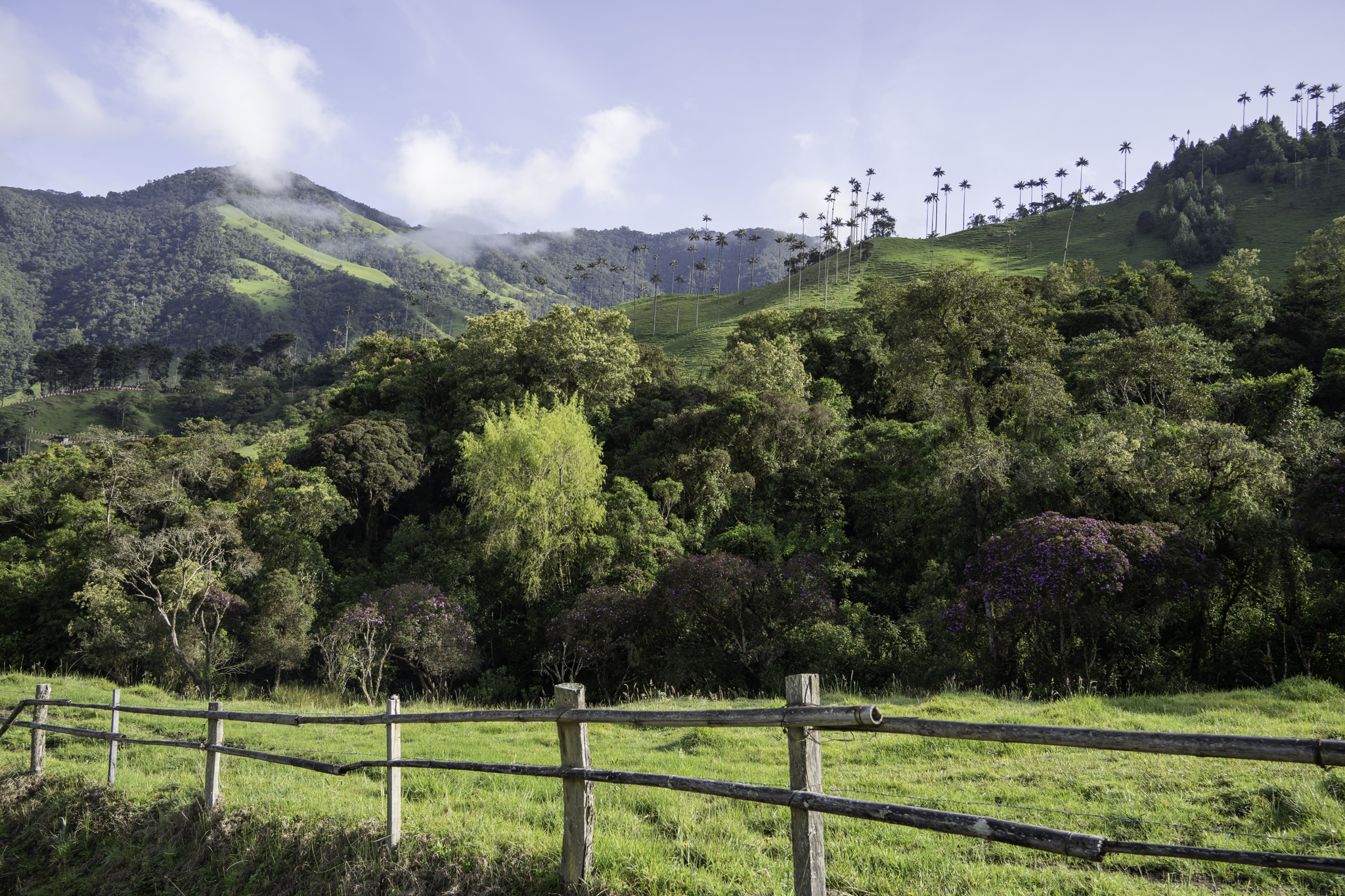
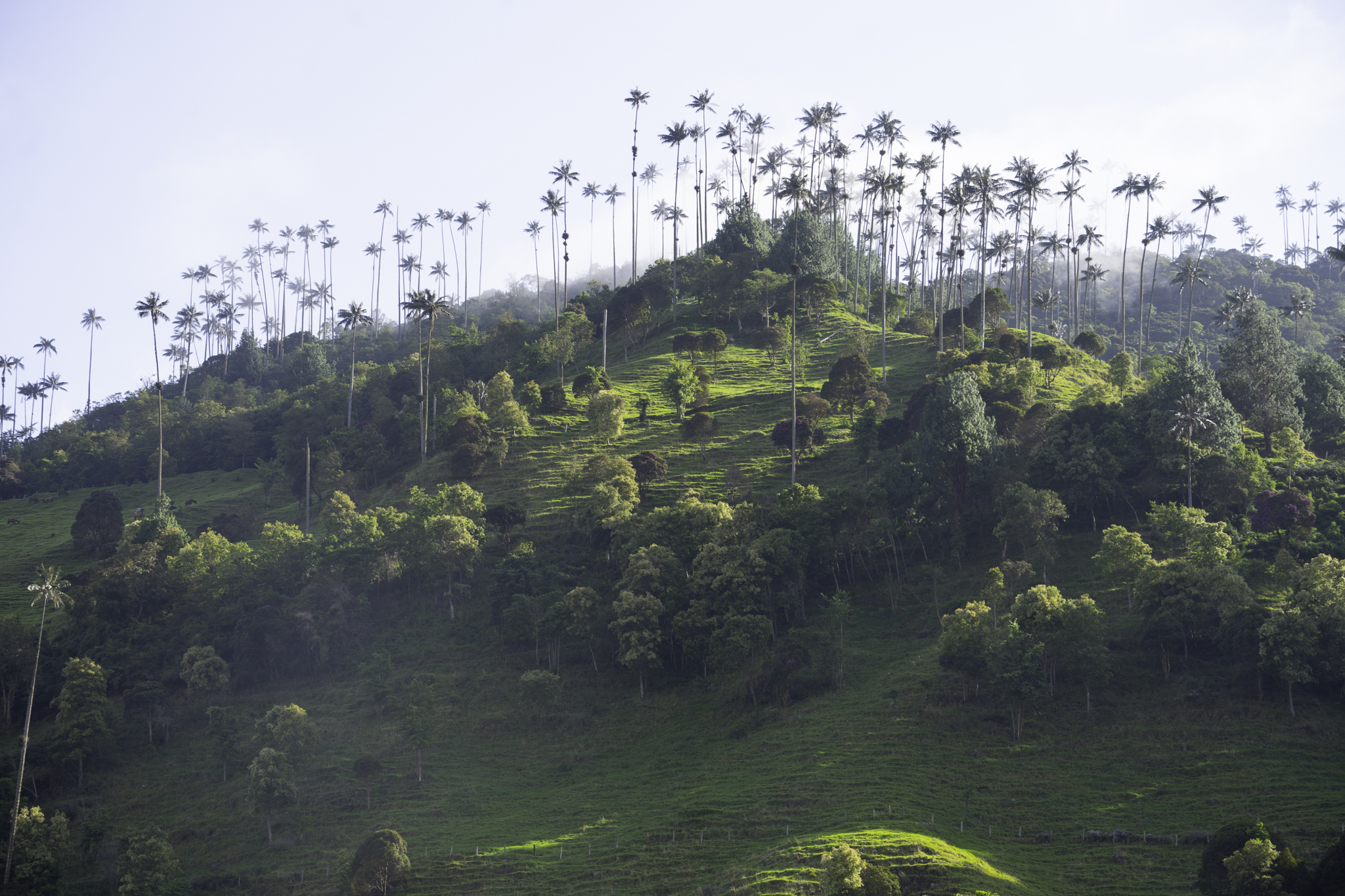
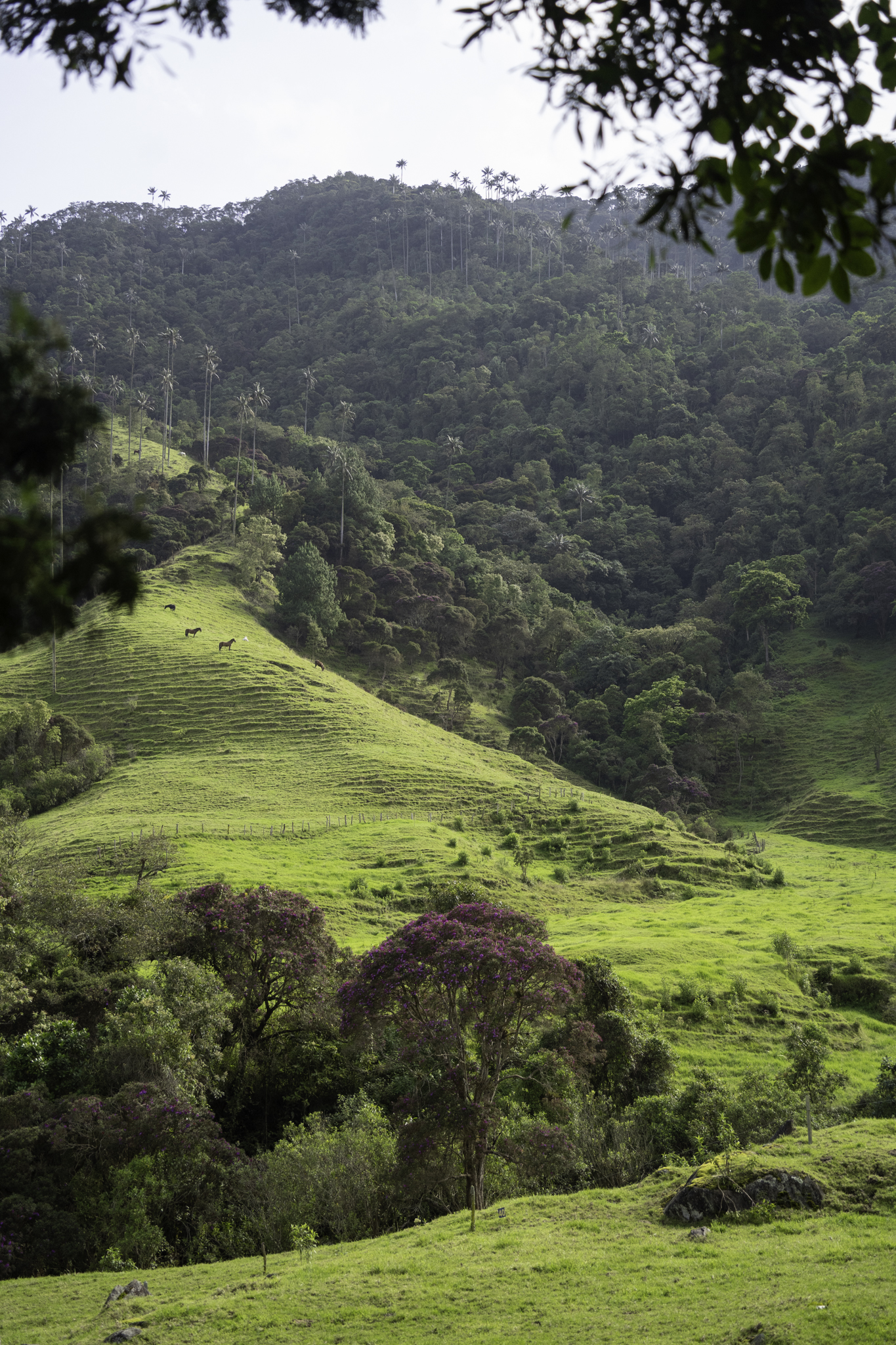
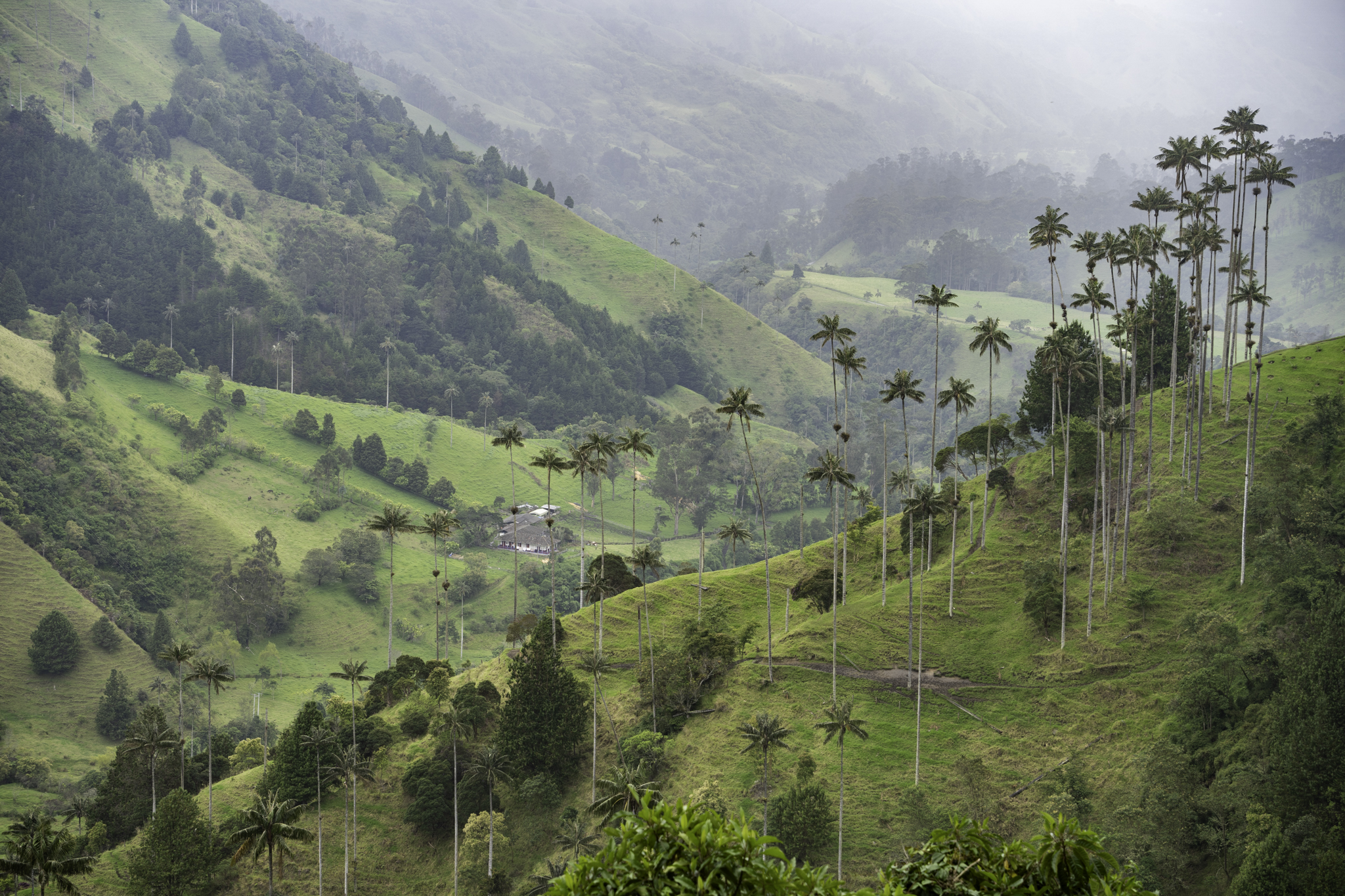

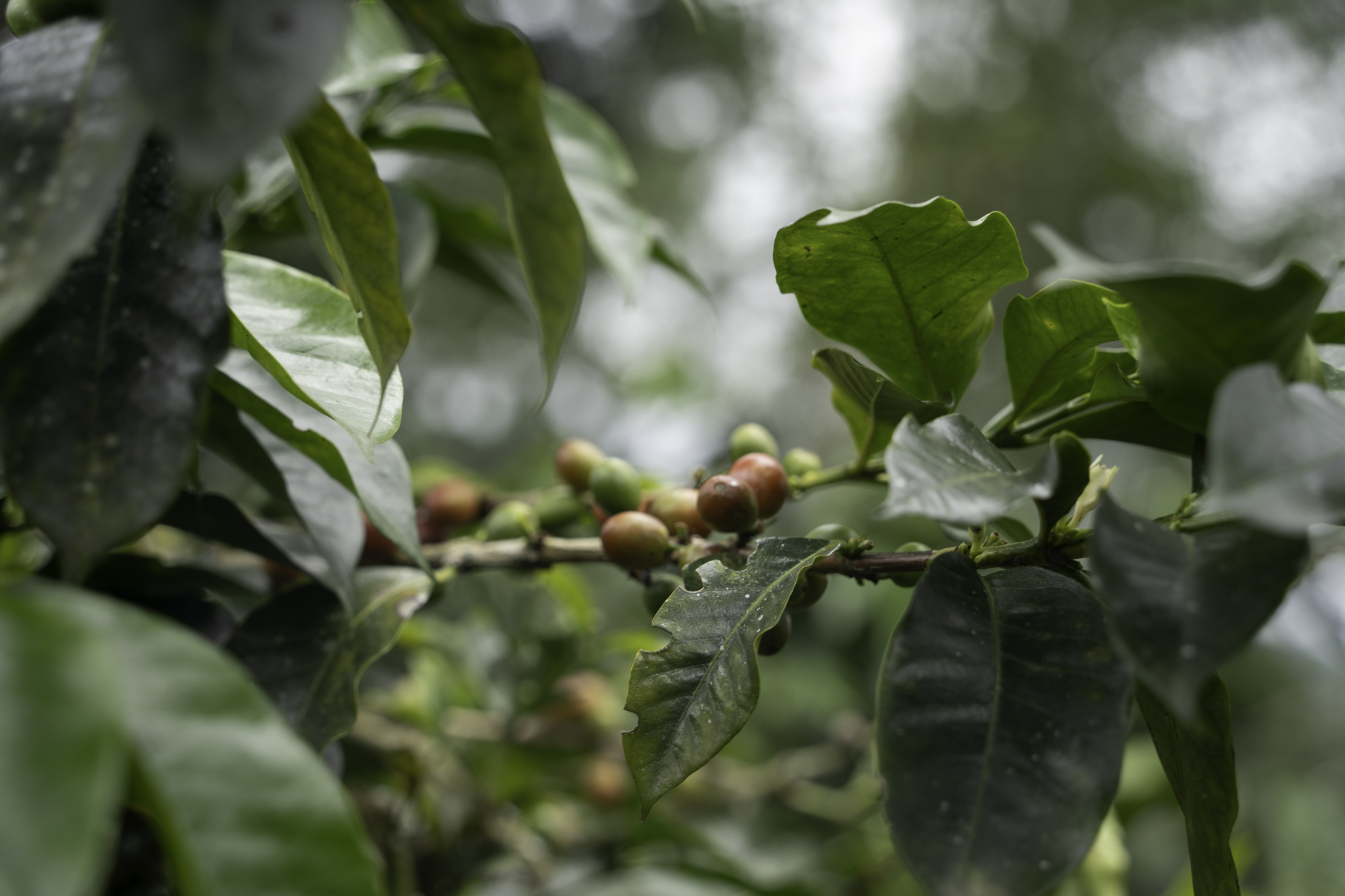
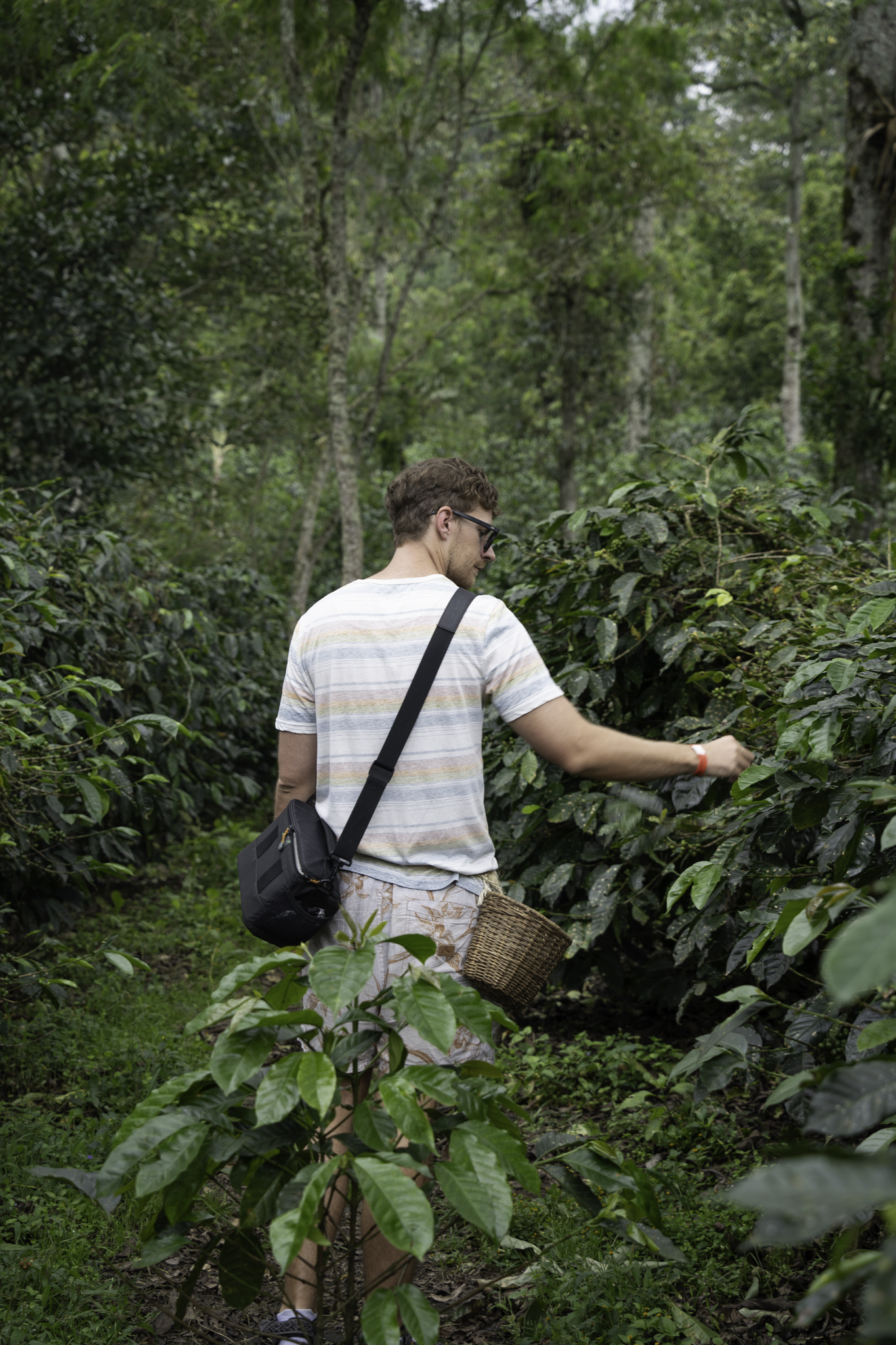
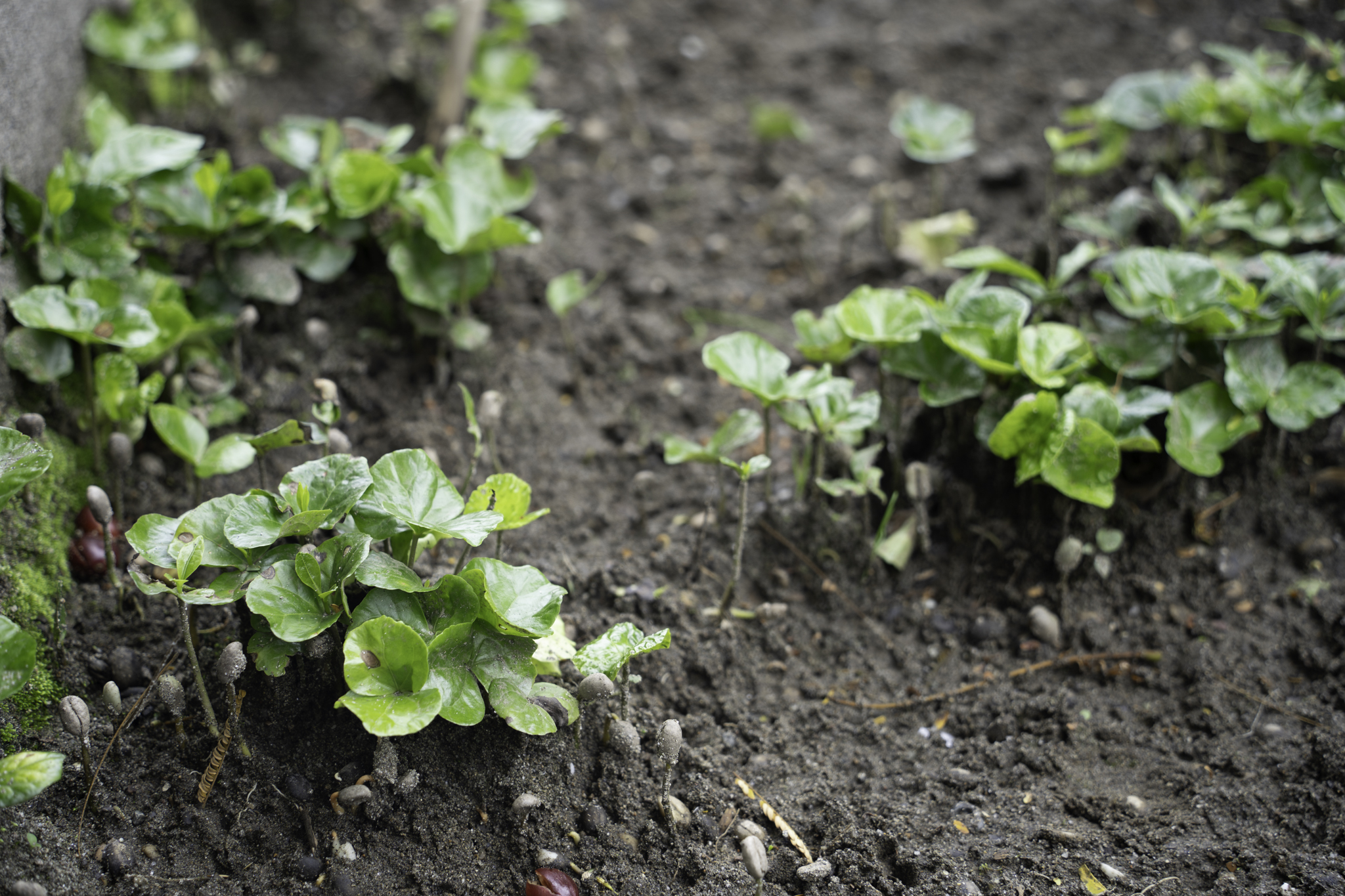
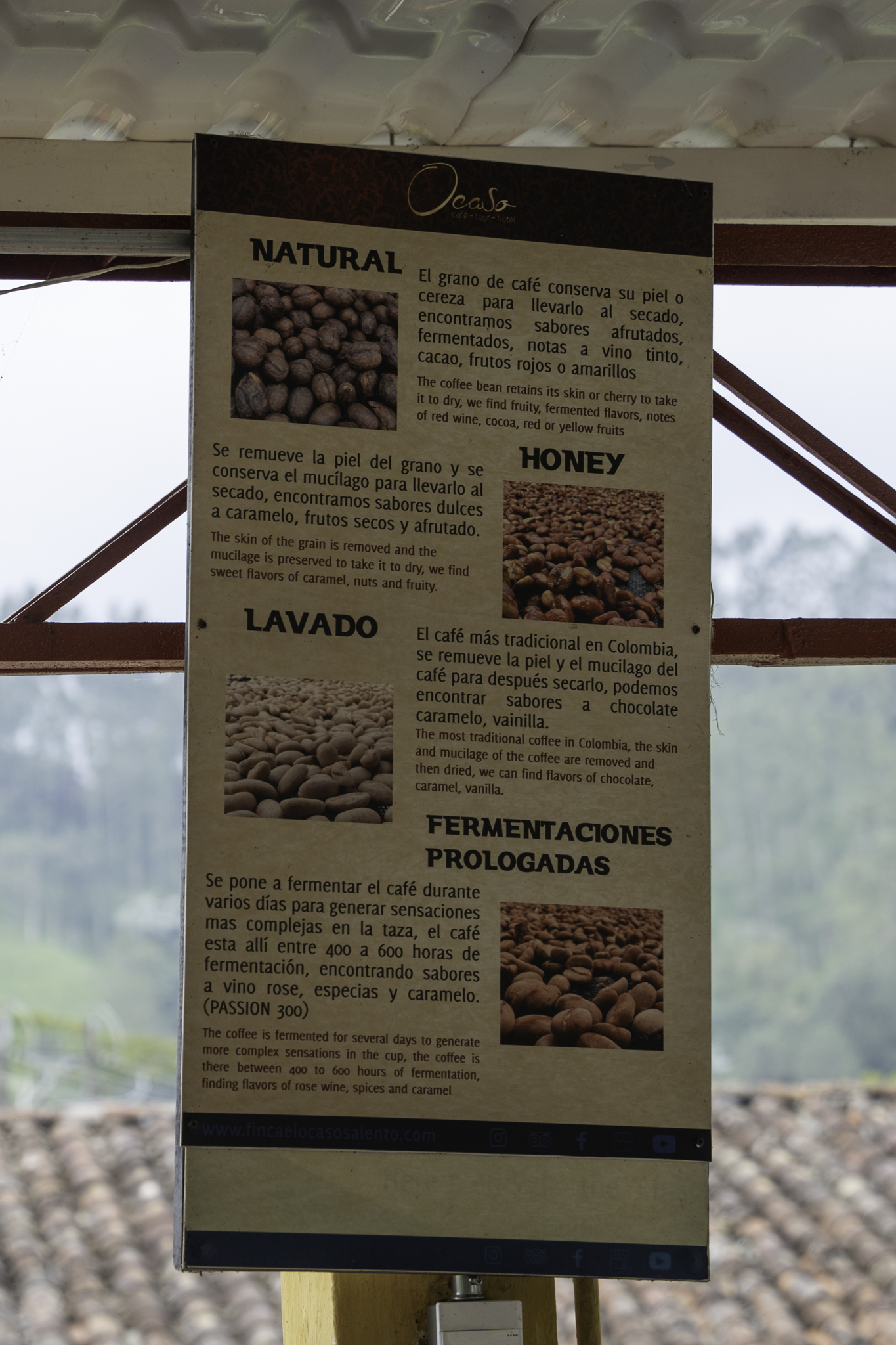
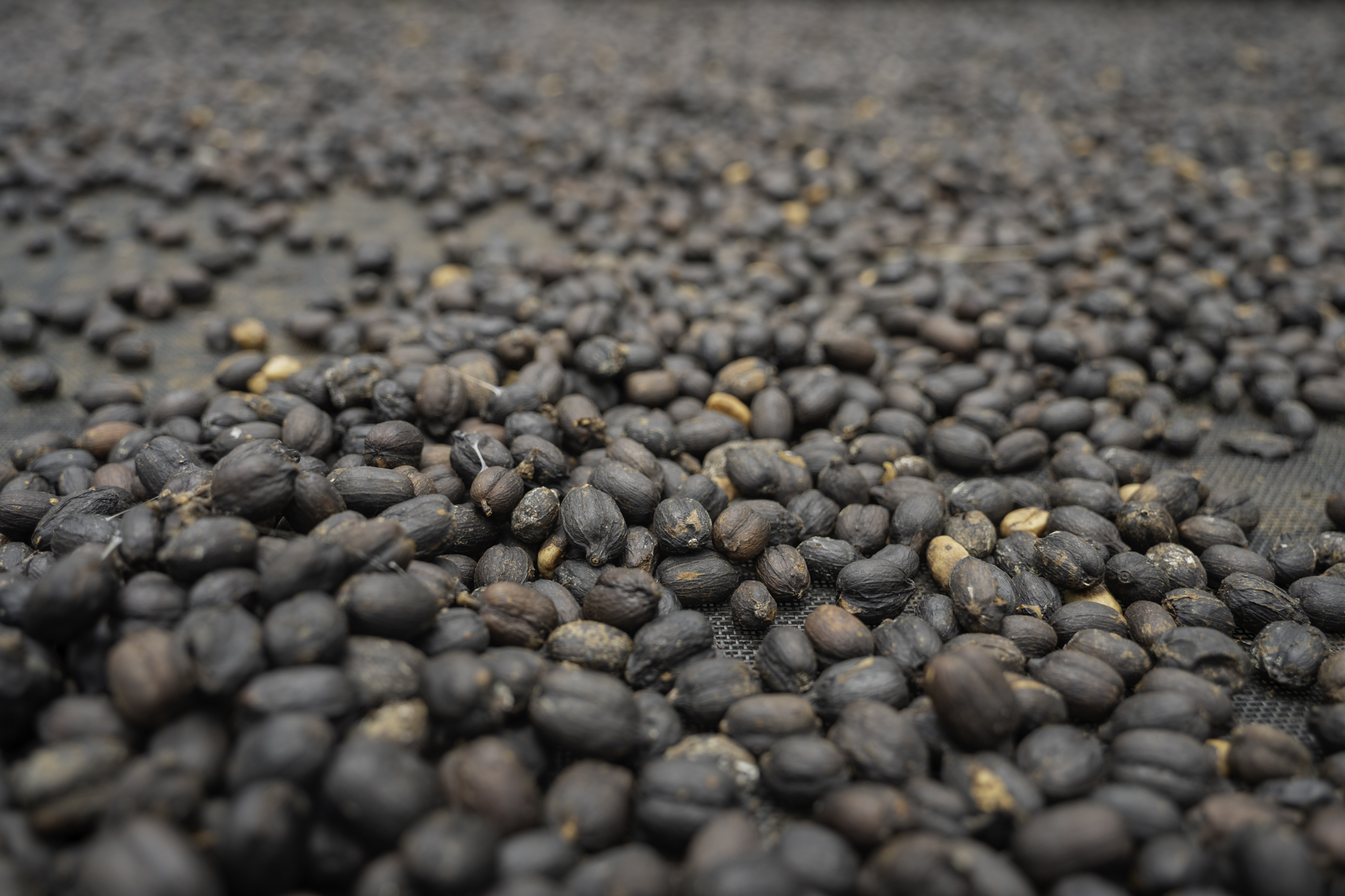
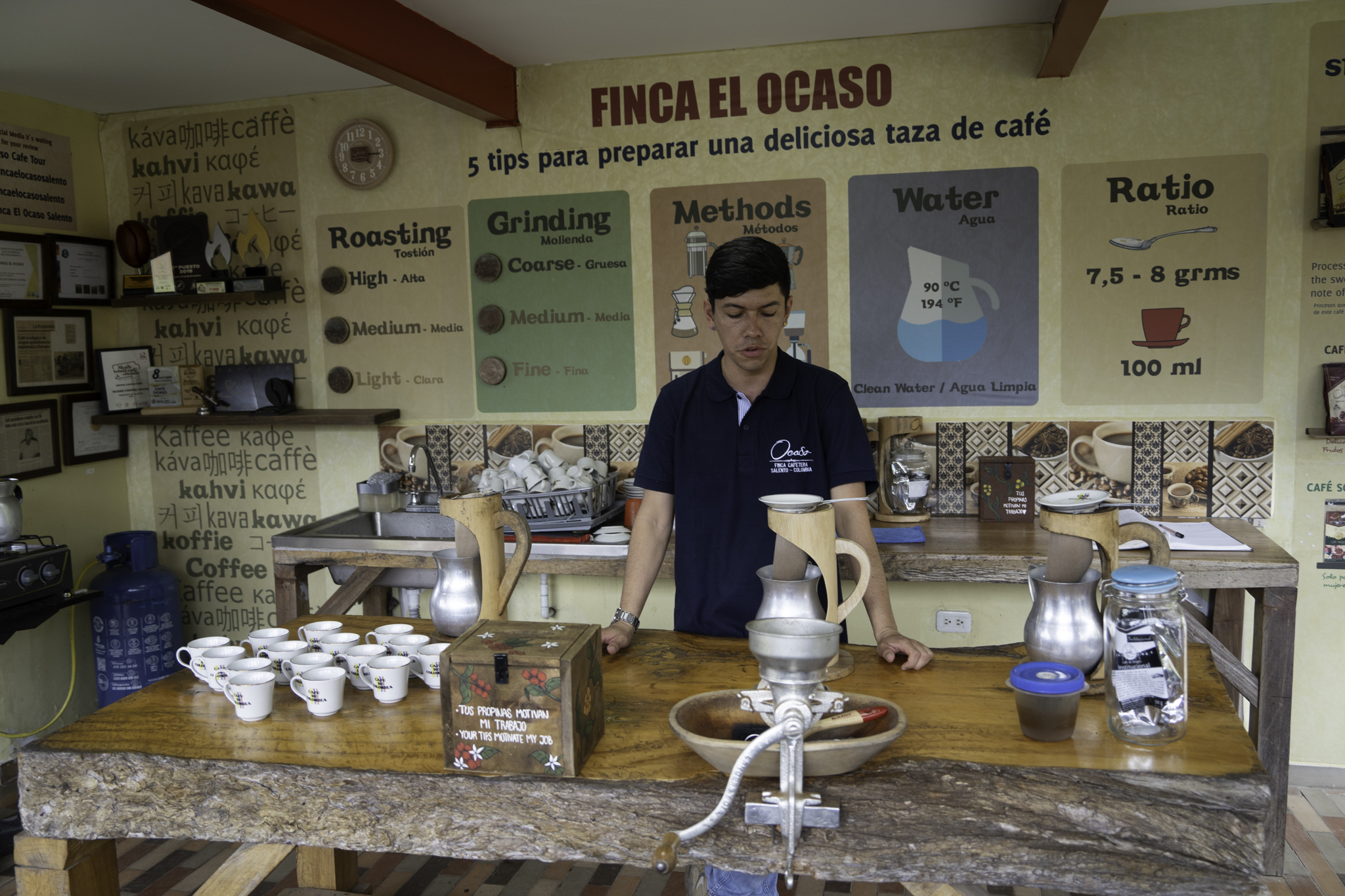
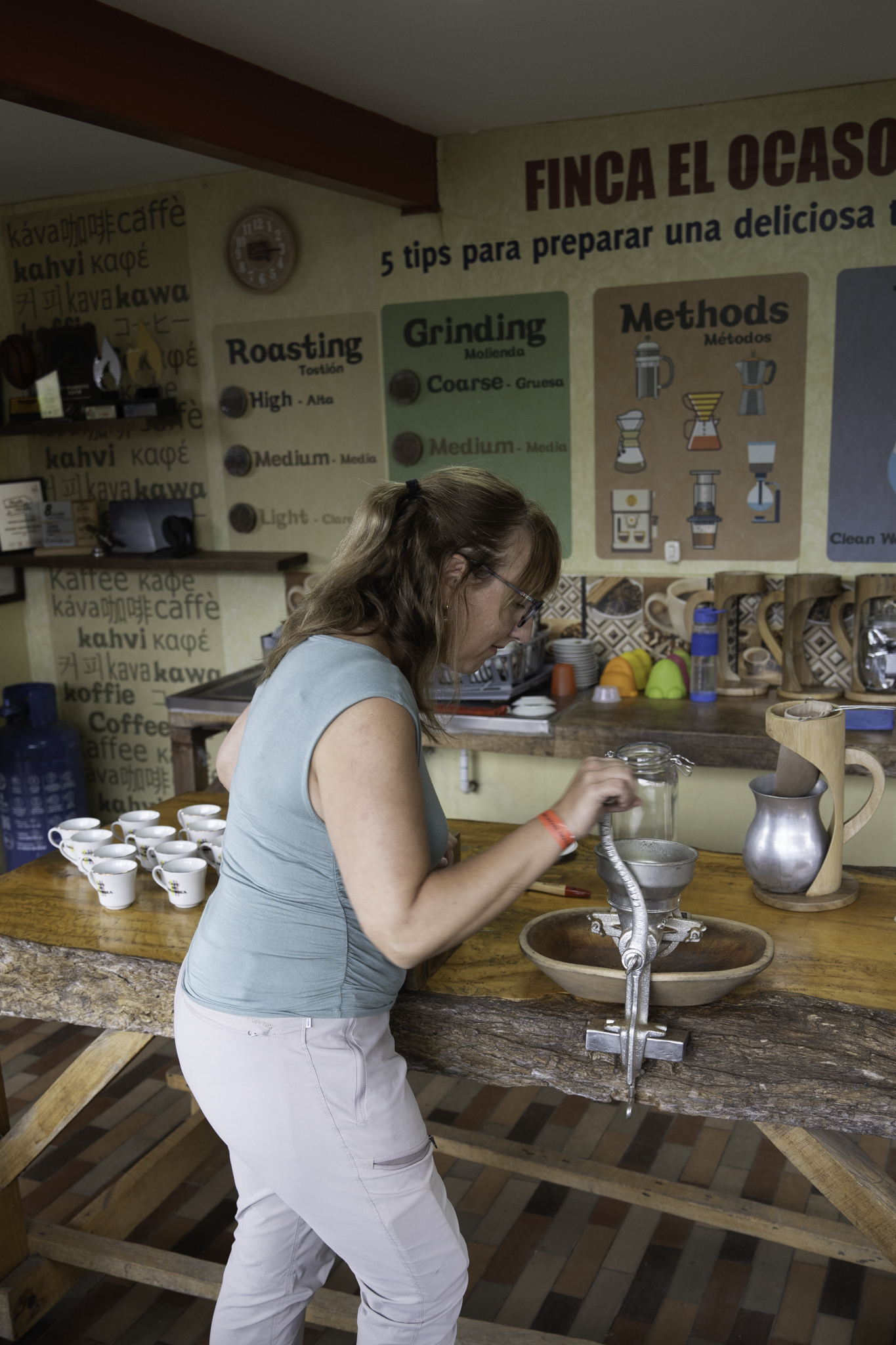
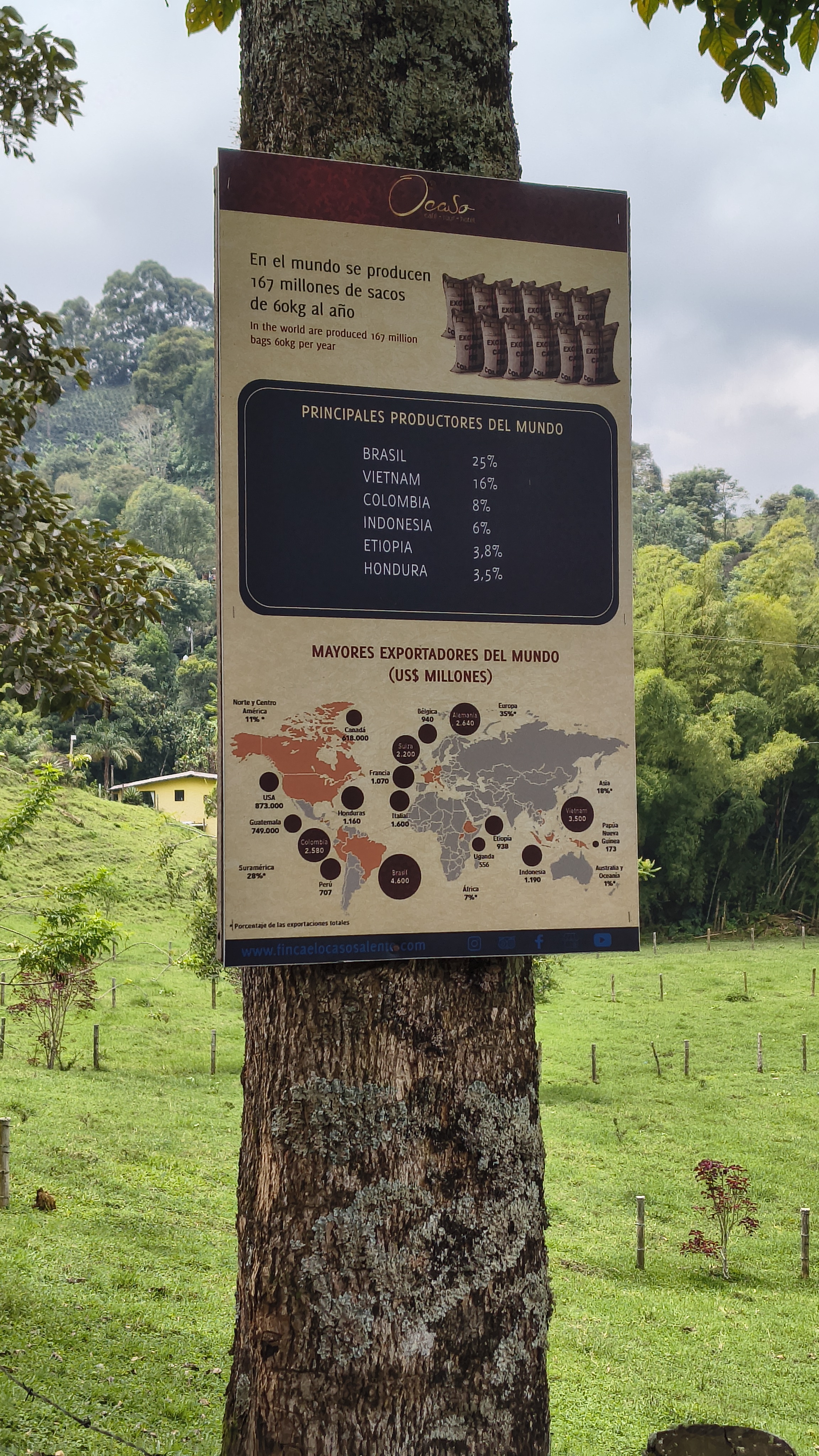
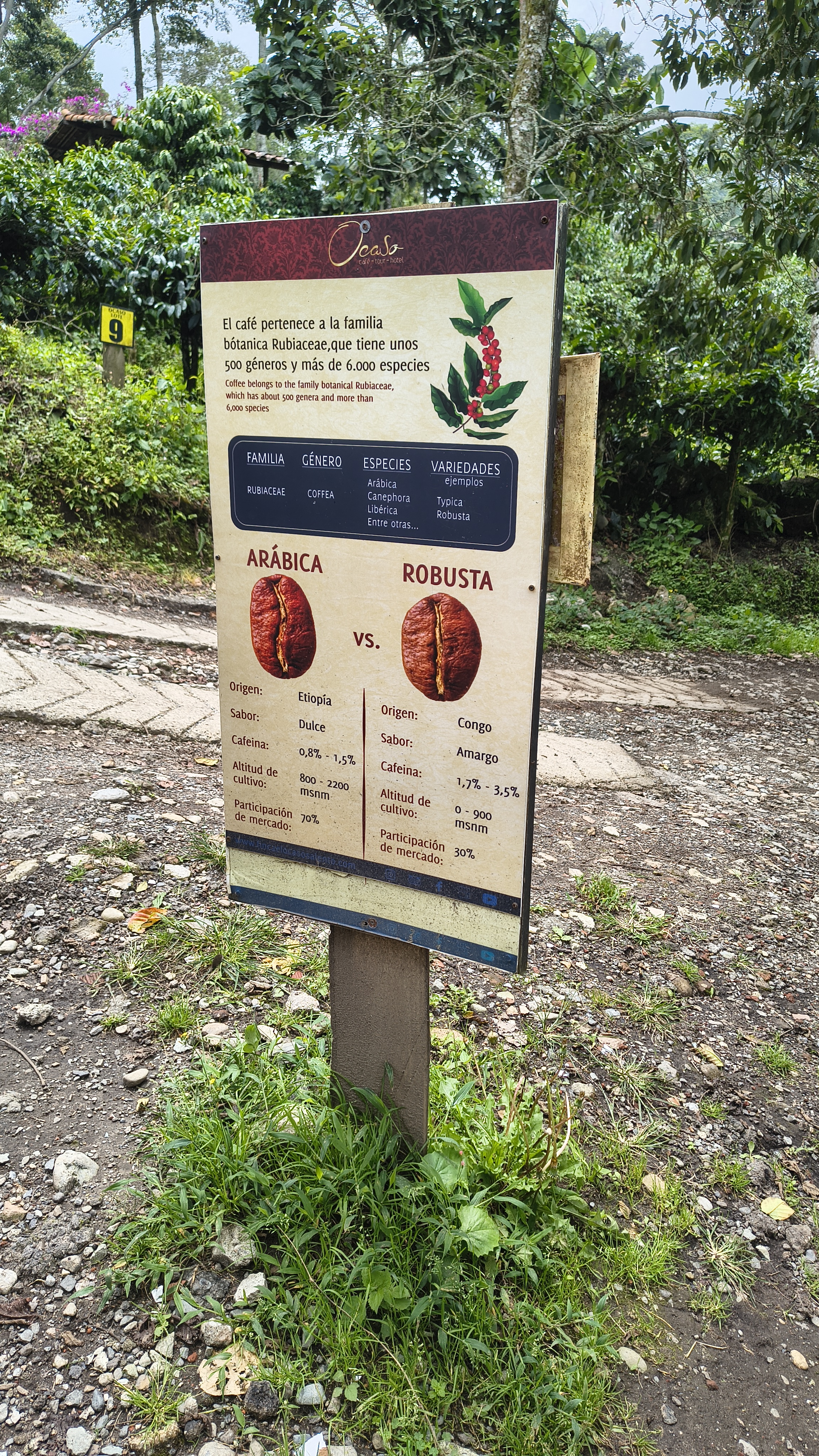
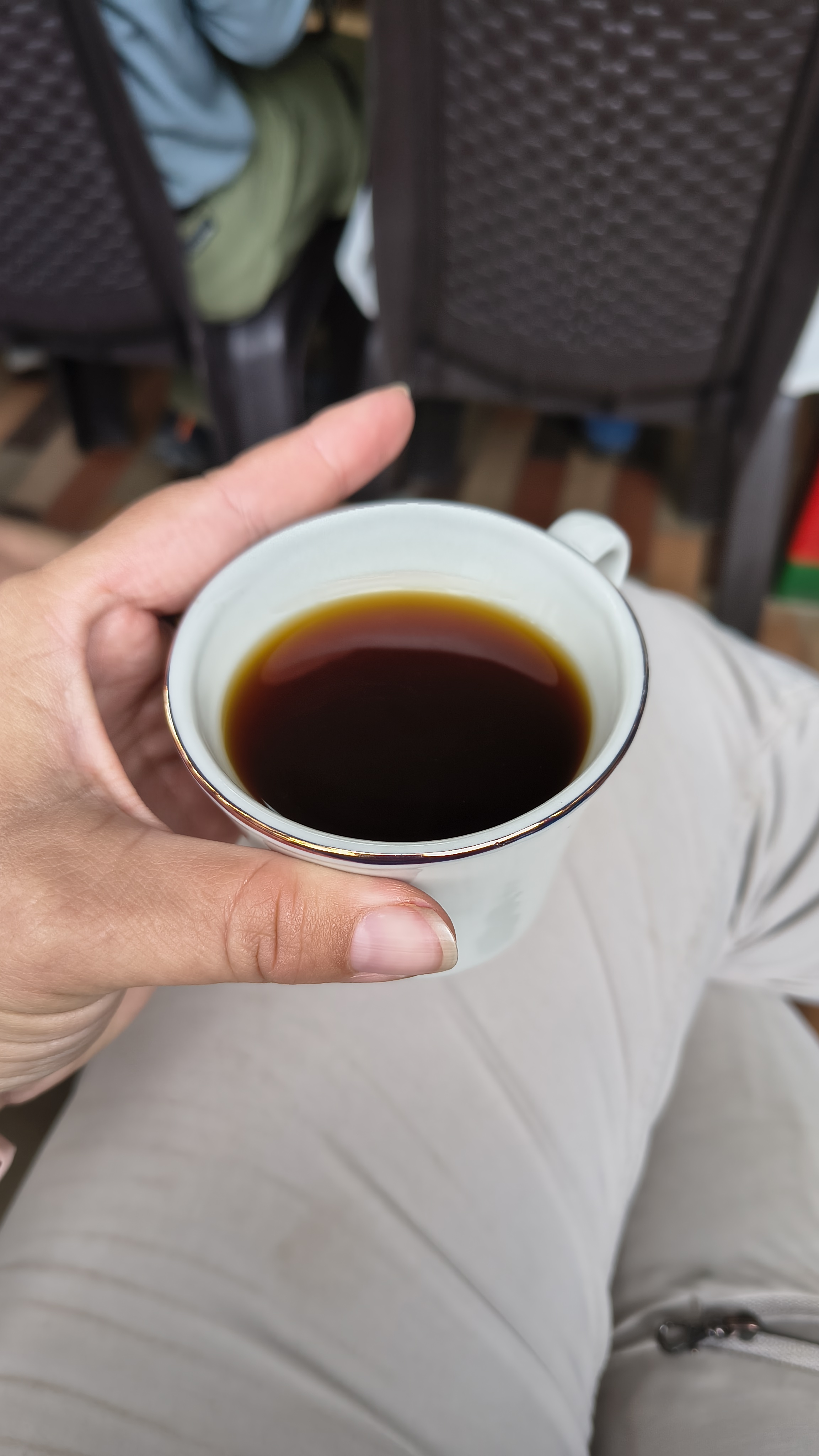
Another day we did a coffee tour. As an avid coffee drinker, I am interested in how it is grown and produced. I thought our tour guide was extremely well-informed and good at talking about the process. I loved feeling like I was in school. We learned about where coffee is grown, what kind of beans are grown, how the beans are processed, and how to actually make a cup of coffee. It was all very informative, and we were able to get involved and also taste coffee as well. I learned that to really taste the coffee you are meant to slurp it into your mouth to aerate the flavours and textures.

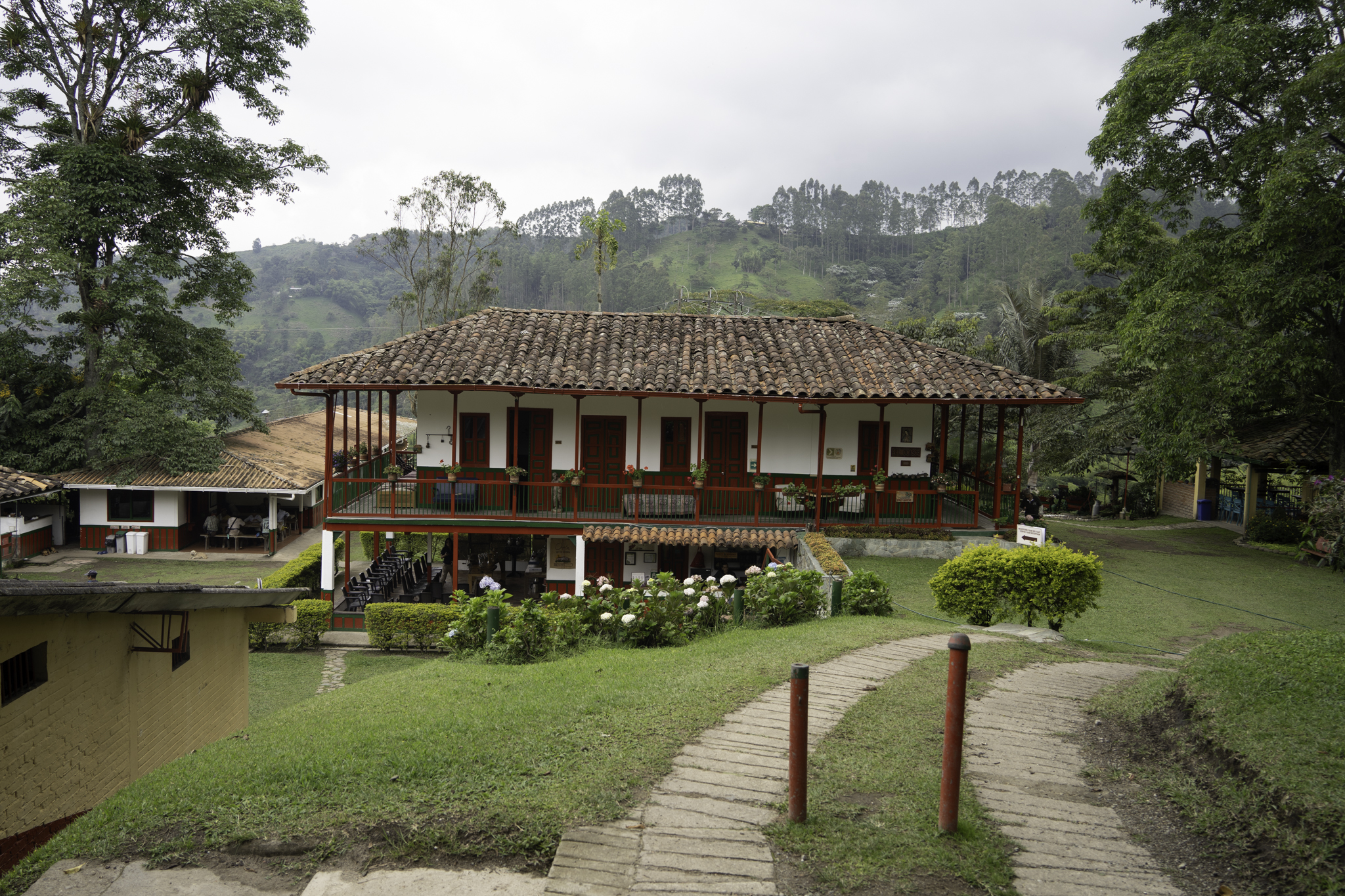

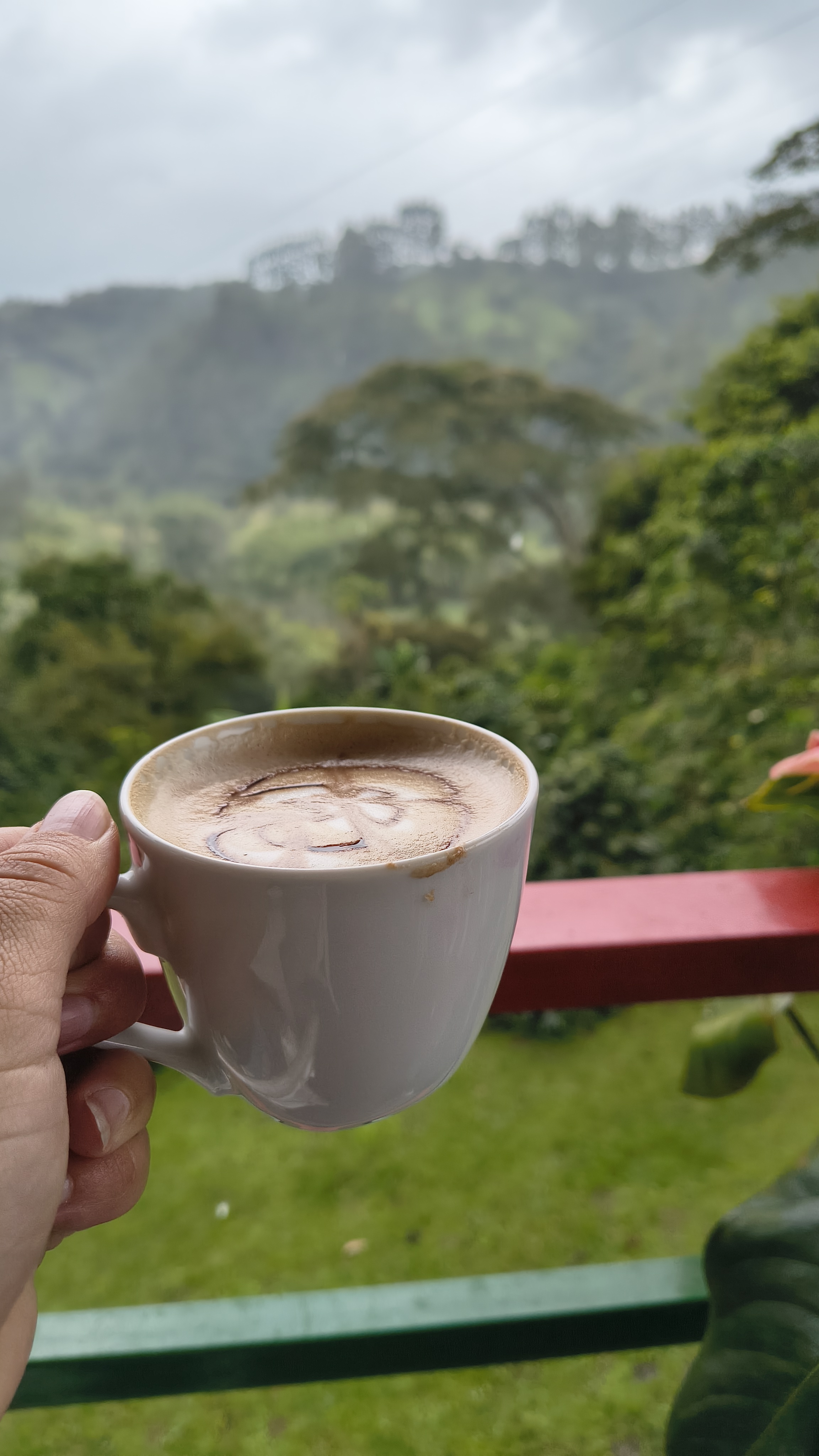
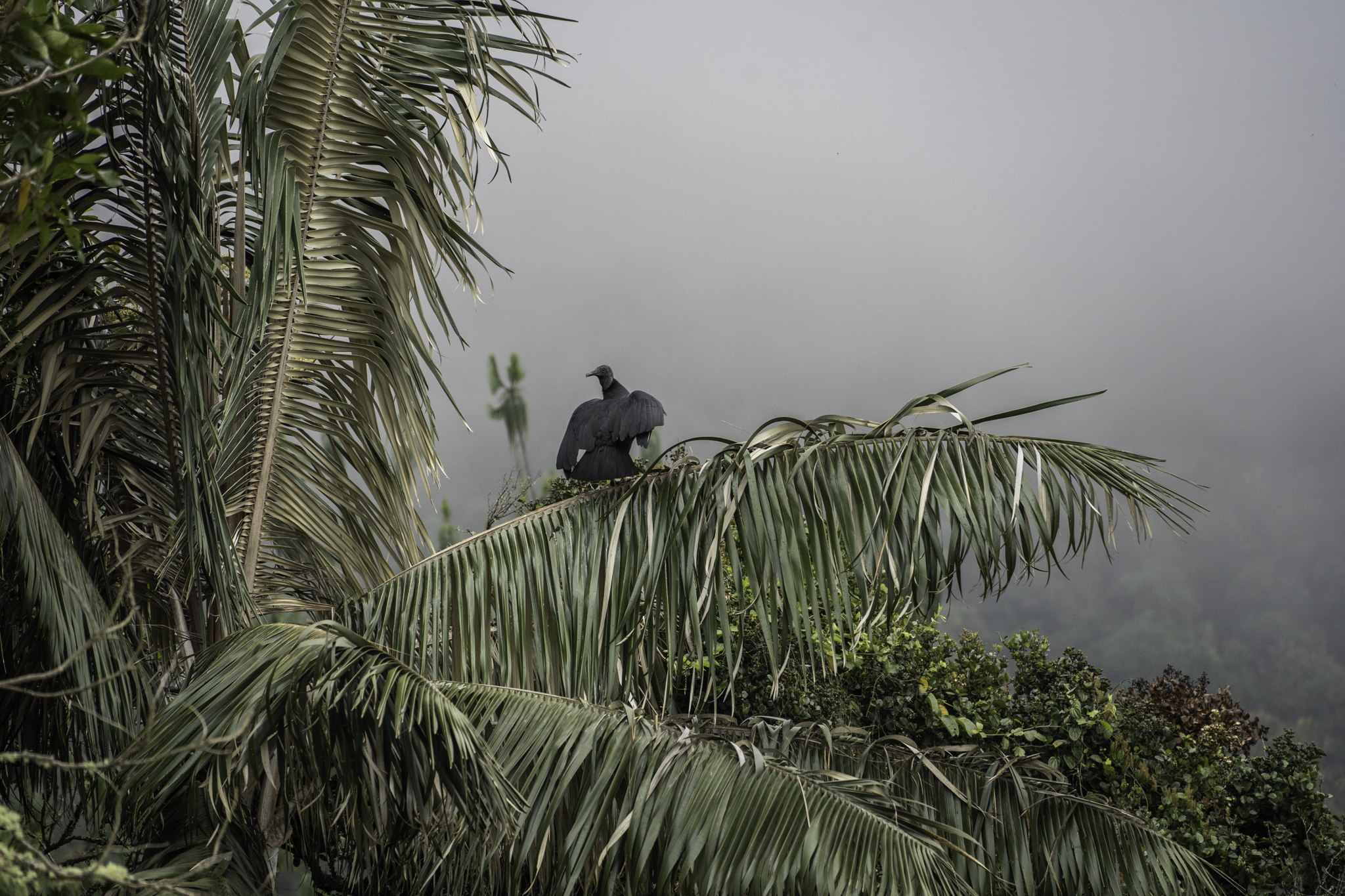
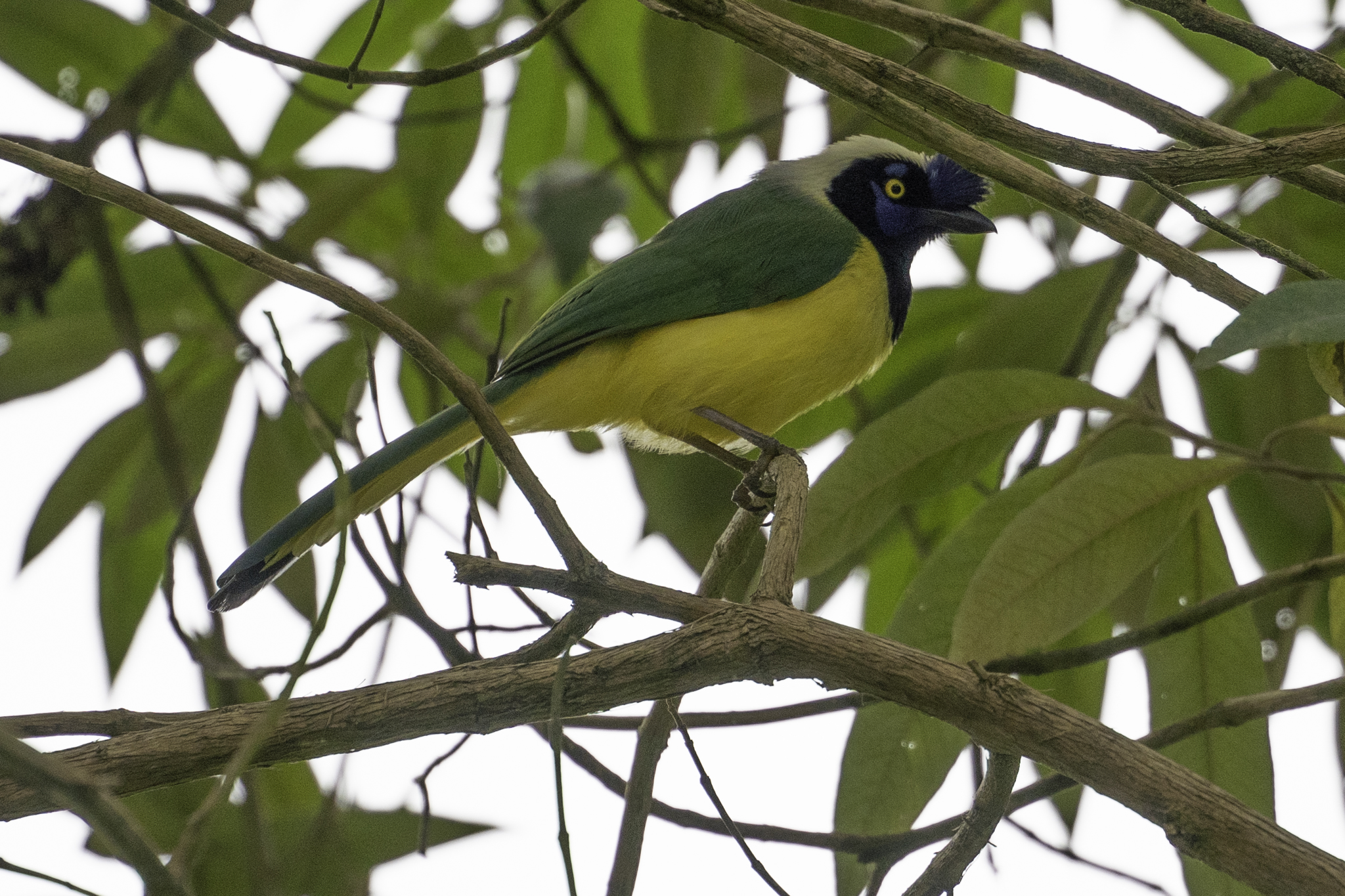
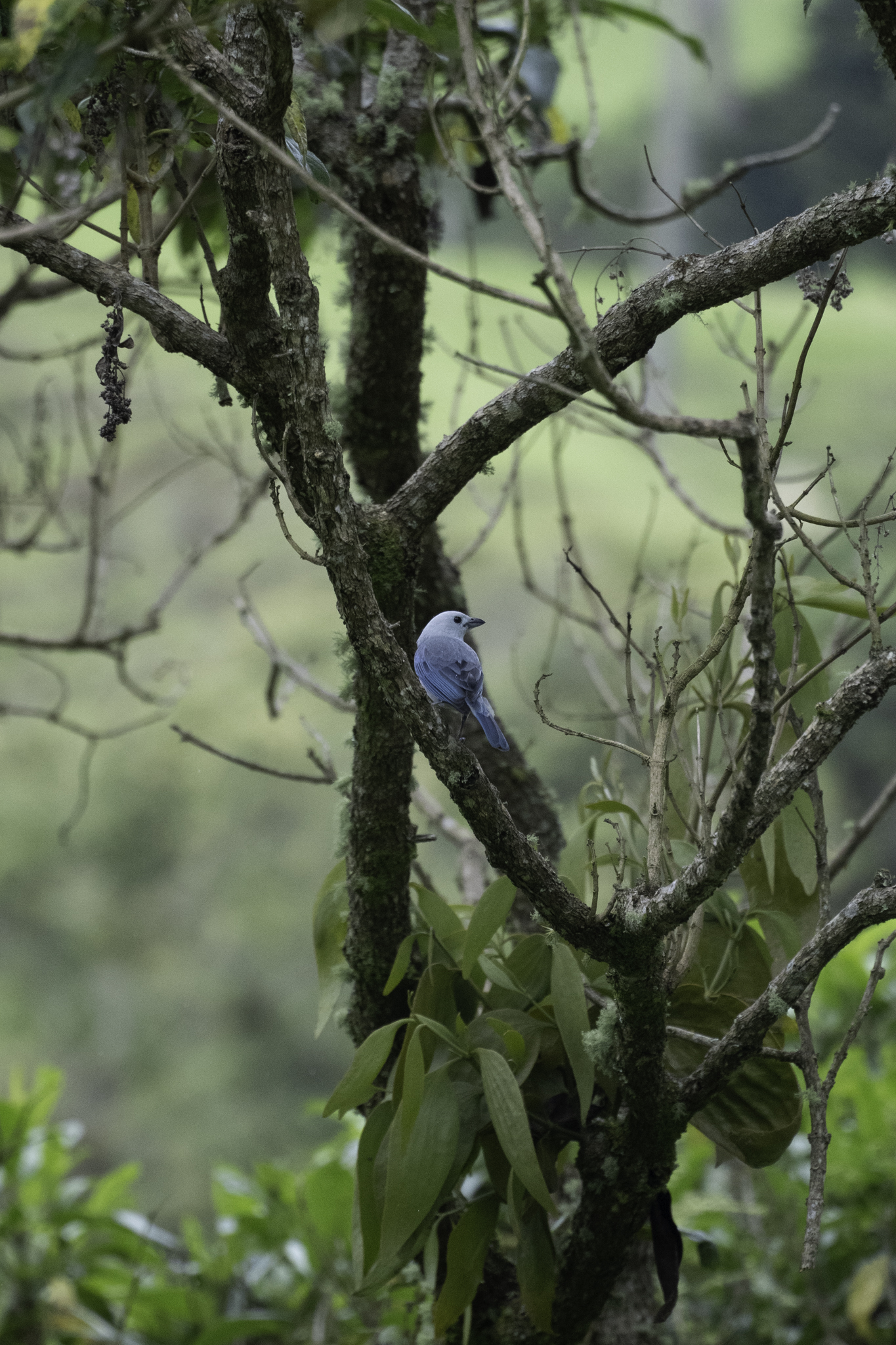
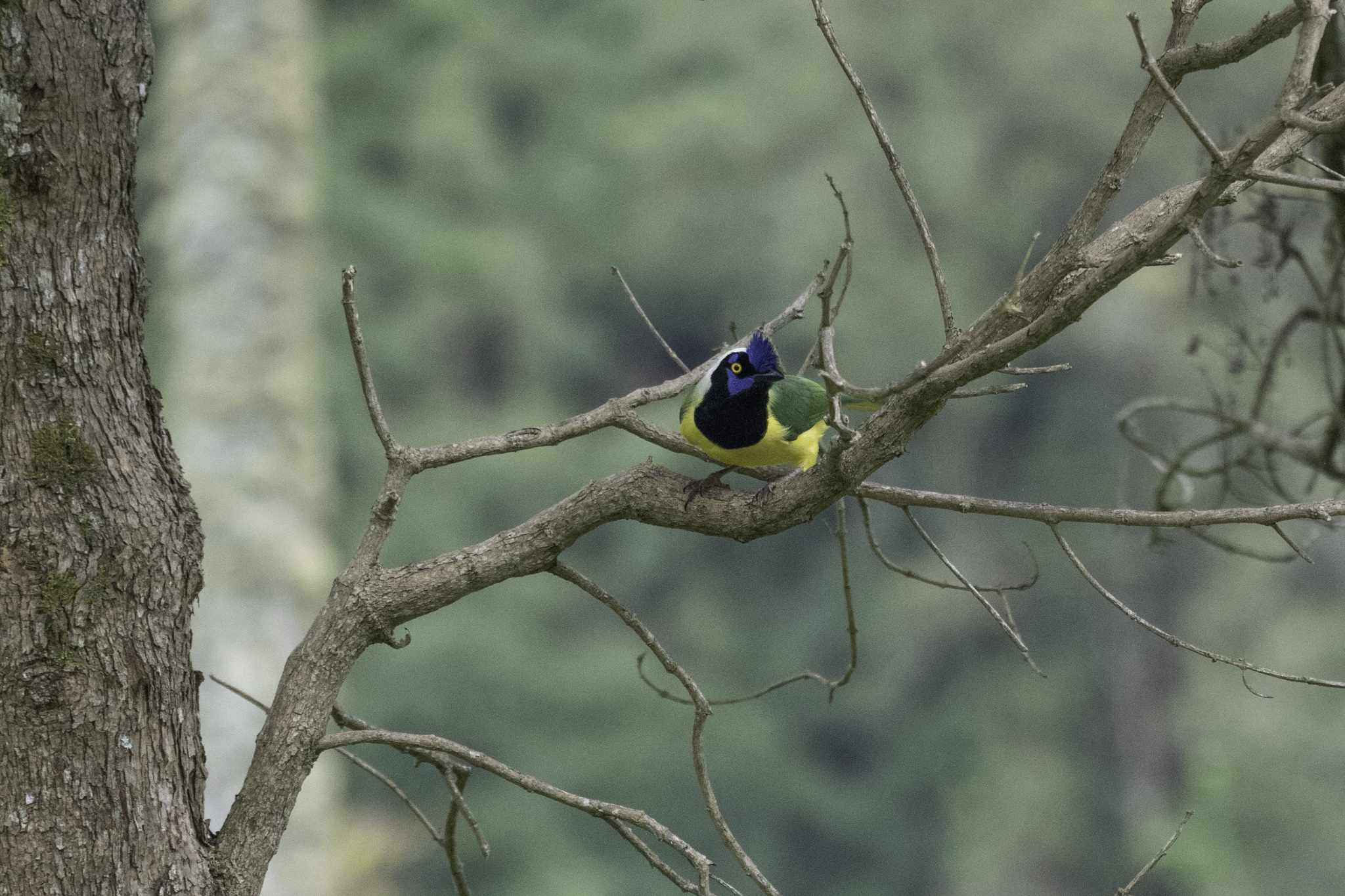
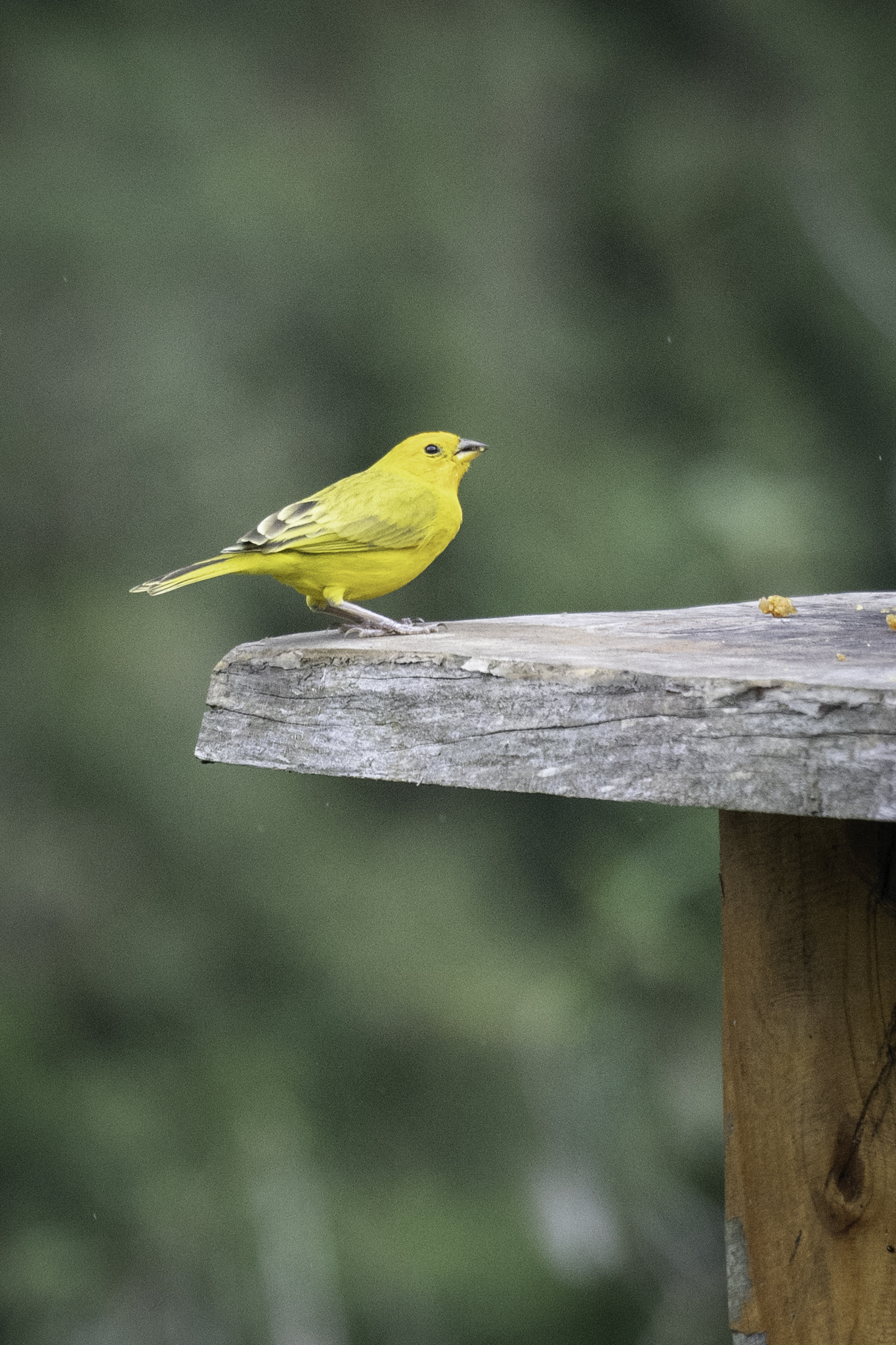
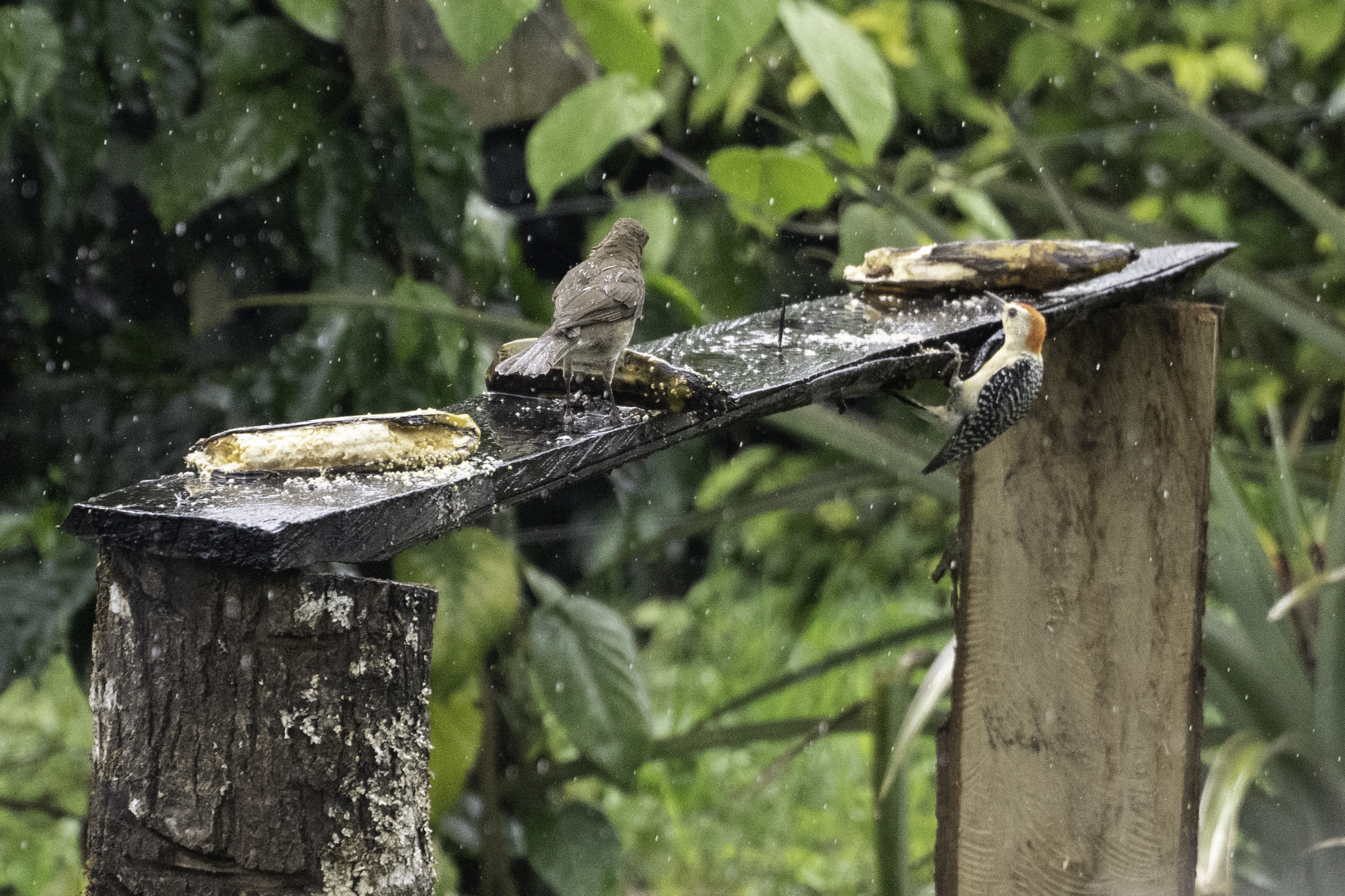
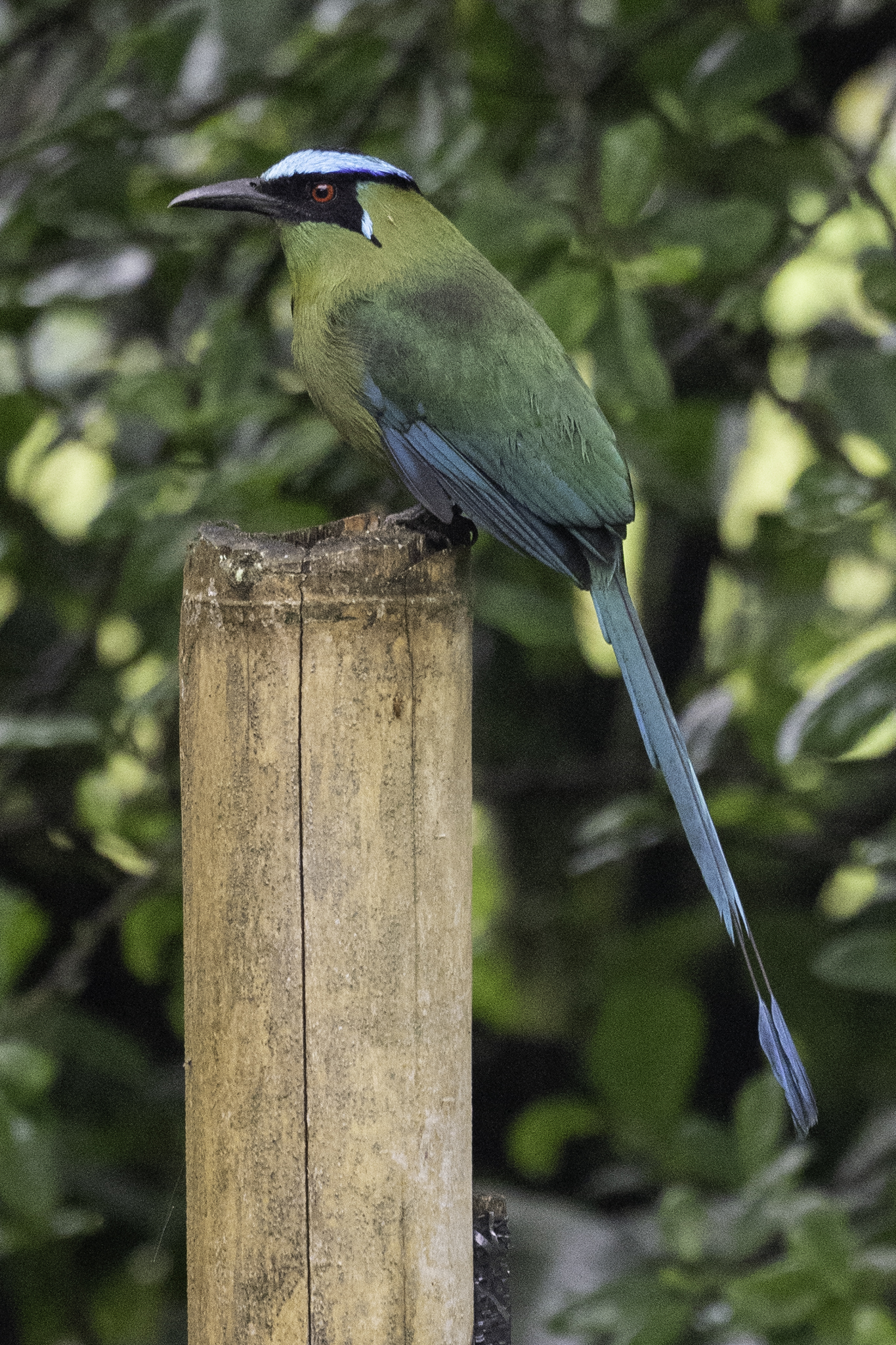
Despite the hilly walks we had to do, I really enjoyed Salento and staying where we stayed provided a lovely garden to sit in front of, watching the incredible birds that live in this part of the world.
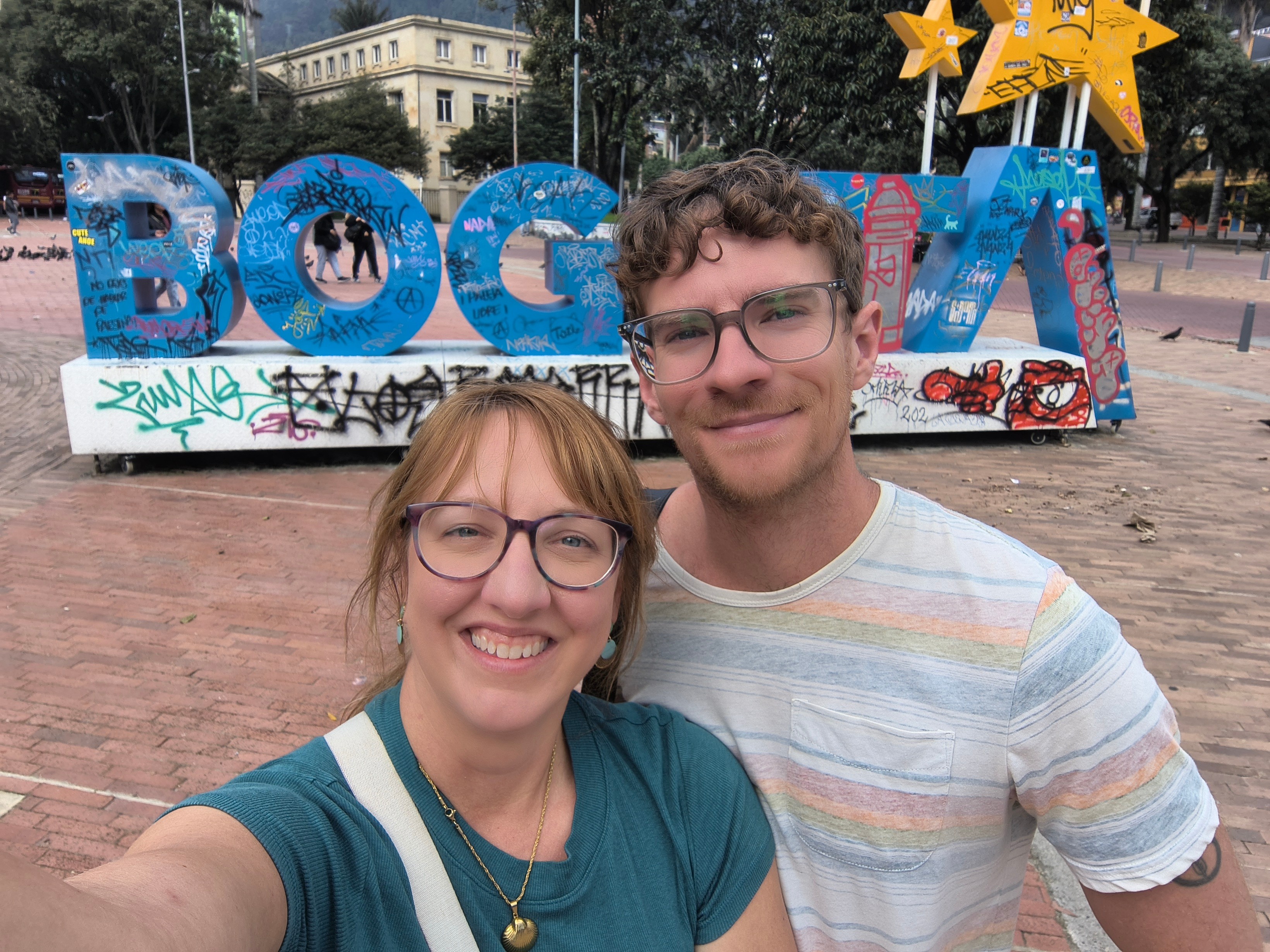
Our next and final stop in Colombia was to visit the capital of Bogotá. By this time of our trip, we were quite burned out from travel and didn’t have a lot of energy for exploration or activities. We stayed in a hotel this time, taking a break from cheaper accommodation and enjoying our room.
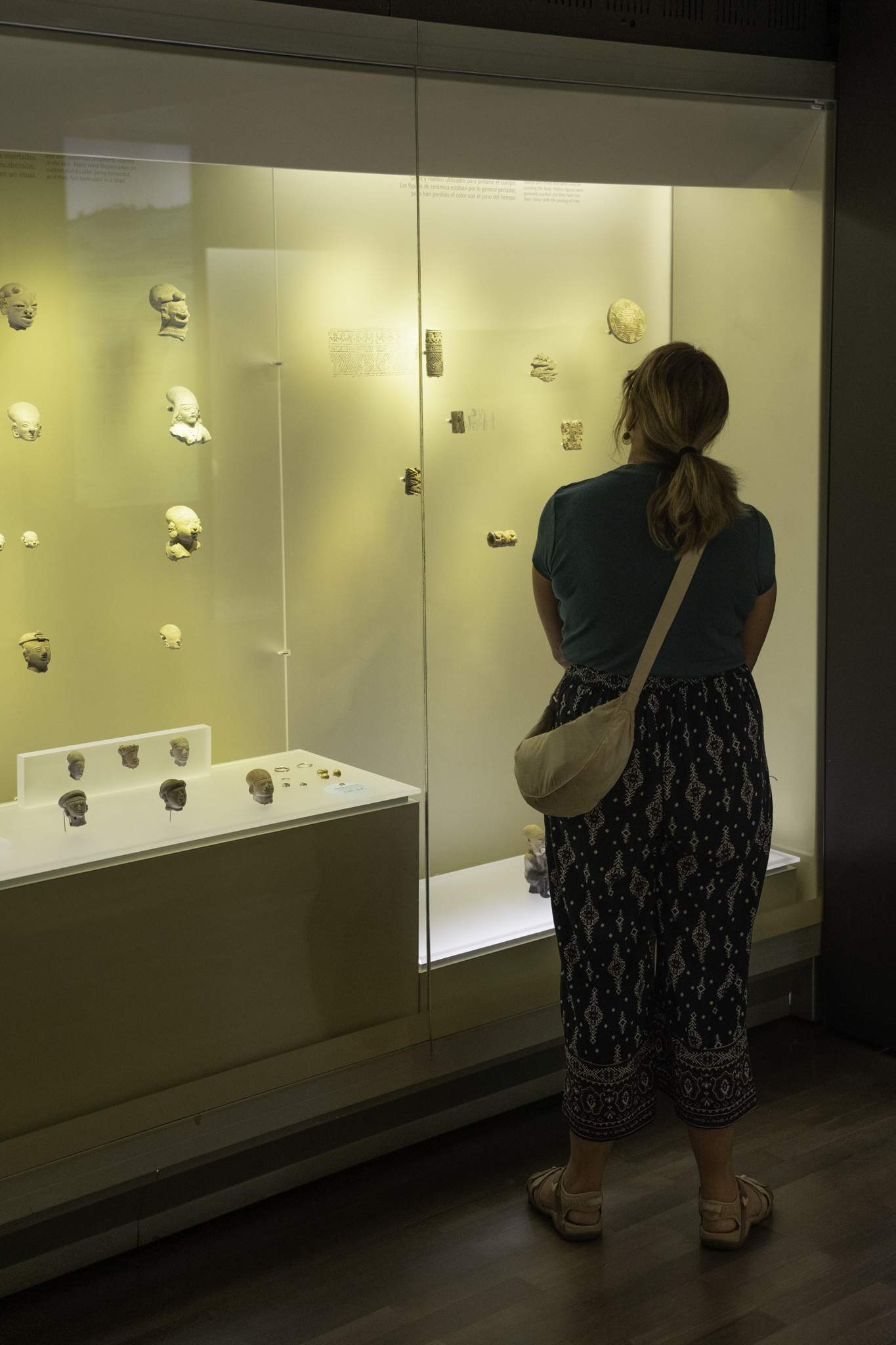
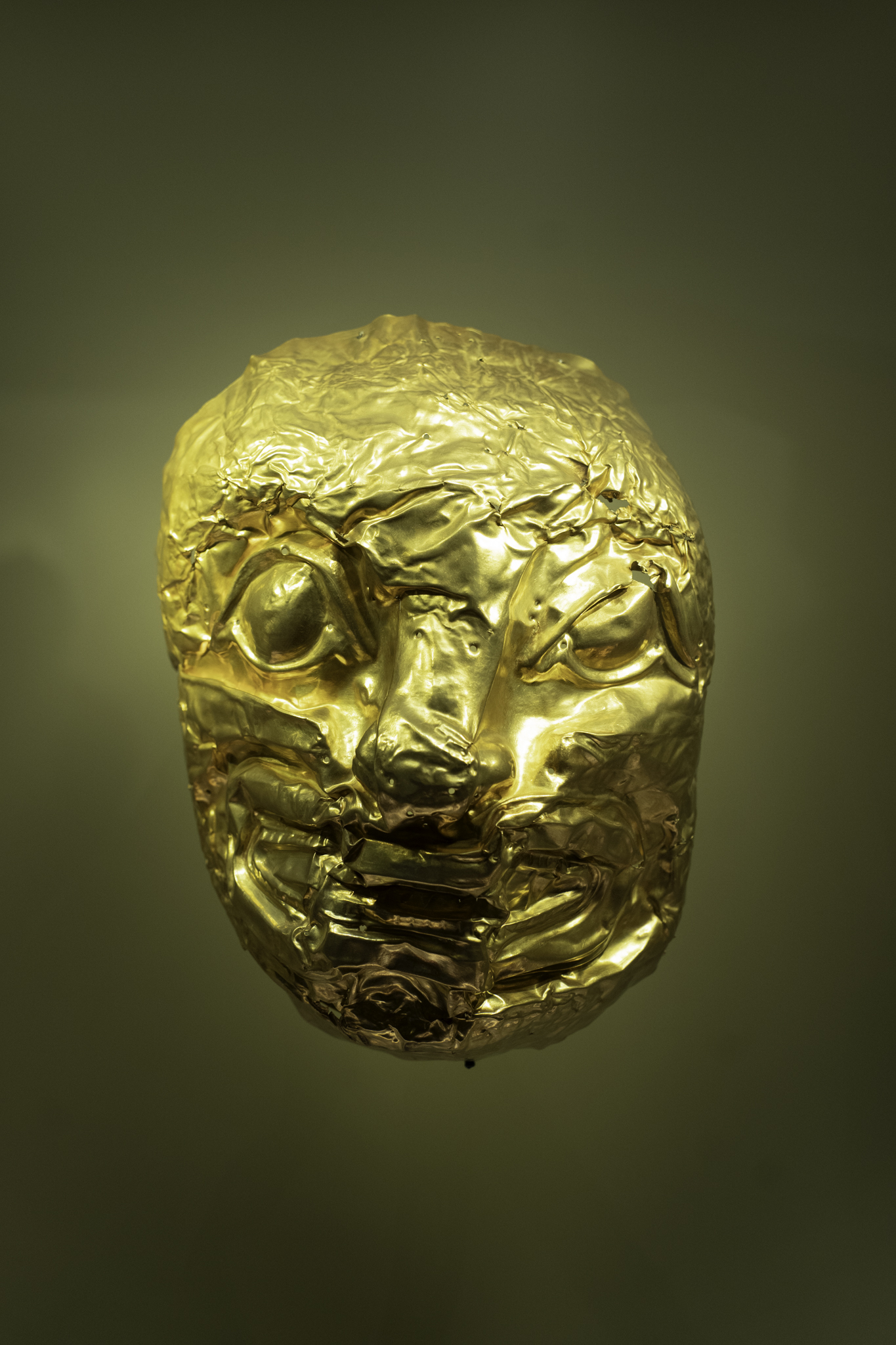
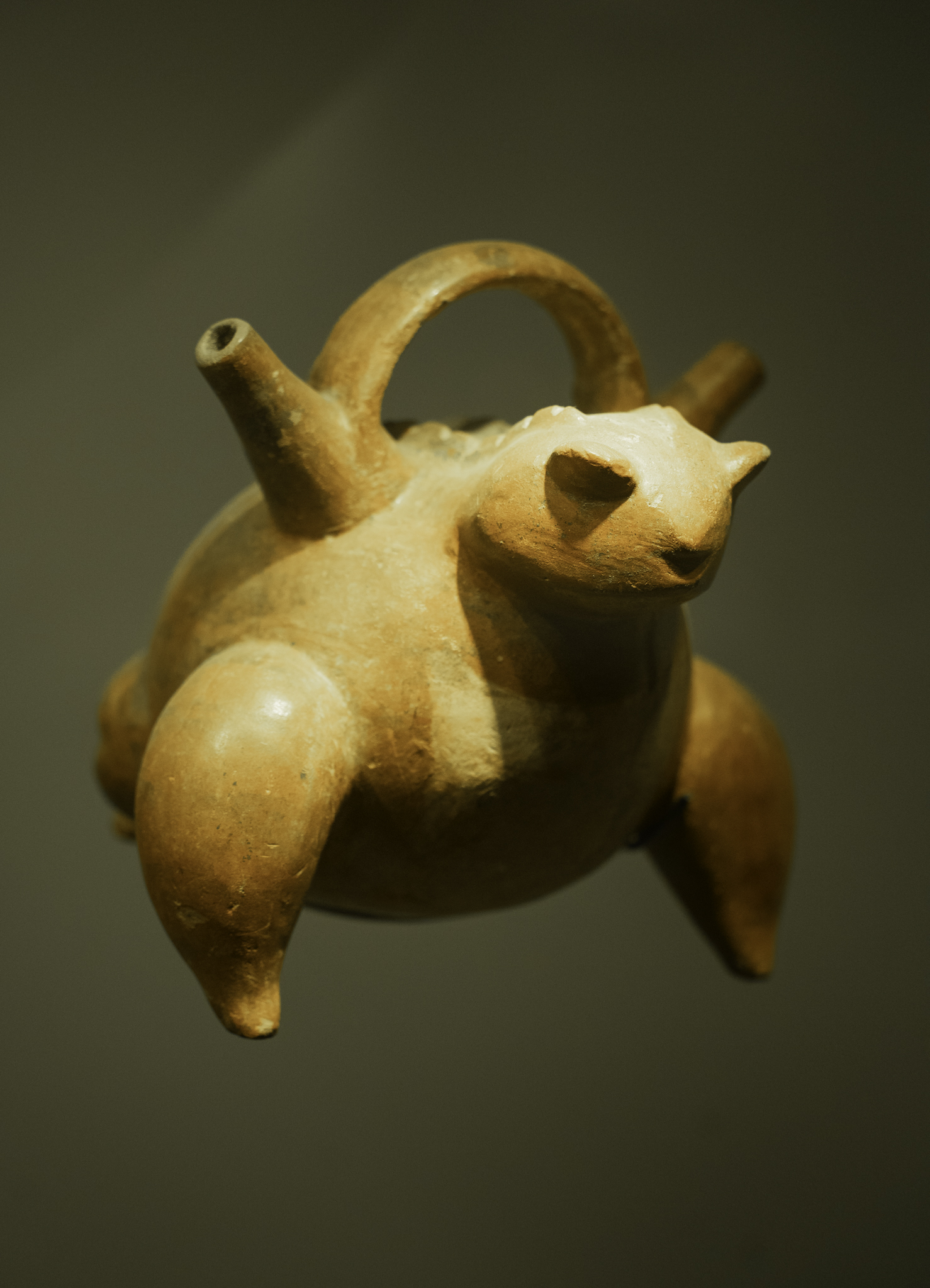
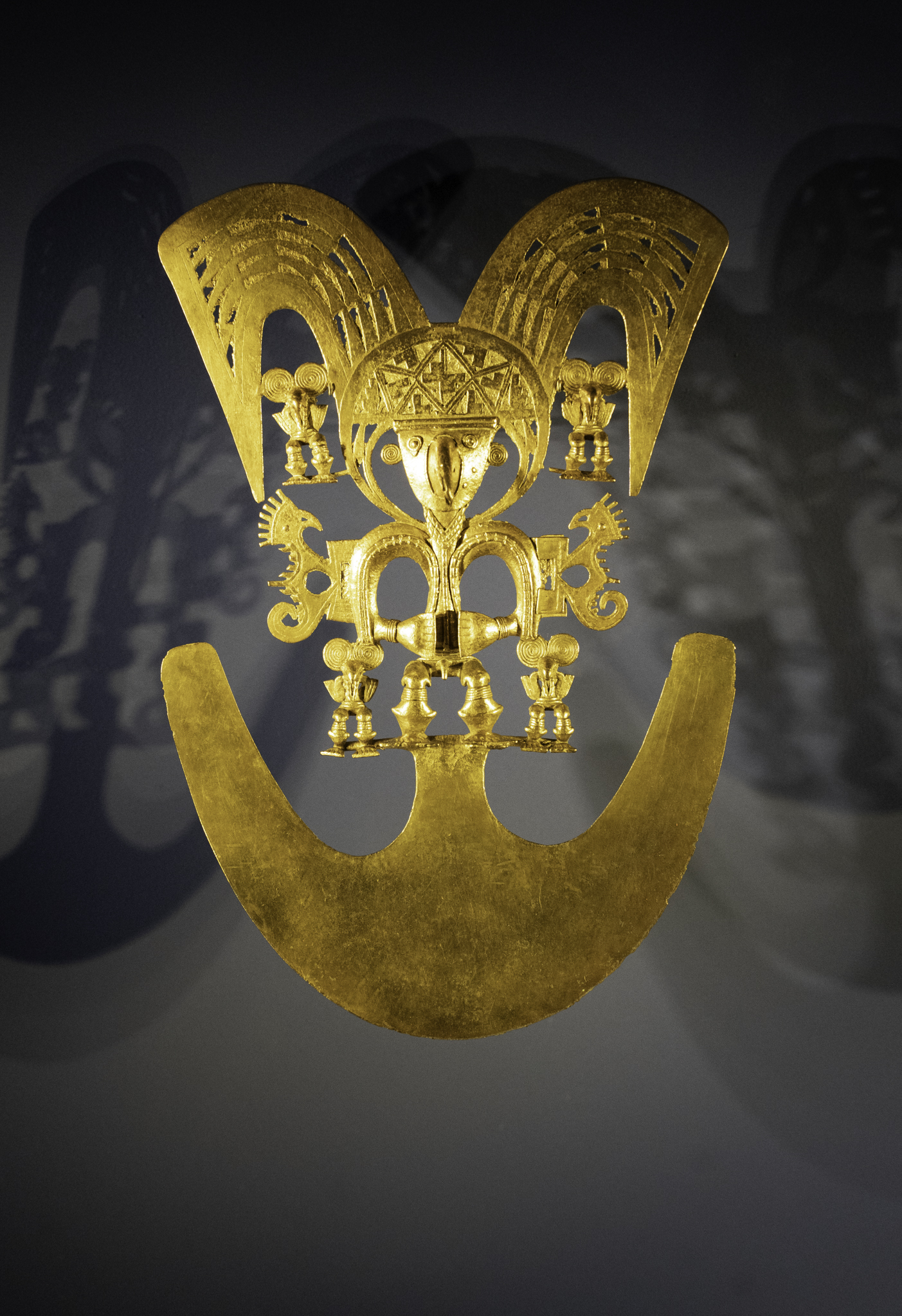
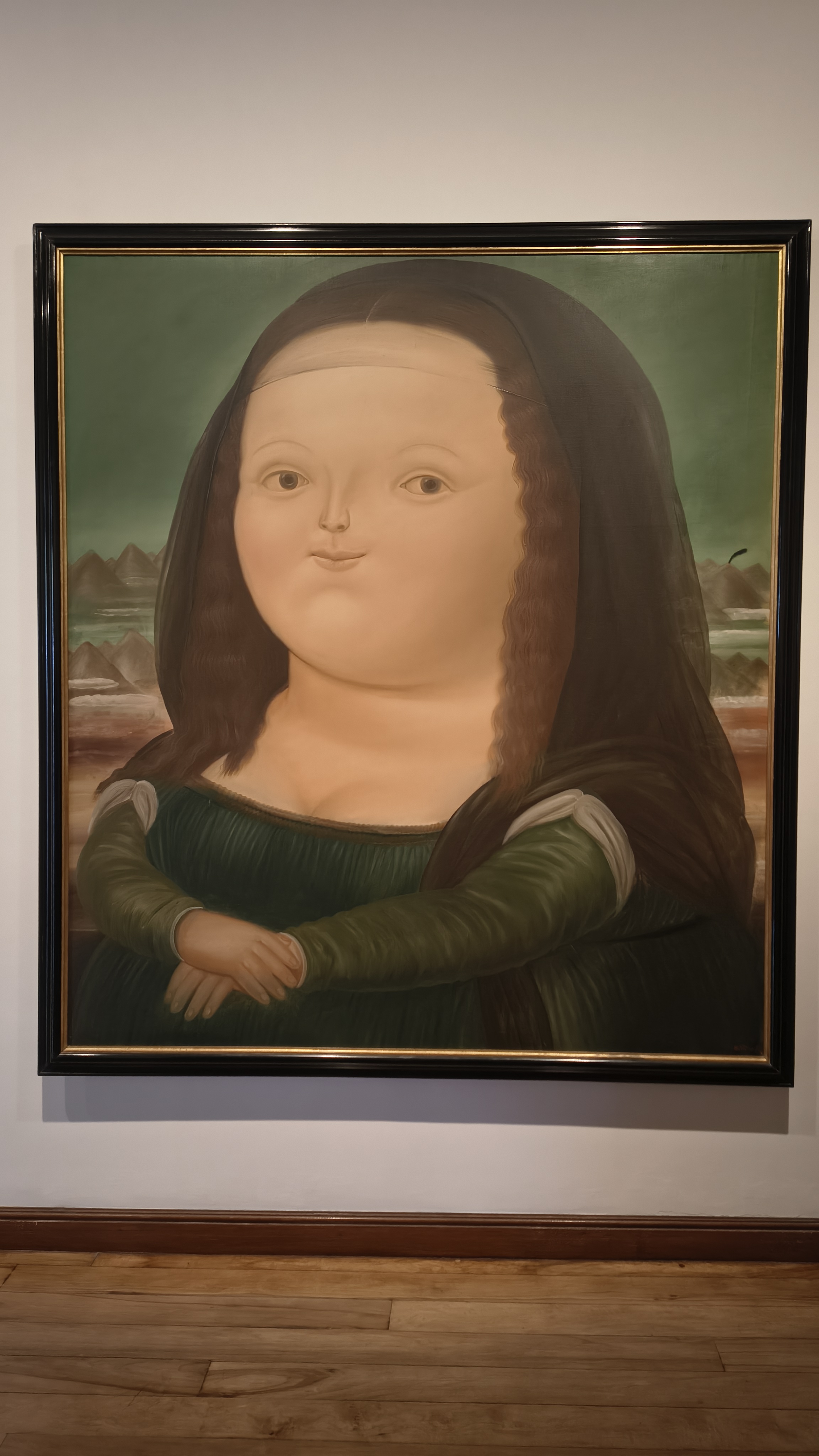
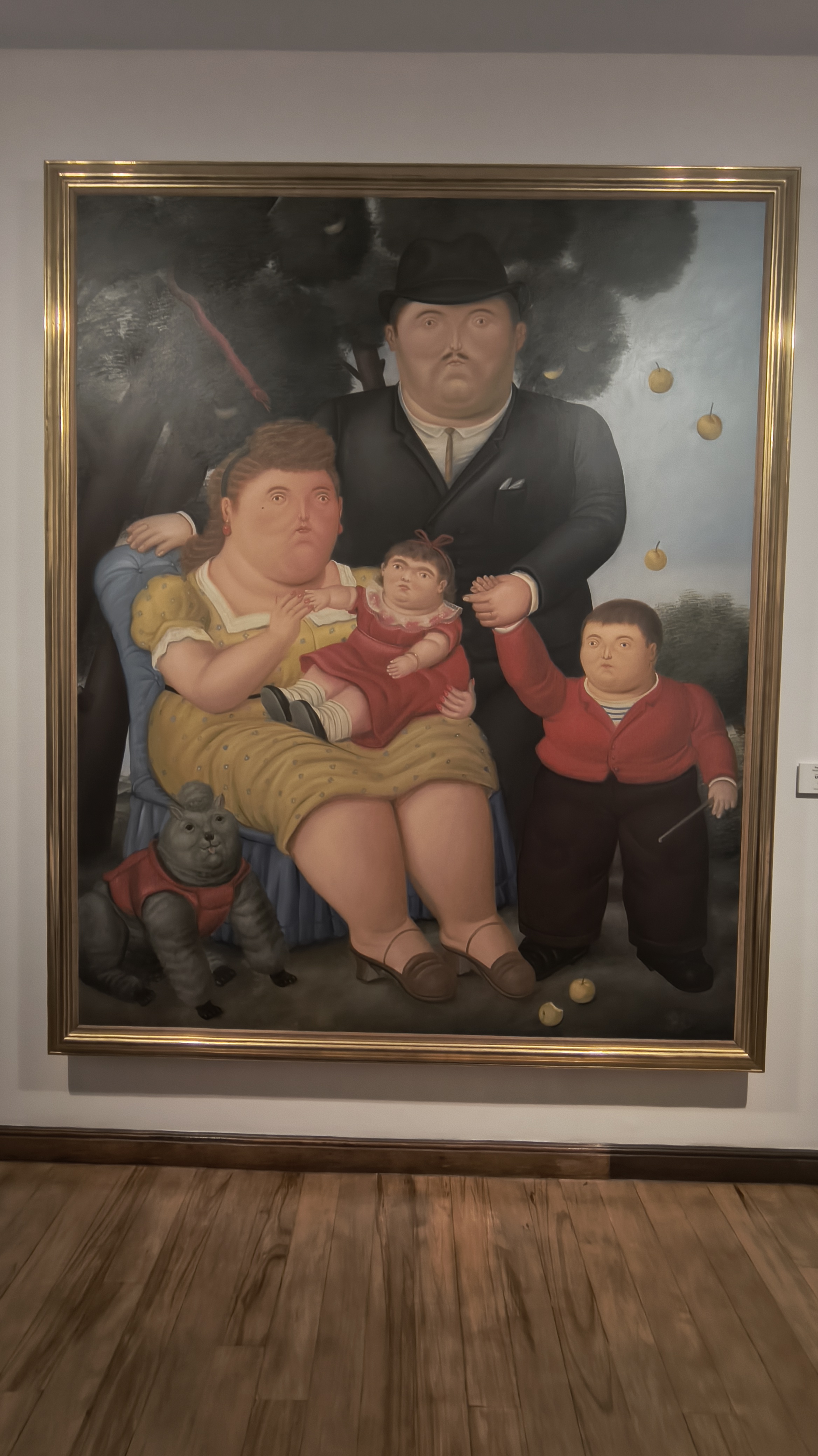
We walked around our little area of Bogotá a bit, but didn’t do much, except to visit the Museo del Oro (the gold museum) but the most interesting portion of this museum was closed for renovations, so we did not stay long. Thankfully the tickets were not too expensive (about $2 per person). I also found another Botero museum–one I was allowed to take pictures in–and found a print shop to buy some art, which is something I try to do in every country we go to.

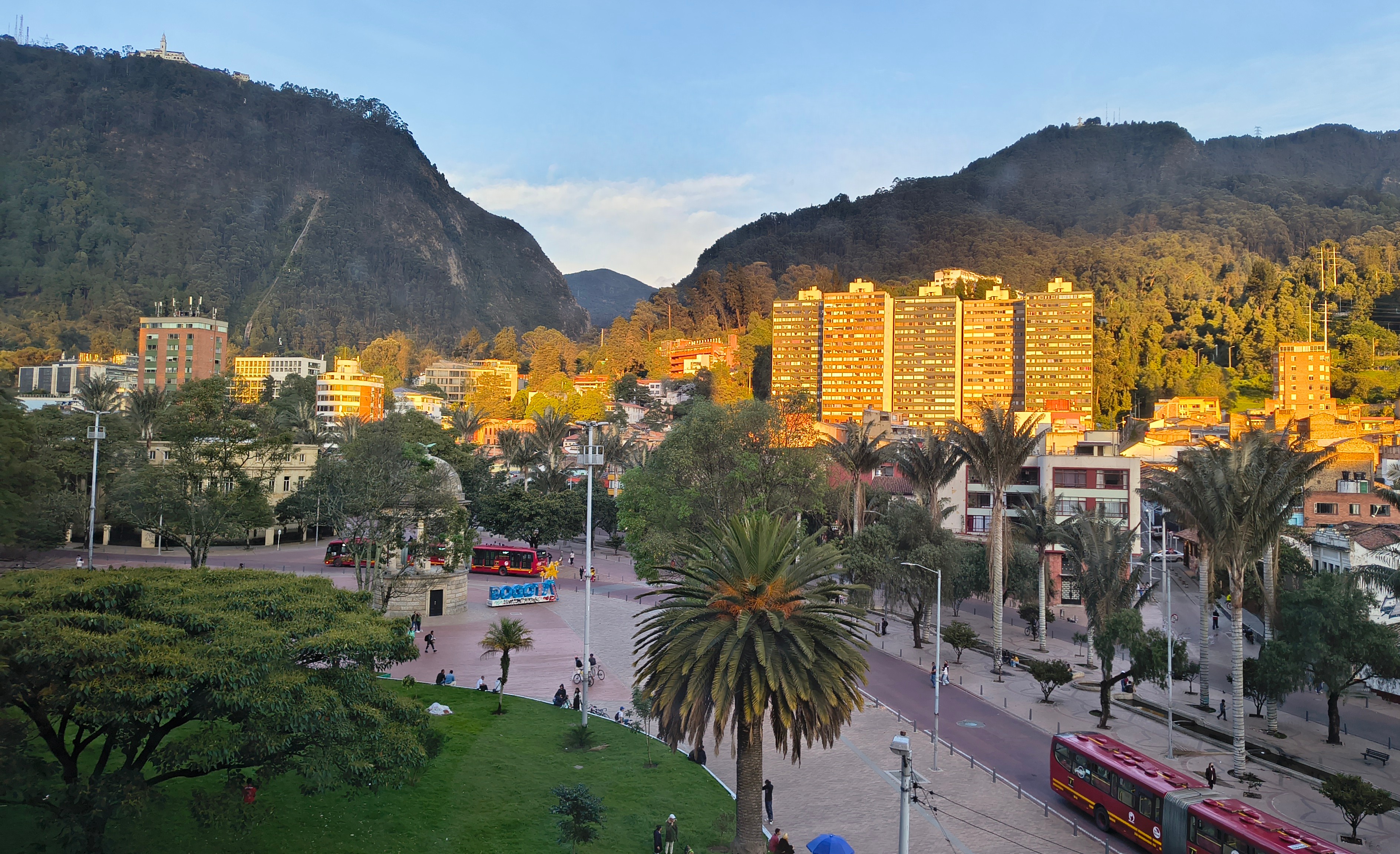
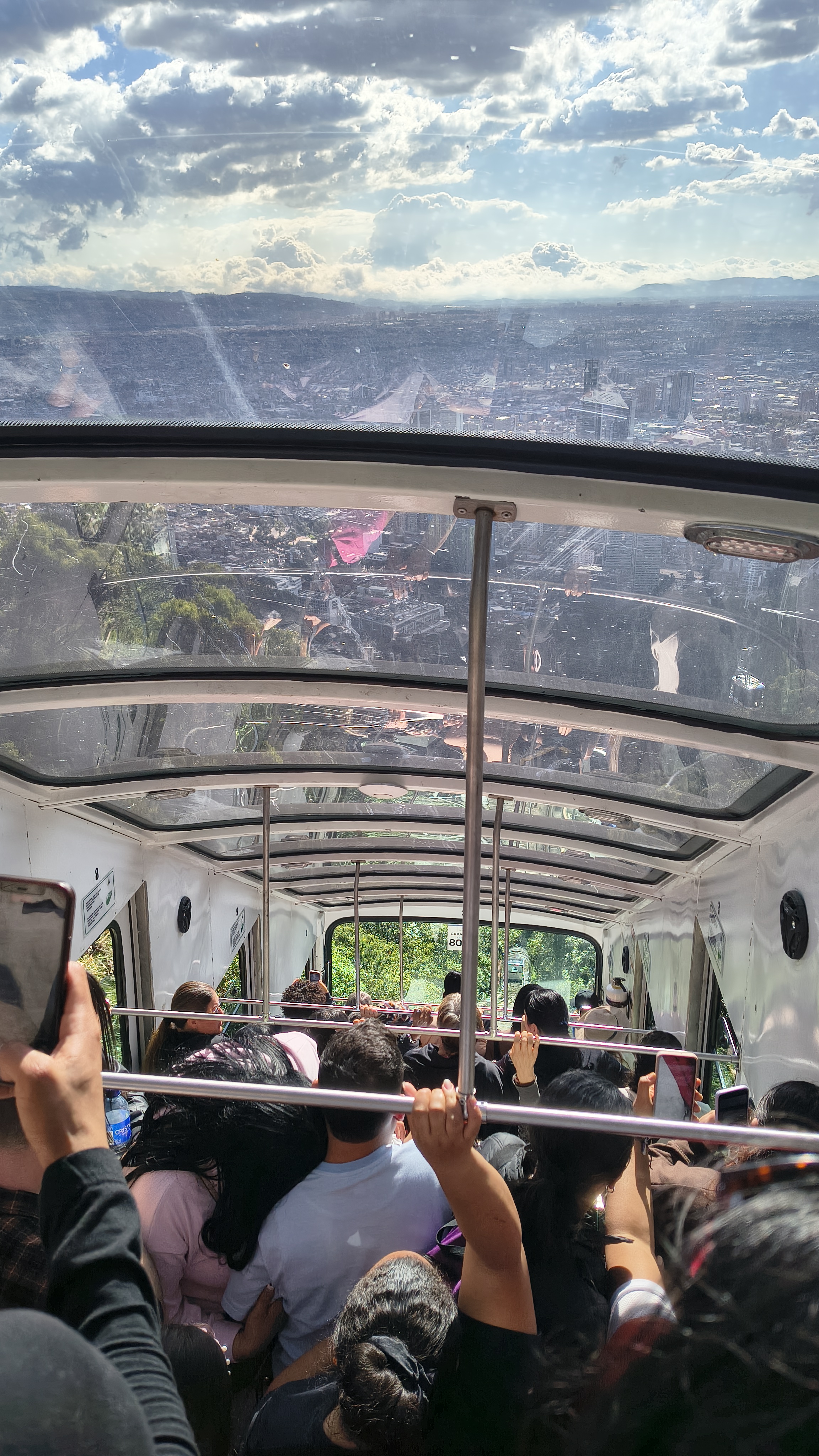
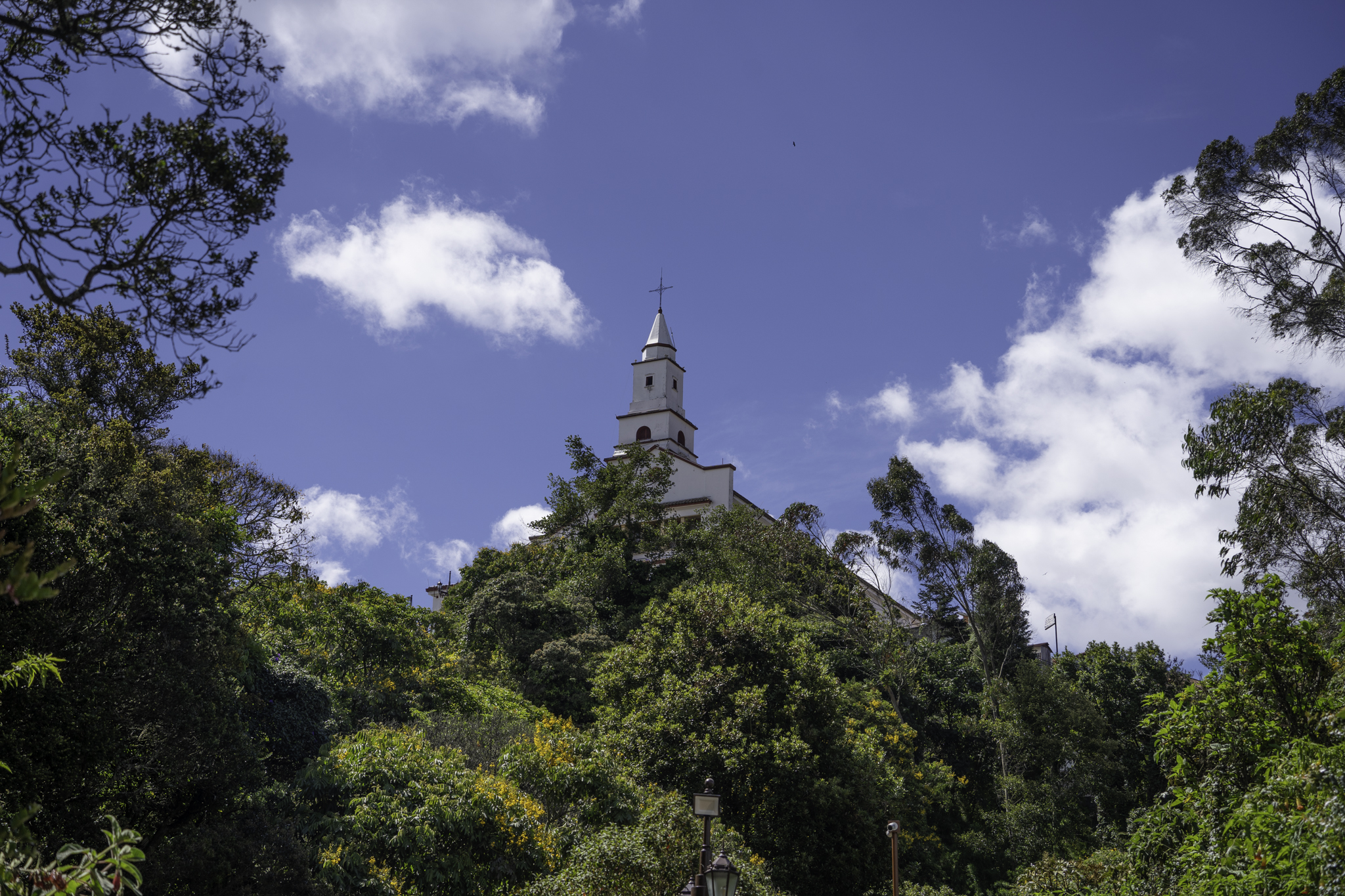
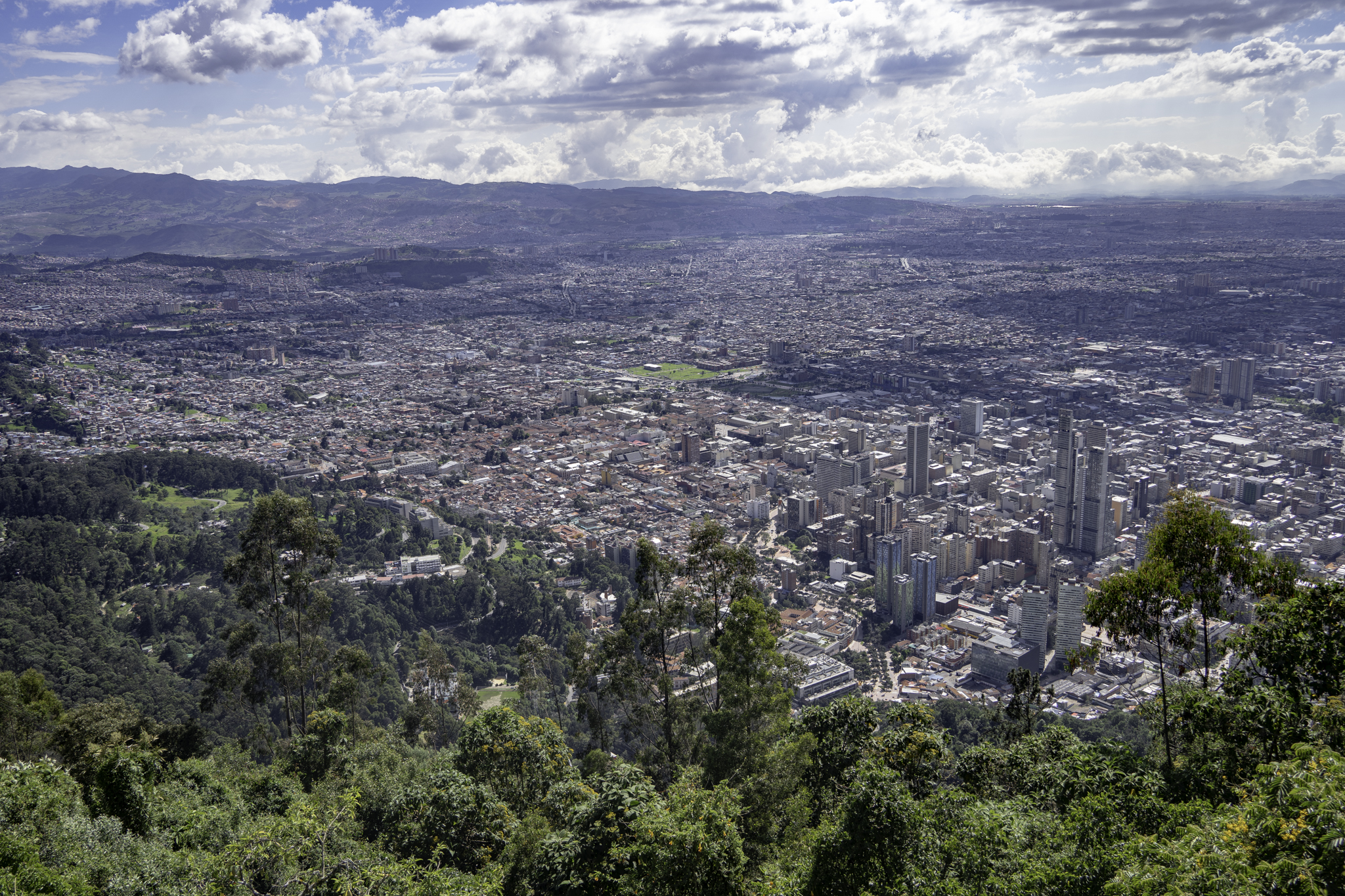
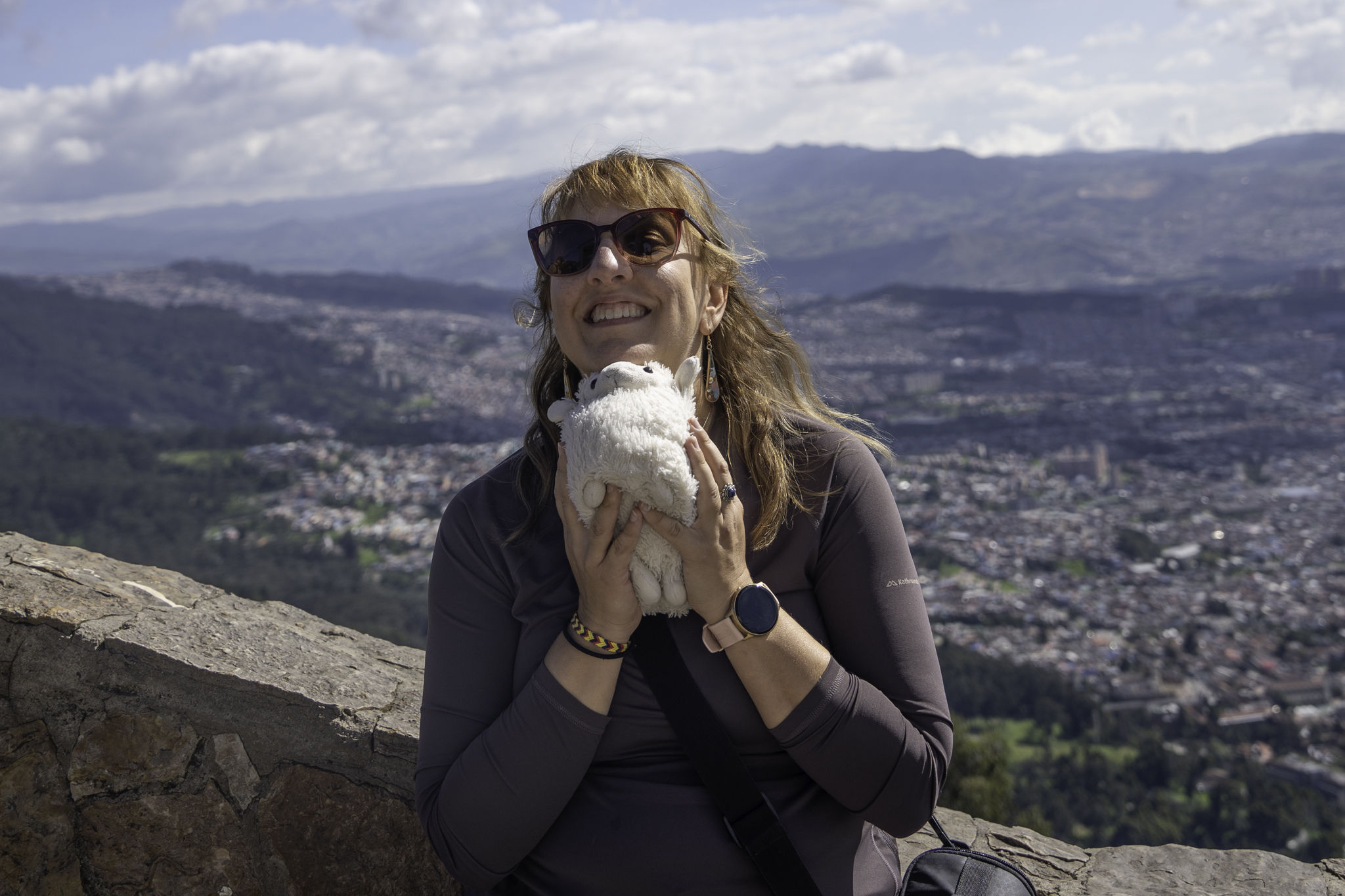
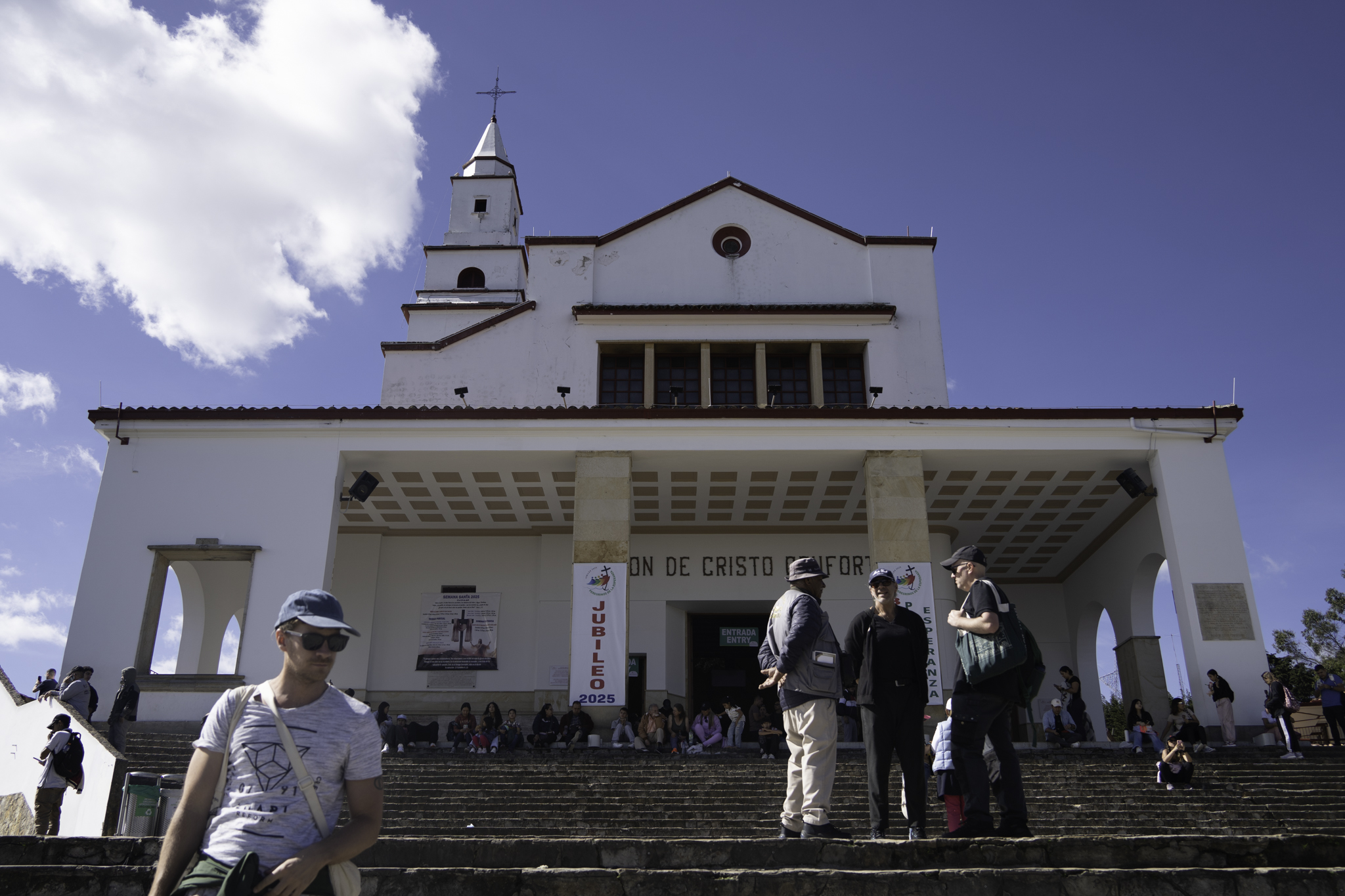
We also trekked up to the ticket booths of the gondola and funicular to get up to the Monserrate Sanctuary, a Catholic shrine atop Monserrate Mountain. We could see the spire from our hotel room window, and finally on our fourth day in Bogotá, we committed to seeing it up close. It was okay. It was a bit boring, and the only thing up there is the church, and then a couple of places to buy ice cream, and a zillion tourist shops and cheap food. We thought by walking through all of it we’d get to a place where there would be a spectacular view or some amazing nature, but, when we walked as far as we could through all the tourist tents and local food stalls, it came out to an outcropping of some rocks and no view to speak of. What did people come up here for? We wondered. We traipsed back through everything and looked at the view from just below the church steps. The time of day did not render the view attractive as it was too sunny and hazy to really appreciate it. We stayed up there for as long as we felt appropriate, then stood in line for nearly an hour to catch the funicular down, do the long walk down, and returned hot and sweaty (and hungry) back to our hotel room. It was one of those FOMO moments…when you spend several days looking at something, you think you should go and see it. I would recommend going closer to sunset or not at all. If you’re deeply aligned with the Catholic church, it might be more meaningful for you. It was just okay for us.
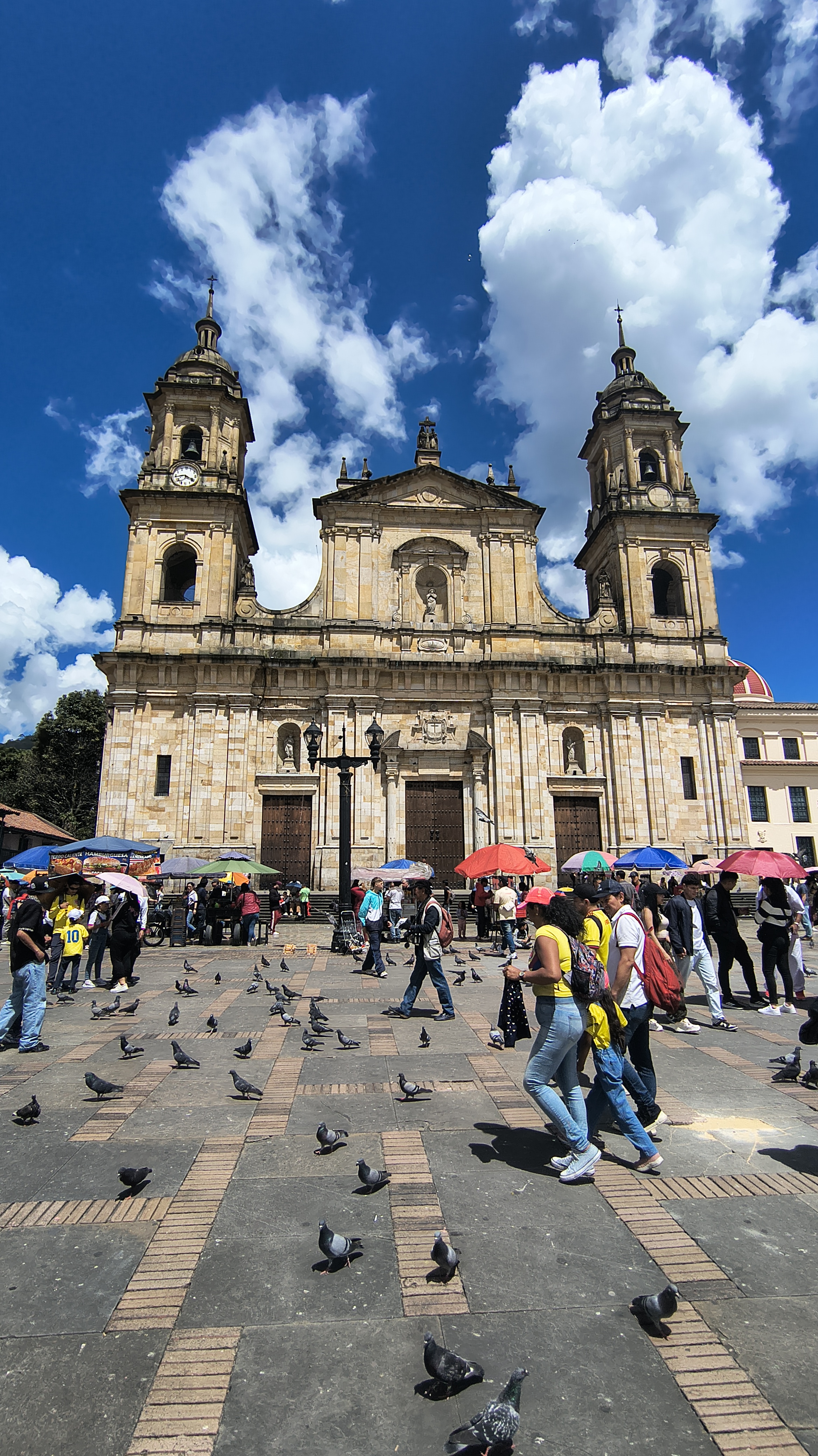
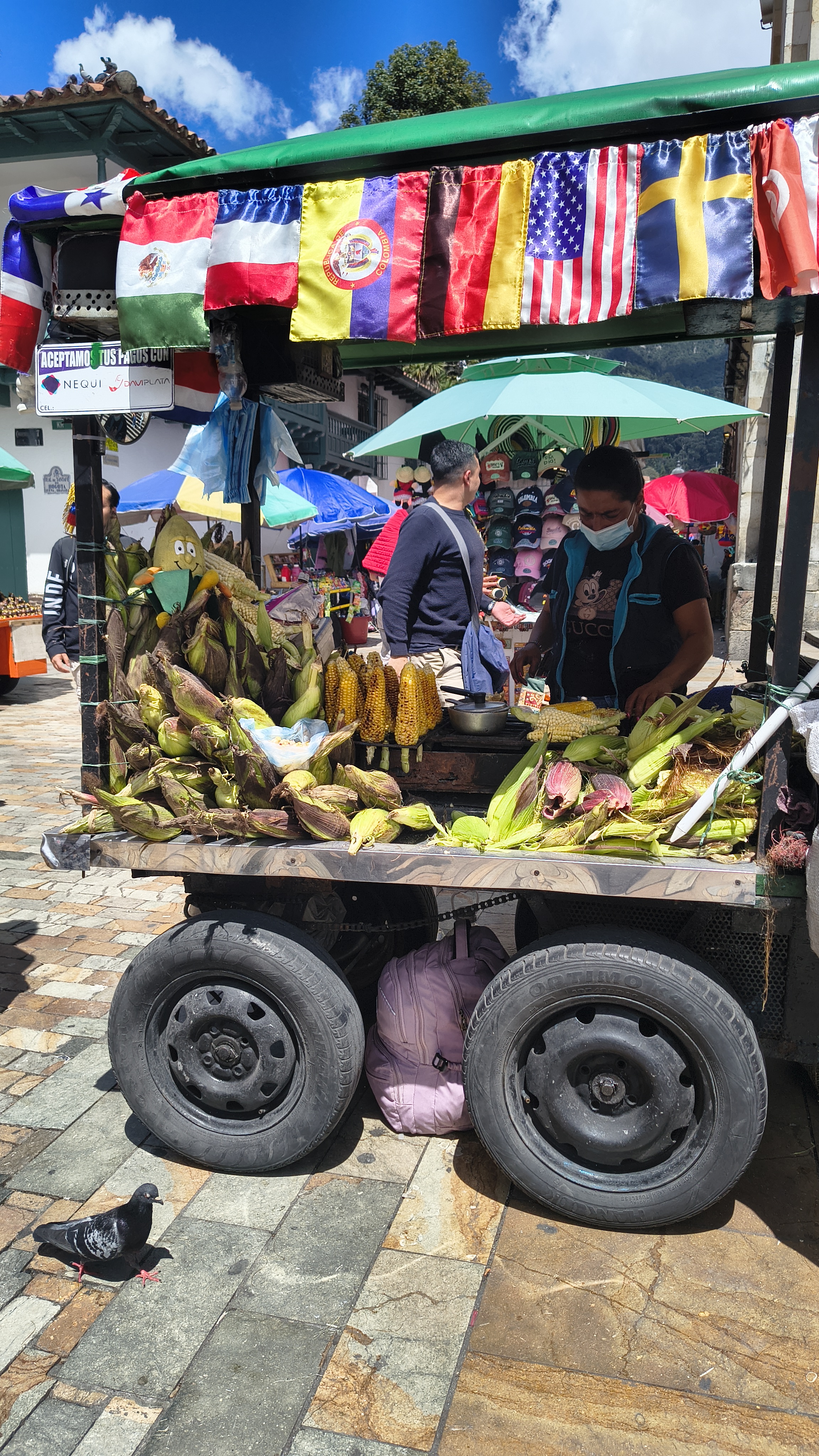


I do have to admit that three months in South America was perhaps too much for me. Not knowing Spanish was a hardship, and I found the cultures challenging rather than alluring after about 6 weeks. I was constantly surprised at how little English is known in this part of the world—it is very presumptuous and ignorant of me to expect people—young people, in particular—to know my language, I do realise. I would suggest to other visitors to try and learn a bit of Spanish before you go to this wild and fascinating continent. South America is amazing and we have now visited extensively twice. We noticed a shift in our ability to cope with it this time around. The first time was eight years ago. We were eight years younger, eight years less knowledgeable, and more willing to put up with hardships. I would suggest that South America is a place for one of two tourists: young people with vim and vigour, or, older travellers with a big budget. We are in the middle of these groups so found many things to be uncomfortable and at times difficult. Don’t get me wrong: we had a great trip and are thankful for our experiences. We got to go to a few once-in-a-lifetime places. However, after three months I was more than ready to move on to a country where I was understood when I spoke, welcomed when I arrived, and overall, familiar to me.
 Travel Bugs