We flew into Medellin from Cartagena as it was a fairly cheap, one hour flight. We stayed in Comuna 14 in El Poblado, which is one of the safer areas for tourists to stay. We had a small but serviceable apartment just a 15-minute walk away from the trains.
On one of our days, we tried to go to a museum which Callum had read about being important. We wanted to learn more about Colombian history and the drug trade of its past, so went to the Casa de la Memoria Museum. It had very little English translation and not a lot of information that was synthesized in a way we could consume. I would say it is a big miss unless you can speak Spanish. It was more a place for survivors to talk about their feelings rather than informative of the past.
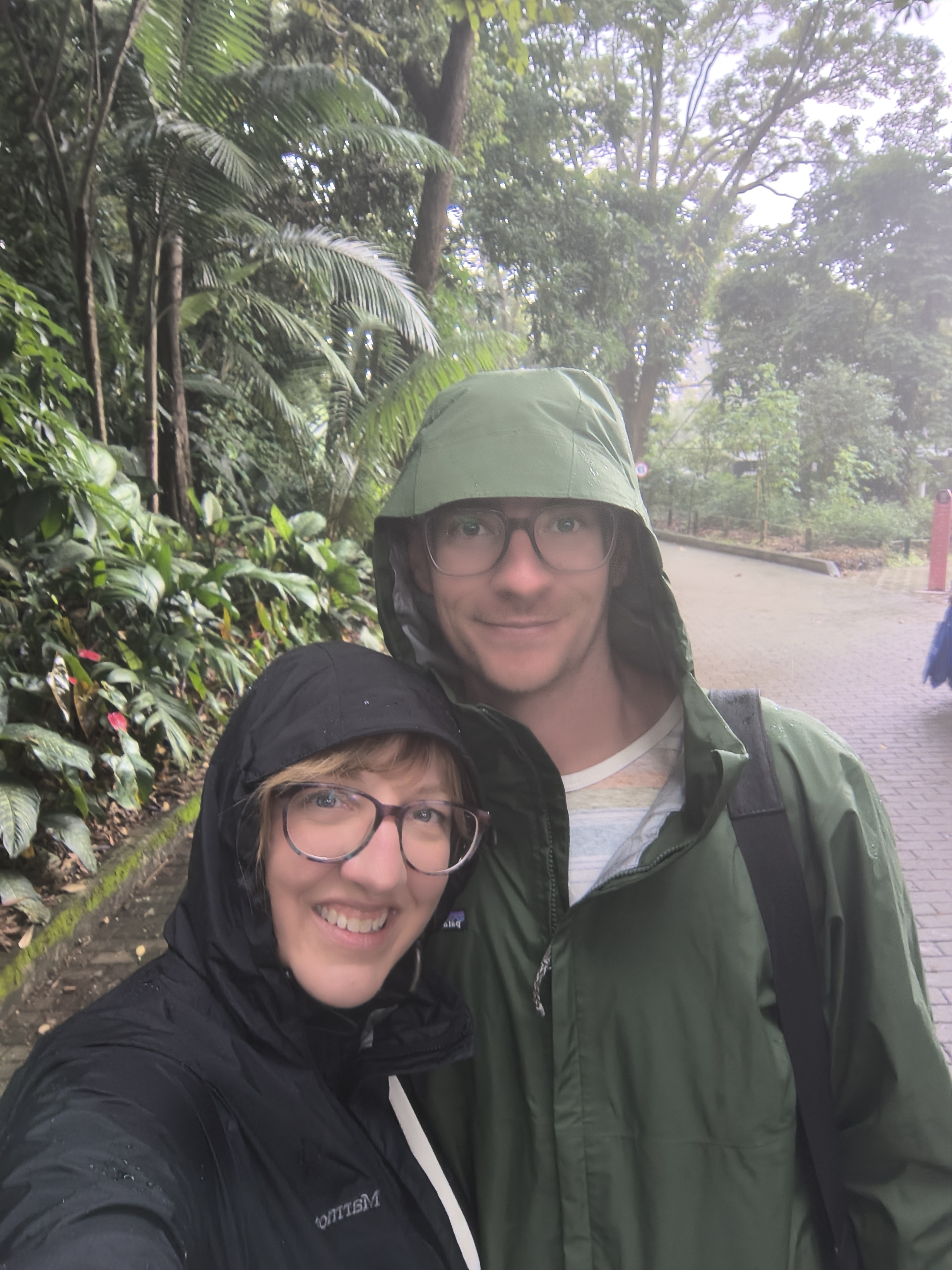
From there we wanted to go to the botanical gardens, but the taxi seemed too pricey for our liking, so we ended up walking the four kilometres or so. Once there, it began pouring rain, so we didn’t really get to walk around. It was not good timing. We had lunch in the café and then decided to continue with our day, sans gardens.
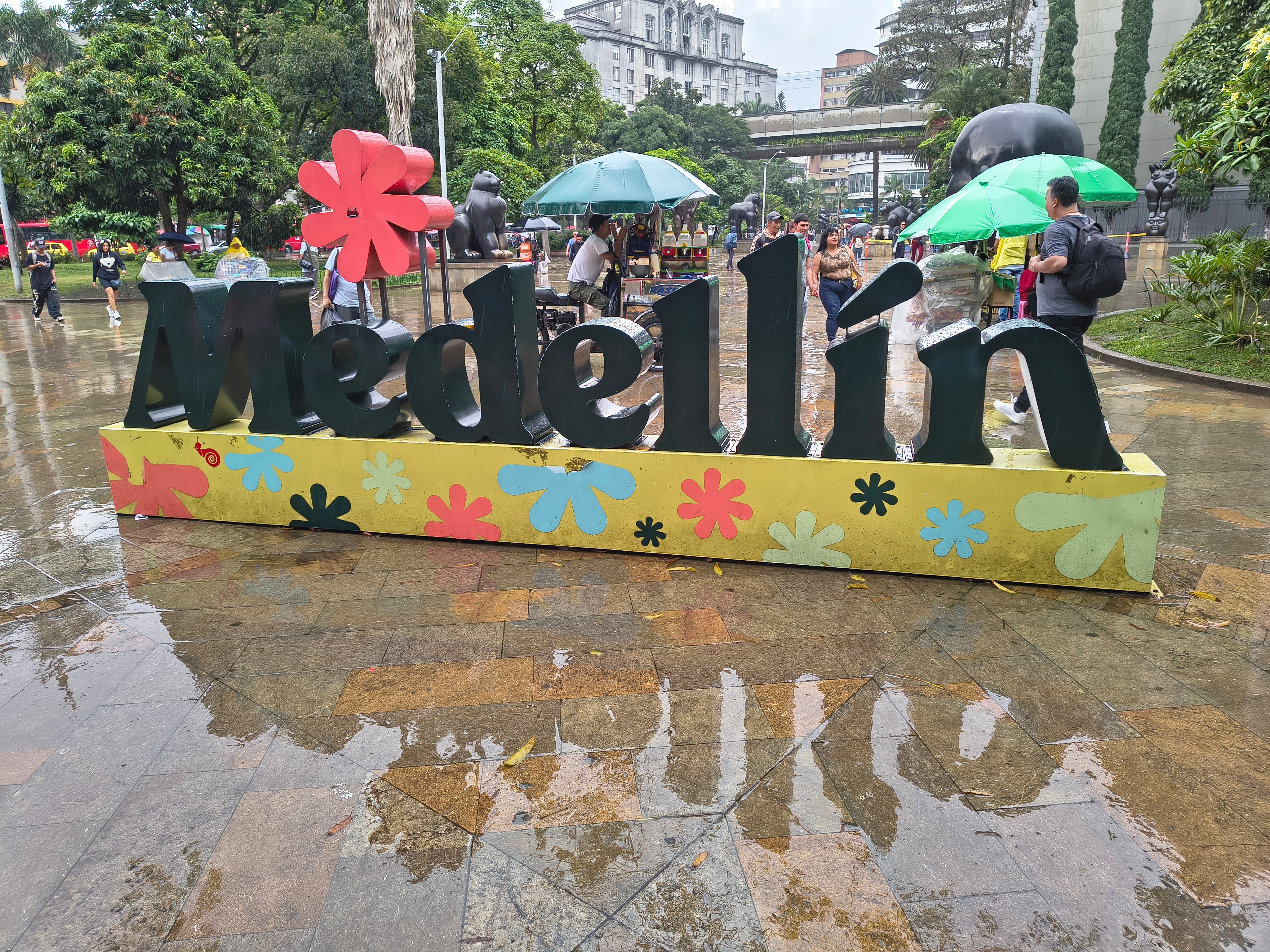
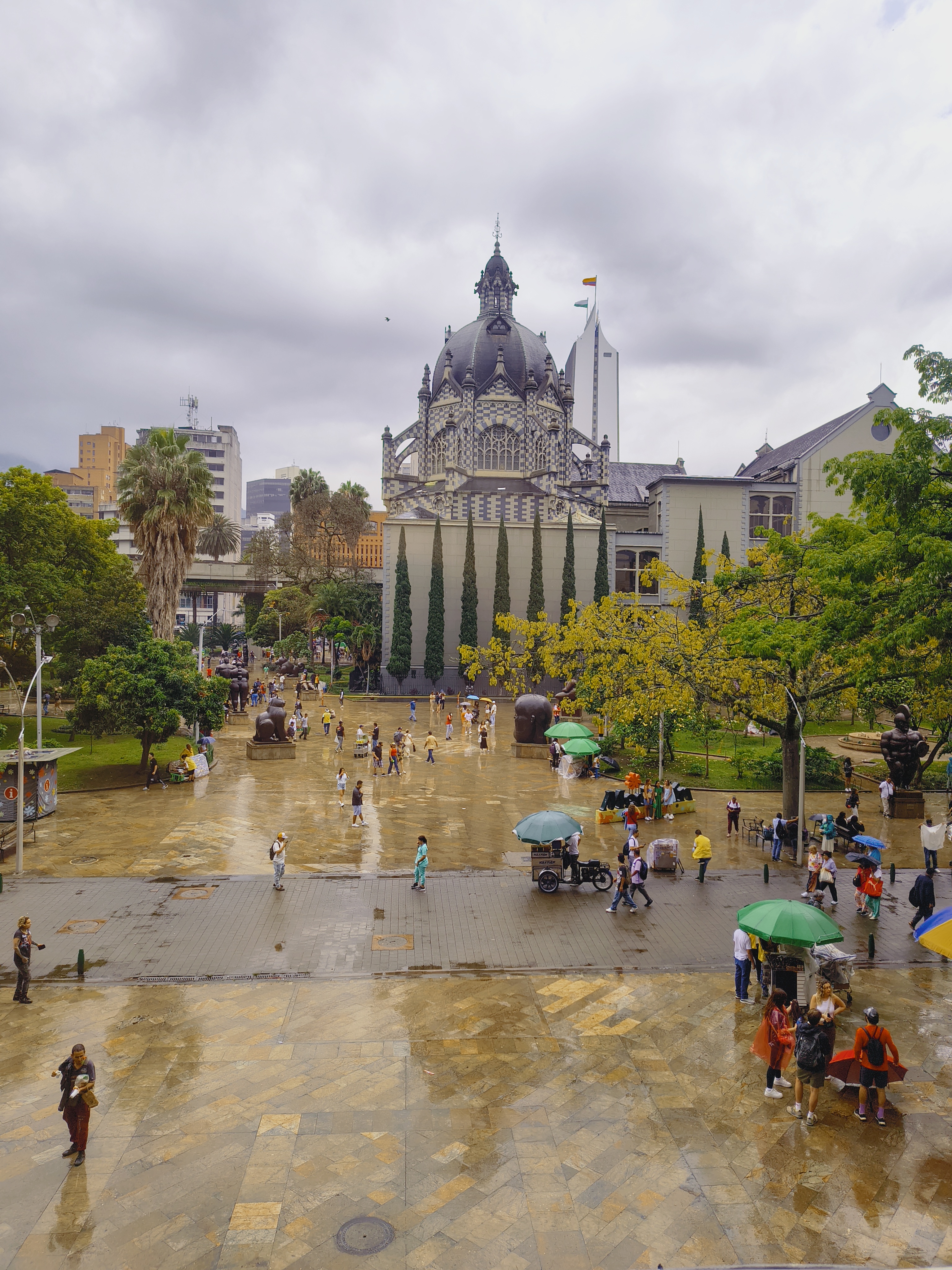
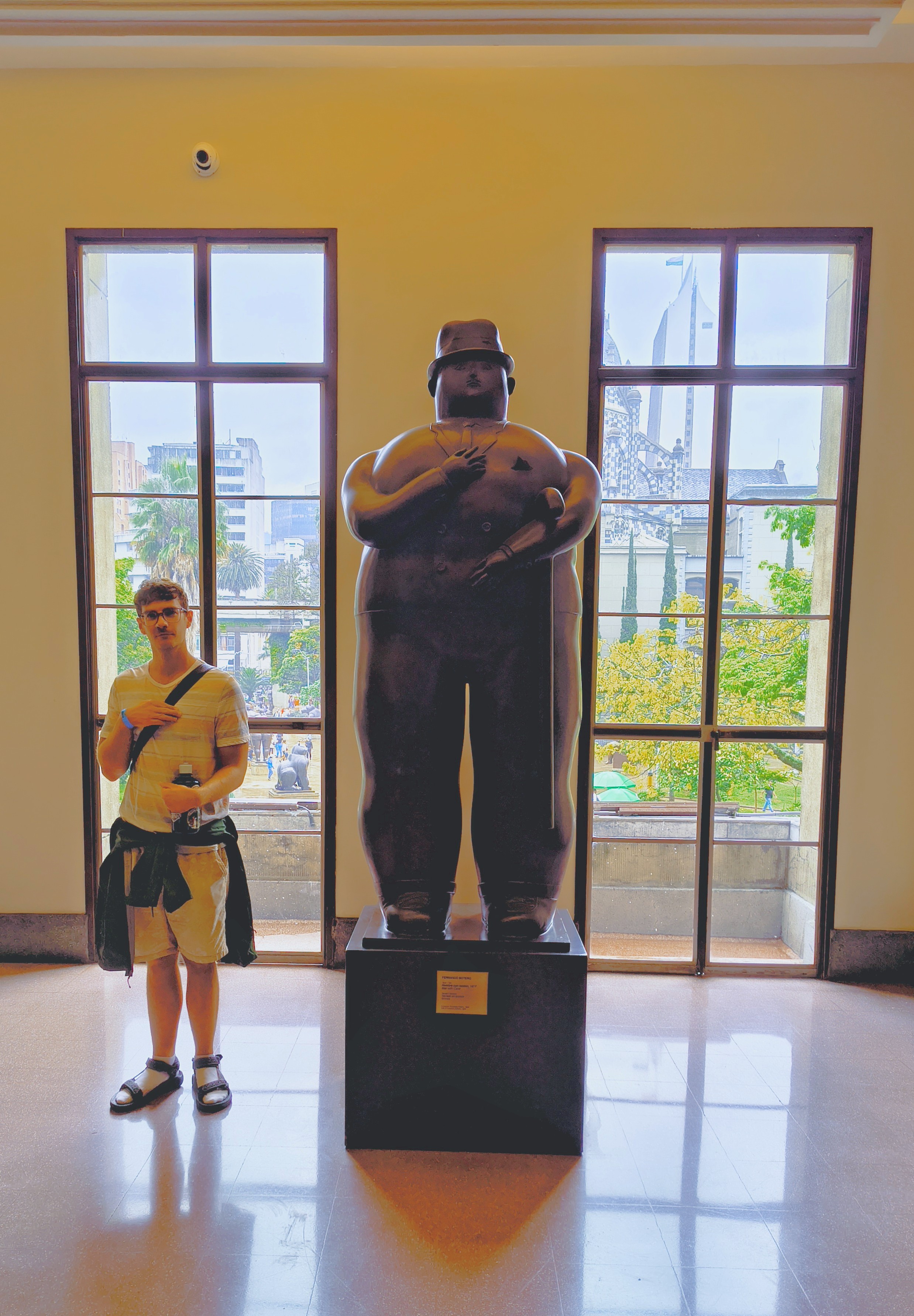
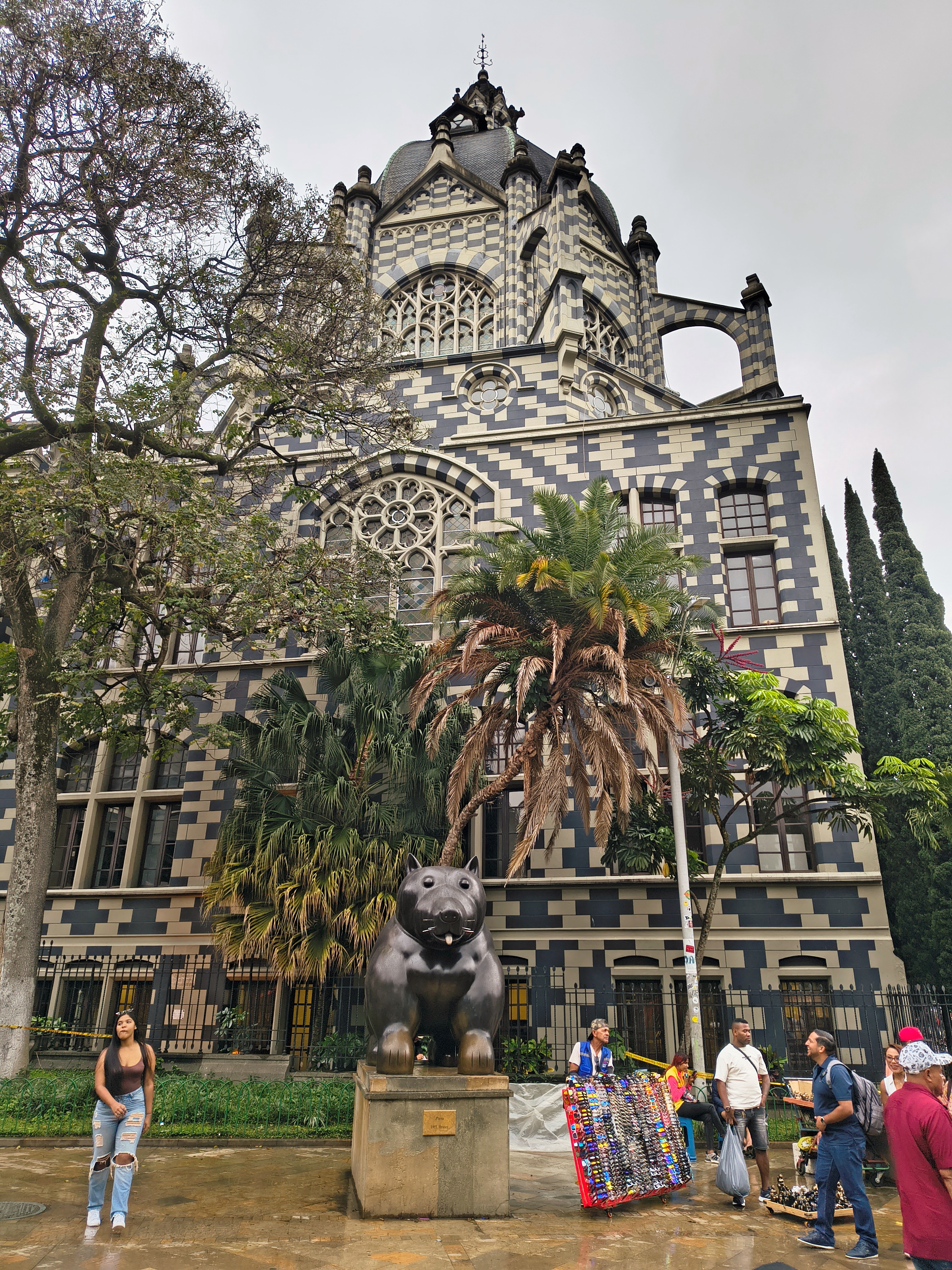
We had one win for the day: visiting the Botero Museum, which was a museum dedicated to the art of Fernando Botero, a Colombian artist who has a distinctive style. Botero paintings are recognizable because everything is fat. The people, the animals, the inanimate objects: all infused with girth like air in balloons. I did not expect to be that impressed with the works, but something about it tickled me and I found myself saying “I kind of love it” to Cal as we went from room to room. I think his colour, shape and sense of tone were all evidence of a classical art training, but it was also unique, and I must give props to artists who can define for themselves their own style which sets them apart. No pictures were allowed at this art gallery so you’ll have to look him up to see his style.
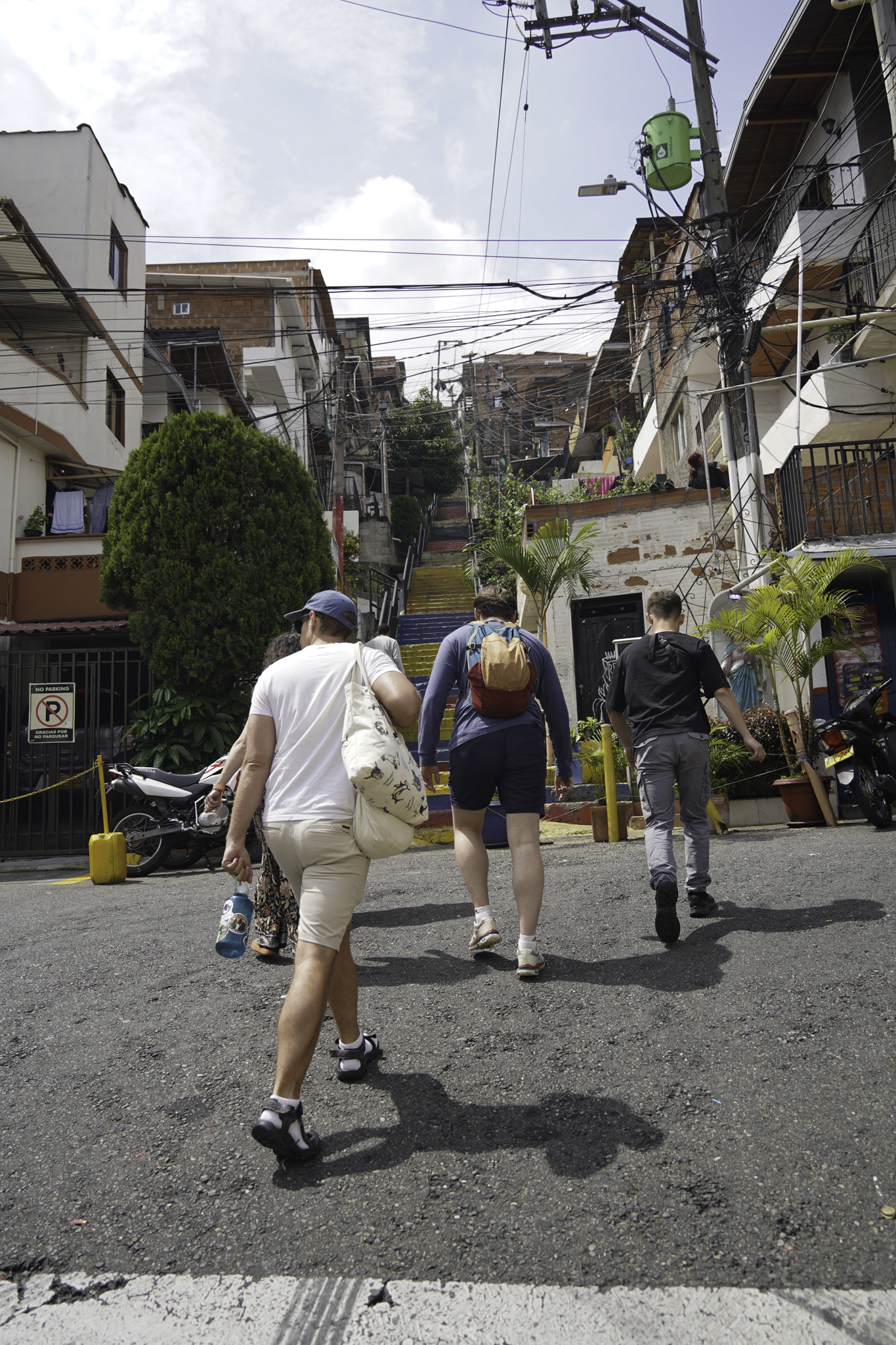
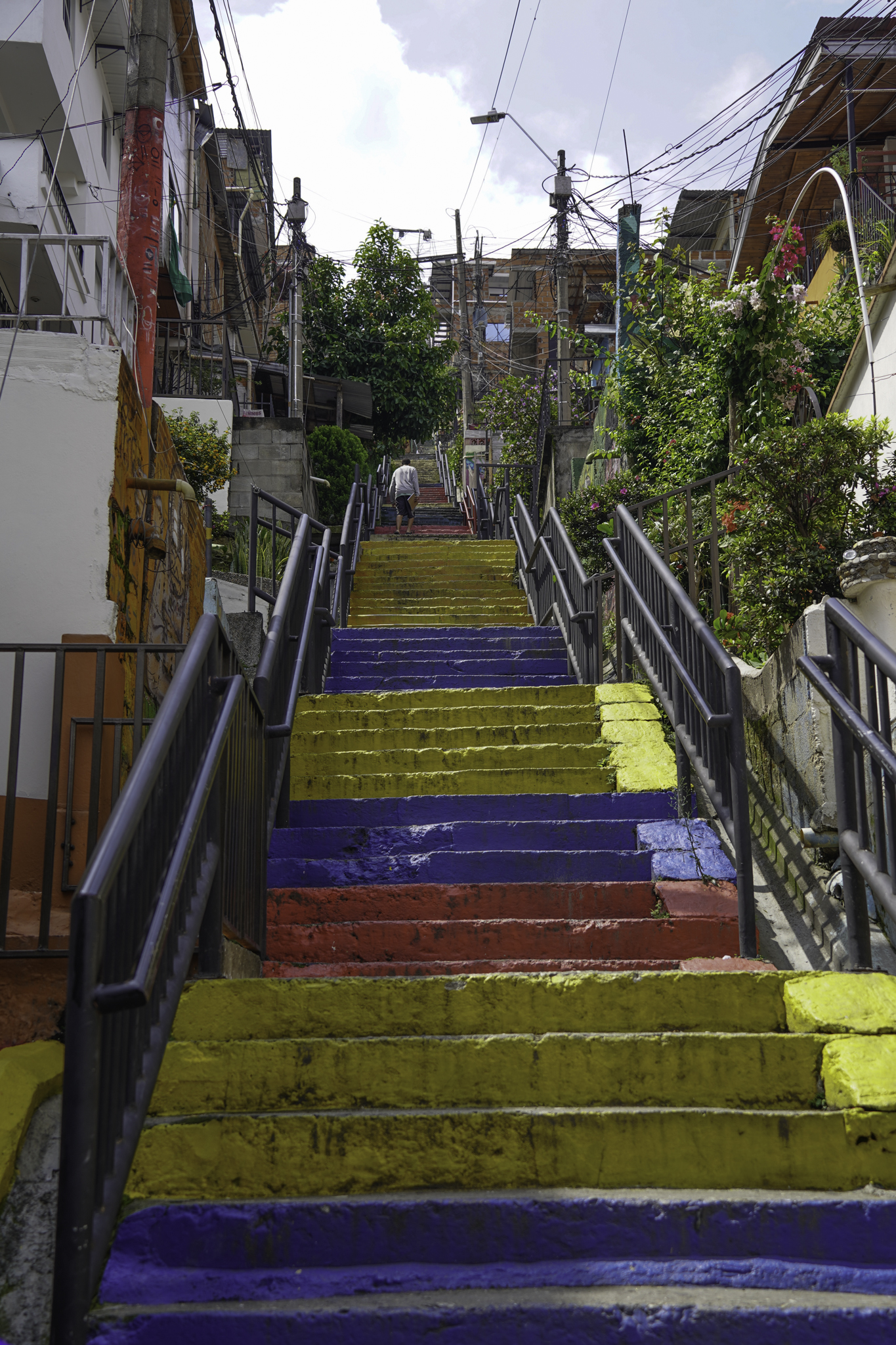
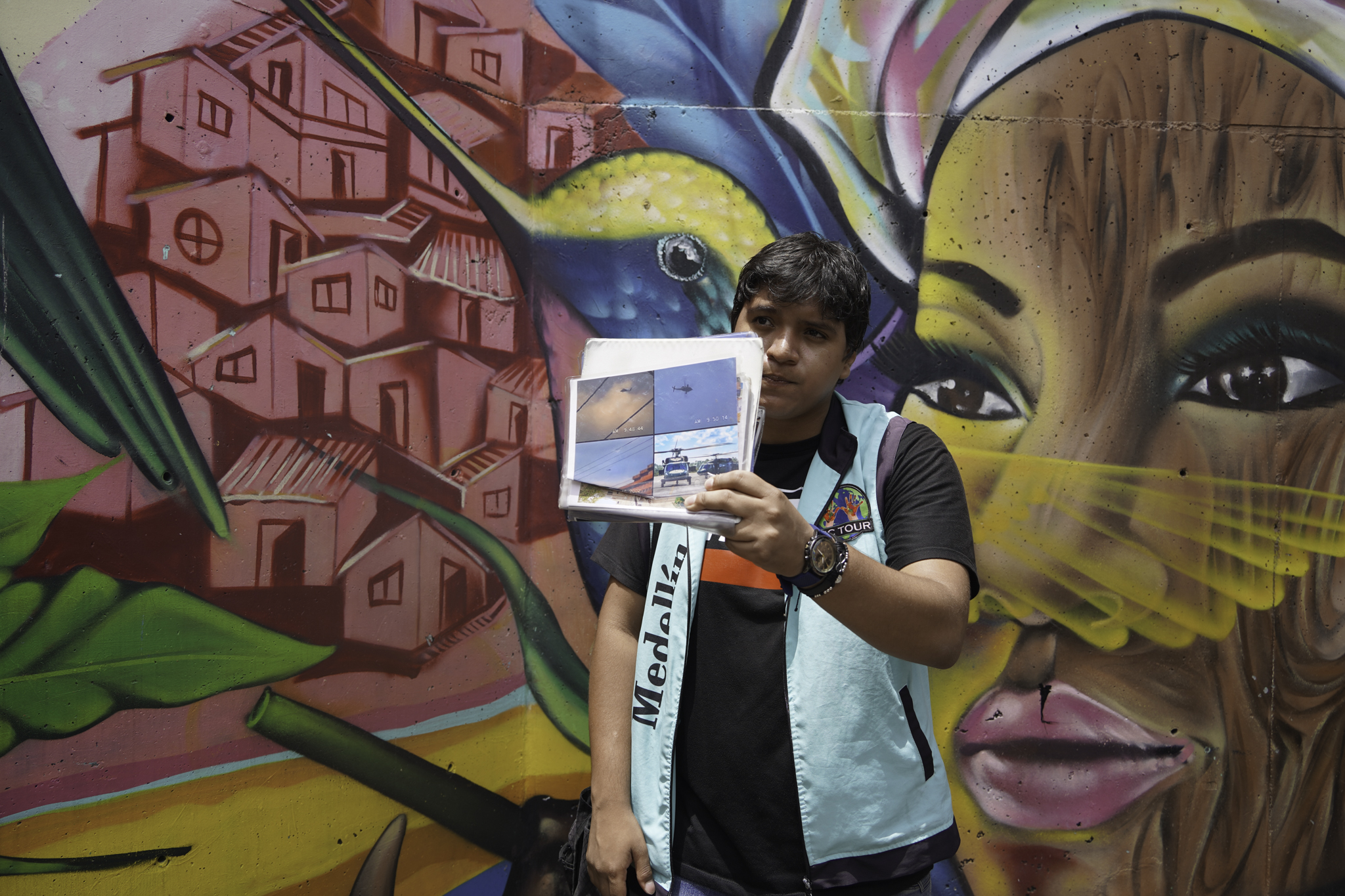
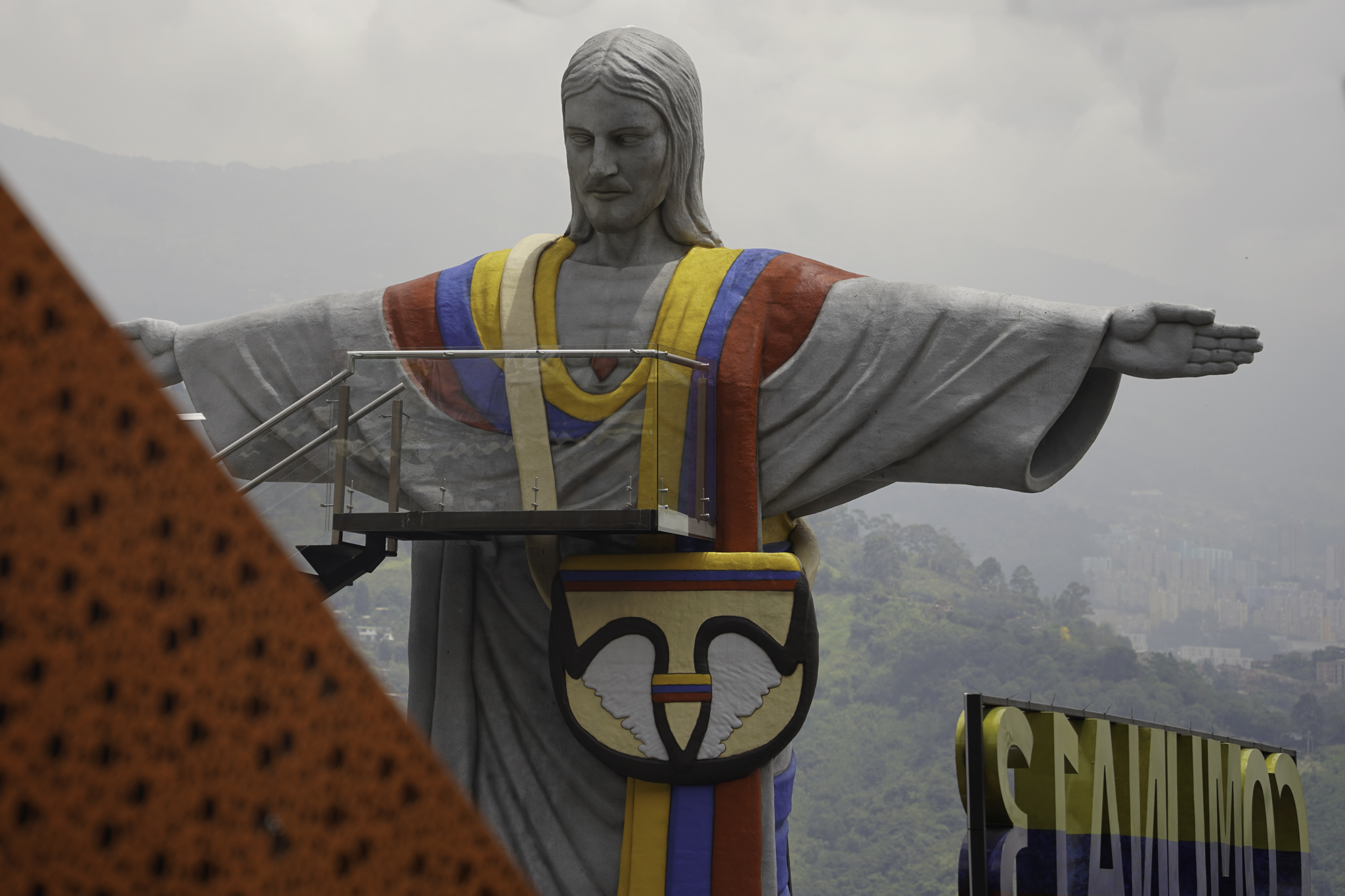
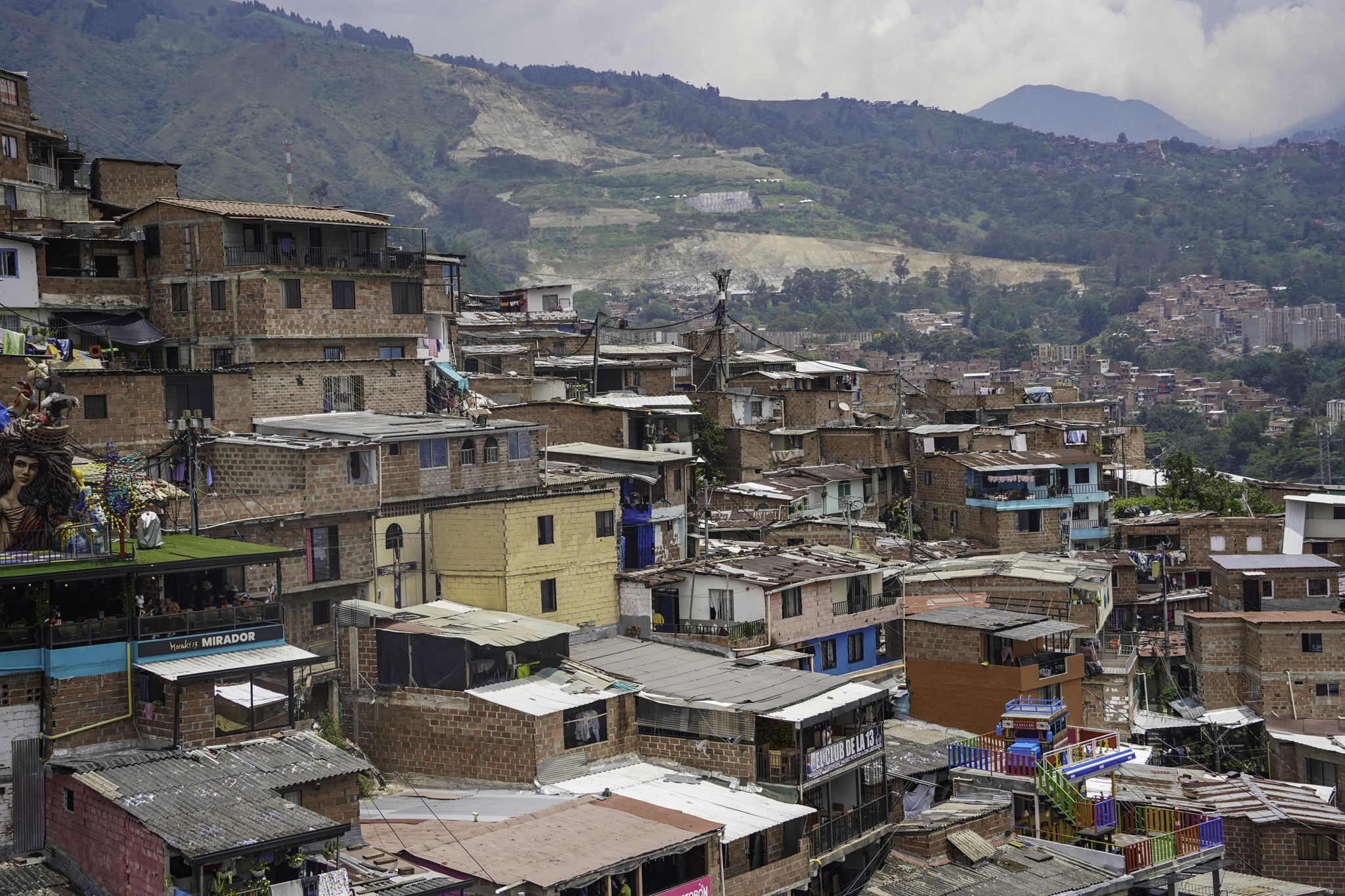
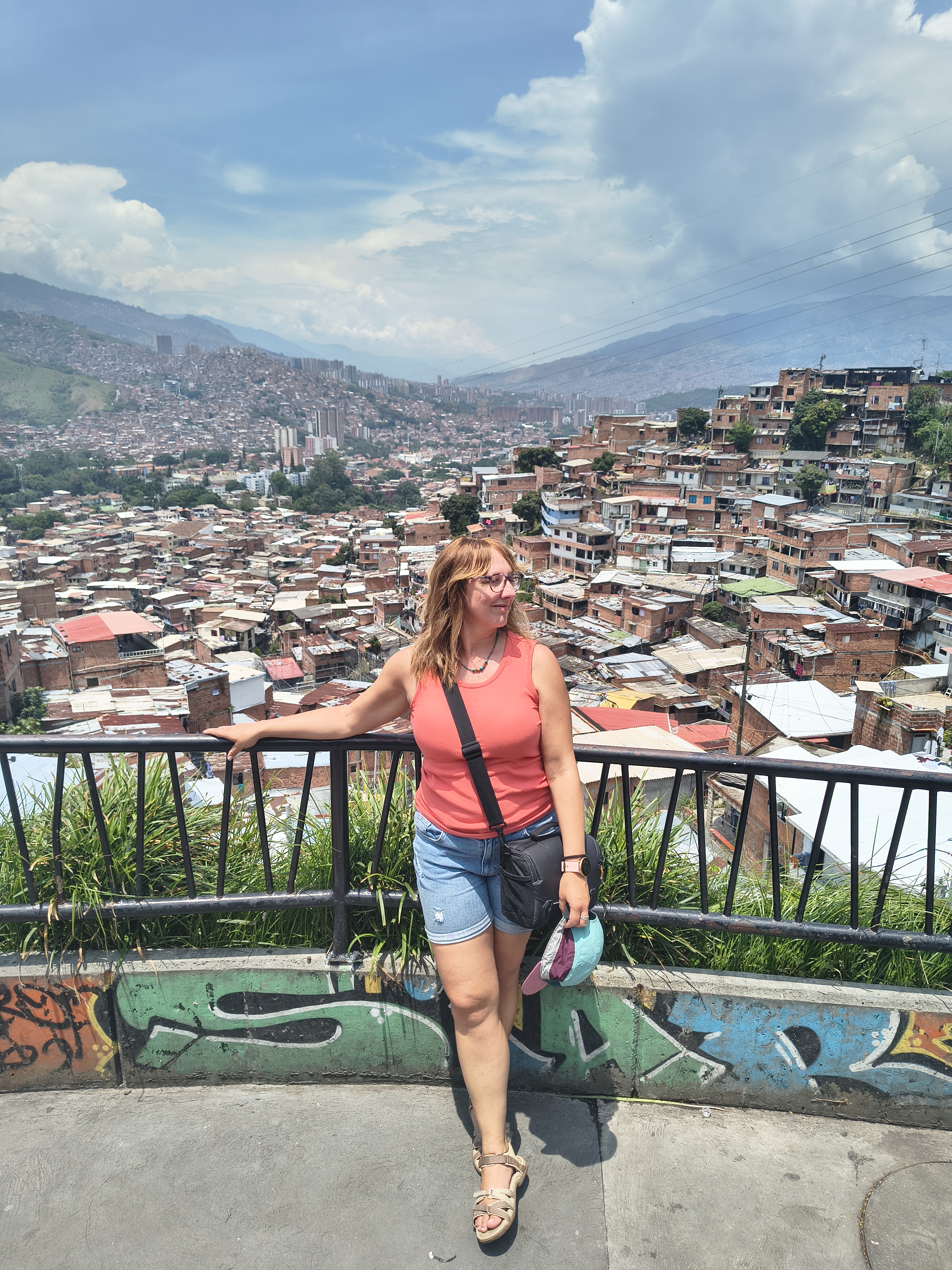
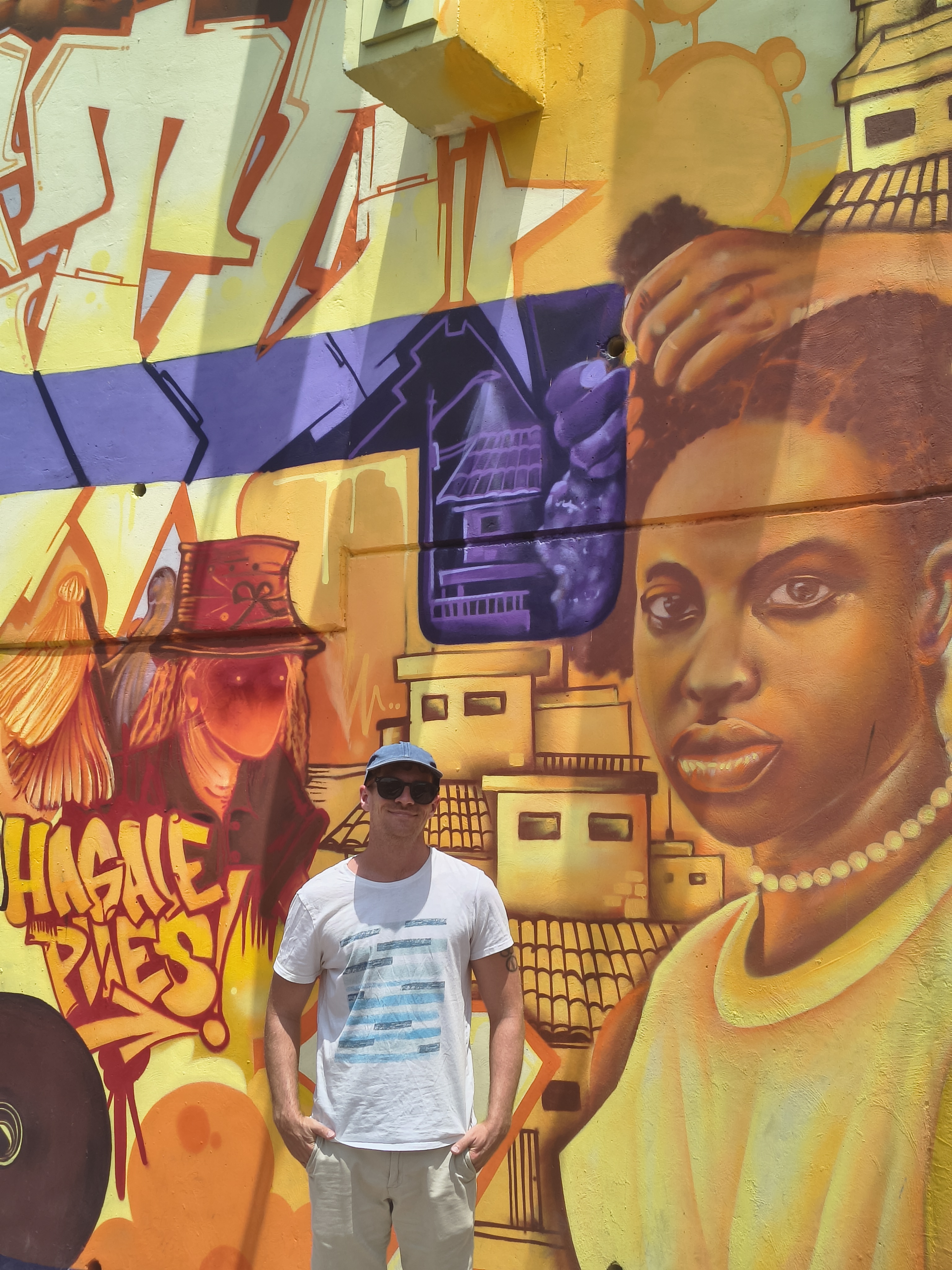
Another one of our days in Medellin we did a tour of Comuna 13, which is famous for having been a very dangerous neighbourhood and now being a place where artistic endeavours are celebrated and encouraged in its young people. Our tour guide was a 26-year-old who was very knowledgeable about the history of his neighbourhood. In the past, the neighbourhood was notorious for its crime, gangs and drug trafficking. I was interested in learning why it was such an attractive spot for drug lords. Our guide asked me to look around…what did I notice about the geography? Comuna 13 is very hilly and difficult to traverse because of the terrain. It’s far up on a mountain slope, which meant it was both far from police, and a great spot for watching out for law enforcement as well as other gangs. The closely built housing also provided easy hiding spots. The lack of law enforcement also meant drug cartels could easily recruit new members, persuading them to a life of crime and fear.
A controversial group started to fight back and though the details are fuzzy for me, it turns out the city started to reverse its poor reputation and over the last couple of decades it has transformed into a hub of creativity. It’s known for its street art, hip hop dancing, and music. Before, when kids were asked what they wanted to be when they grew up, their answers were gang related. Now, as our guide explained, kids say they want to be artists, dancers, and musicians.
The tour took us through the Comuna and we ate some of the best empanadas I’ve ever had—from a lady that our guide knows has been cooking them for over 30 years. He shared that he has memories of when his mother would give him a few pesos to go and get some empanadas from her for breakfast. I loved that story.
When our tour was over, we continued walking up, but it seemed a bit like Disneyland for us, so we quickly reversed our steps and headed back to our accommodation. I did find a cool bracelet made by a street artist and was happy to give my pesos to him. I prefer to buy things from real people rather than in touristy shops.
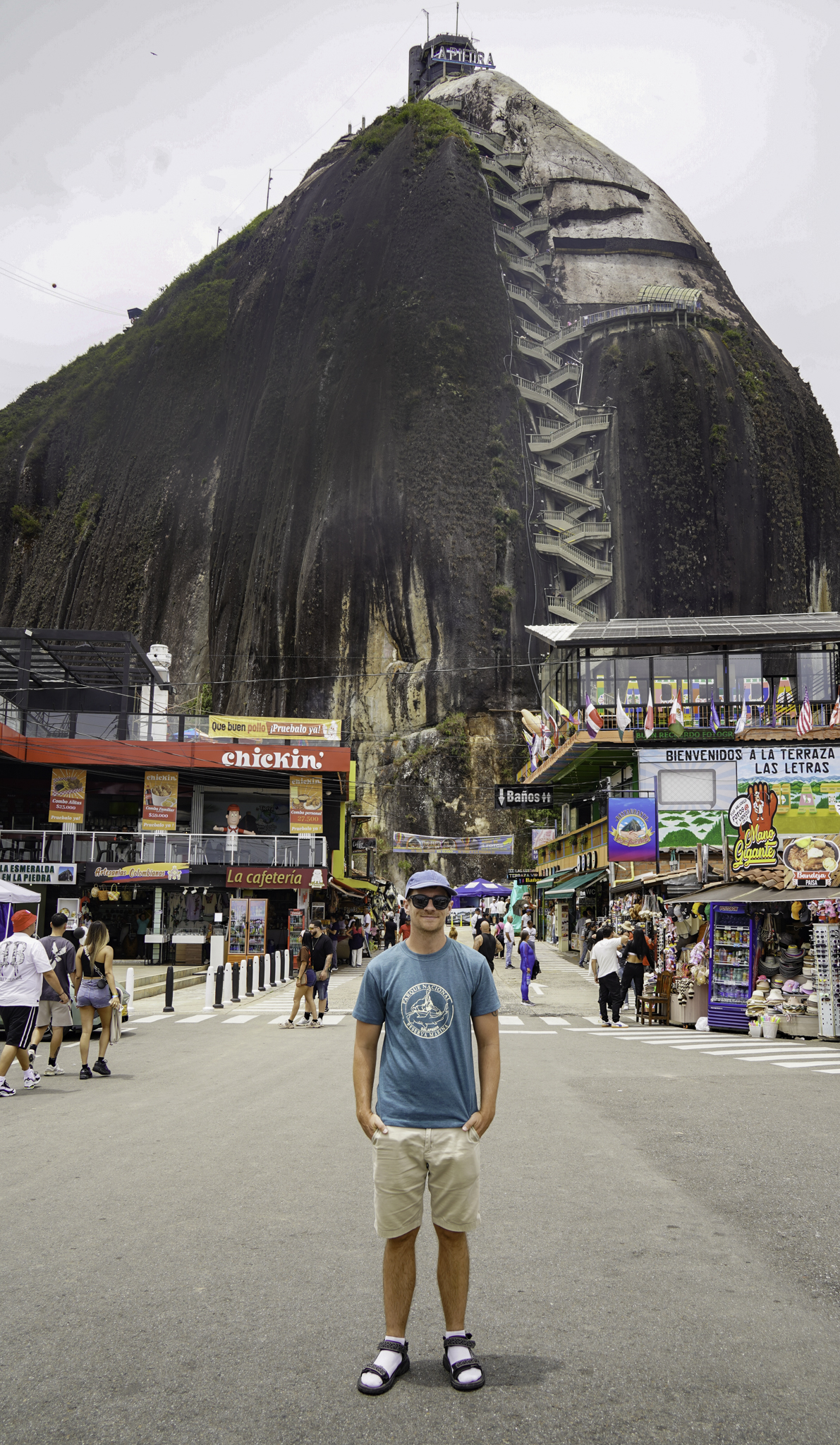
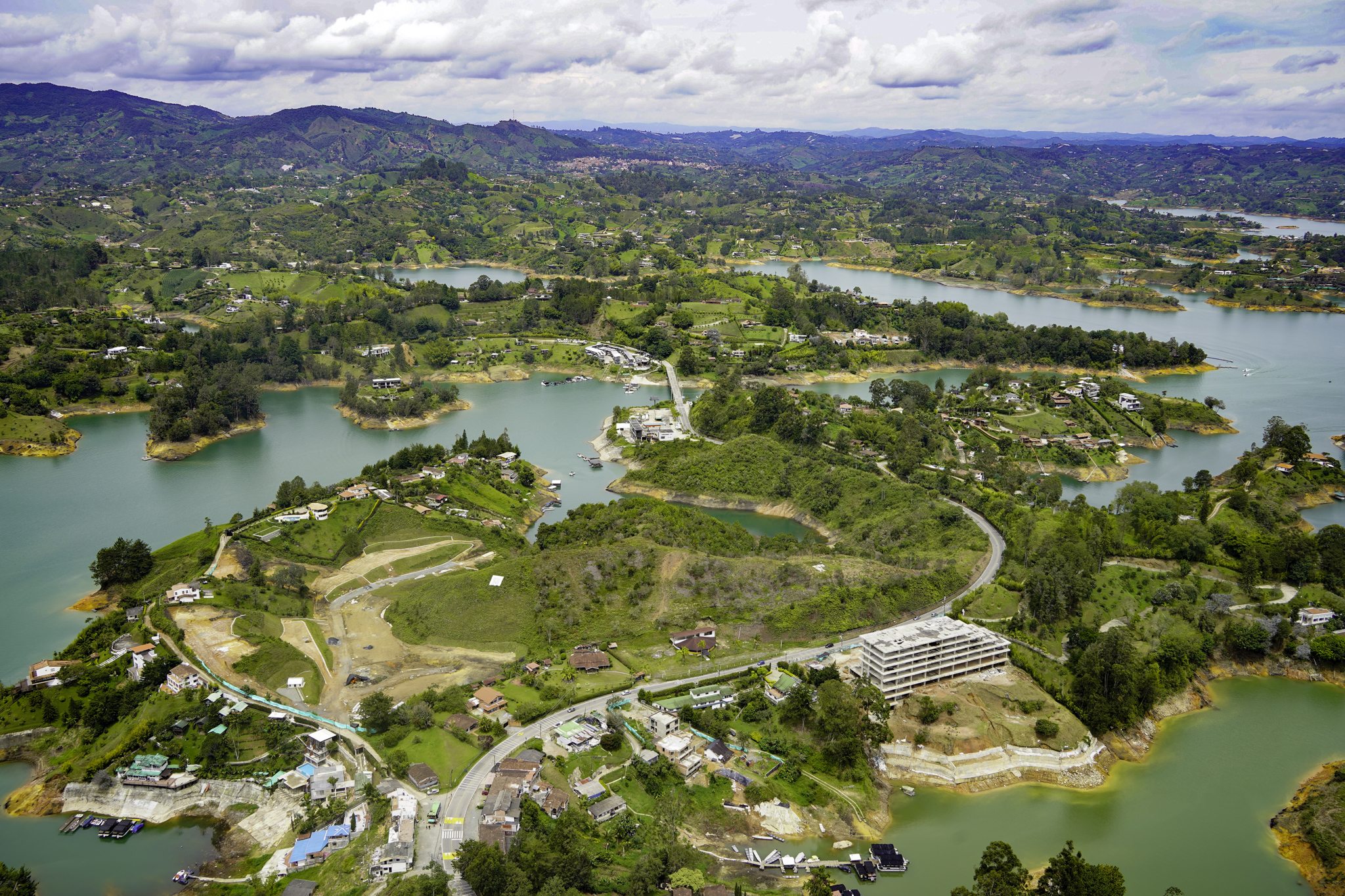
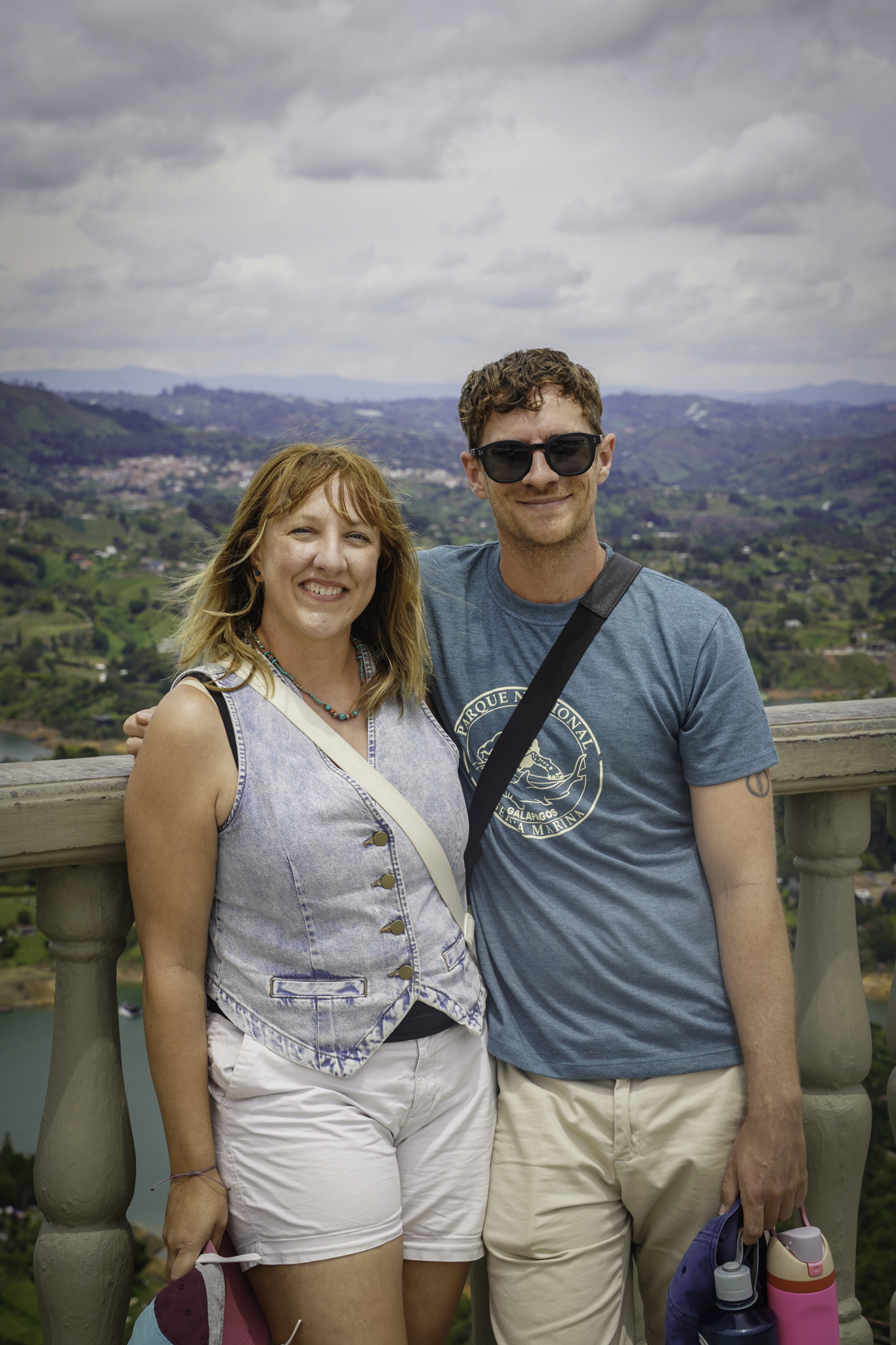
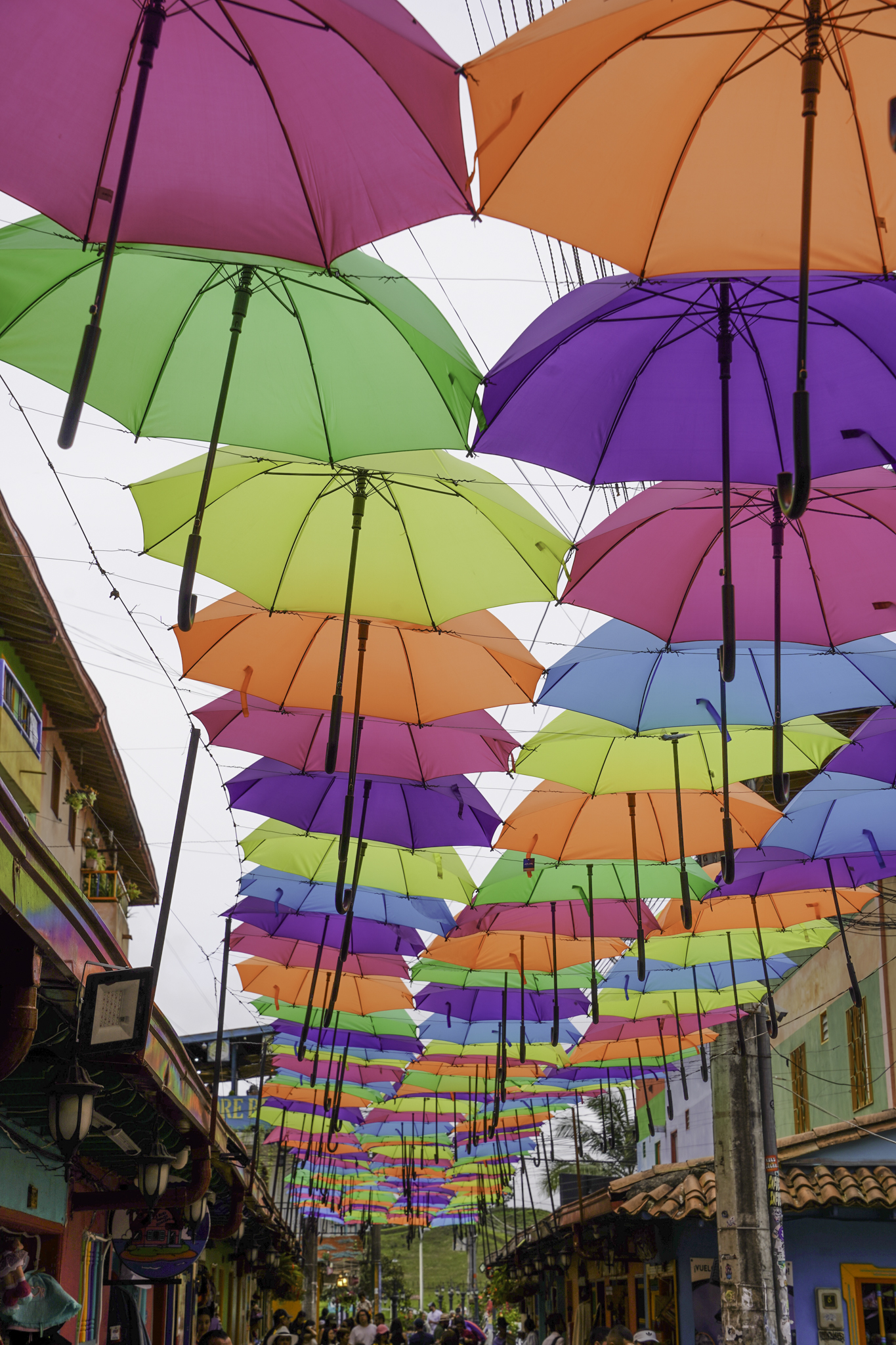
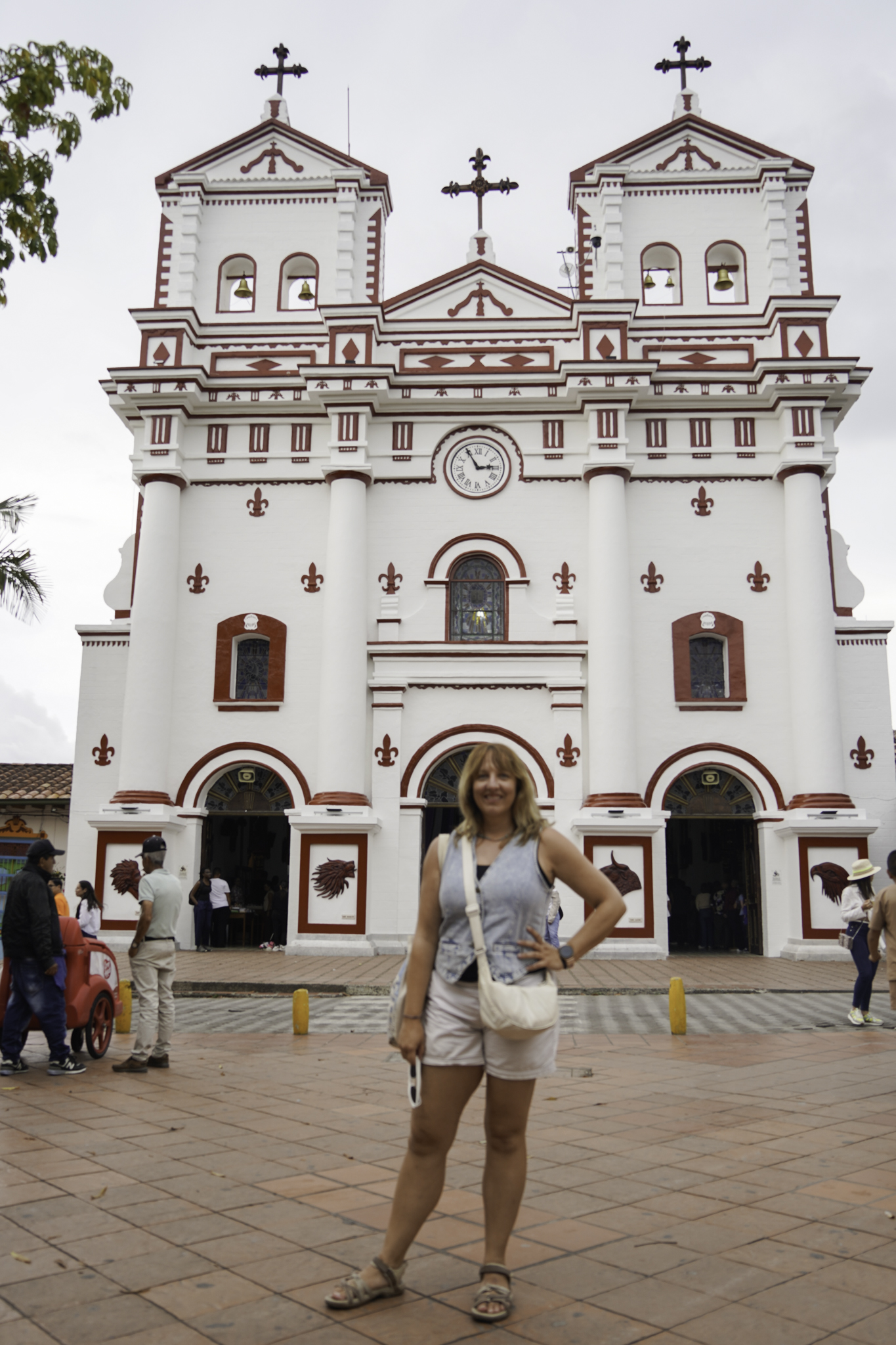
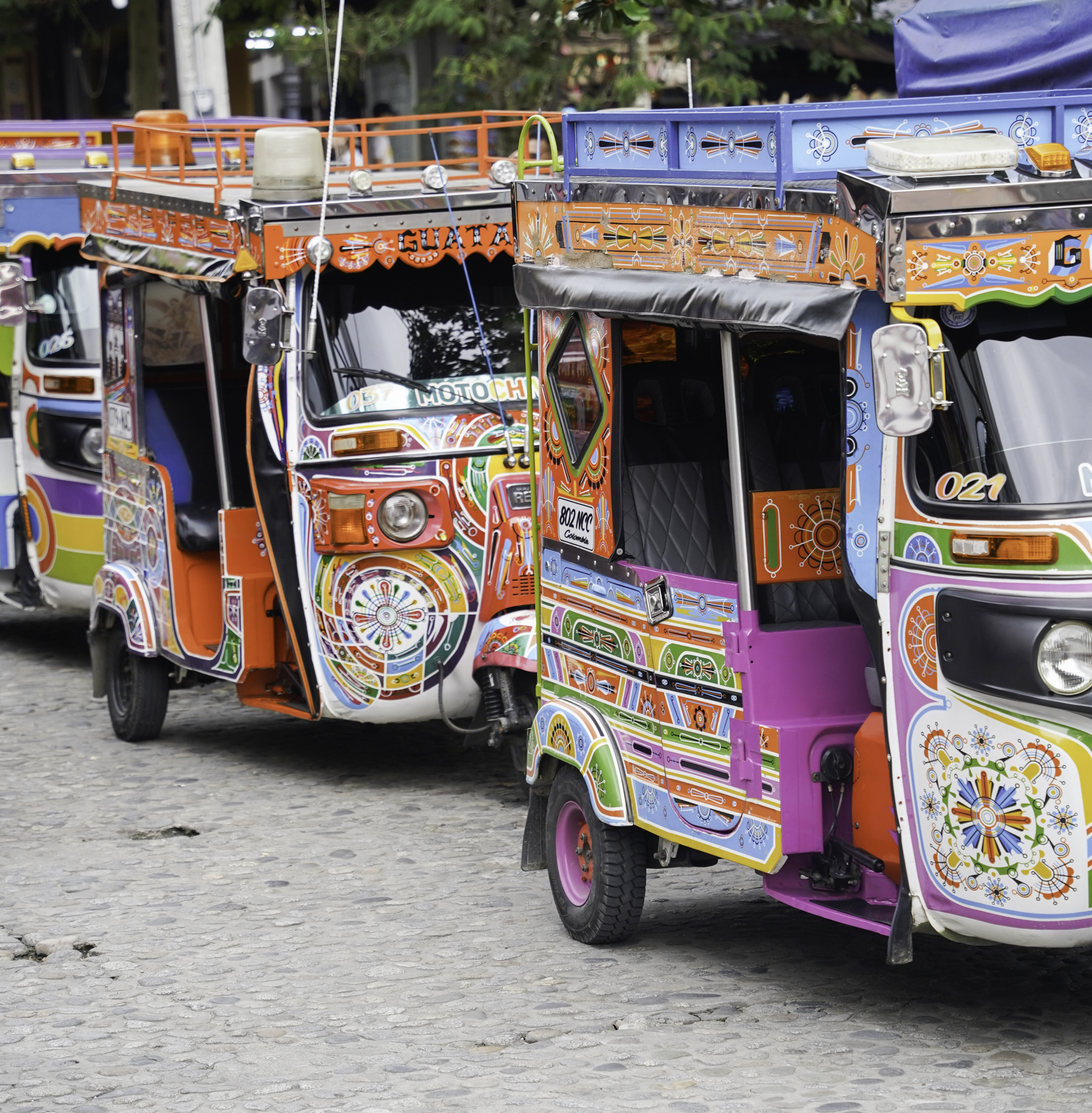
Our final day in Medellin we took a day trip to Guatape, a small mountain town with colourful homes and shops reminiscent of Cartagena, but with a smaller village feeling. It was a very touristic place to go, and the shops were selling similar things, but I still enjoyed the tour we did. We actually started the day by climbing The Rock of Guatape (El Peñol de Guatapé) which is over 200m tall and has about 750 steps to the top. We climbed the narrow staircases all the way up, managing it in less than 30 minutes which I was happy about. I pretended like I was on The Amazing Race, which is a task the cast of Season 36 did have to do! Anyway, when at the top you get fantastic views of the lake and surrounding areas. It was truly a gorgeous view.
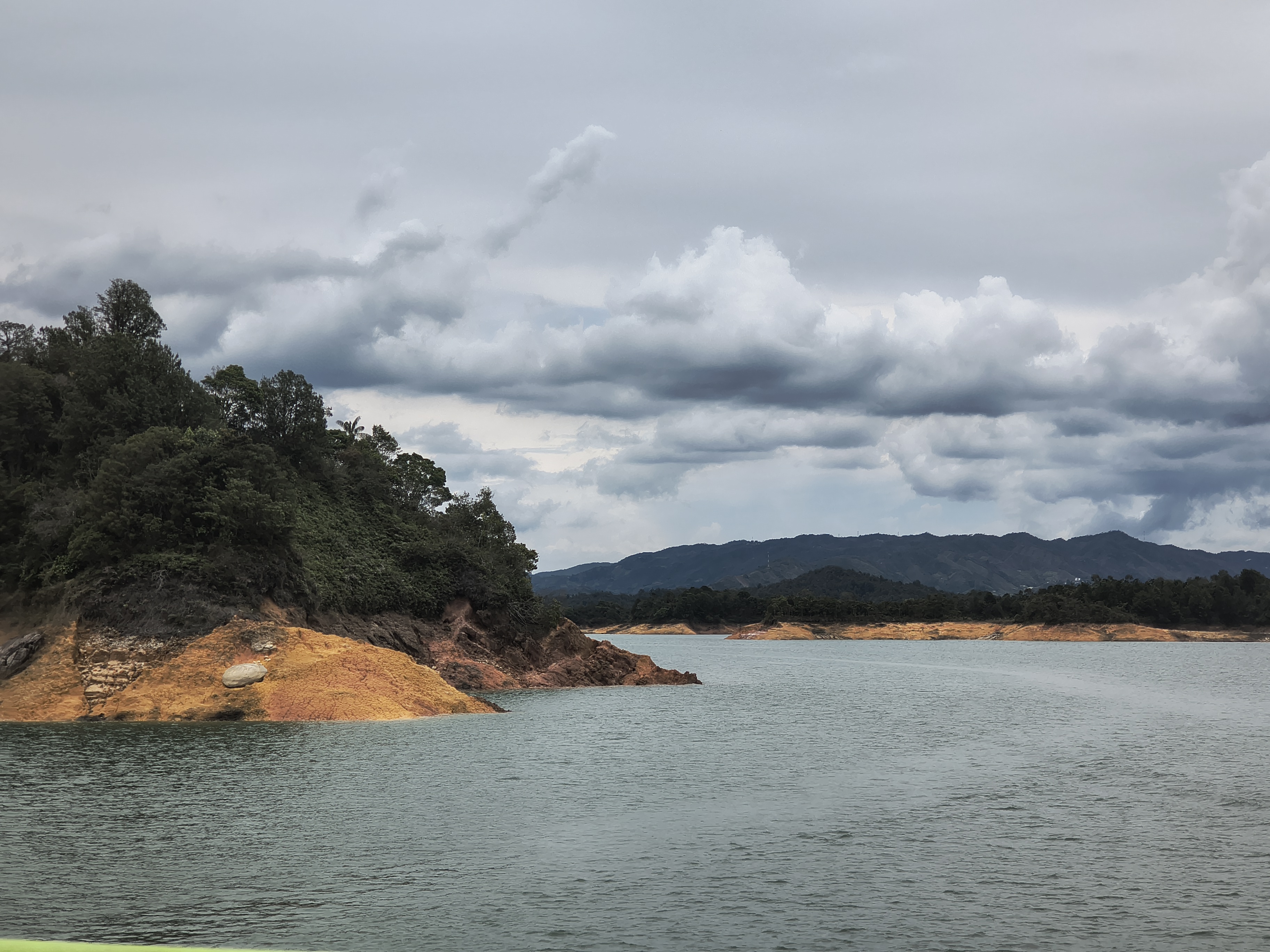
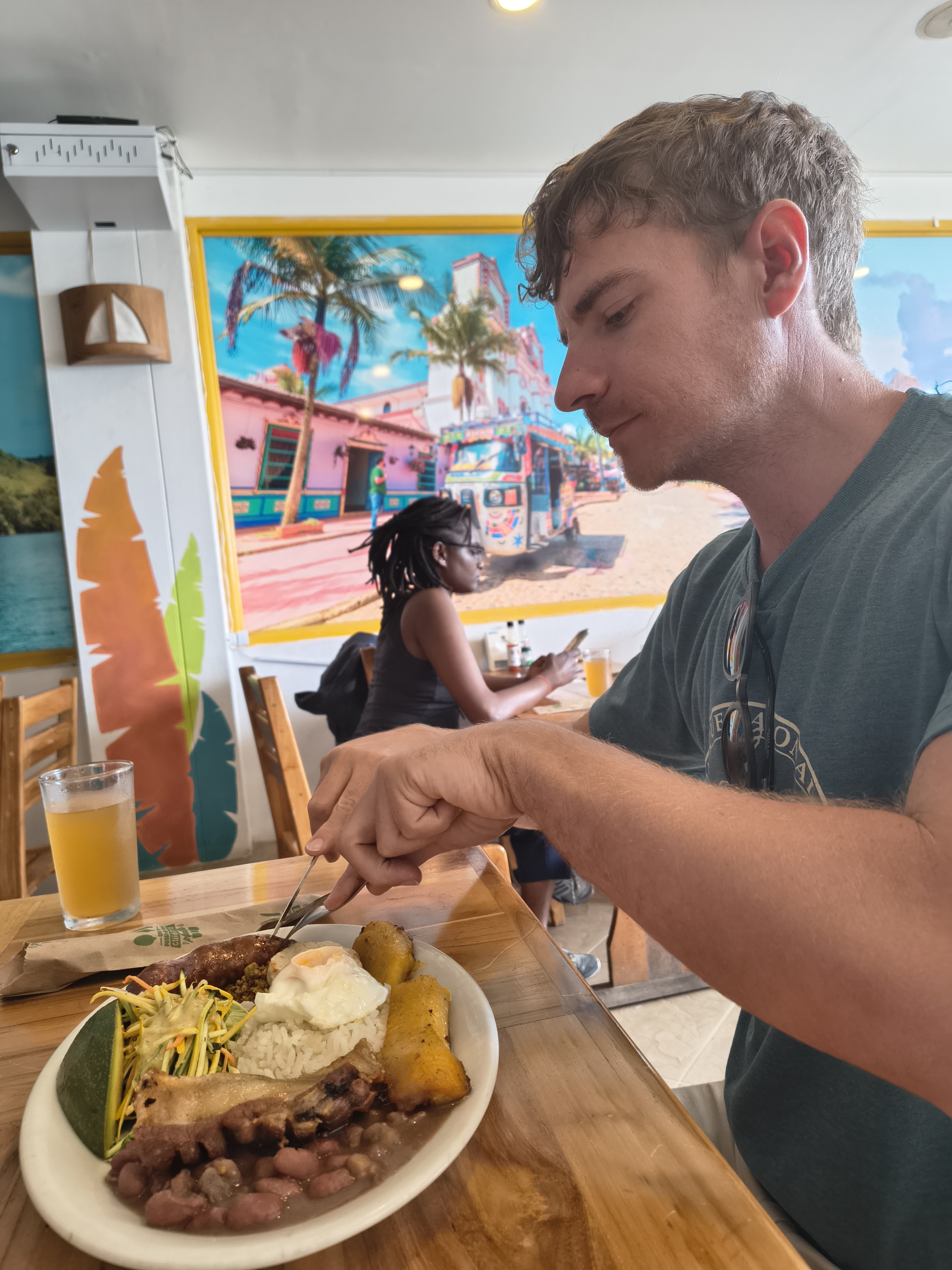
Next we were treated to a calm boat ride on the man-made lake, which would have been better if there had been lunch served on board. By the time we disembarked, we were all hungry for lunch and were taken to a restaurant where they were awaiting us and provided us with a simple meal of grilled chicken or fish, vegetables, and rice. Callum decided to order the traditional Colombian dish Bandeja Paisa, a hearty platter typically including beef, ground meat, chicharrón (fried pork belly), chorizo, red beans, rice, fried egg, plantains, arepas, and avocado. “It really fills you up”, says Callum.
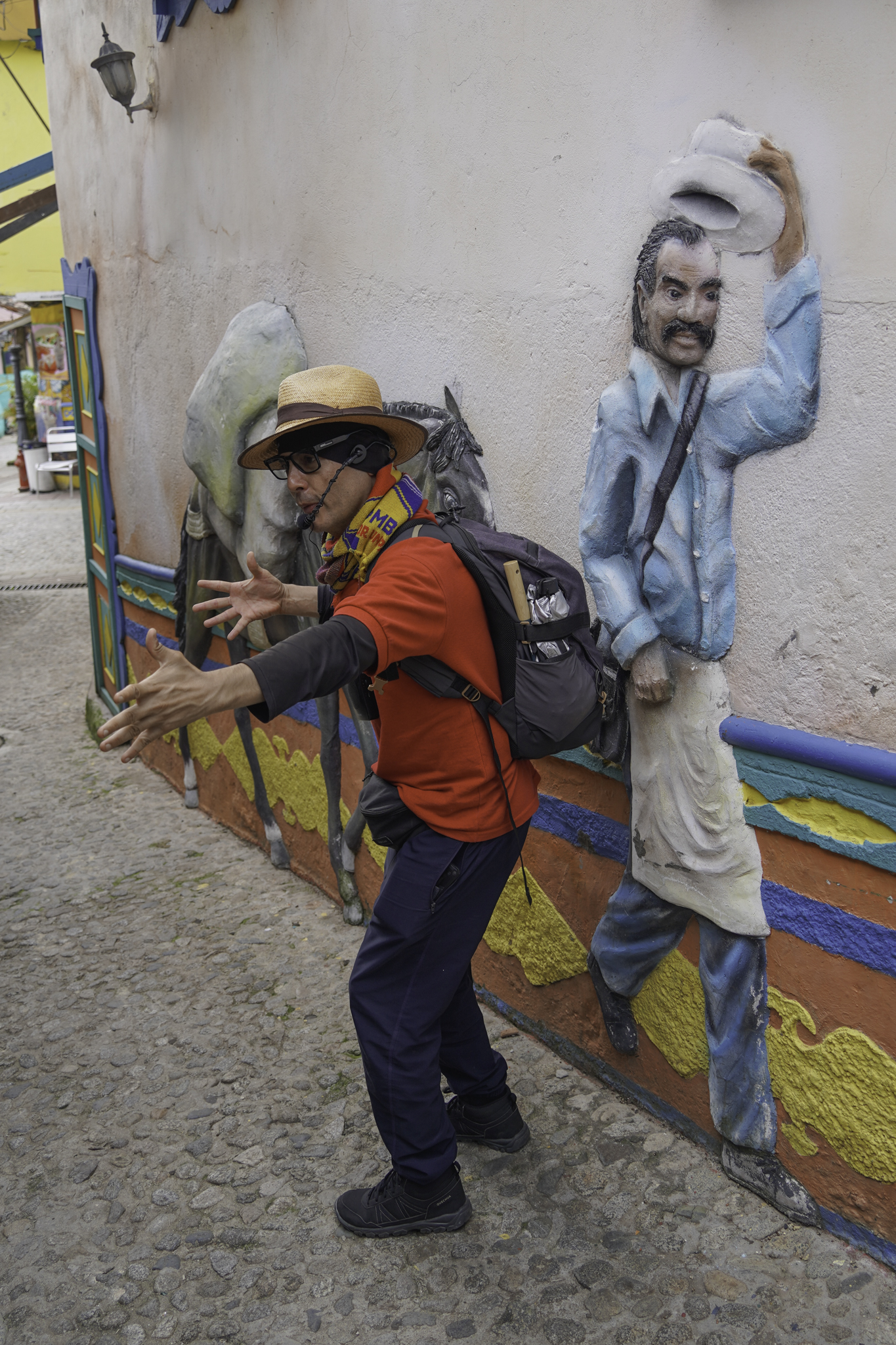
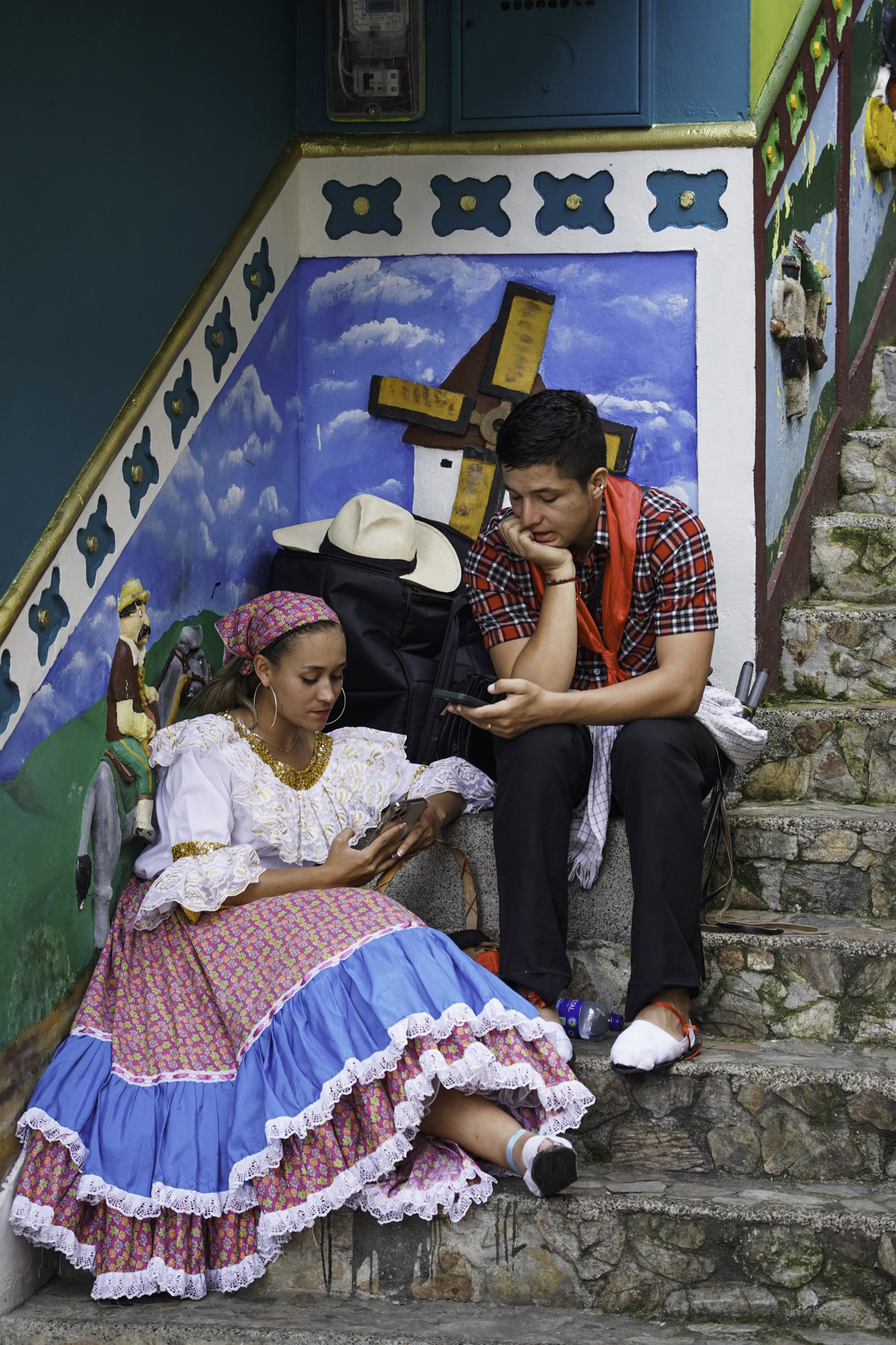
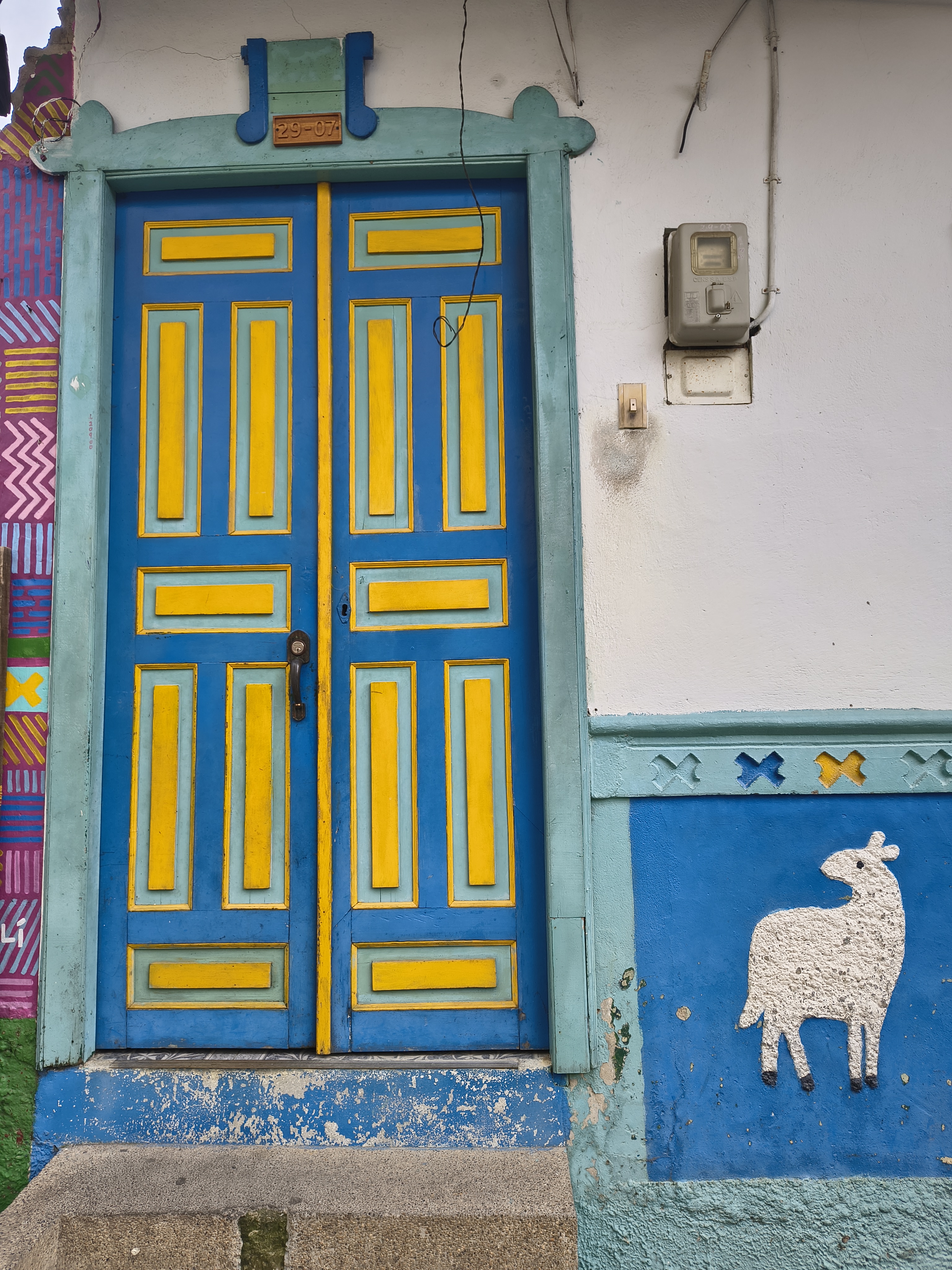
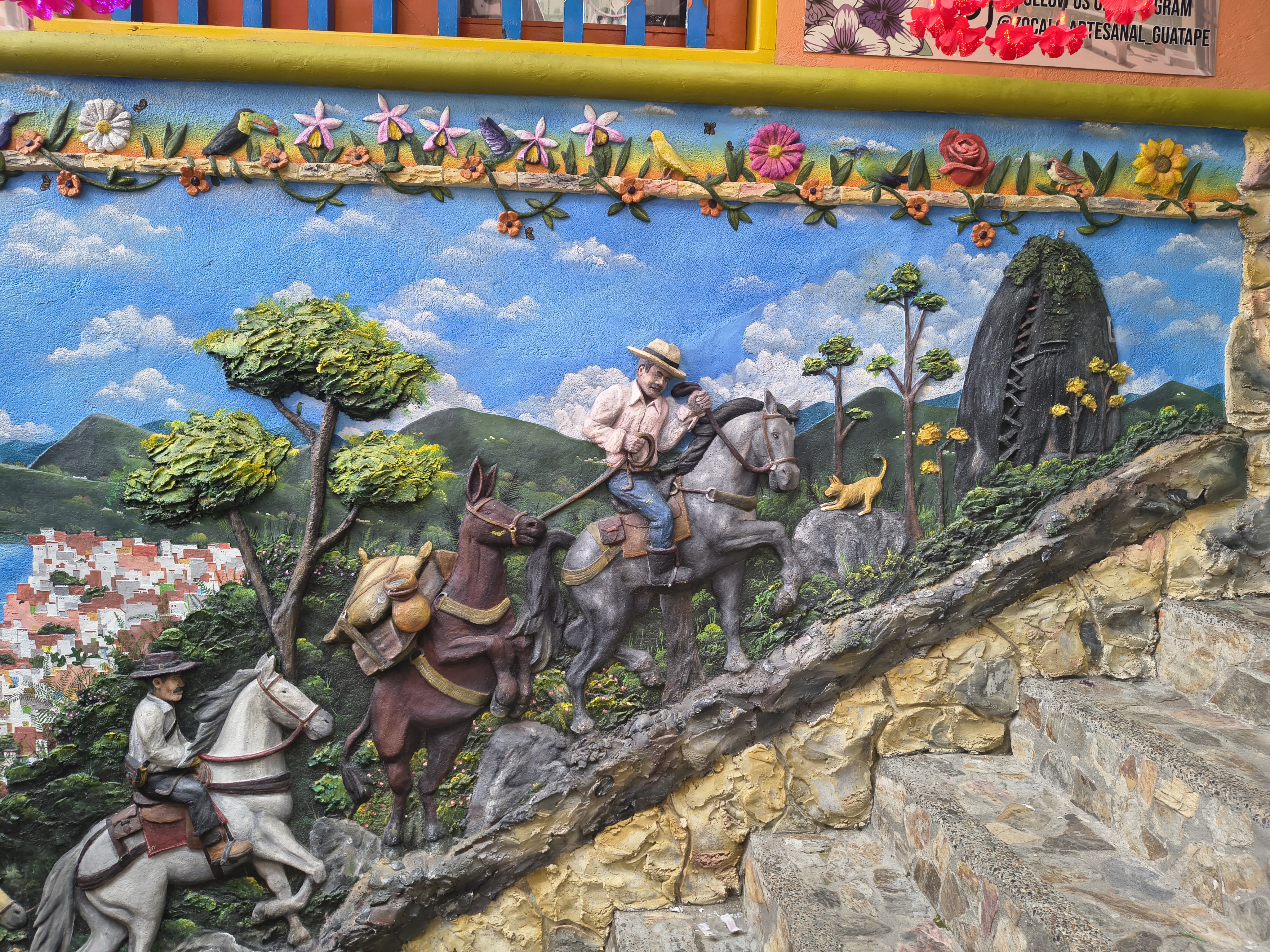
It was after lunch that we were taken to the actual town of Guatape where we were taught about the Pueblo de Zócalos which were the bas-reliefs that adorn the lower facades of buildings. These sculptures show stories and history of the town. I liked walking around the town, taking pictures of the art, the architecture, and doing a bit of shopping before getting some street popcorn for the 2-hour bus ride back into Medellin.


Medellin and its surrounds is a very interesting city and well worth a visit for those going through Colombia.
 Travel Bugs