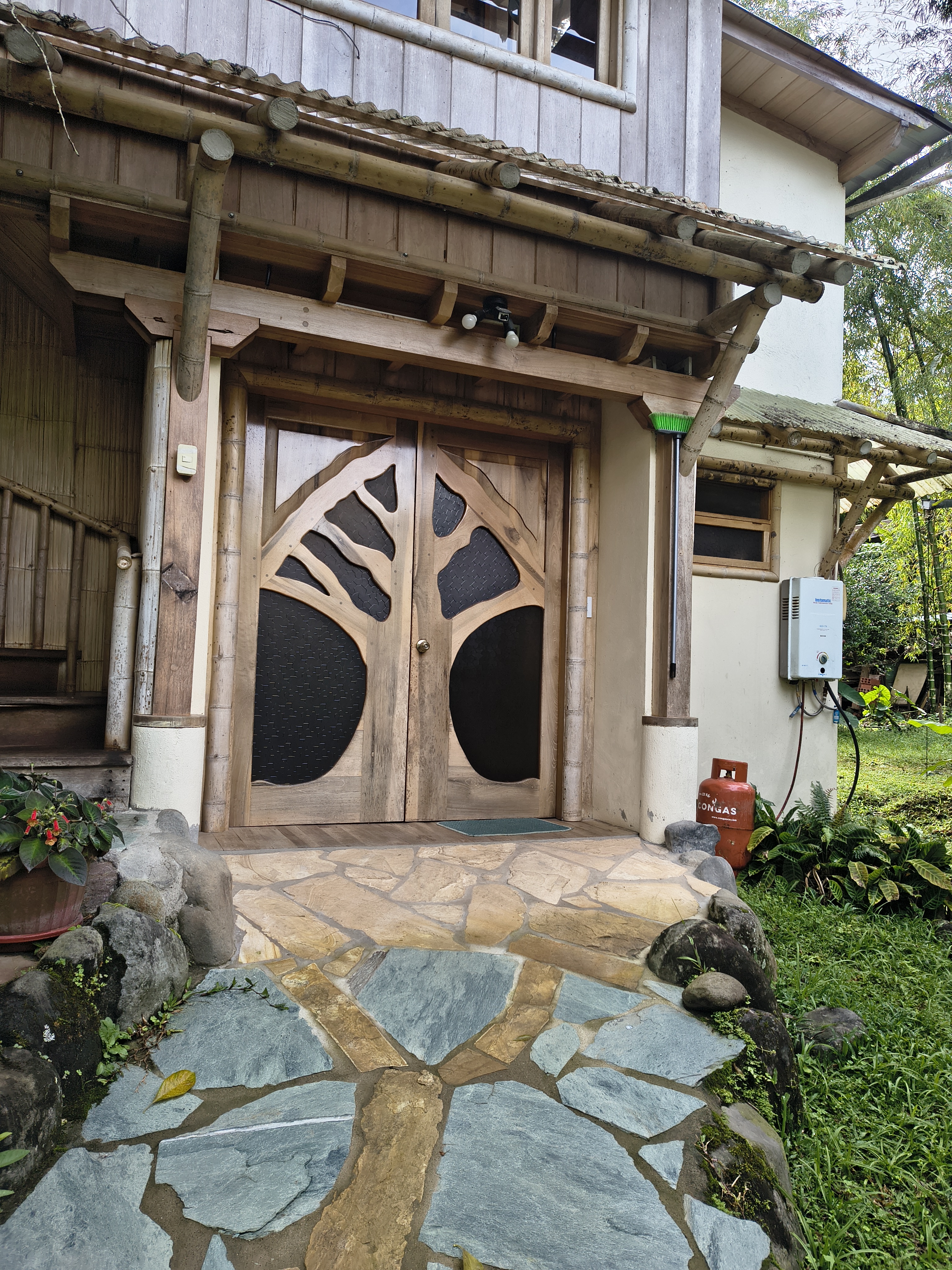
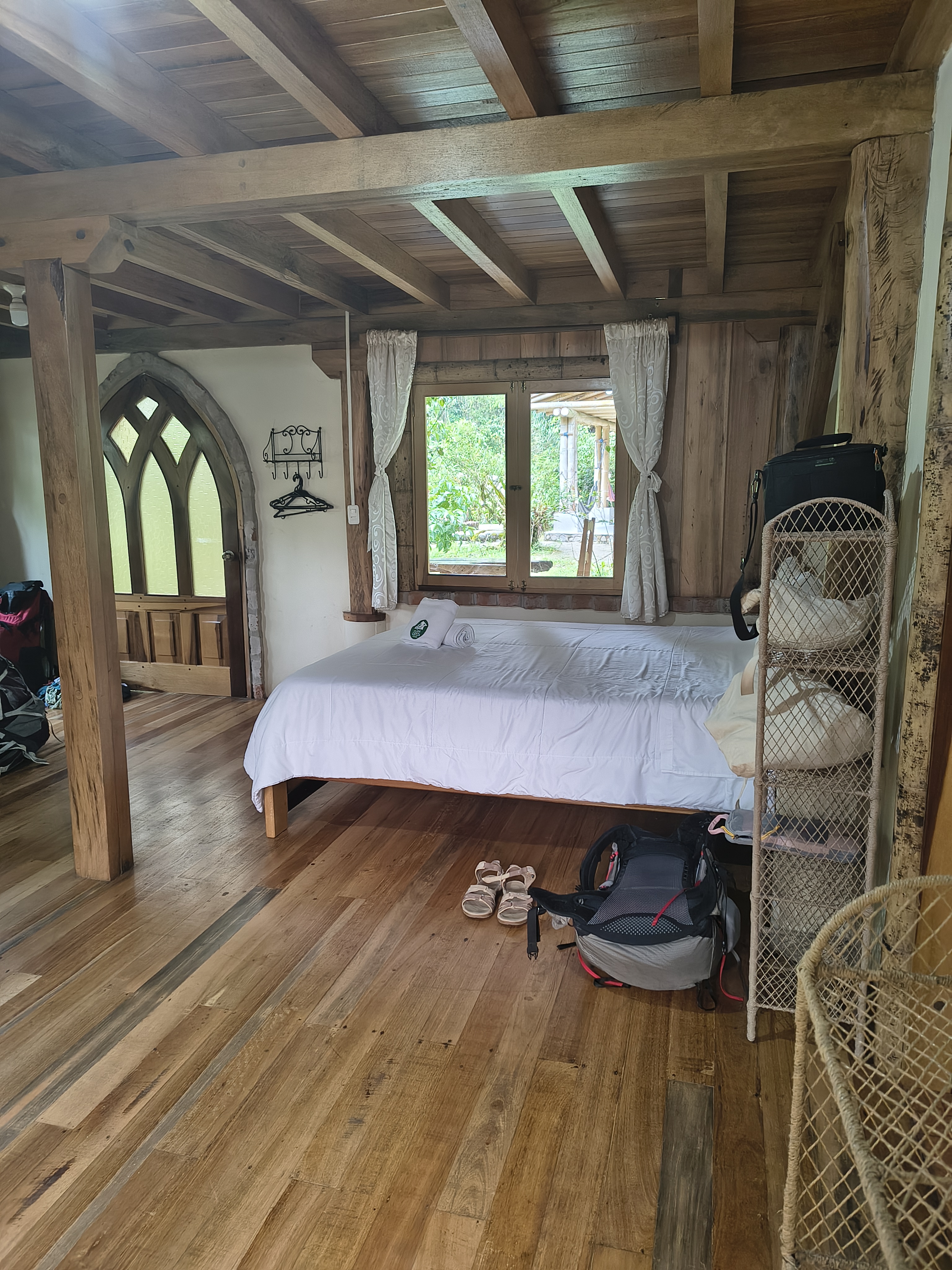
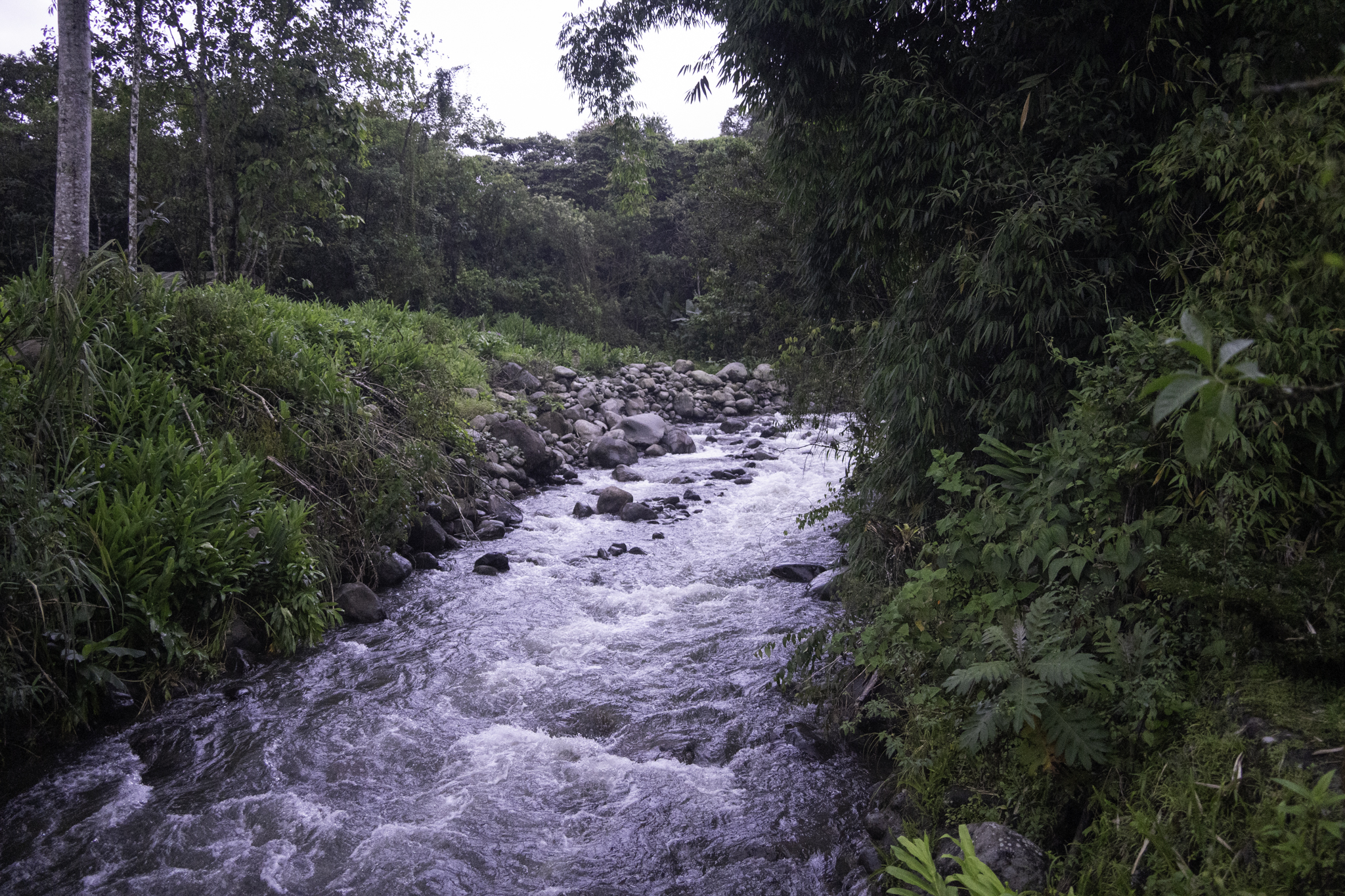
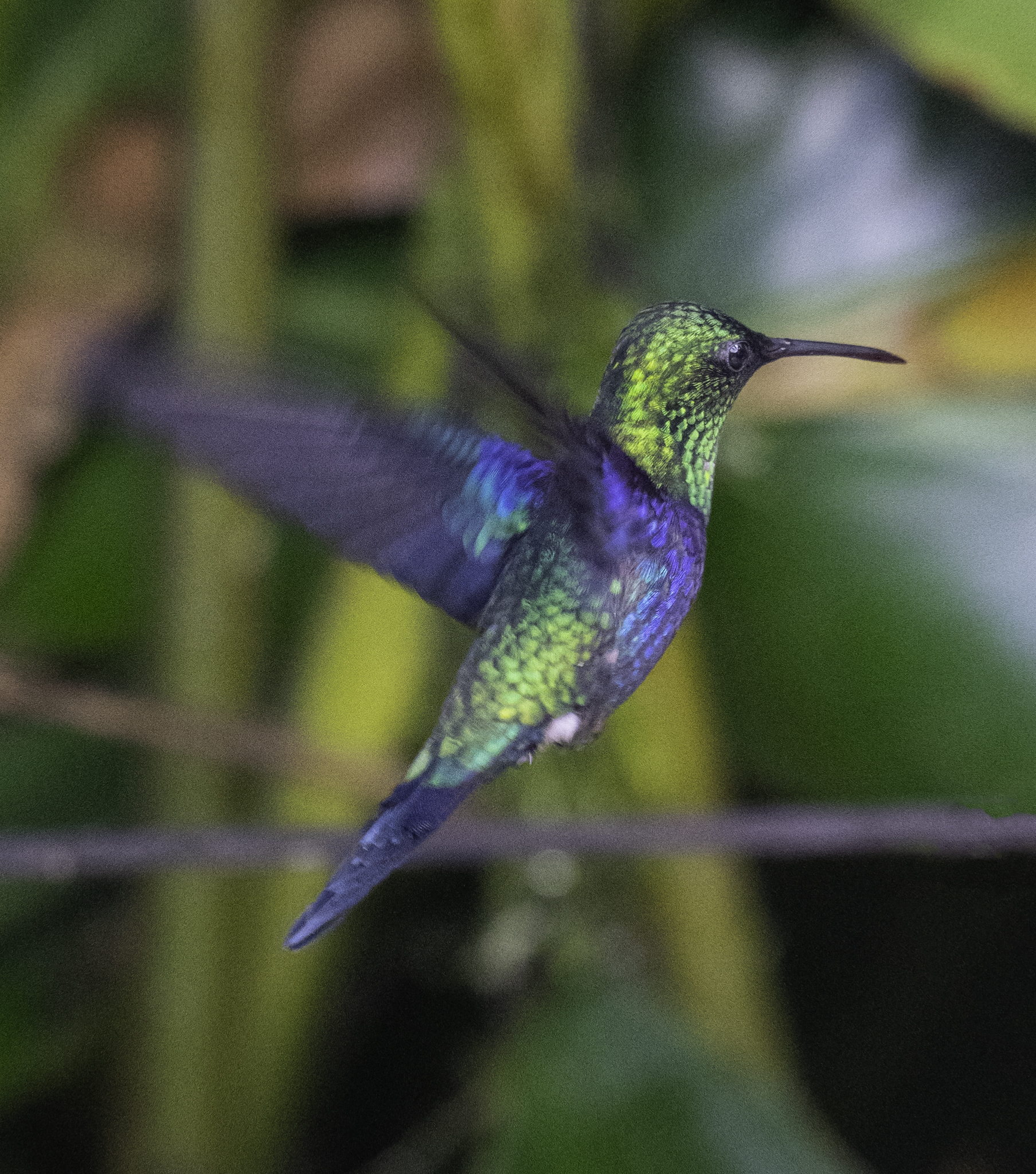
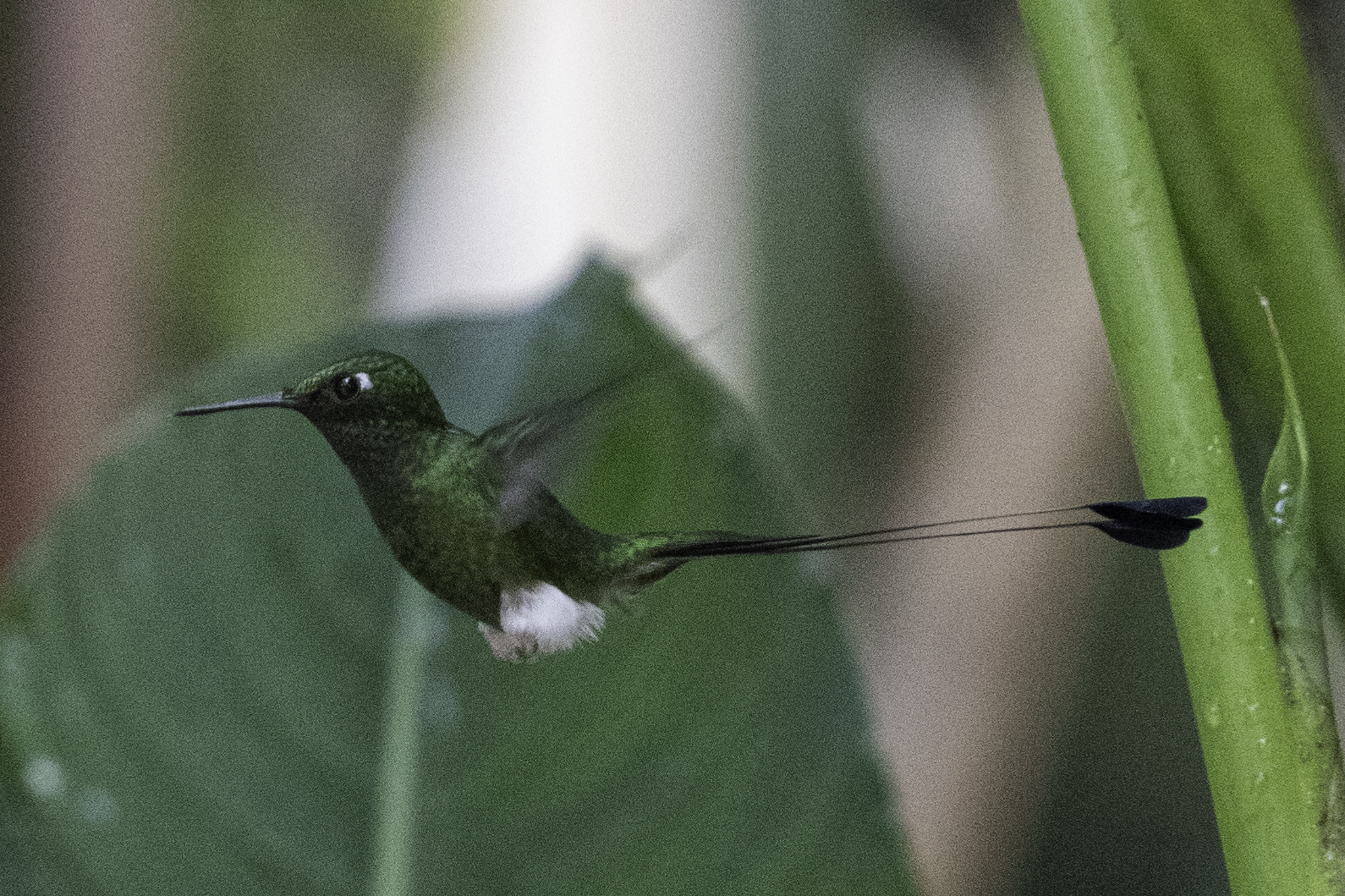
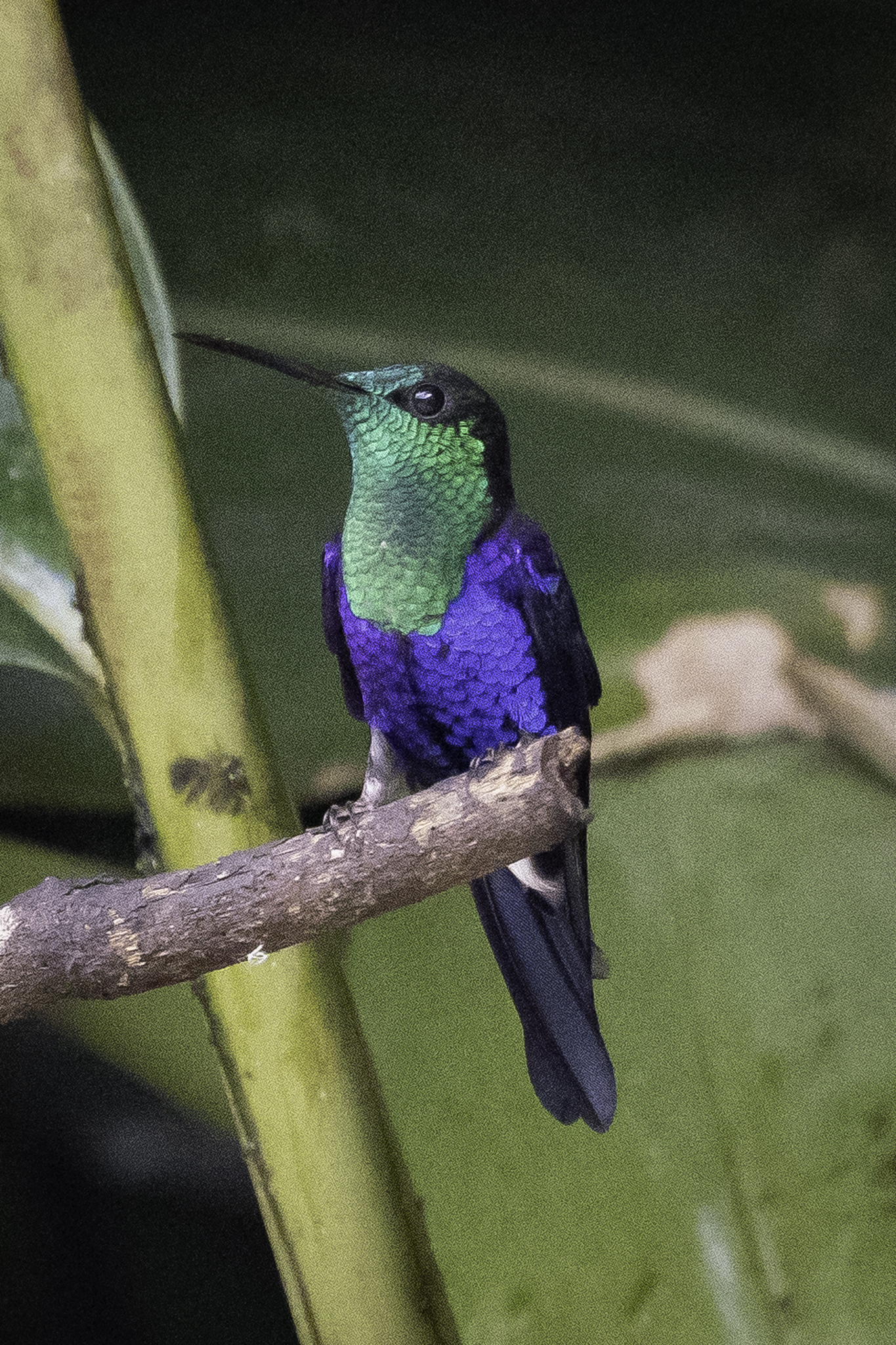
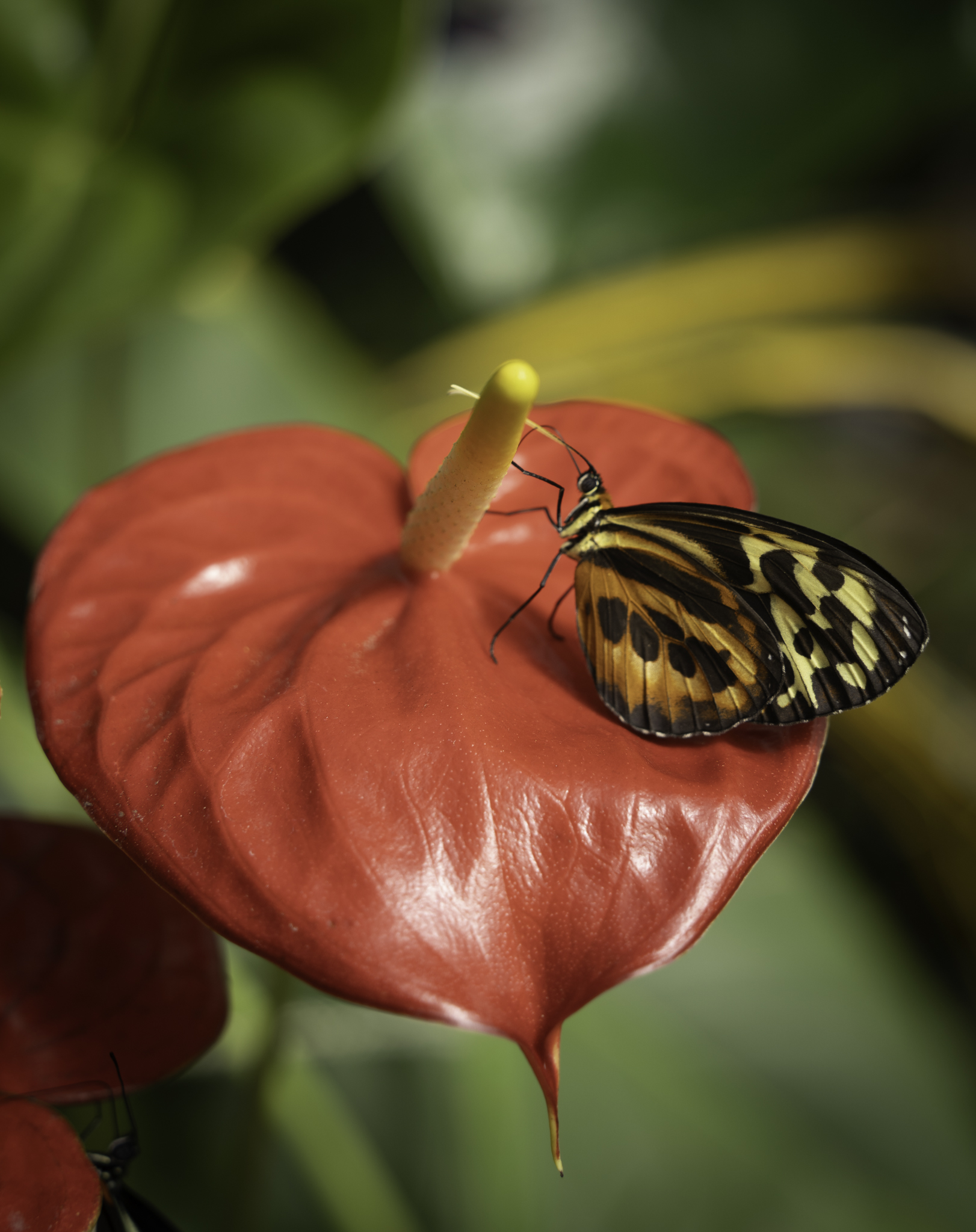
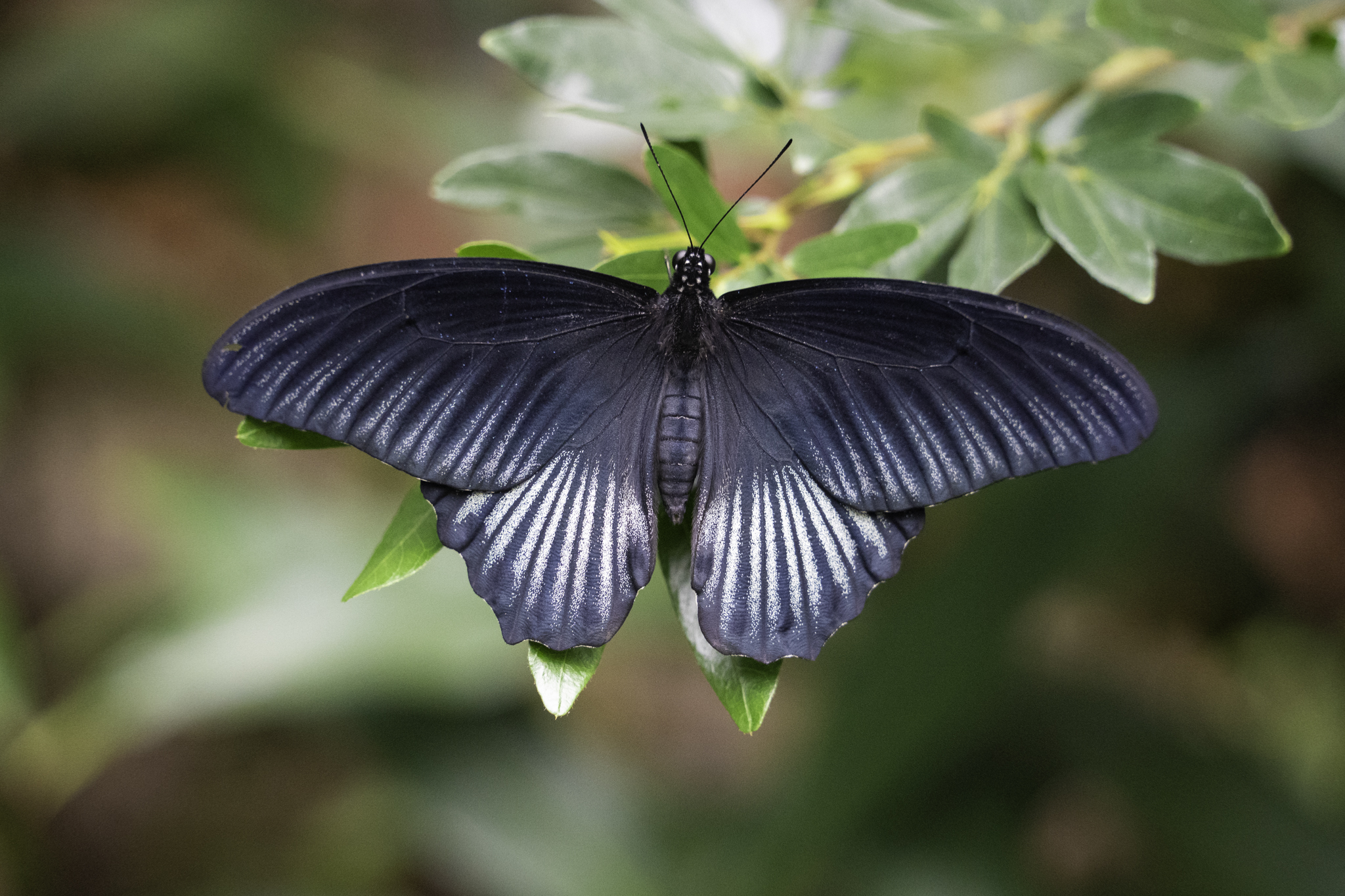
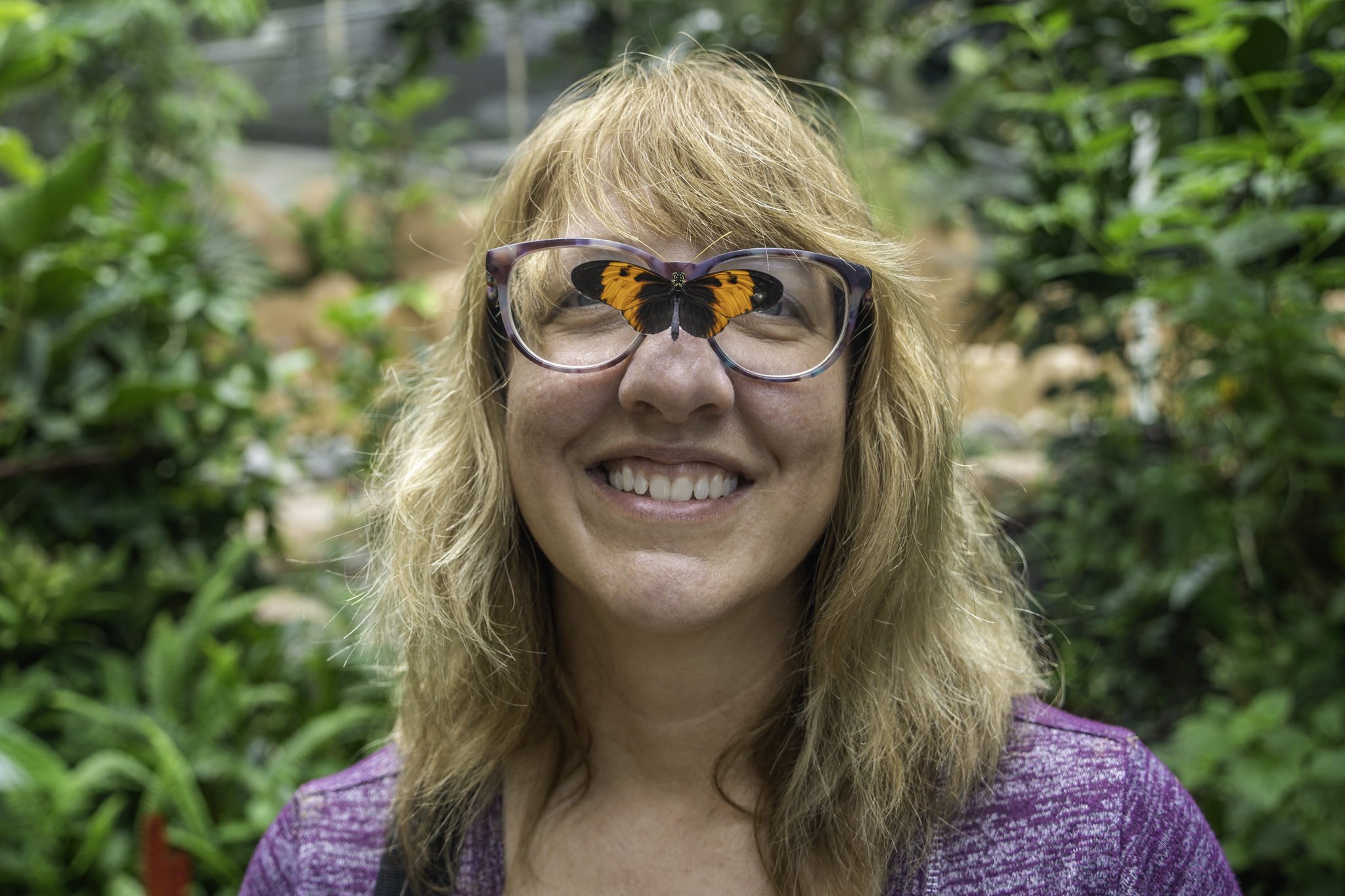
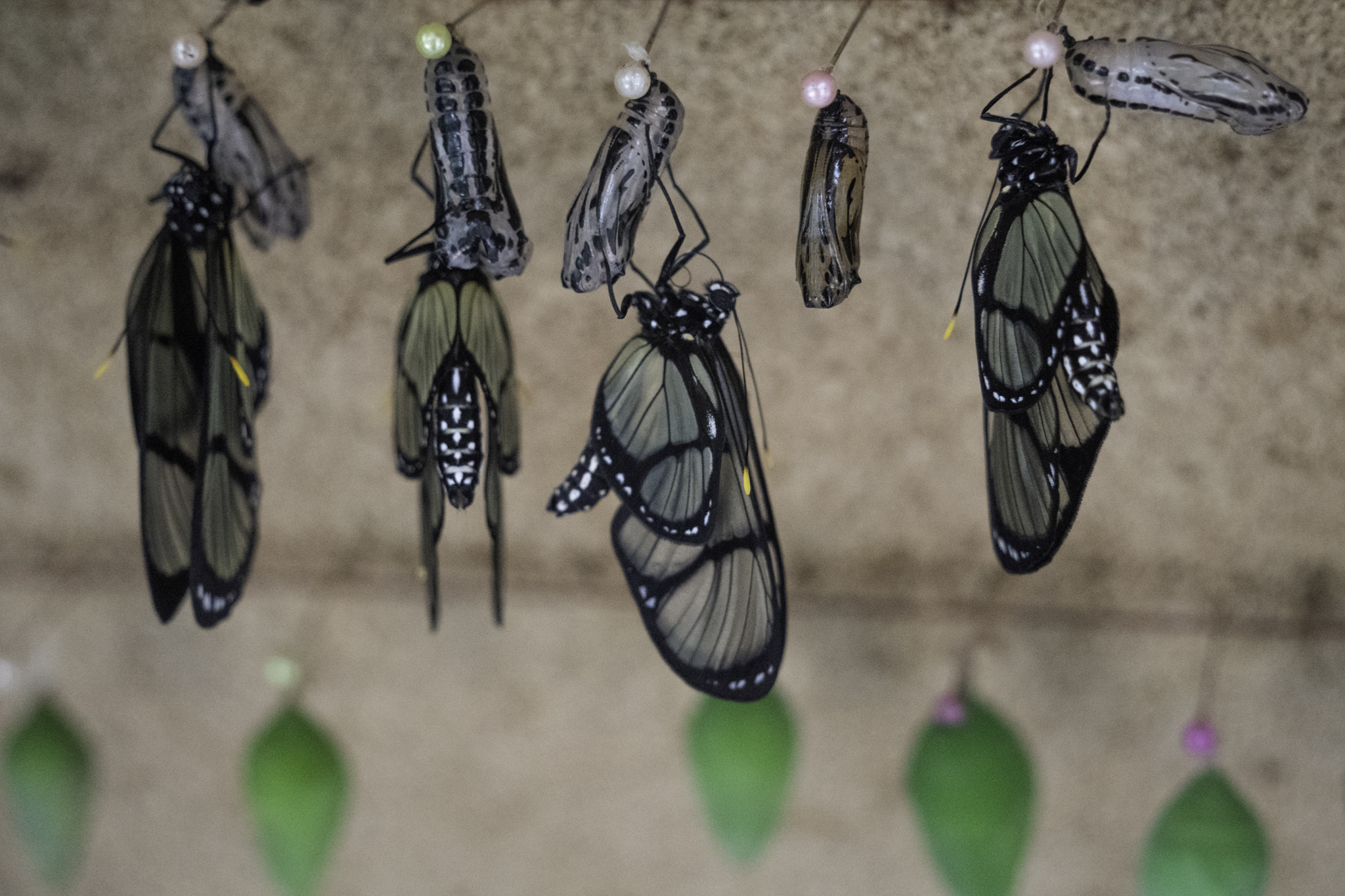
Mindo, the cloud forest and the accommodation we stayed at was a dream. The day we arrived it was overcast yet a bit humid. It was a relief to get out of the city, and though I was feeling a bit delicate from my stomach ailments and the sharp twists of the road leading into Mindo, my mood was optimistic and positive. It was so good to be really in nature, and our guesthouse was right amongst it. There was a healthy river running alongside the property, which drowned out the sound of human voices, a garden bursting with plants and flowers and dozens of hummingbirds, and the promise of butterflies in my near future. I love butterflies so one of the things we were definitely planning to do in Mindo was to visit Mariposas de Mindo. This butterfly breeding farm dedicated to the exhibition, reproduction and conservation of the butterflies was a great place to spend a couple of hours and I was in my bliss trying to capture the best possible photographs that I could. We also got to see butterflies hatching and gaining strength in the nursery part of the venue. I had never actually seen this in real life before, and there were several species hatching from their cocoons. It was so cool!
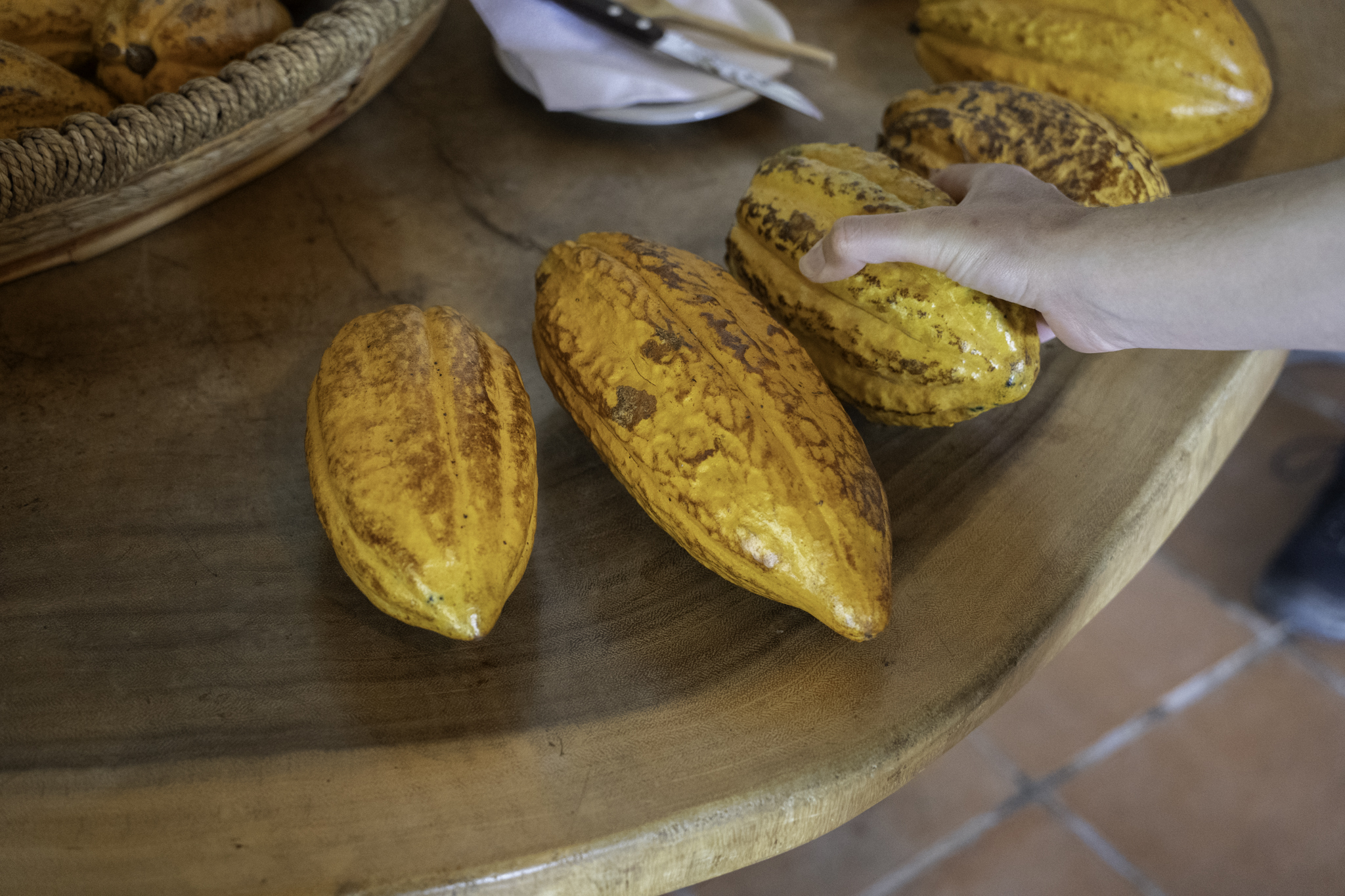
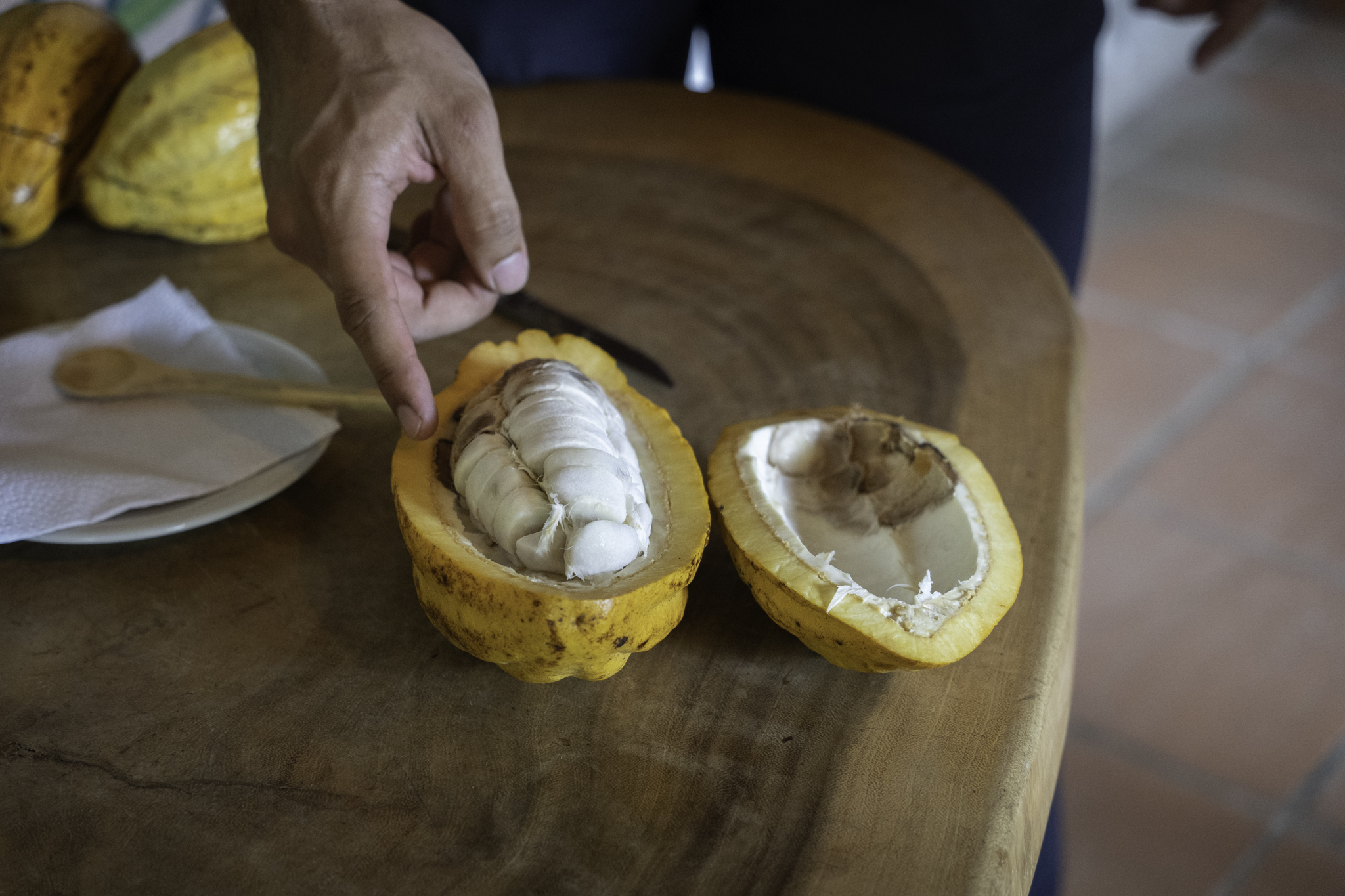
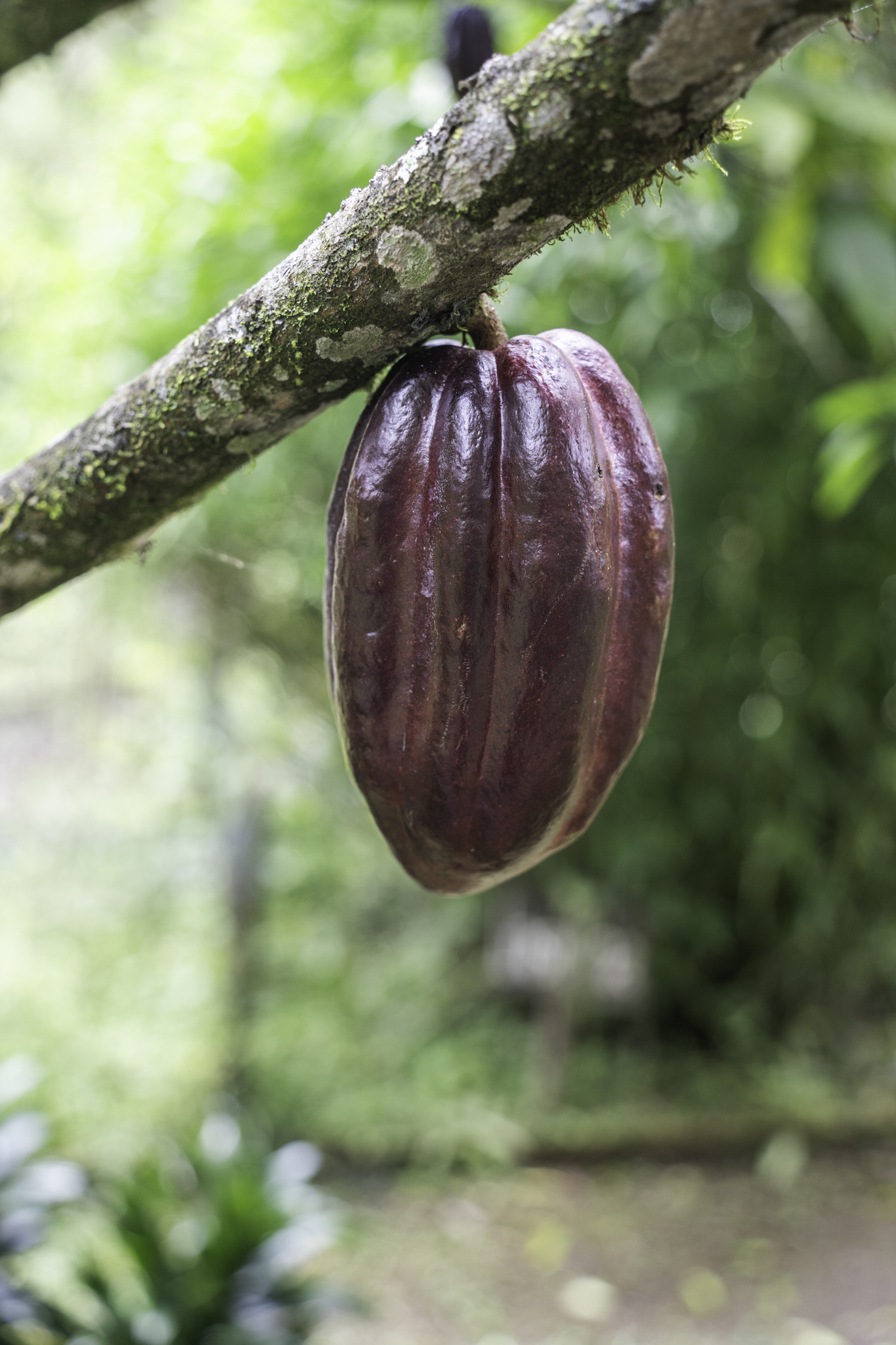
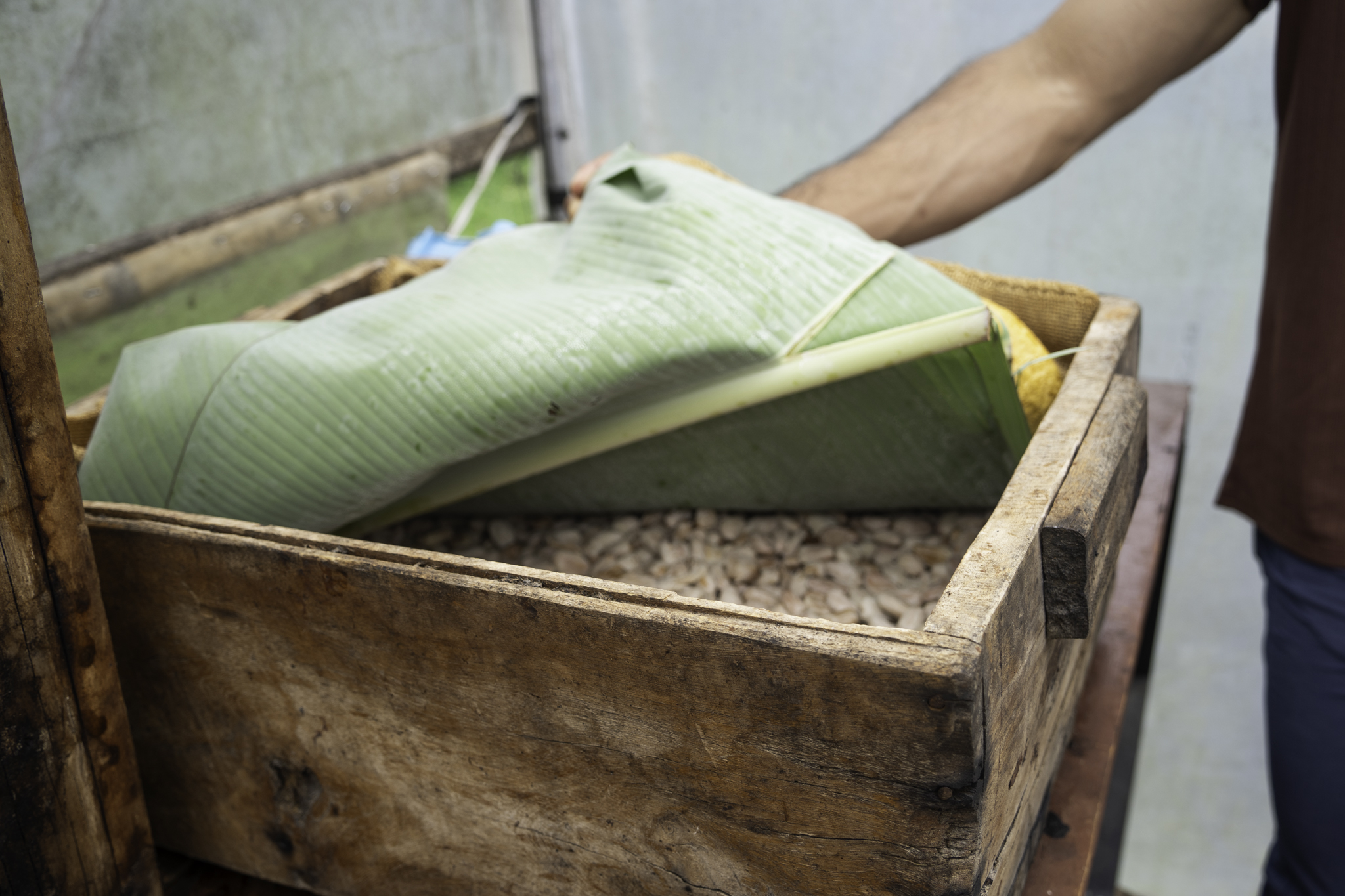
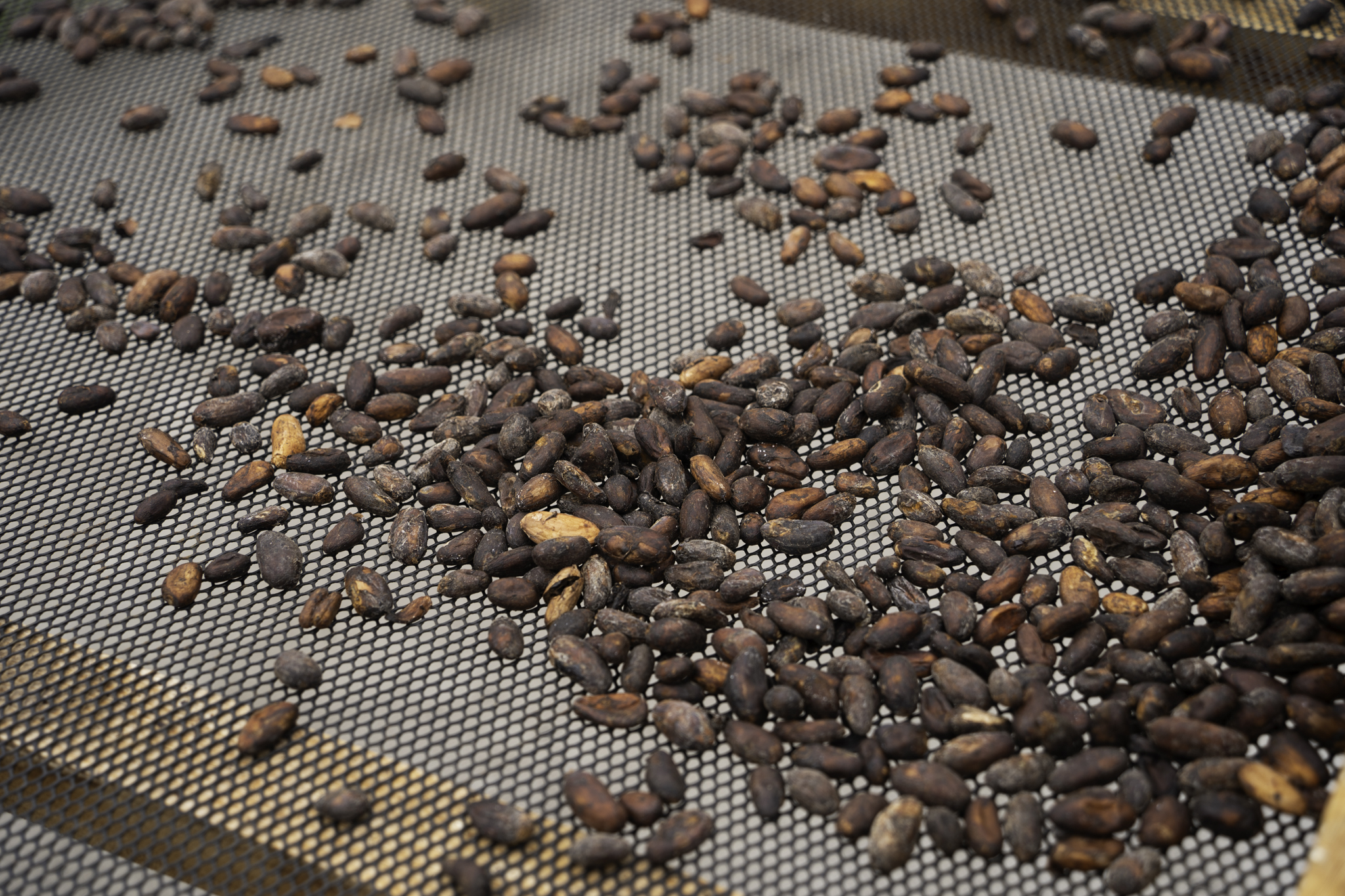
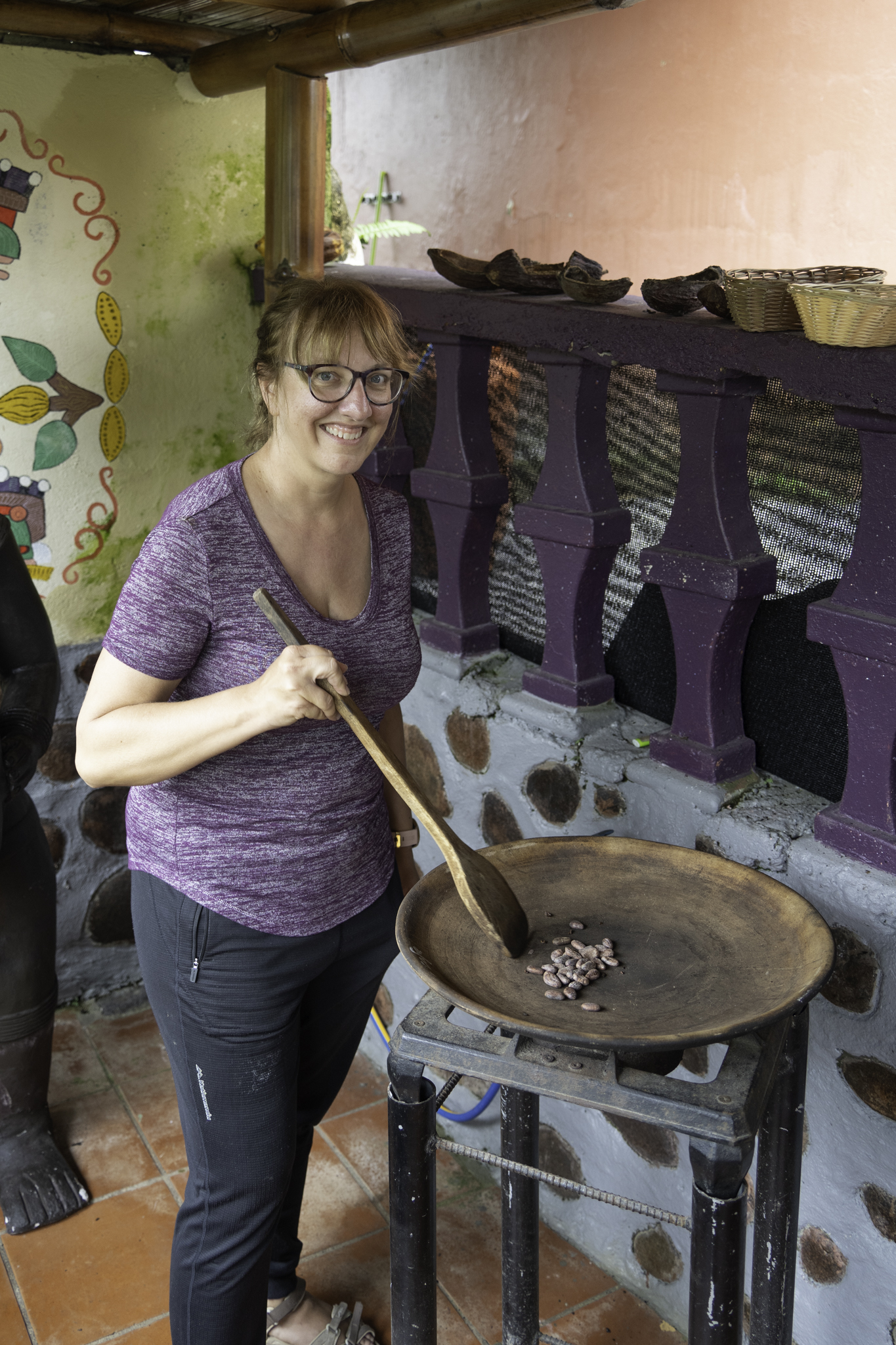
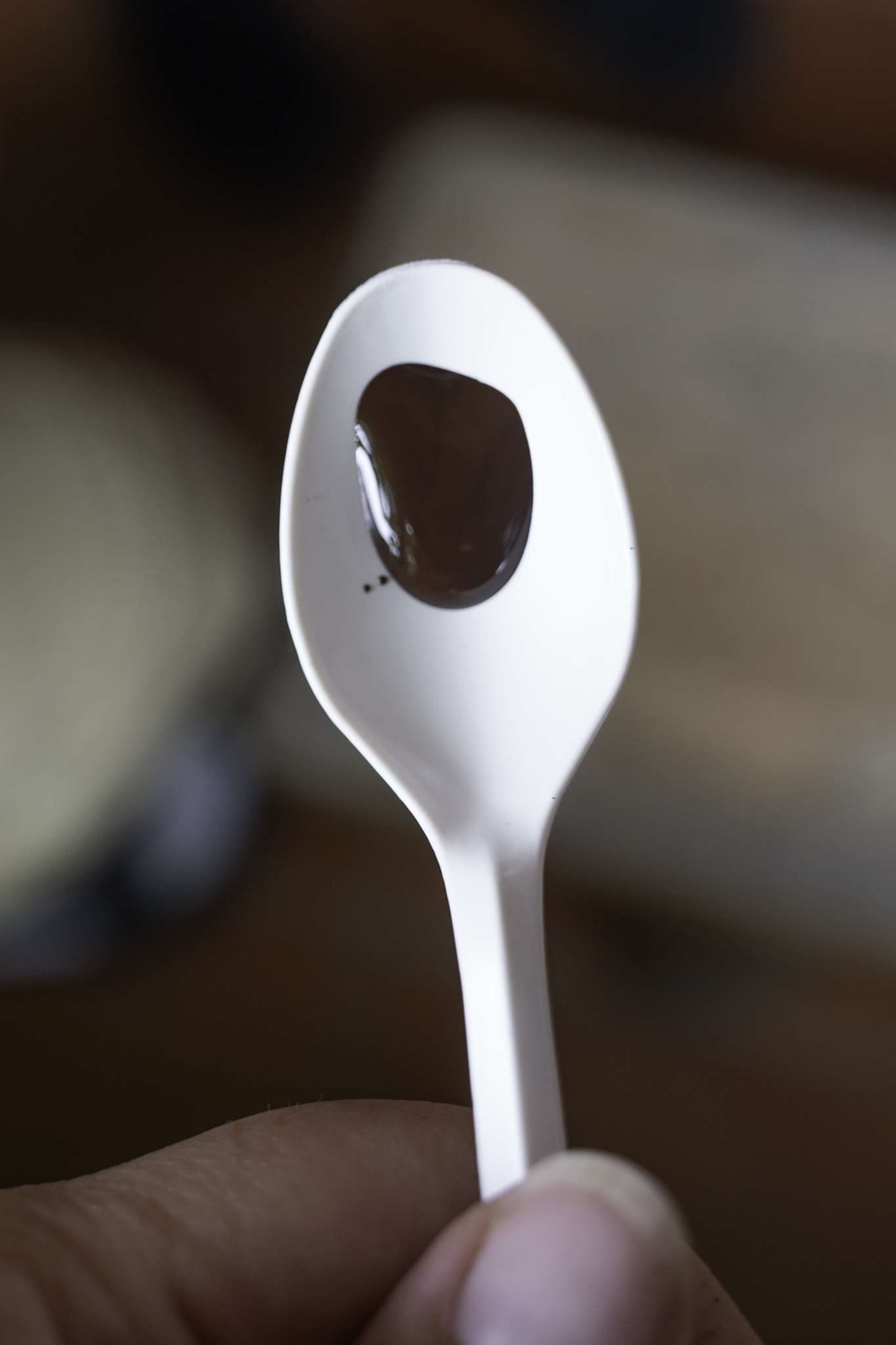
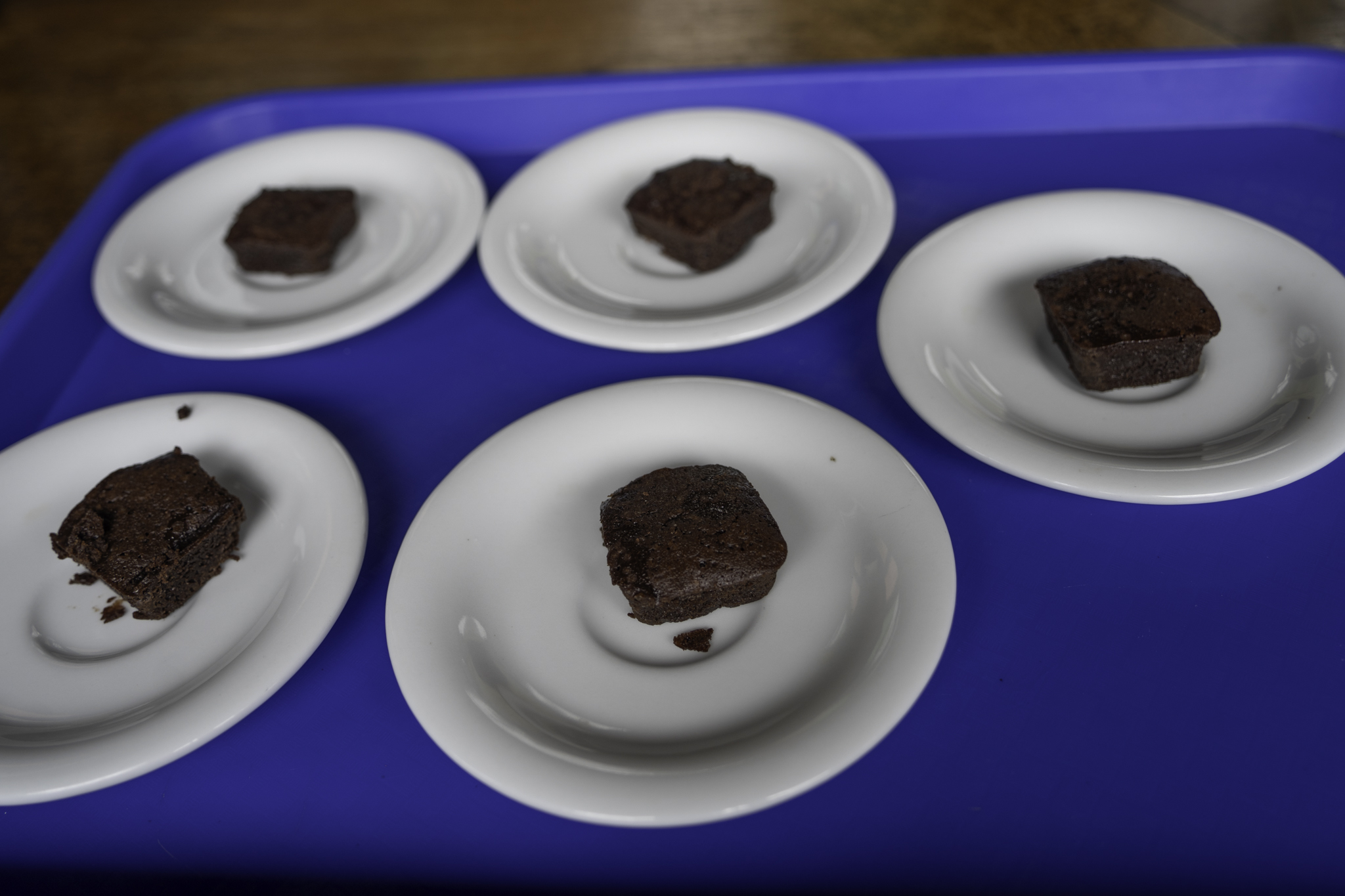
We also did a chocolate tour which was very illuminating for me, as I was only vaguely aware of how chocolate is made. The shop we went to was on the same property as our guesthouse, making it very convenient to get to the tour on time. We were taken through the shop’s different rooms and then out the back to the farm where the cacao fruit were growing. We got to taste the cacao, which when cut open (with much difficulty) looked and tasted somewhat like mangosteen, a fruit that I love and rarely get to eat. The beans of this plant are harvested along with its natural pulps and left to ferment in a humid greenhouse for 4-8 days, then dried for 1-3 weeks depending on the weather. The dried bean is what starts to get the aroma of chocolate. Once the beans are dry enough, they are roasted and then winnowed to remove the husks, much like coffee beans. The nibs that result are ground down to make a powder or paste and then mixed with different flavouring for us to taste, and to make it the chocolatey substance we’re used to seeing. We got to taste different flavours of chocolate but were first asked if we were addicted to chocolate? Or to sugar? I knew in my heart of hearts that my answer was the latter, so I wasn’t expecting to like the chocolate that much since the shop we did our tour with don’t go below 67% cocoa, which to me is quite bitter. I was pleasantly surprised with how good the chocolate was and enjoyed the cardamom flavour the best.
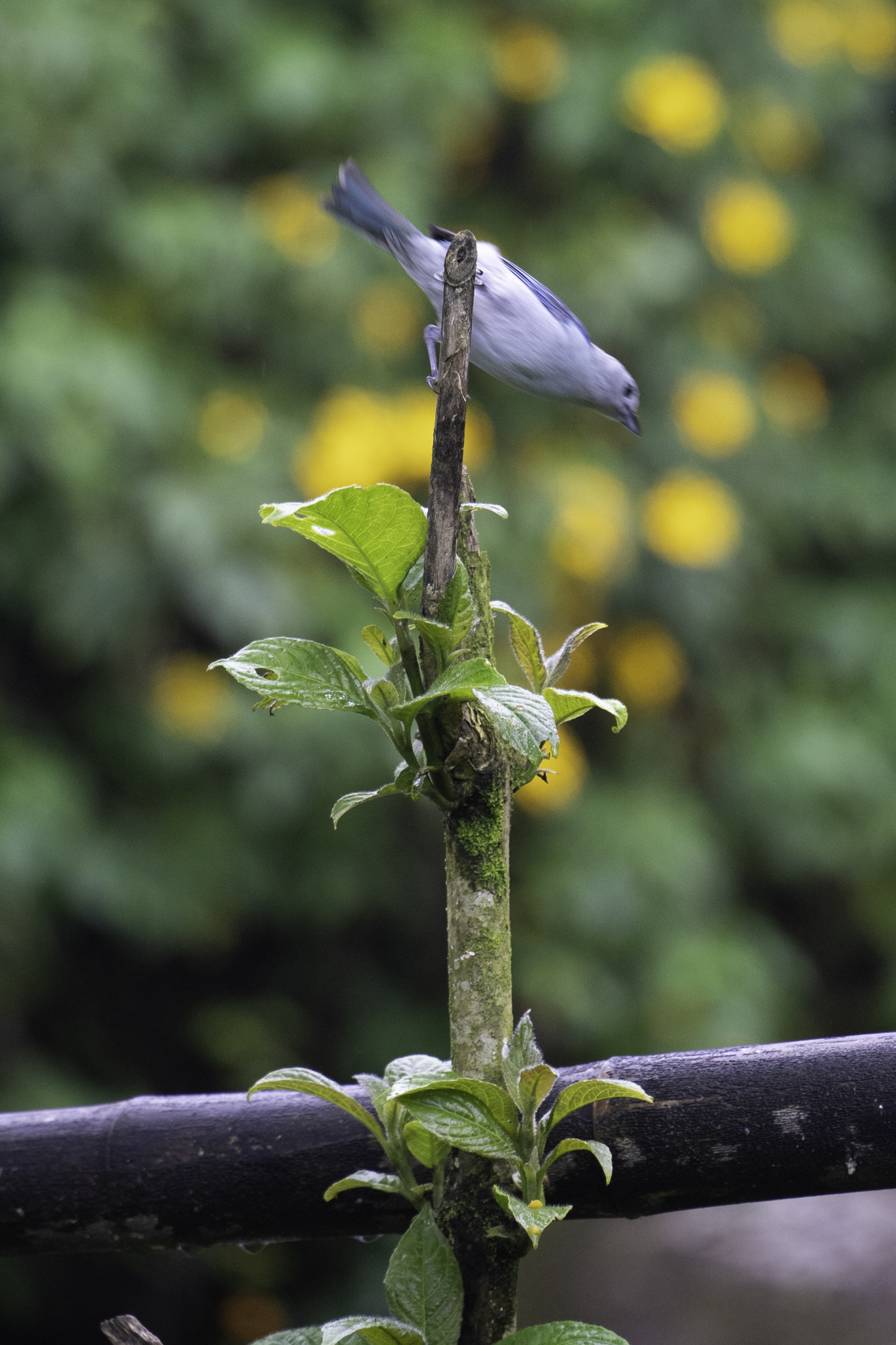
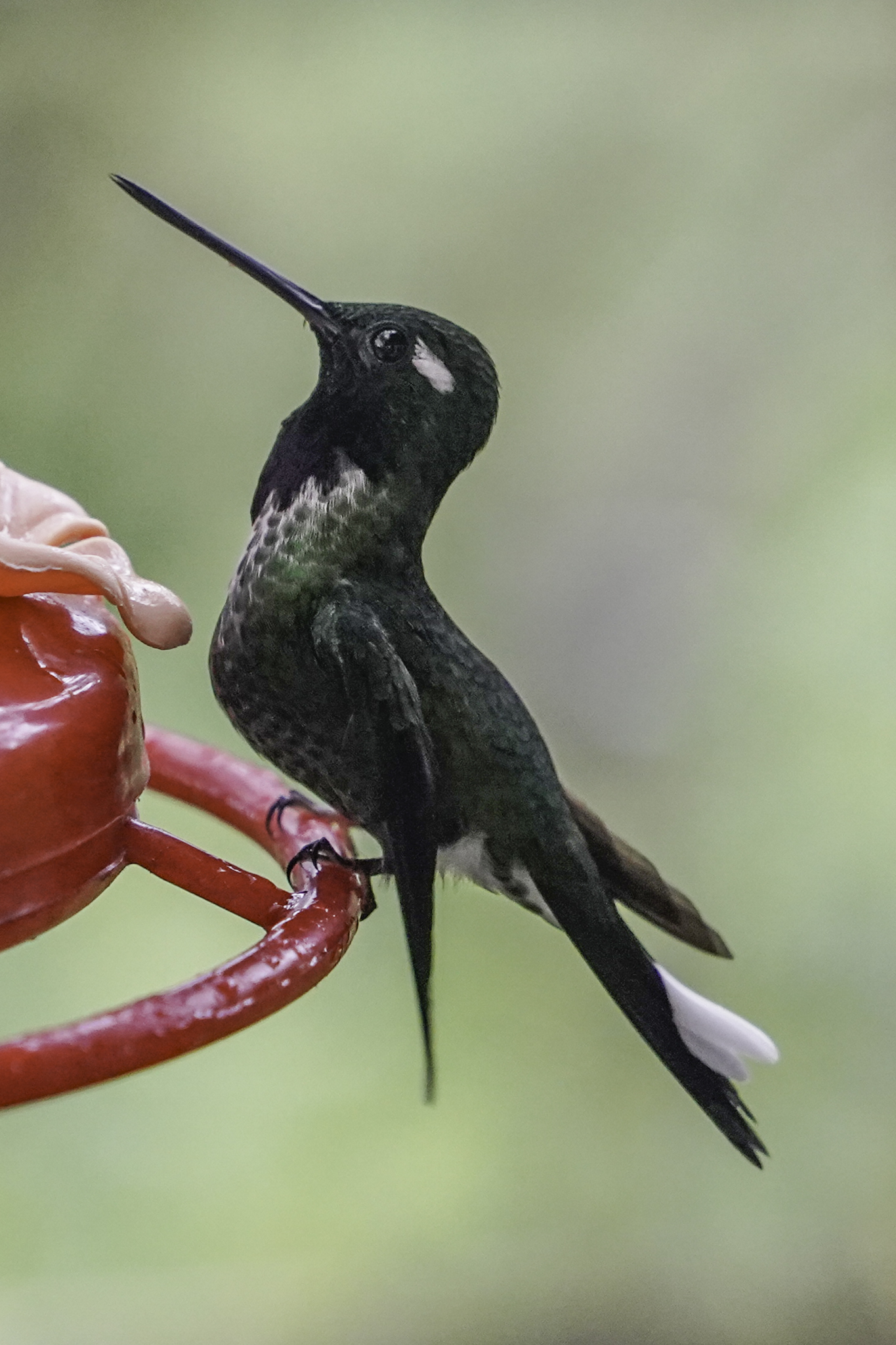
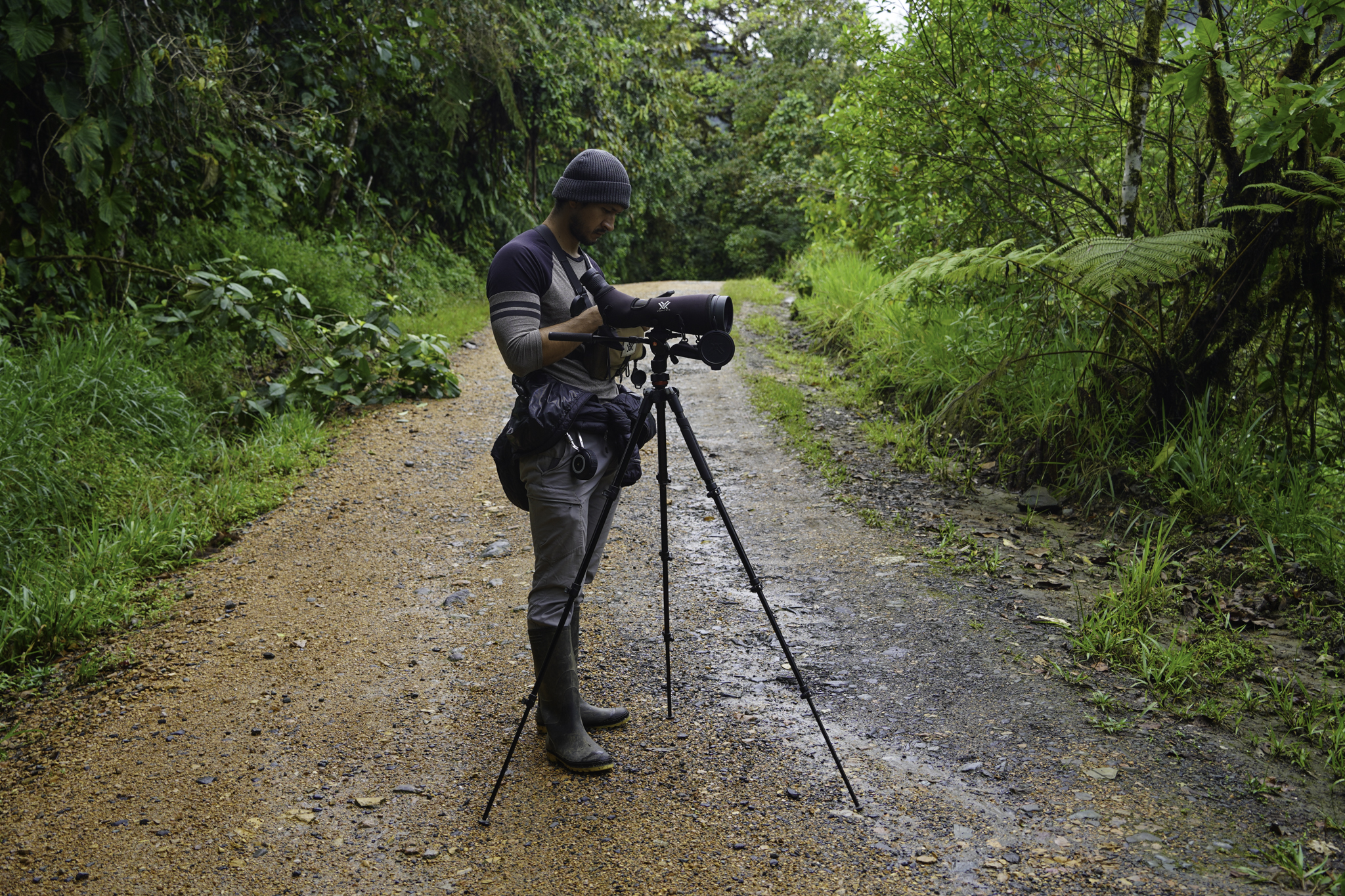
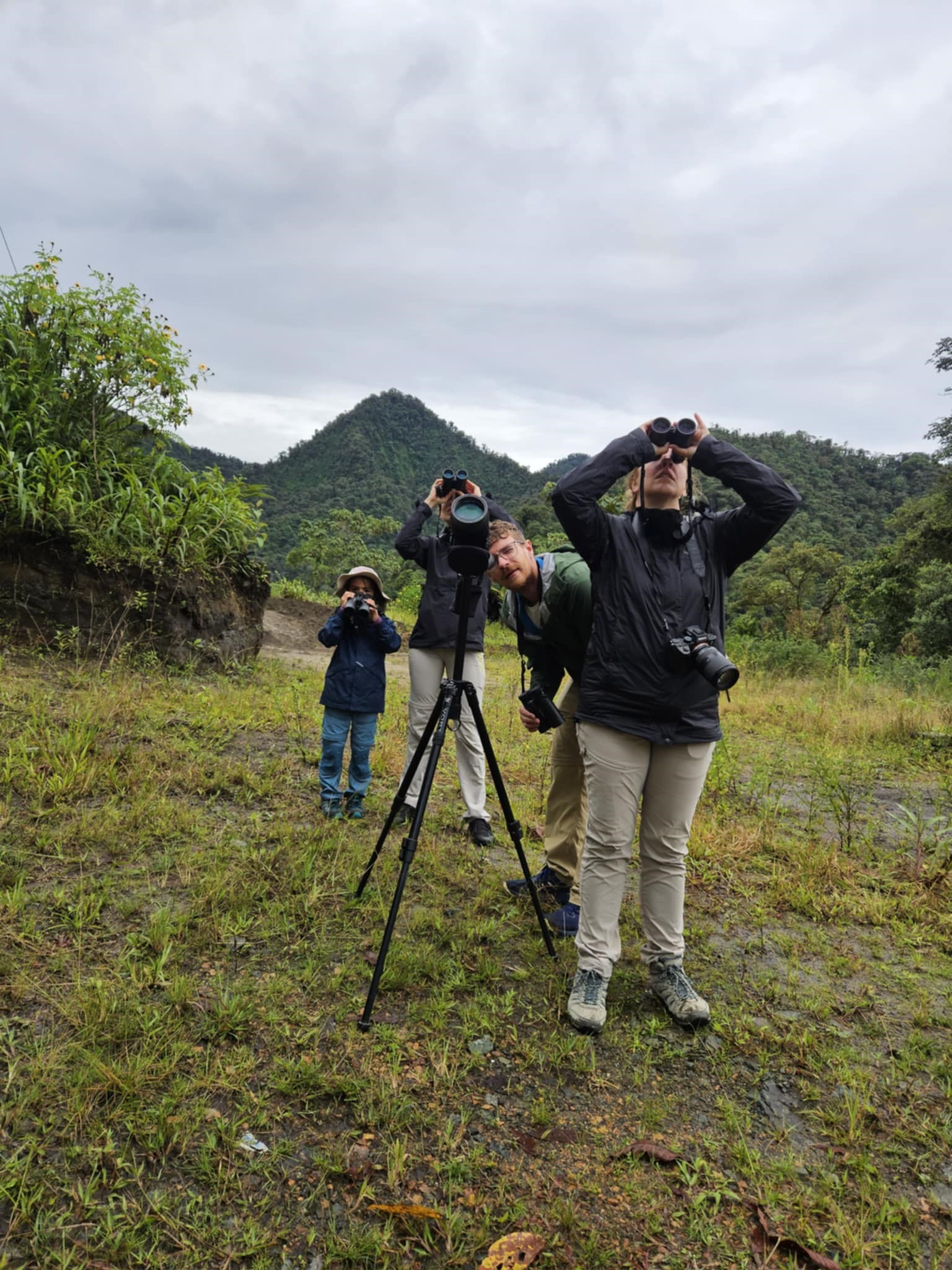
The next day we did an early morning bird-watching tour. To our amusement, our guide was the same guy who had taught us about chocolate the afternoon before. He was dressed differently and tired because of the early hour, and we were in the back seat of his vehicle…so…was it him? Hard to tell. It was a bit dark. Callum was sure of it. He doesn’t forget muscular arms and recognized the guy’s biceps and forearms. I just took his word for it. We asked him later in the day when we felt more comfortable if lots of people worked multiple jobs. He said yes, in fact, it was important to diversify in case one industry is proving to be slower than usual. He always has work because he is knowledgeable about both chocolate and birds.
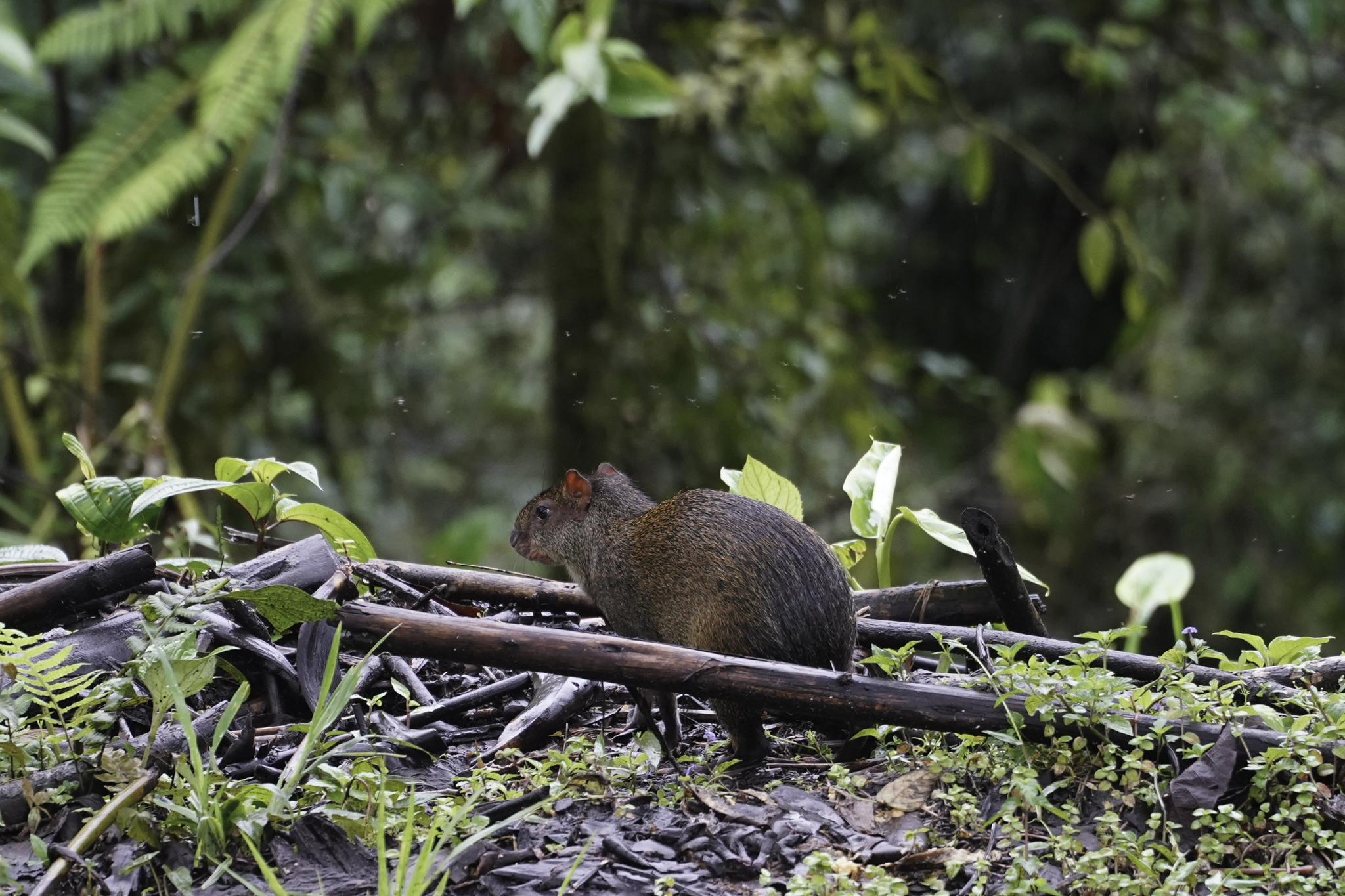
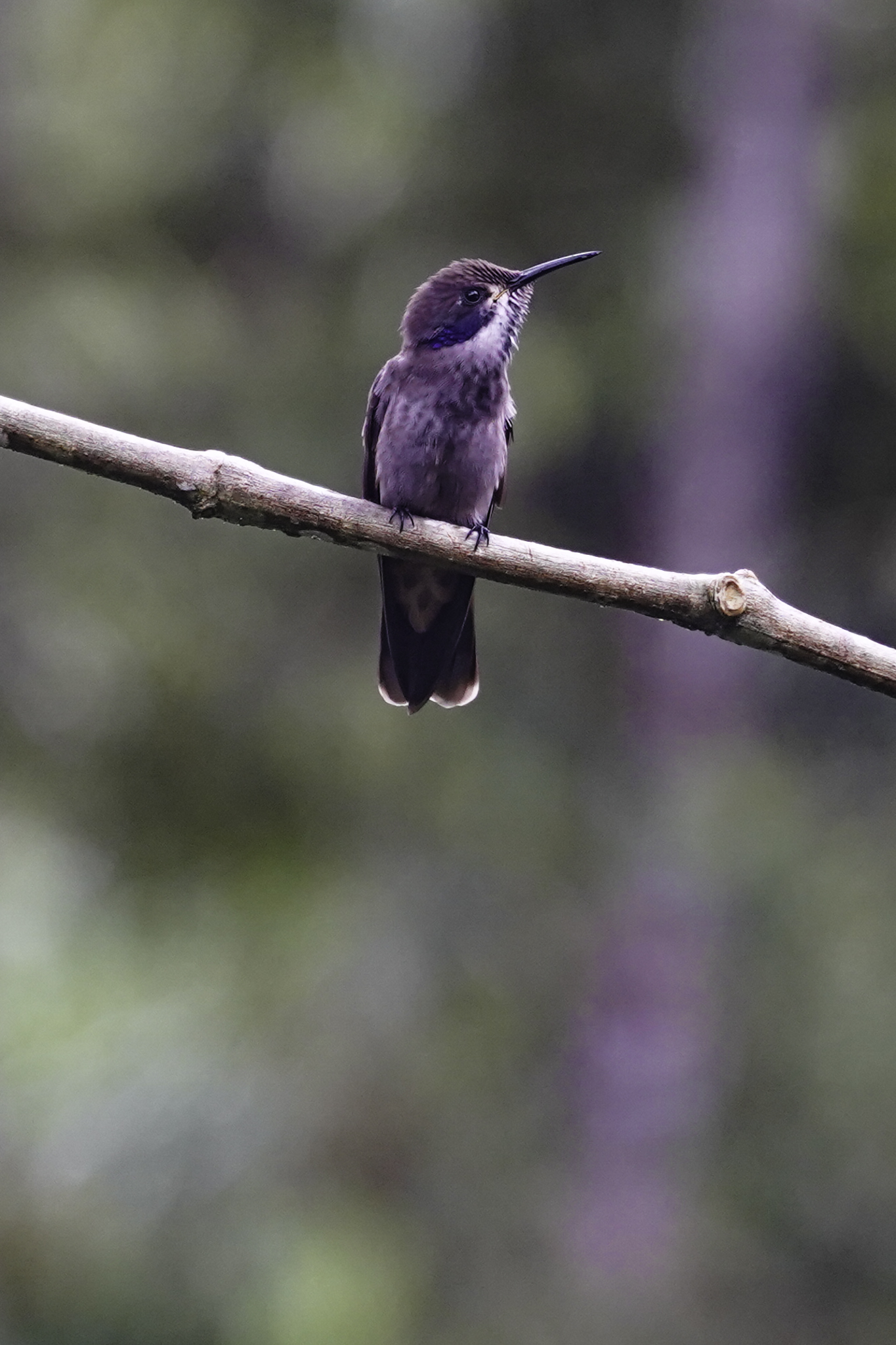
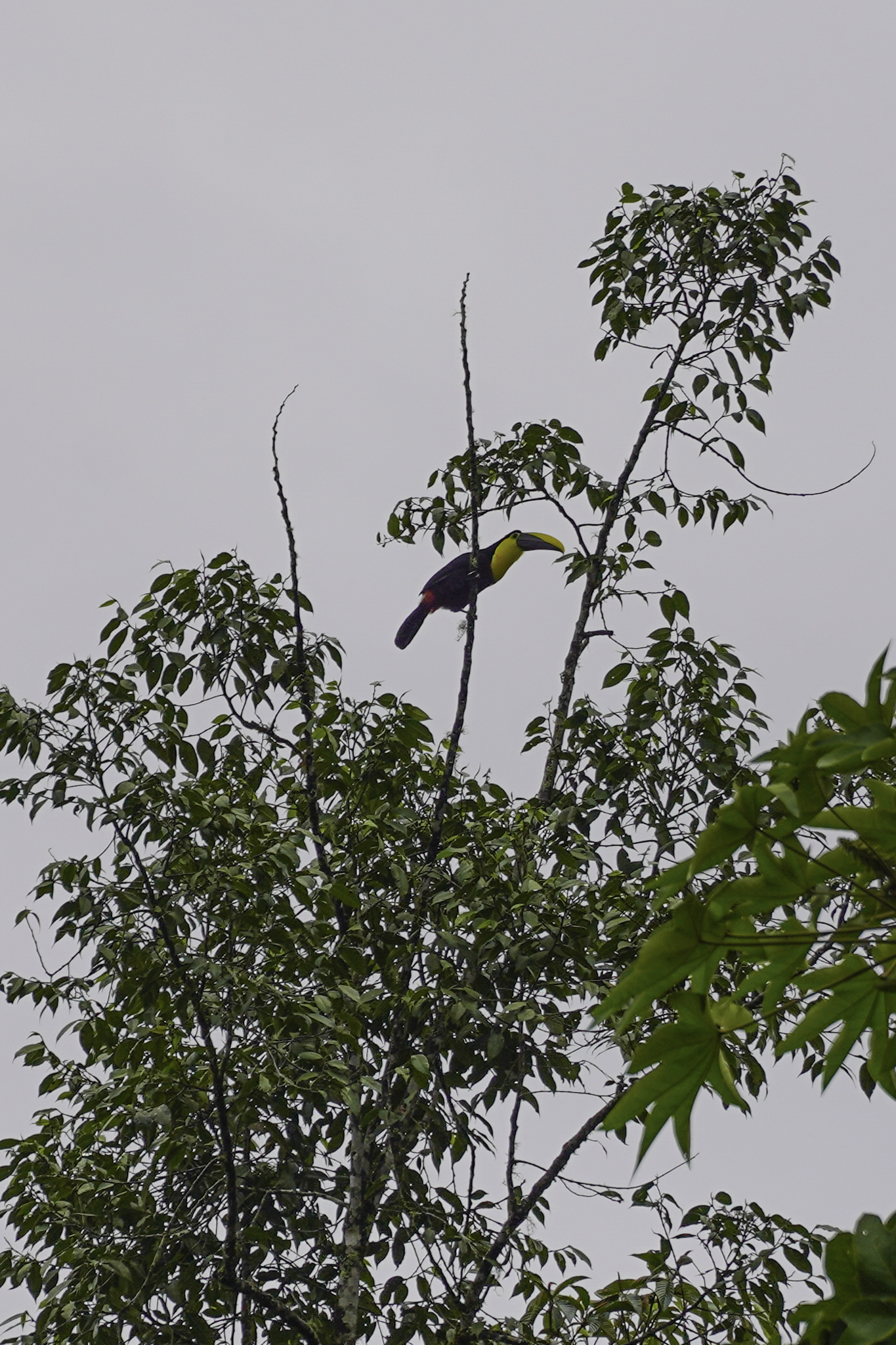
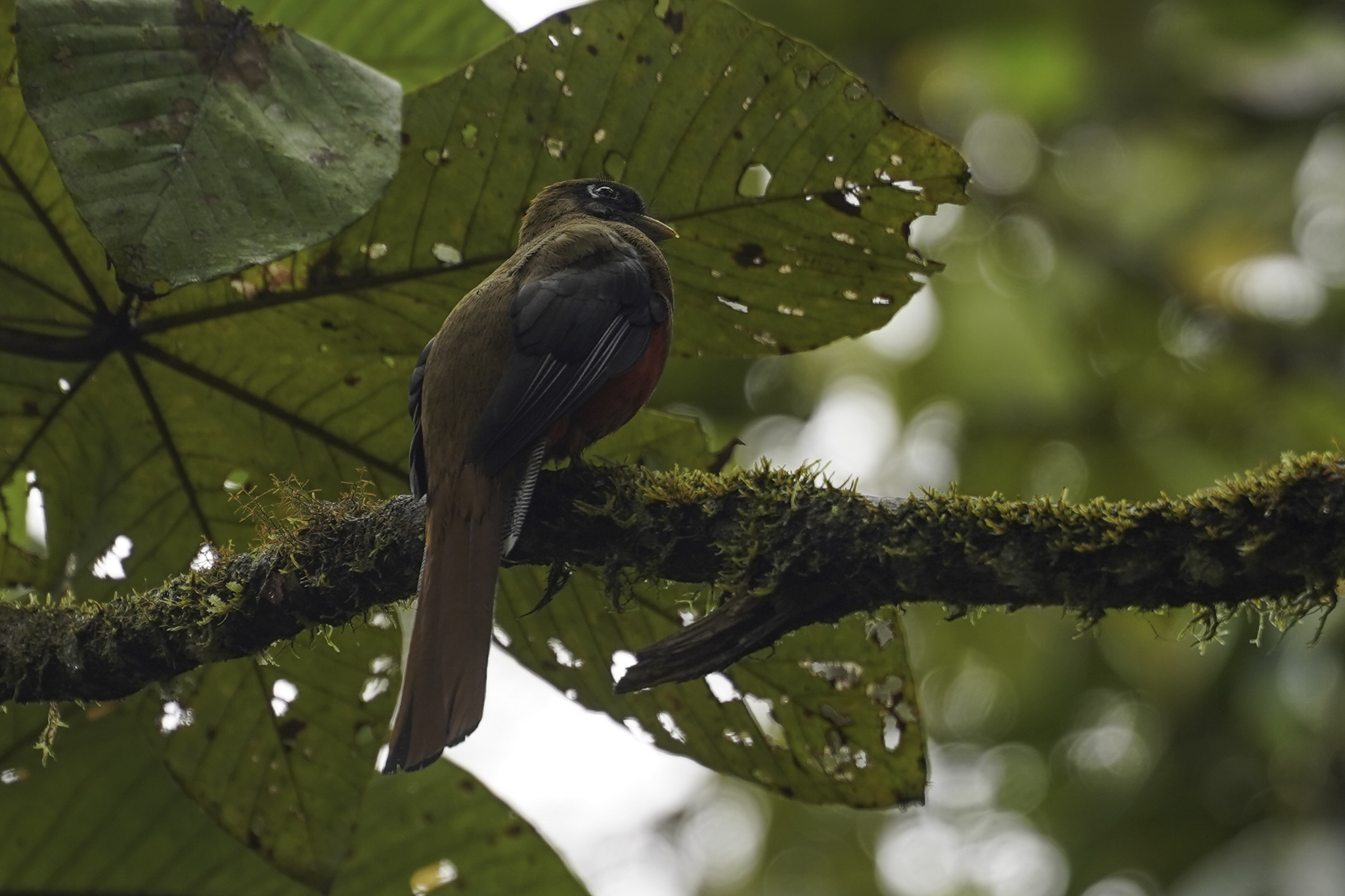
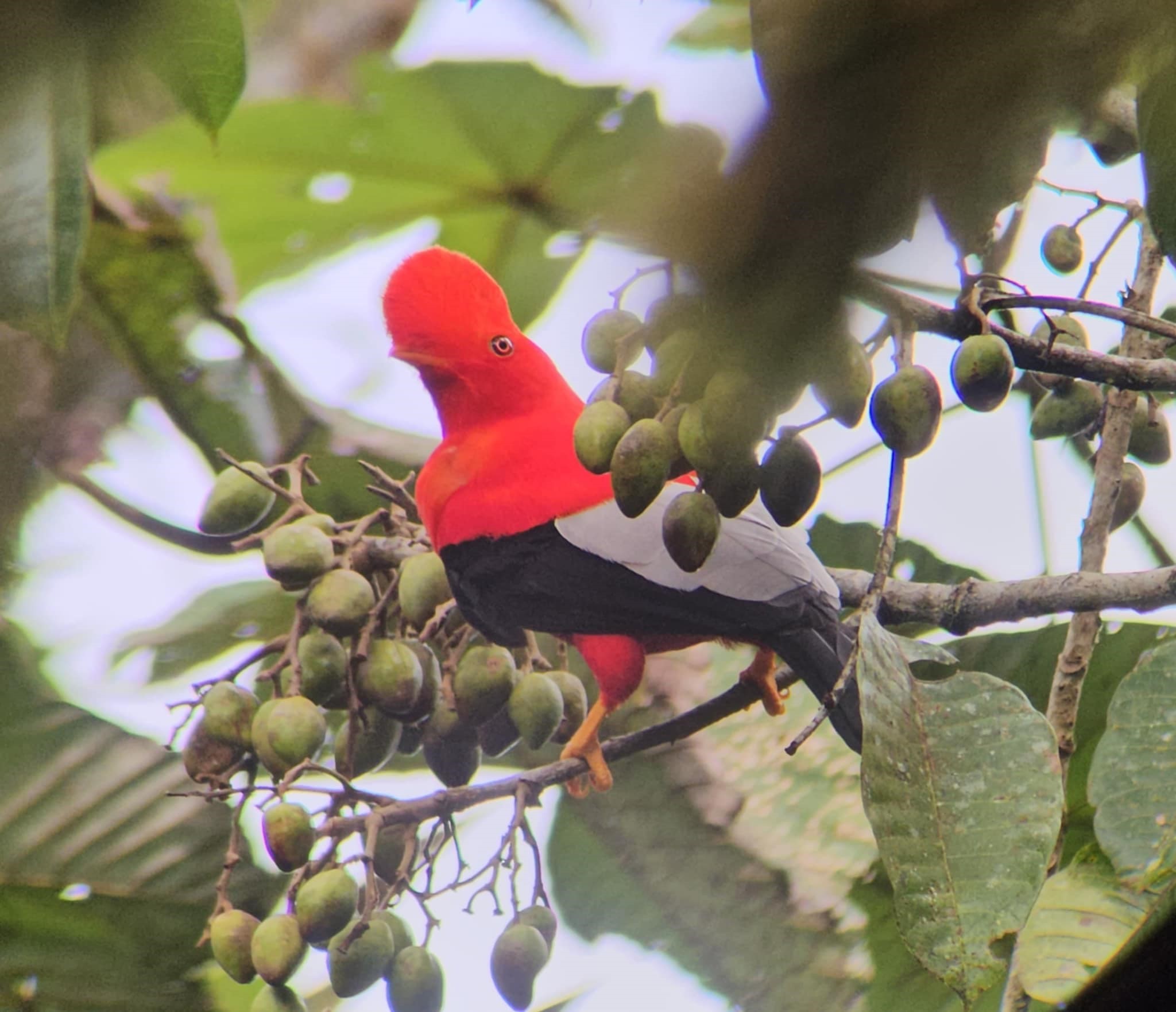
The tour was a bit ho-hum in terms of birds seen—well, we did see quite a few different species, but always at a great distance. My joy is in taking photographs and the poor lighting, height and distance of the birds we saw made taking pictures quite difficult. It was, however, lovely to be in nature and to be with a local who was clearly passionate about his country and region. We were fed a nice breakfast and even got to spot a rare bird: the cock-of-the-rock, albeit from far away. My camera did not know what I wanted it to focus on through so many branches, so I just had to be content with my view via the binoculars that were provided for us. I had hoped to see a quetzal but no such luck. Another time, another visit.

After our three days in Mindo, we were driving once more to Quito to take our flight out of the country. Along the way, we got our driver to stop for a couple of hours in Cuidad Mitad del Mundo, the town that is on the equator. We went to two ‘museums’. The first one was simply called Mitad del Mundo which was basically like Disneyland and a bit gimmicky, but a good place to get your picture of yourself standing in both the northern and southern hemispheres at the same time. A short 10-minute walk away along the highway is the other museum Museo de Sitio Intiñan which was also like Disneyland, but more natural and like a well-oiled machine. To visit you must do a tour. We only had 45 minutes for an hour-long tour, and thankfully we were put with only one other couple who didn’t seem to mind the rushed program. Our guide talked about how they experience life at latitude 000 and showed us fun things like swirling water clockwise in one hemisphere, counterclockwise in another. The interesting thing about this location on planet earth is that it is the only city in the world on the equator that is in a mountainous region. There are many other cities worldwide that are on or very near the equator, however. I marvelled at all of the flowers blooming and thought to myself how wonderful it was that we happened to be there in spring. I realised that the weather must not change at all…I confirmed with our guide that it always looks like spring, and that every day is always 12 hours of light, 12 hours of dark, year-round. How strange! Very easy to live a life of routine, though.
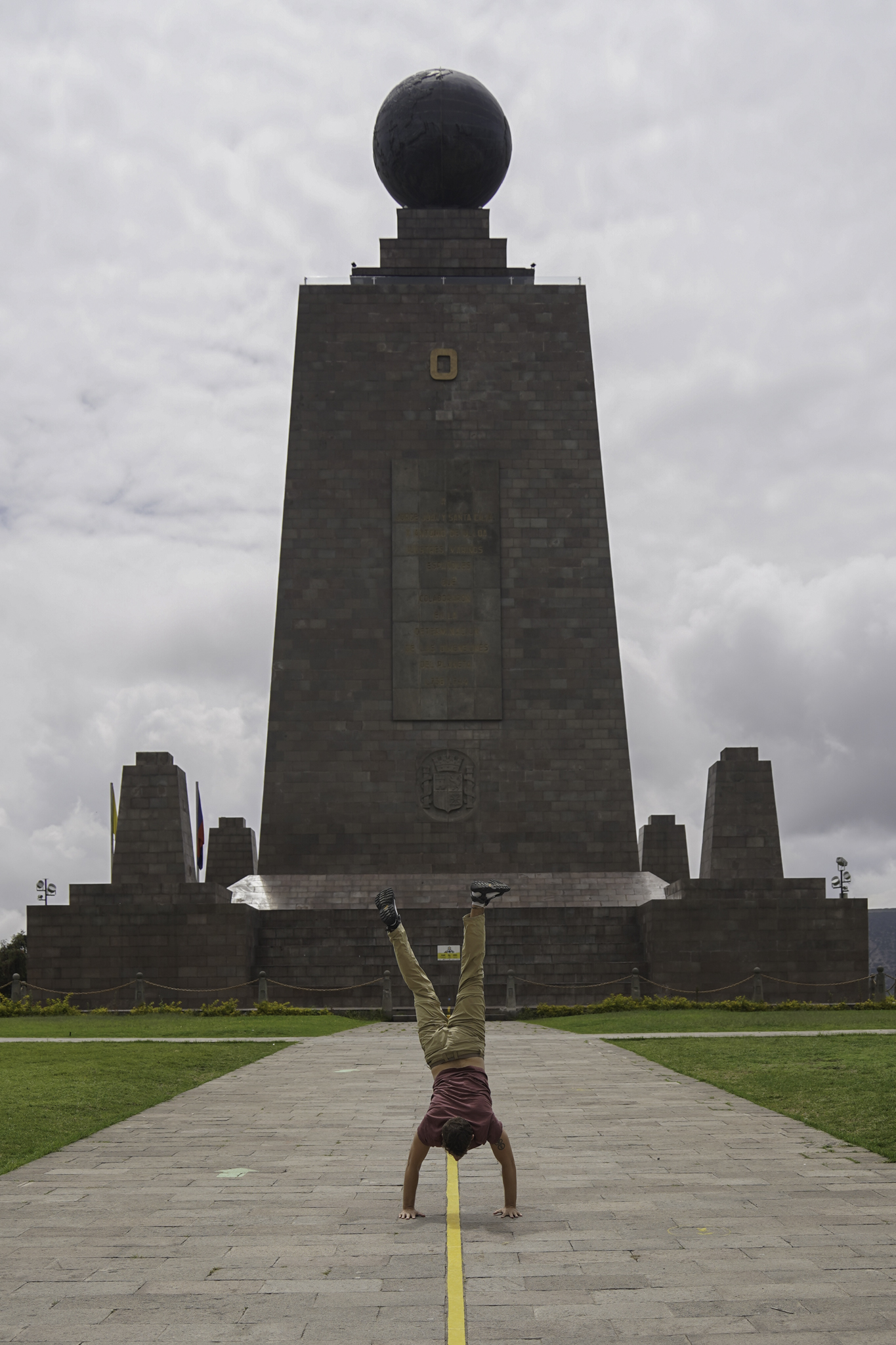
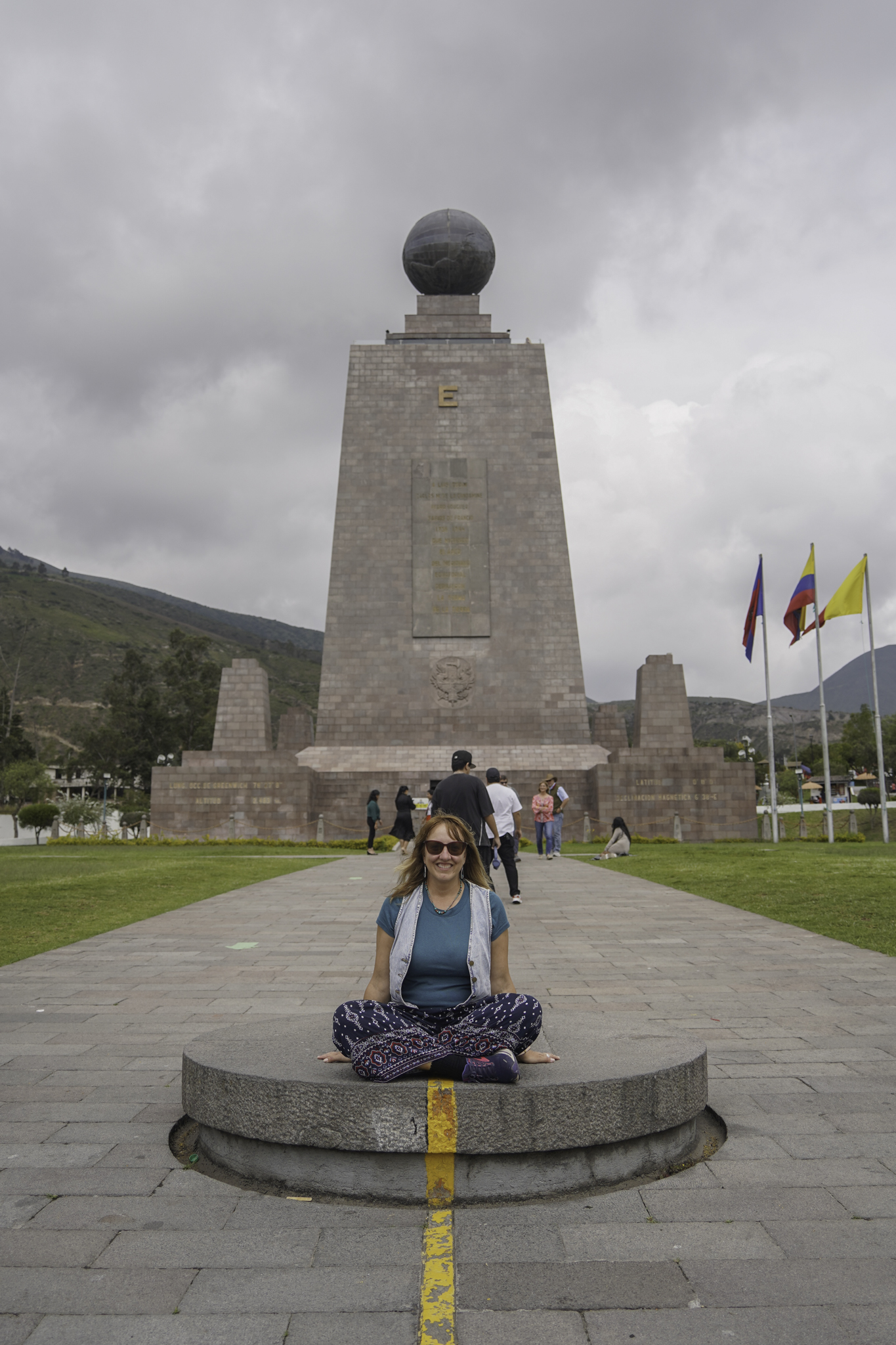
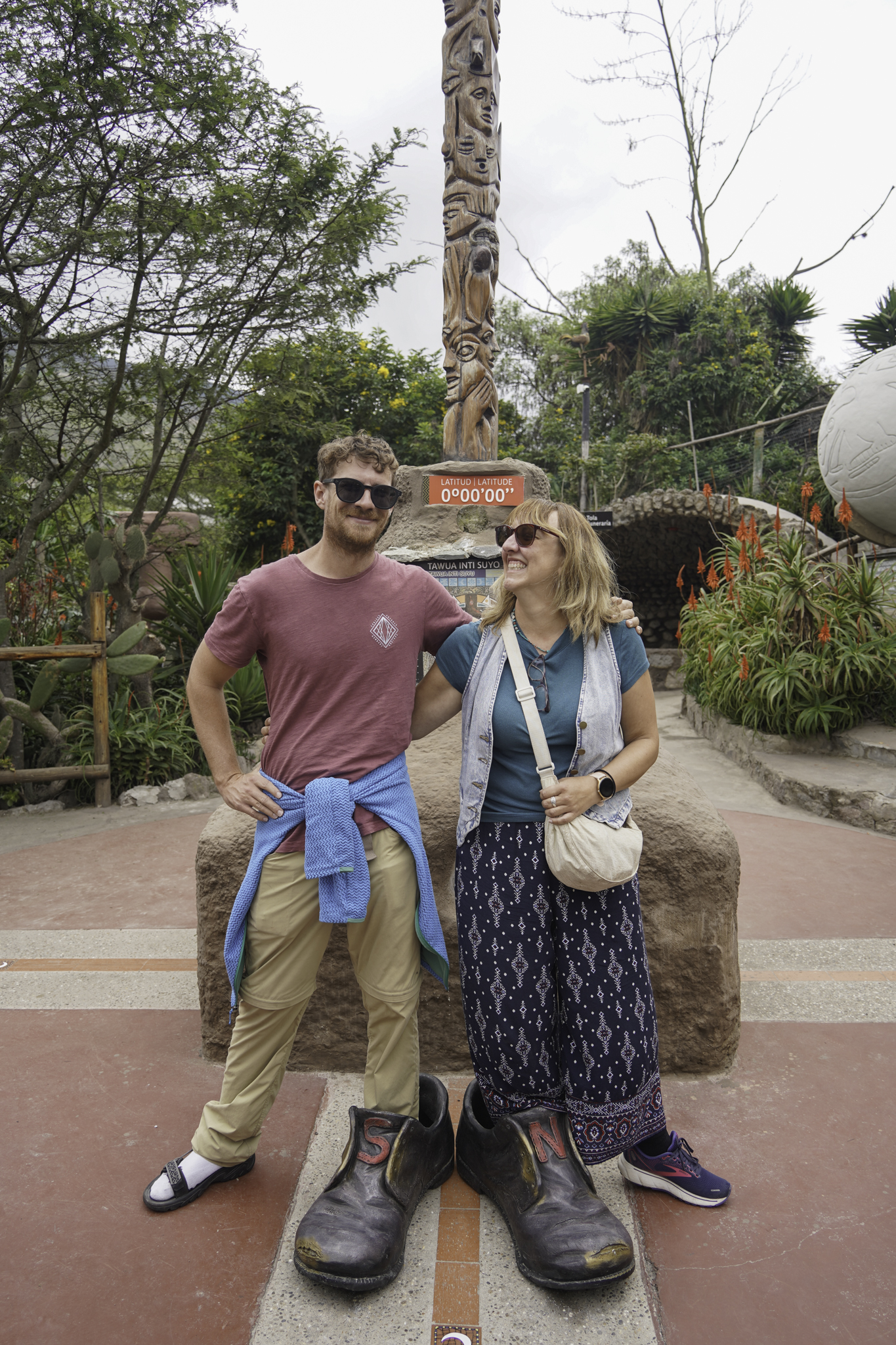
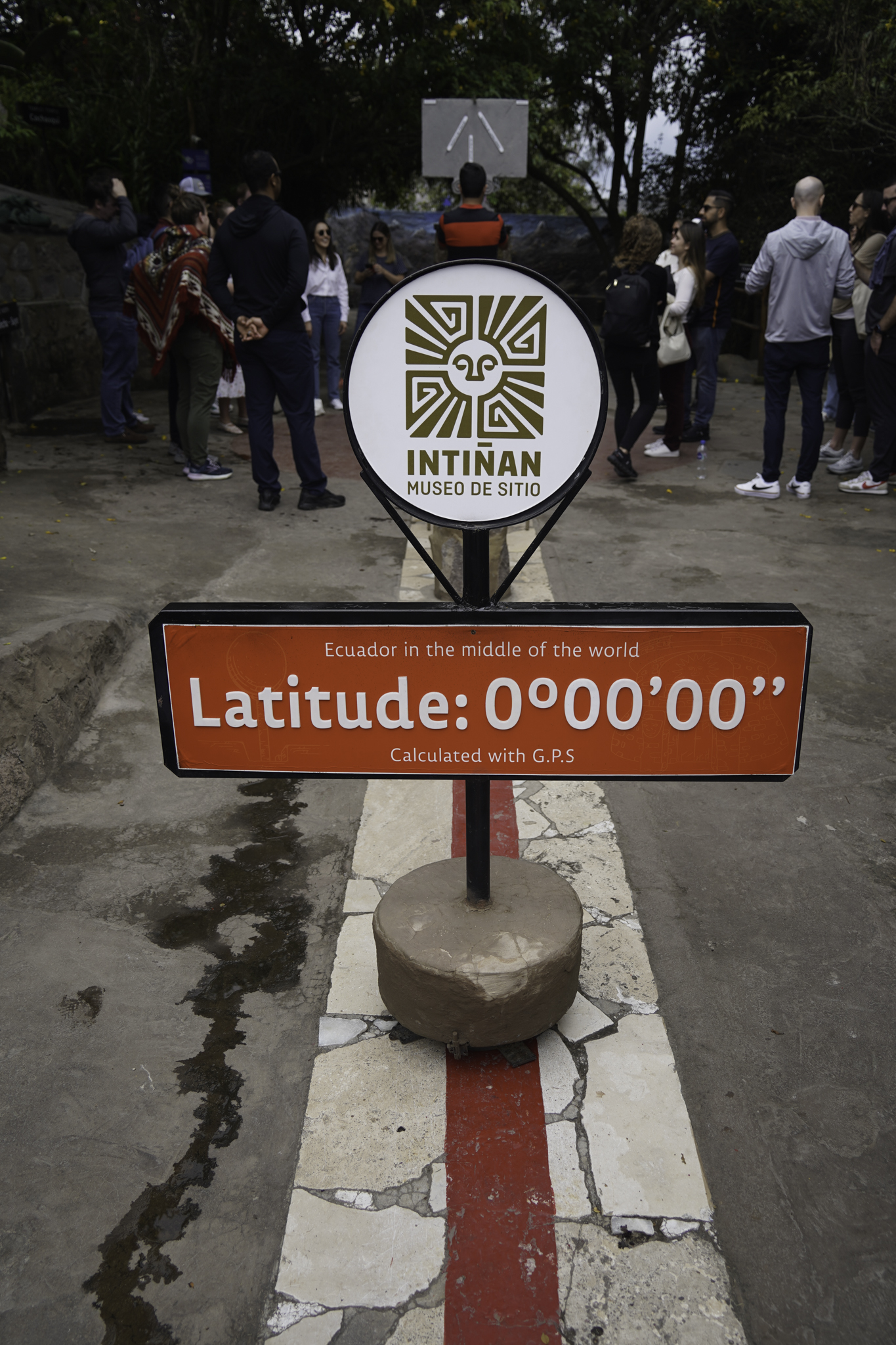
Visiting these two places was a neat thing to do before setting off on our next destination. Ecuador will go down as one of our favourite countries that we’ve ever been to, and one that I would recommend, especially to those that value and enjoy being amongst birds and animals.
 Travel Bugs