Written by Callum:
Other than seeing Petra, Argentine Patagonia was the number one location I wanted to see this year. Dreaming of the hikes, the scenery and the nature of Patagonia in peak summer was the primary reason we decided to go to South America for the beginning of the year (their summer weather). After a great time in Buenos Aires, we flew to El Calafate, then took a 3 hour bus to the very small but lovable hiking town of El Chaltén.
I had read people’s blogs and learned what to expect from these places in Patagonia, mainly how expensive it would be and how isolated these towns are, but nothing prepared us for how quickly the political climate of Argentina can change the way tourists experience a country. We are very privileged coming from Australia and Canada; we don’t need to deal with rampant unemployment, hyperinflation and the devaluation of our currency on a daily basis, but that is the reality for Argentinians. Two months before we got to Argentina a couple could apparently have a gourmet steak dinner, with sides and a bottle of wine, for the equivalent of $25 AUD. By the time we got to Argentina it was now $40 for a pizza, $30 for a burger, and $60 for a steak. This made a remote hiking town in Patagonia extra expensive, to the point that we had to scrutinise menus to find value and self-cater a lot more than we had planned or wanted.
The changing situation in Argentina also had an impact specifically to El Chaltén where the designated national park had recently started to charge tourists to walk in the mountains and trails. Now, we have no problem paying national park fees, and visiting national parks is pretty much the number one thing I look forward to when we travel. However, Argentina has introduced a $45USD fee per person, per day, to enter the national park (which equates to around $75AUD at the current terrible exchange rate). We had 7 days in this town, which meant we would spend hundreds of dollars just to do some hiking, which a few weeks before (and for decades before that) was completely and appropriately, free. If there was a national park pass we could have bought that would let us enter whenever we wanted and to visit other parks, we would happily have bought it, but it didn’t exist.
So, we had a dilemma. How to not go broke while in El Chaltén, but still see all the things we had planned to see? This was solved by entering the park before the rangers got to work—aiming to get past the little ranger hut by 630am and leaving the trail after they left for the day so that we didn’t get fined or forced to pay for the entry. We were not the only savvy hikers to do this. The morning we hiked to Mt Fitzroy, our quick pace to get past the ranger hut was matched by couple after couple, as if we were picking up more friends as we made quick work of the kilometre through town toward the trailhead.
Just to mention, every house in this town displayed posters in their windows saying “No to charging” and “mountains are free”. Our Airbnb hostess had one, and so we felt free to ask her how to hike without paying expensive fees. She gave us the idea to get up early and admitted that the locals are terrified this new system will kill tourism. They are equally sceptical that the new president isn’t going to reinvest the money into keeping Argentina’s wild lands and national parks clean and sustainable, but rather will pocket the money for himself and his cronies, which doesn’t sit well with the locals, nor us. Money issues aside, this town was my favourite week of our travels so far.

Hike One:
Laguna de los Tres is the big drawcard in this region. It is a roughly 20km in and out hike to a stunning view of Mount Fitzroy, through beech forests with woodpeckers, glacial lakes and hanging glaciers. For me, this is the best single day hike I have ever done in the world, and I love hiking. Starting in town at 6am and getting the first viewpoint of the rivers and mountains of Patagonia was a bucket list moment. The hike begins with walking through forests that seemed to close in on you, which opened up to the view of Mt Fitzroy making me completely forget about work/life at home, and allowed me to just appreciate nature. We hadn’t been able to do much nature-infused activities to that point as we’d largely been in cities throughout December and January. After nine fairly easy kilometres, the final km and the big finale of this hike is the steep scree and boulder field to your reward: a majestic view of the lakes sitting underneath Mt Fitzroy.
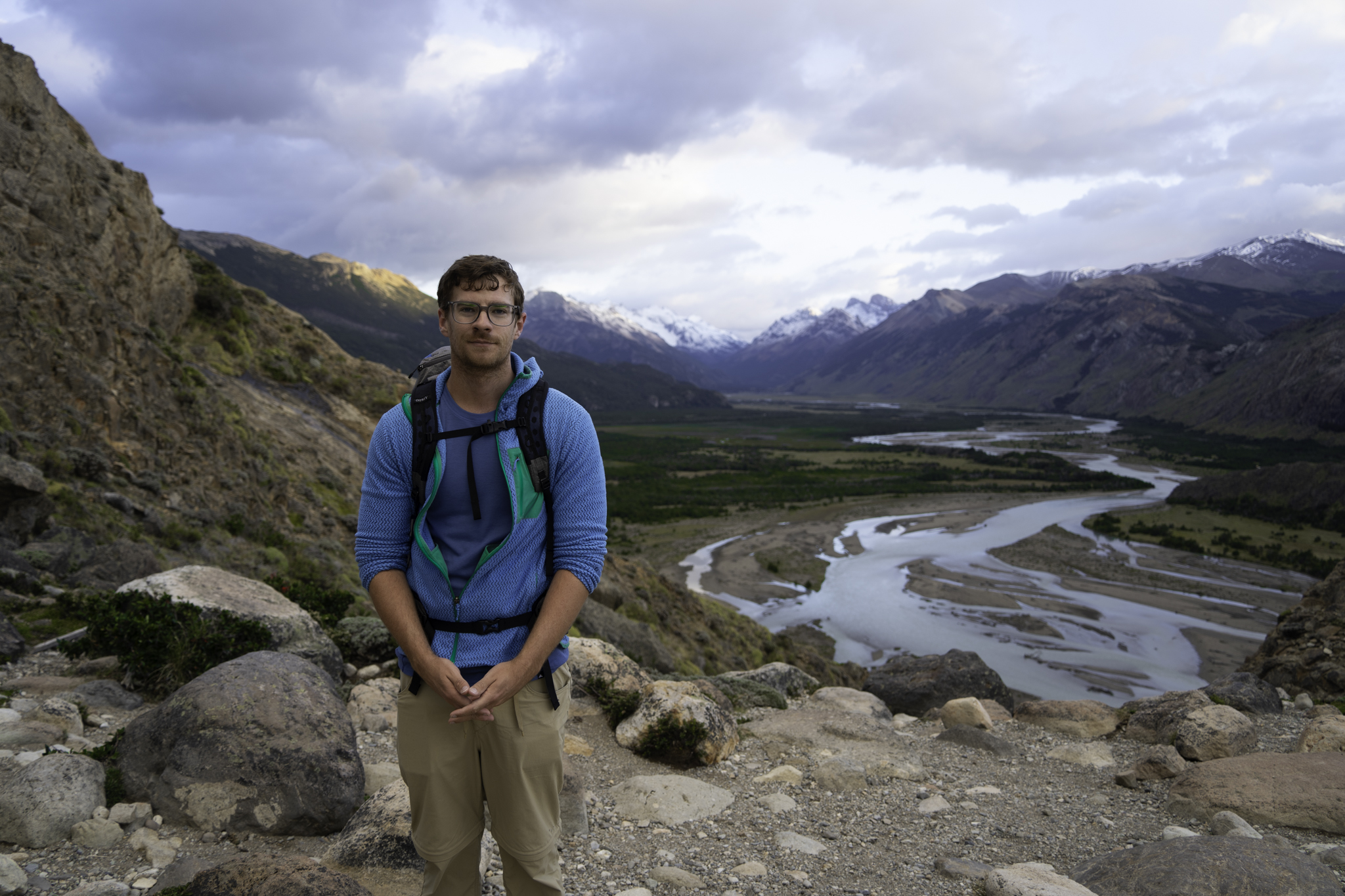
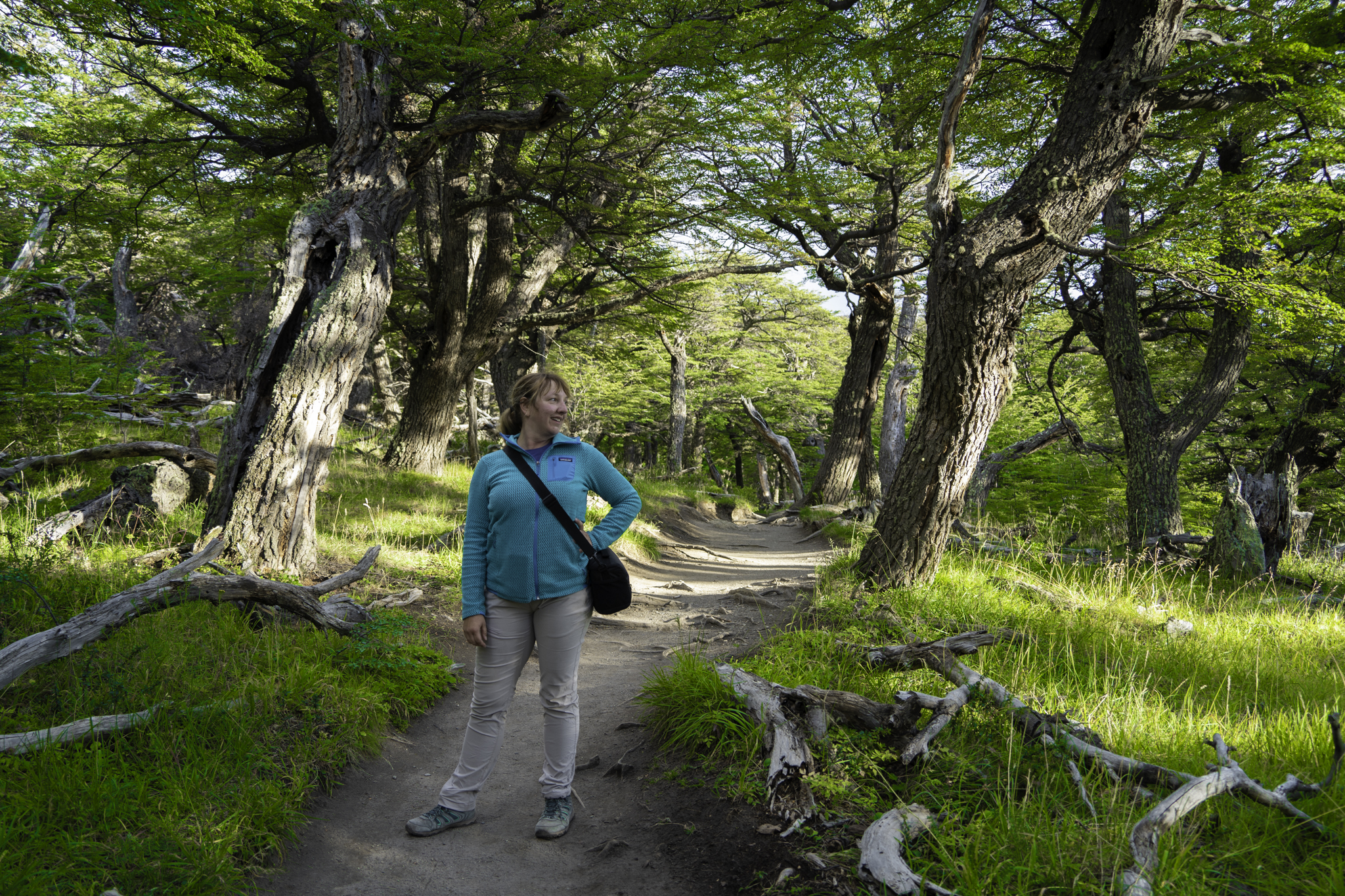

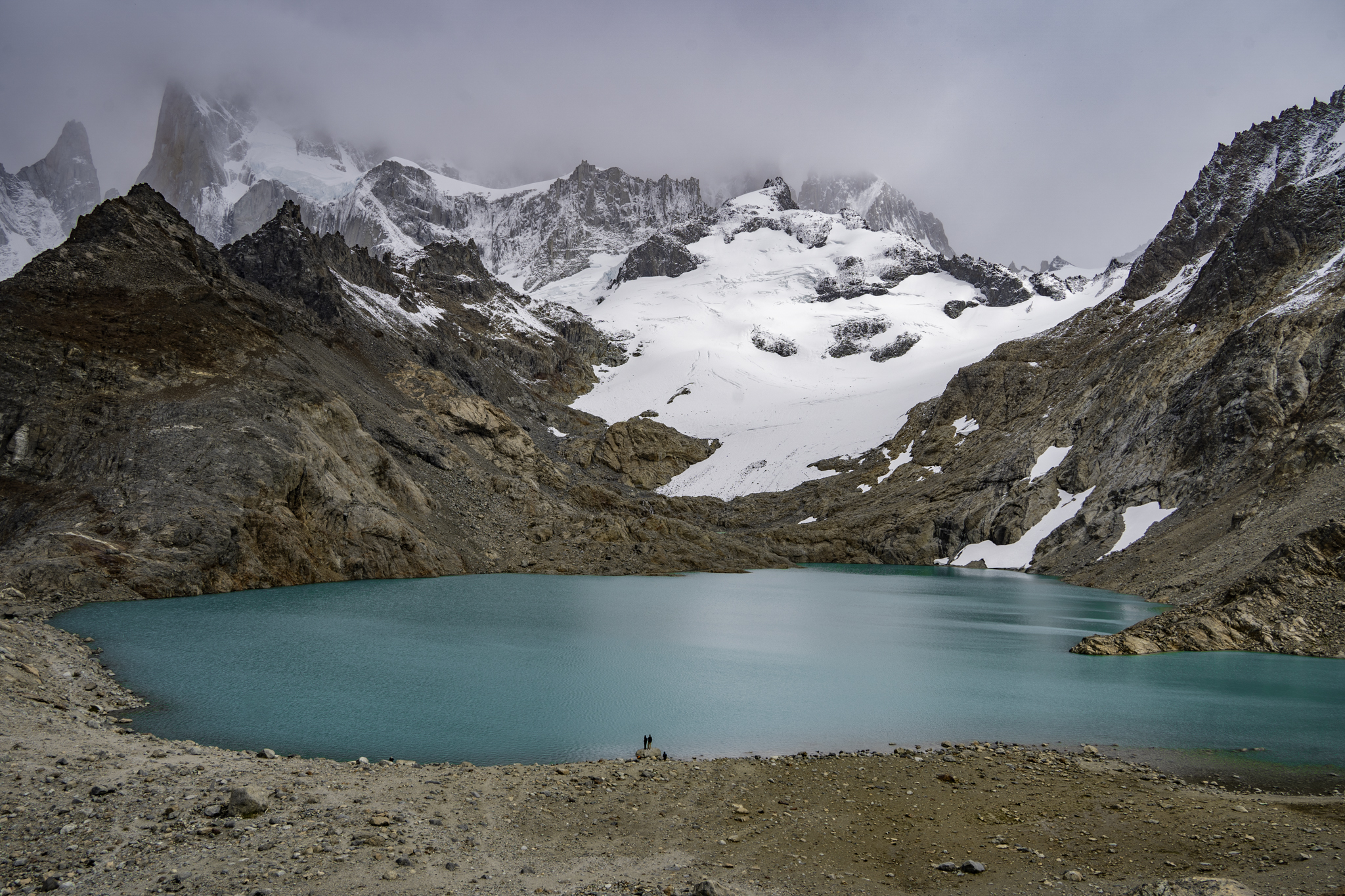
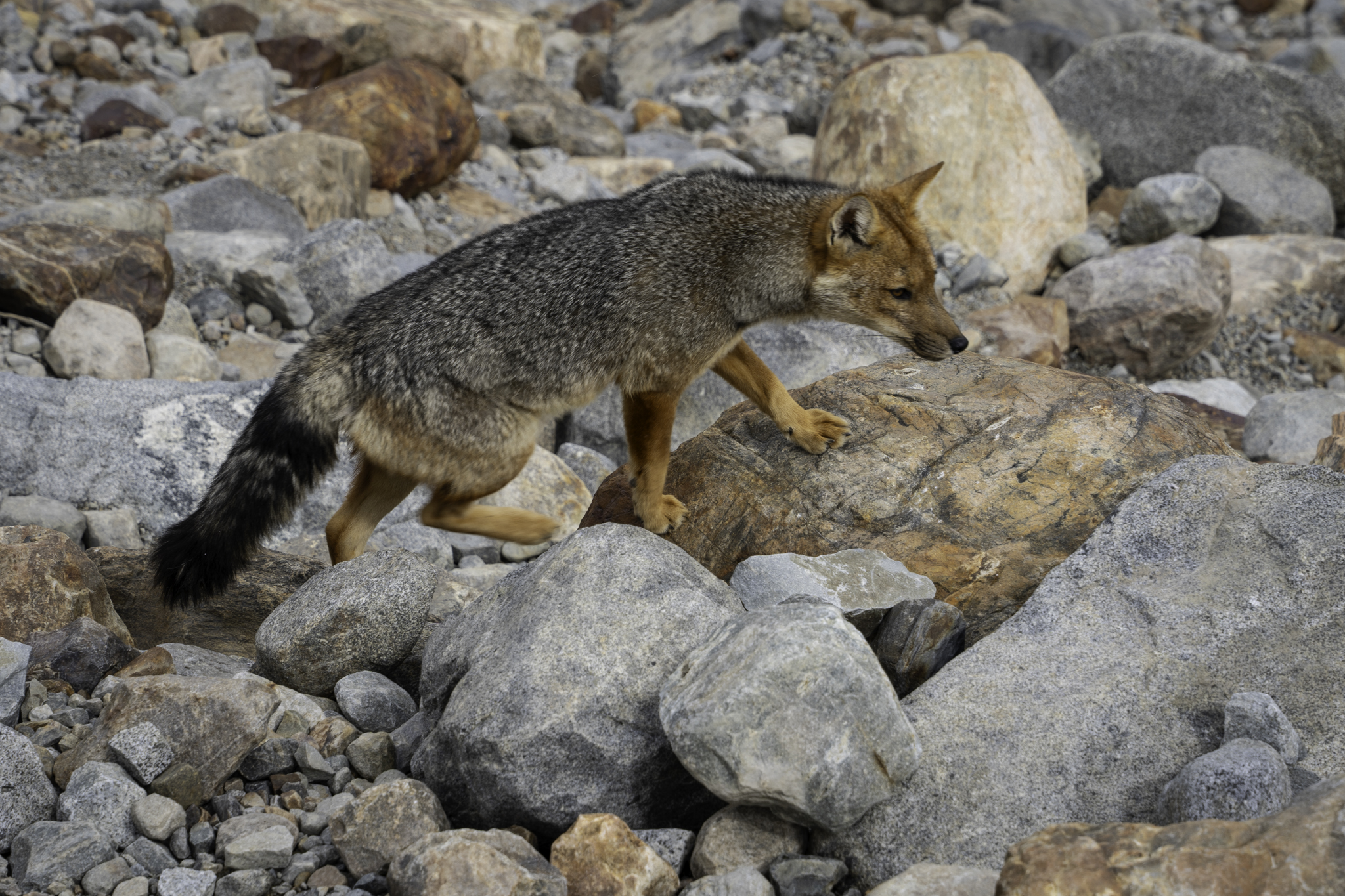
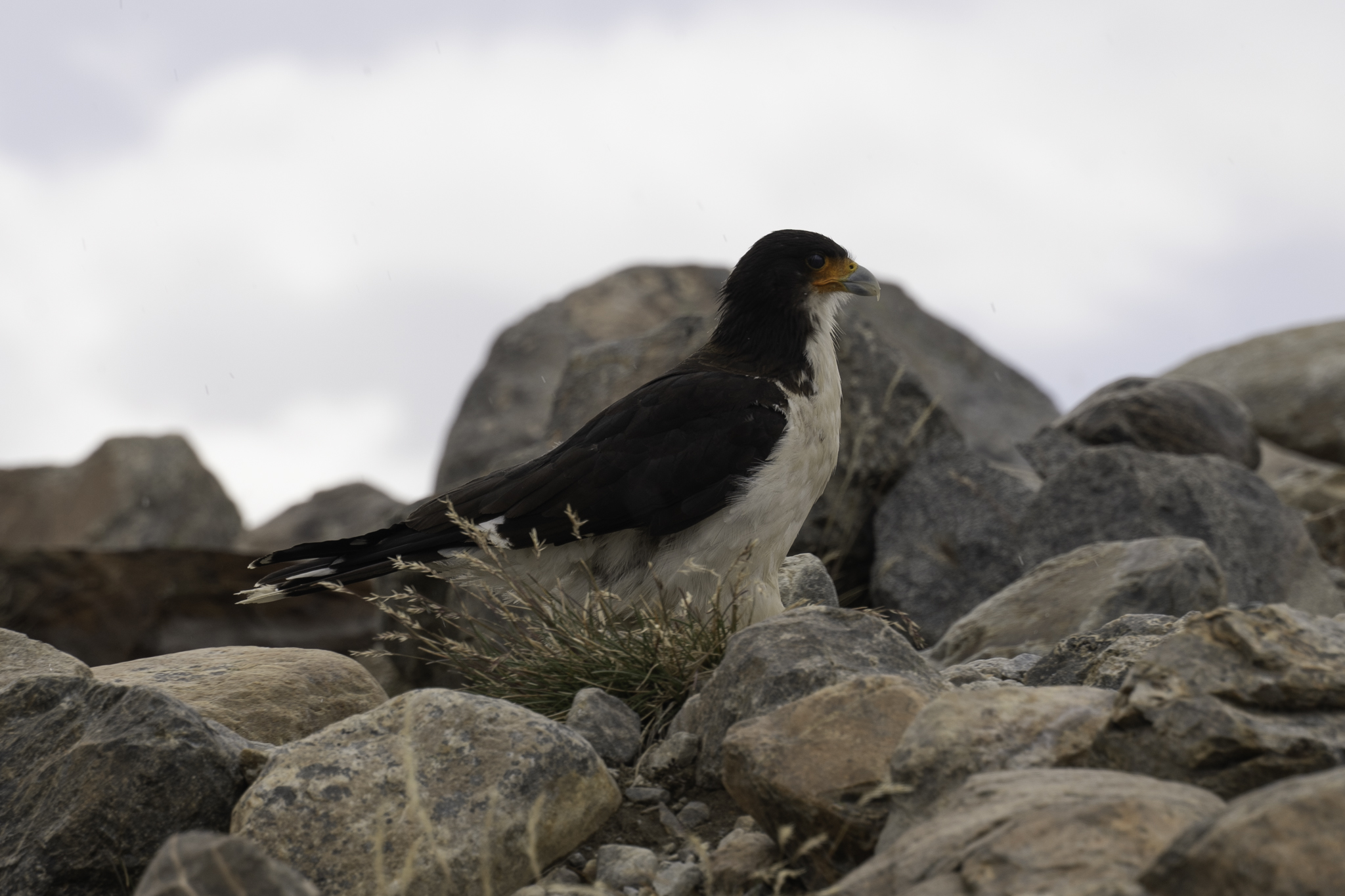
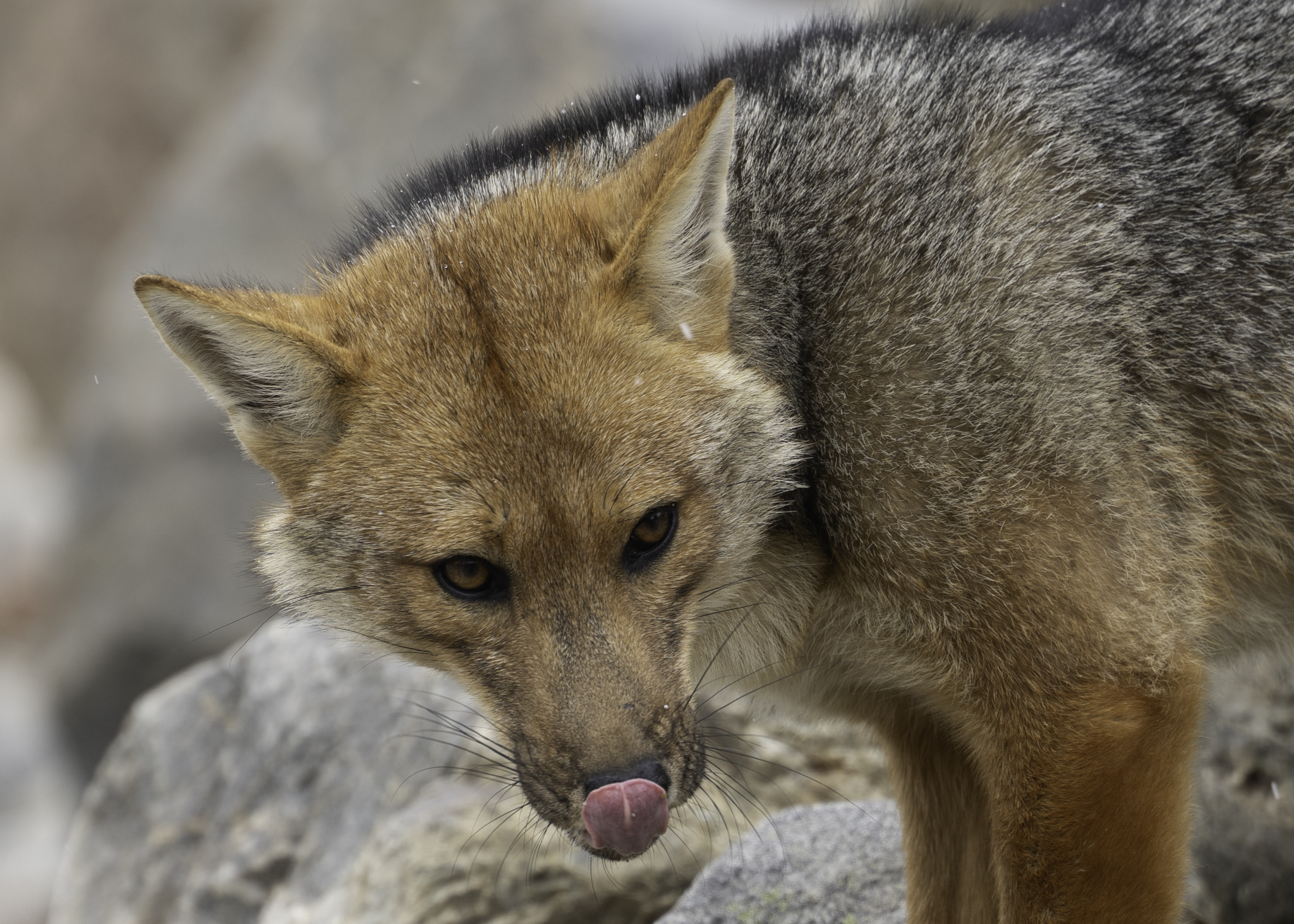

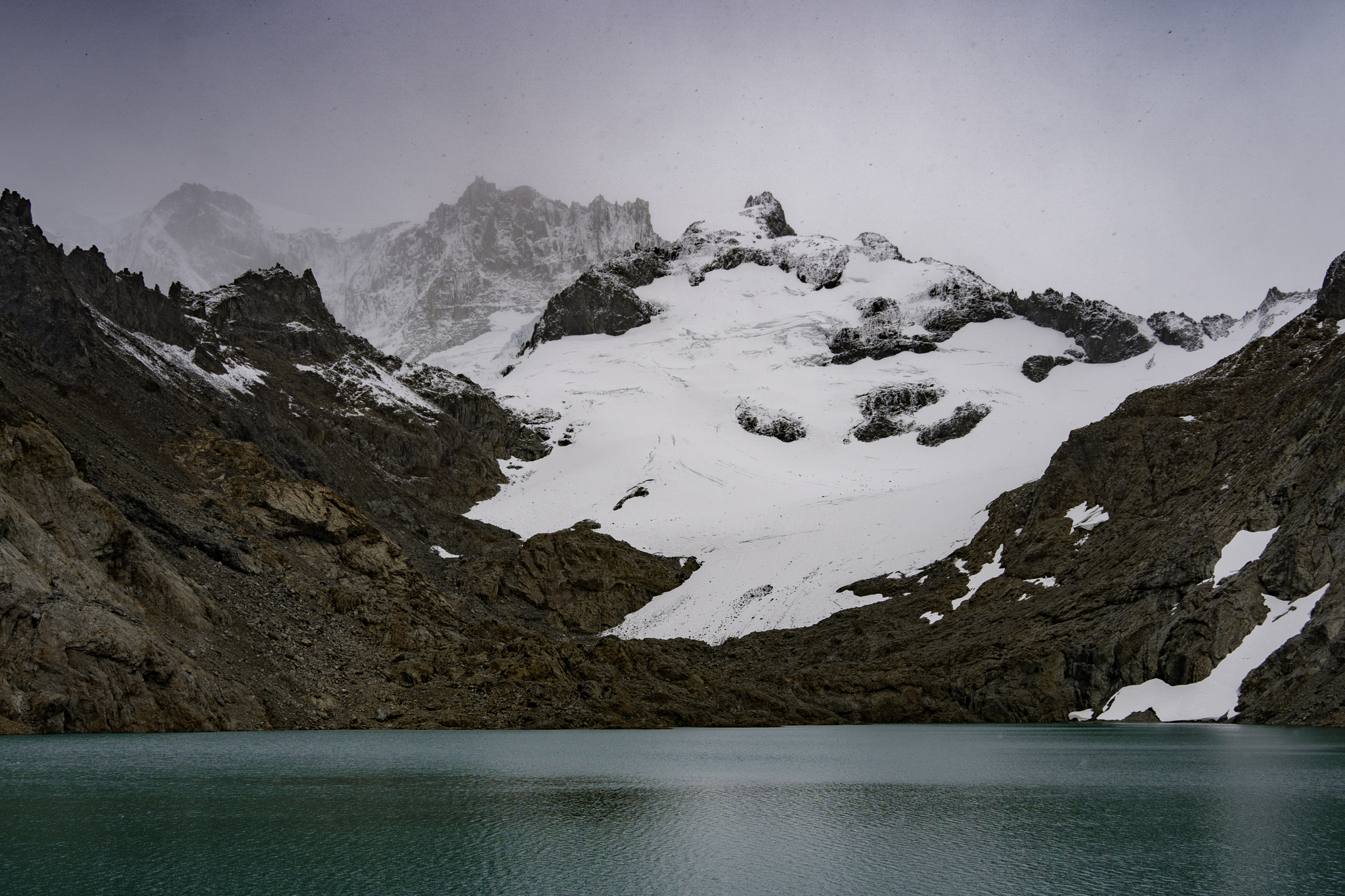
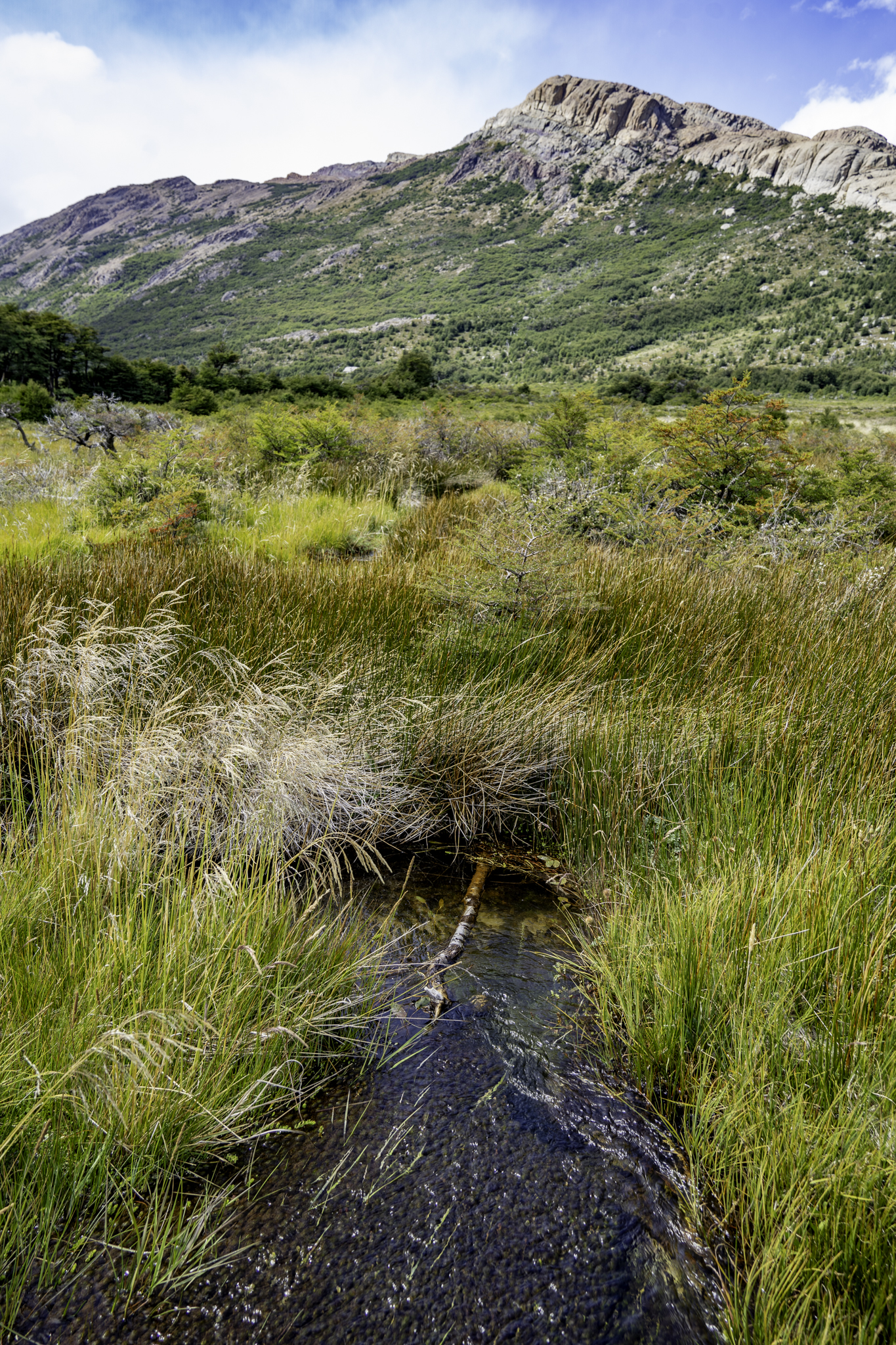
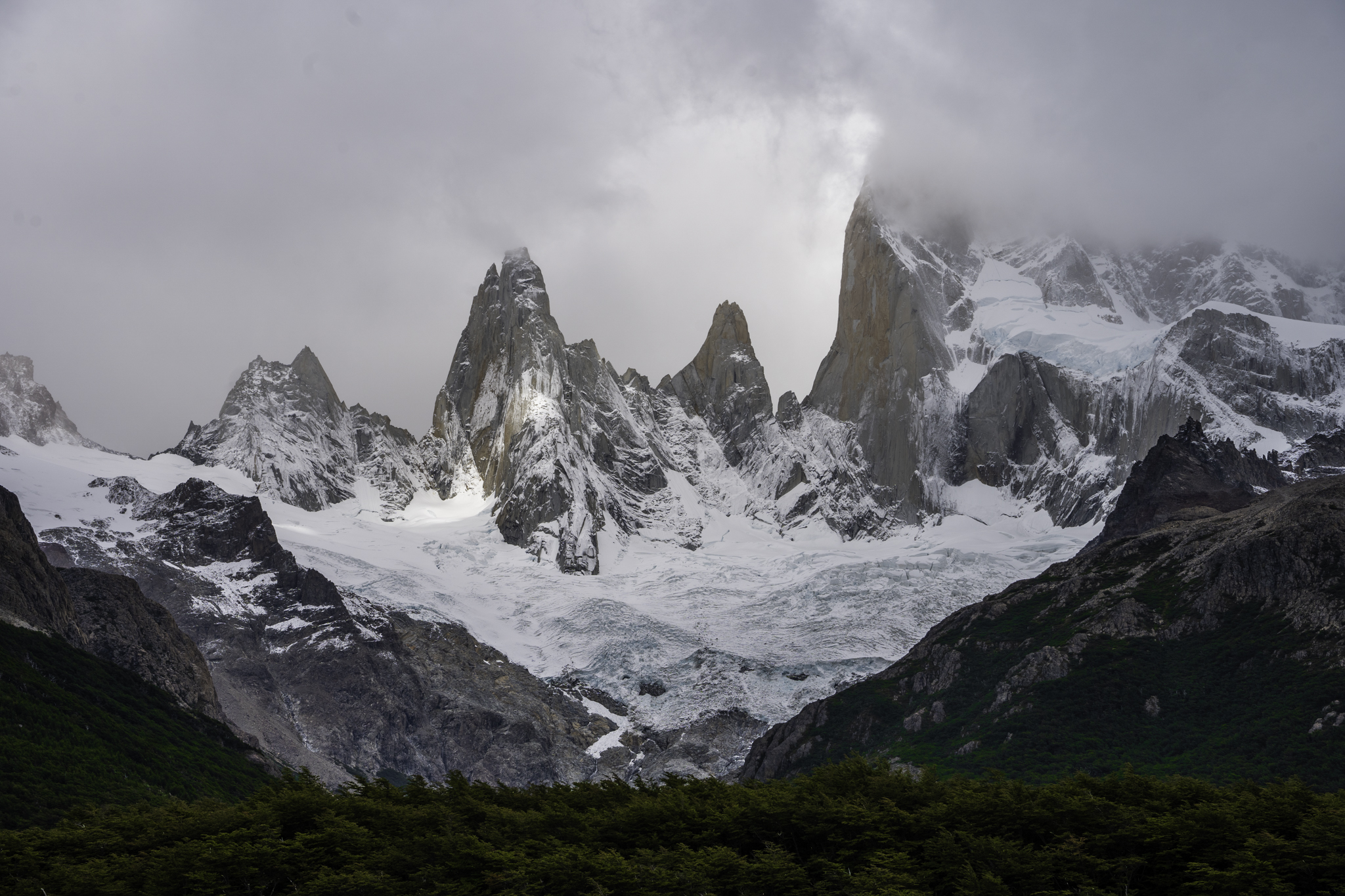
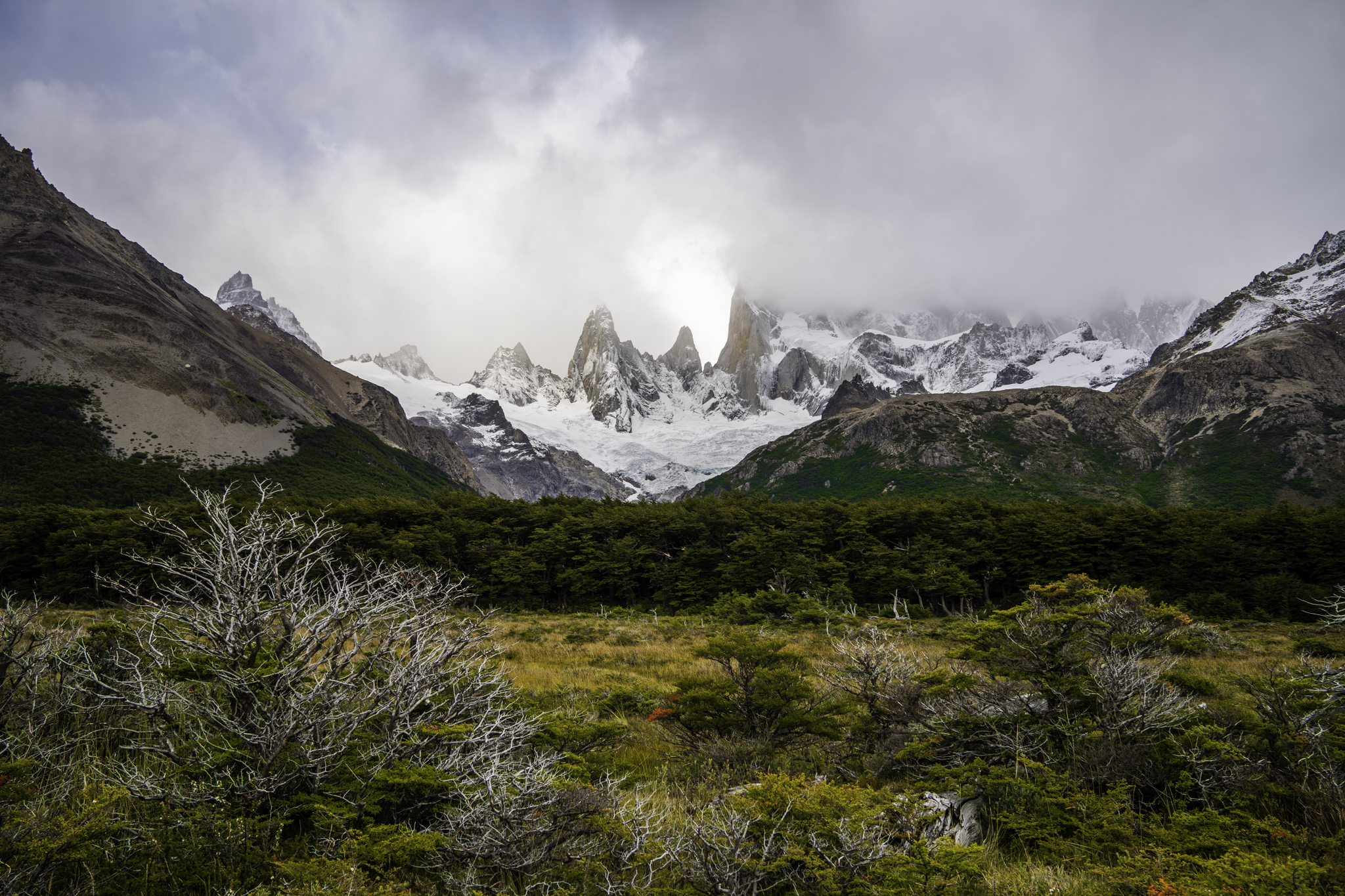
We had lunch and watched a local fox and falcons moving around the rocks, and then it started snowing. Even though it was freezing cold and we were exhausted, even Rachel had a smile on her face for this hike. The way down doesn’t afford you the world-class views, but it does allow you to appreciate the silence of nature (when large groups of hikers and tour groups aren’t passing by yelling to each other and listening to loud music). The only negative of the entire hike is the crowds. Instagram is very good at hiding the reality of what nature can be like when a place is popular. This is the most popular hike in all of Patagonia, and there were probably 2000 people hiking the day we did it. On the way up we probably only saw 30 people (some coming down from camping and some crazy people who trail ran to the top and down by 8am), but on the way down, without exaggeration, we had to stand in a line in some sections to let others pass. This is a completely acceptable fact of life that you need to share nature with other people, but man it’s hard in beautiful places when it starts to feel like you’re in a theme park, rather than the wild. You also start to wonder how many people would be here if it wasn’t for that famous Instagram photo. Also, would we have known about this place without it too?
Hike Two:
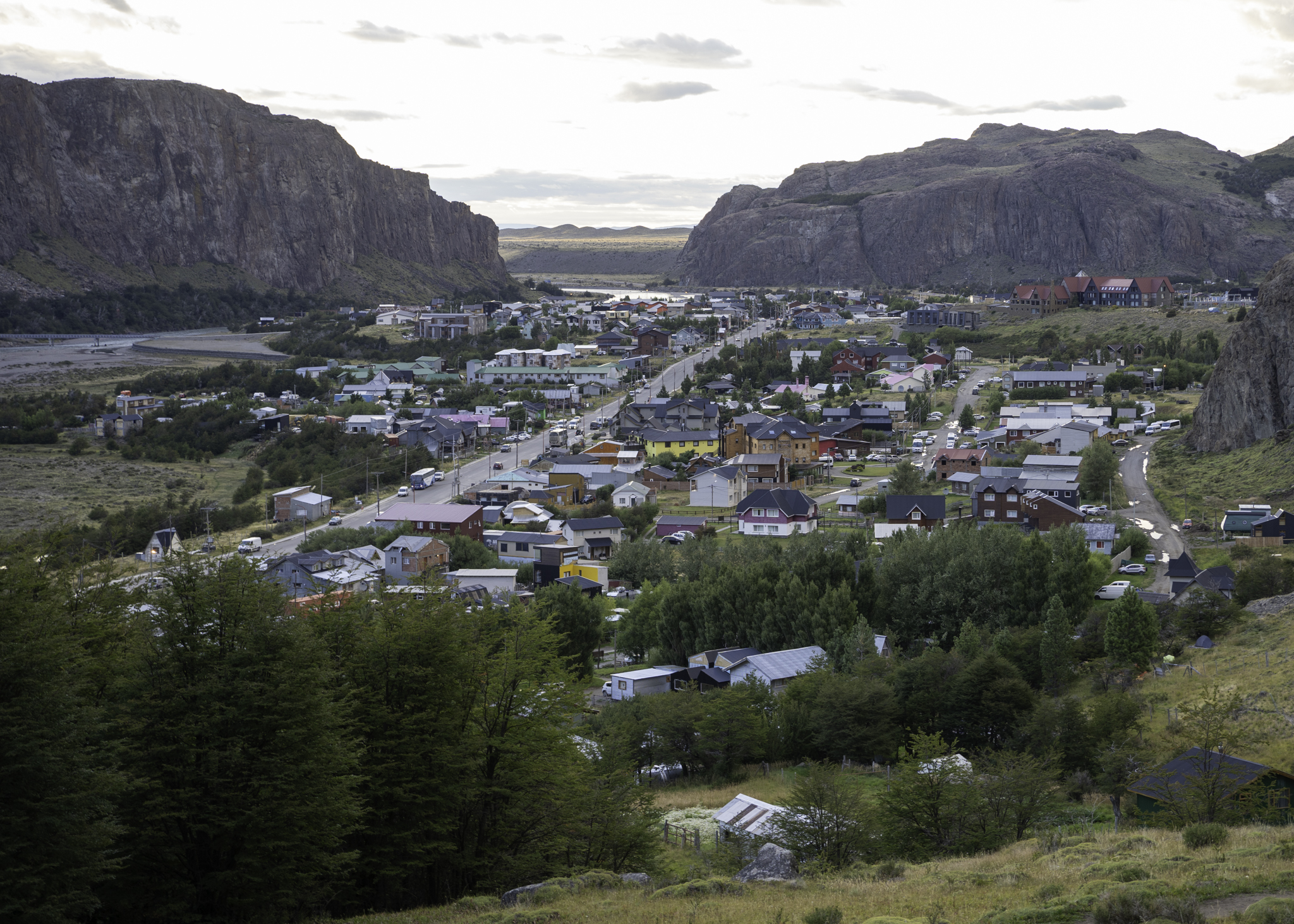
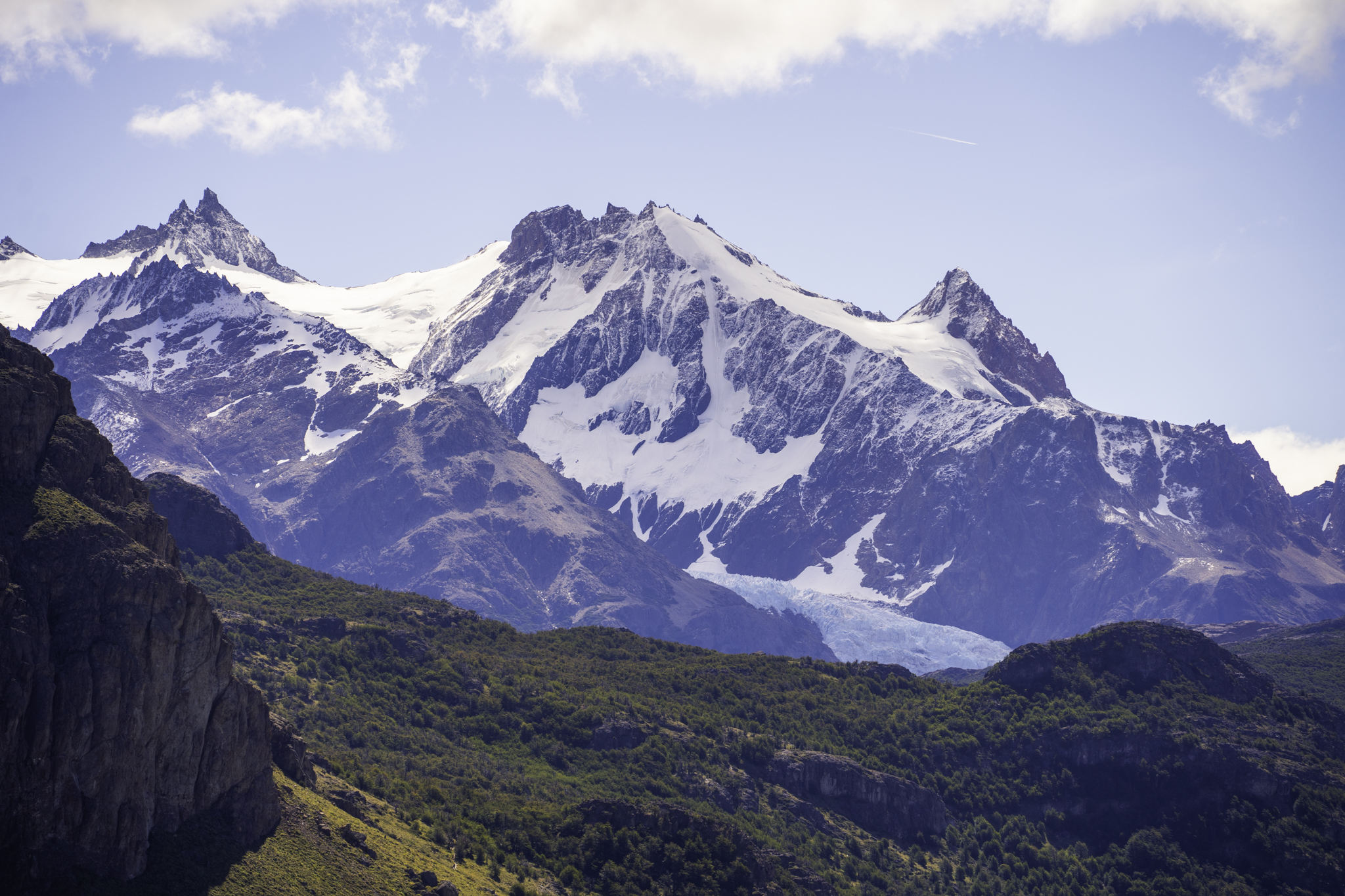
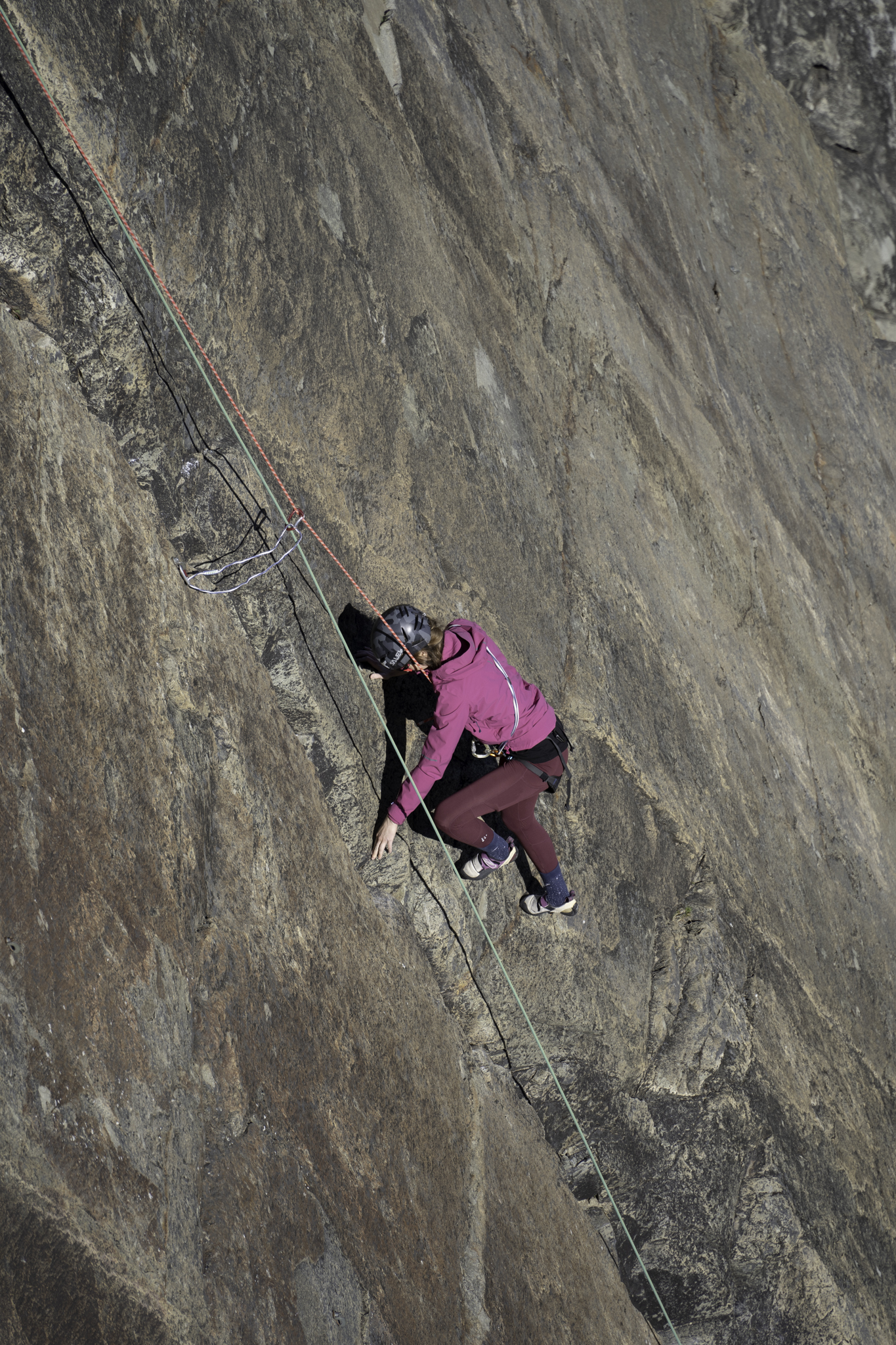
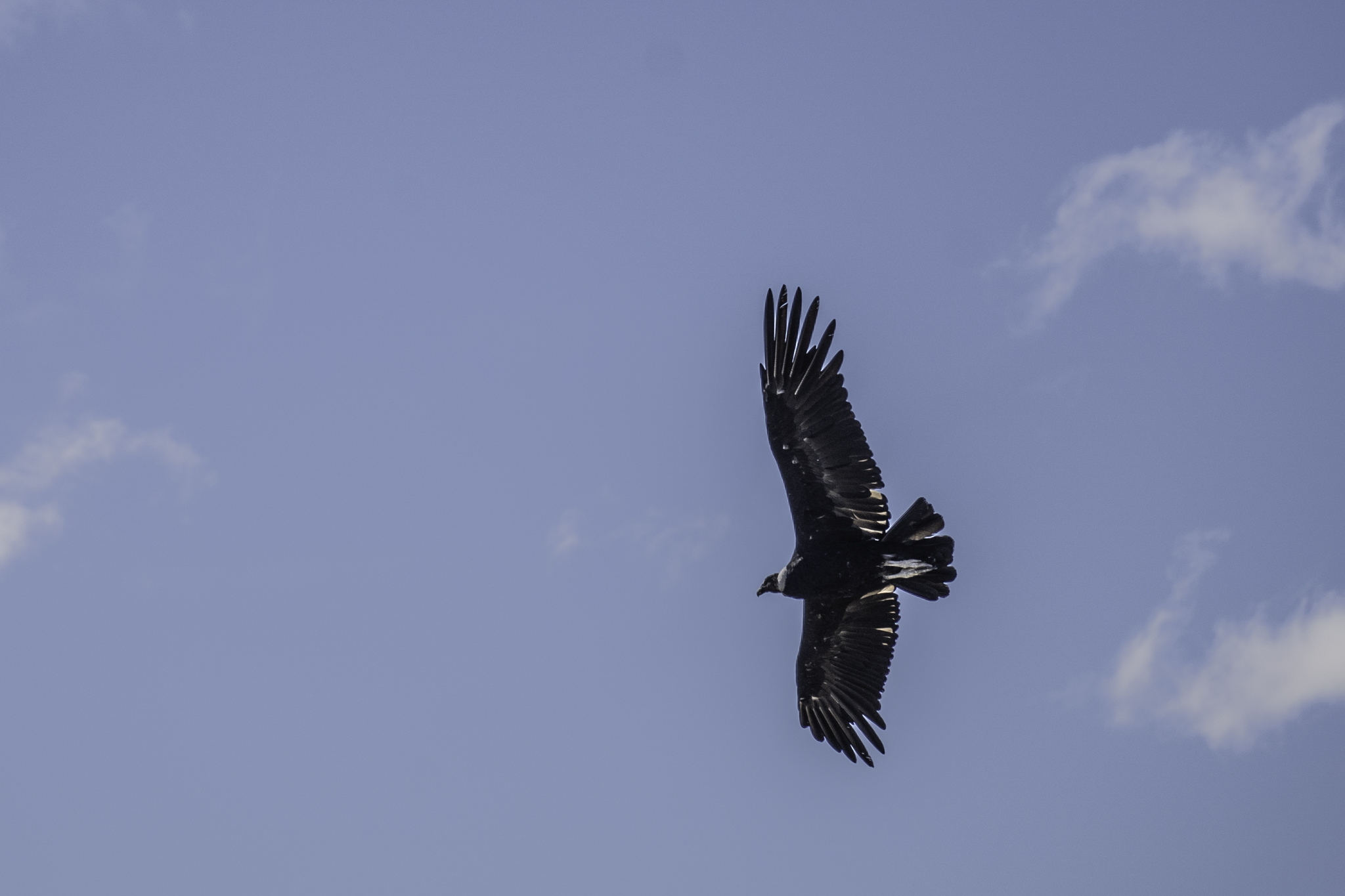
Rachel had a rest day, so I did a short 8km hike to the southeastern edge of the town to try and get views of the entire mountain range. I looked at satellite photos on Google maps and saw there seemed to be a trail leading into the hills outside of town, but there wasn’t really any information online about it. I walked where I thought there would be a good view, and it turned out to be an incredibly steep hike up a ridgeline, that ended up being one of my favourite places for the week. The top gave views of the town as well as the entire Fitzroy Mountain range, and there were only two other people in the four hours I was out there! From the top of the ridge, I watched rock climbers and condors soaring past them. It was a much better day for weather as well, so the photos capture the beauty of this region without the cloud coverage we had the previous day.

Hike Three:
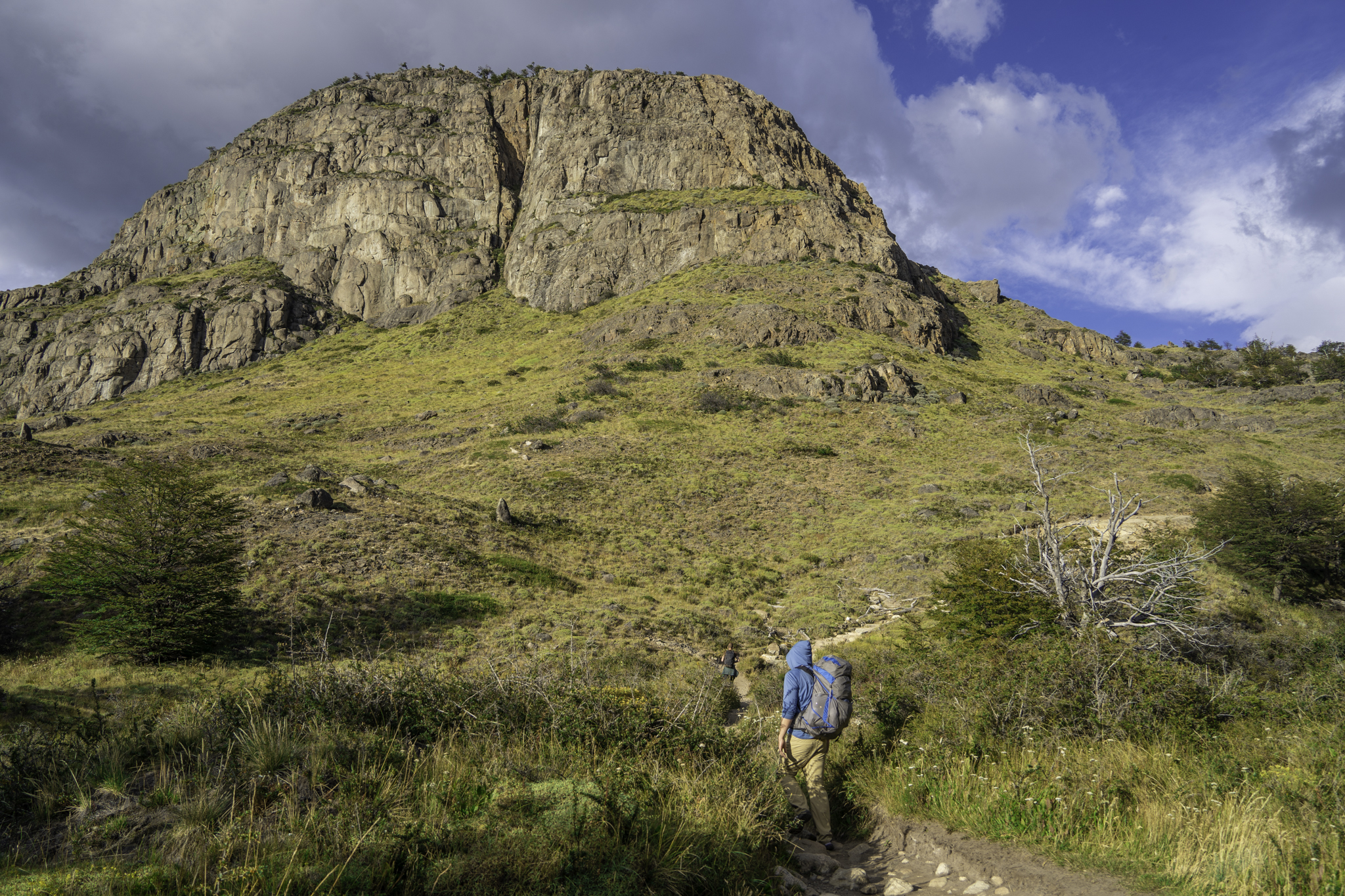
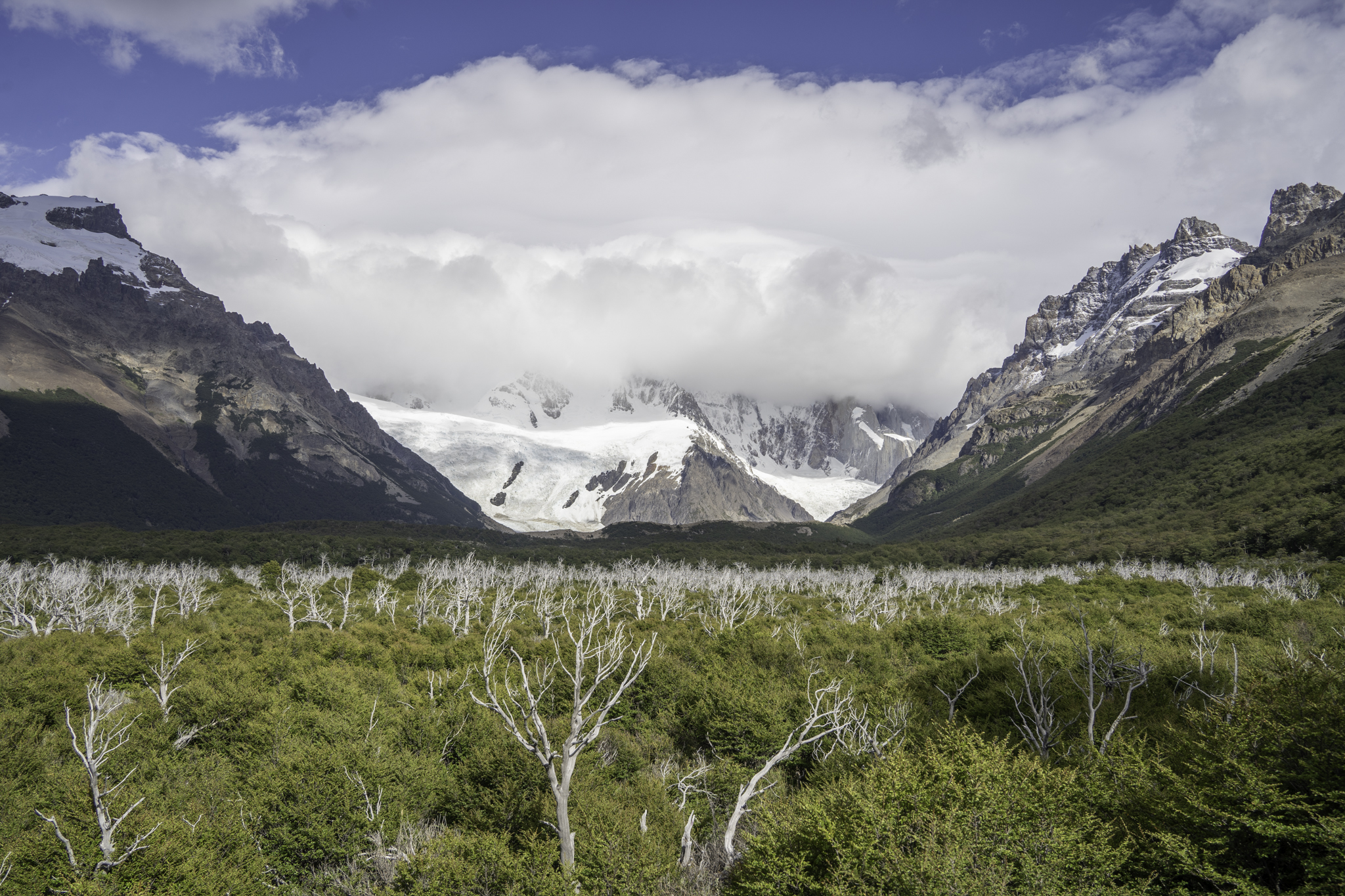
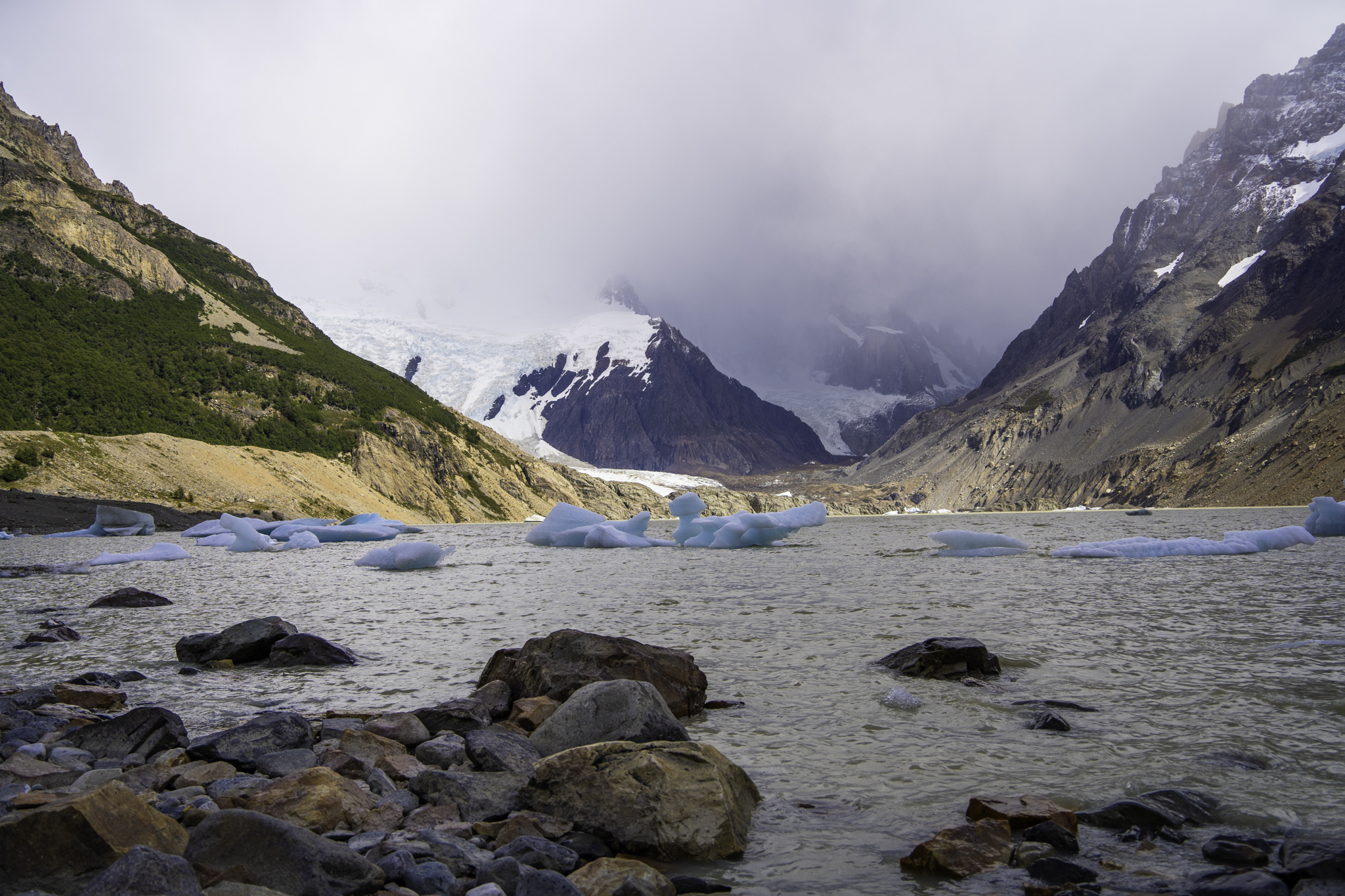
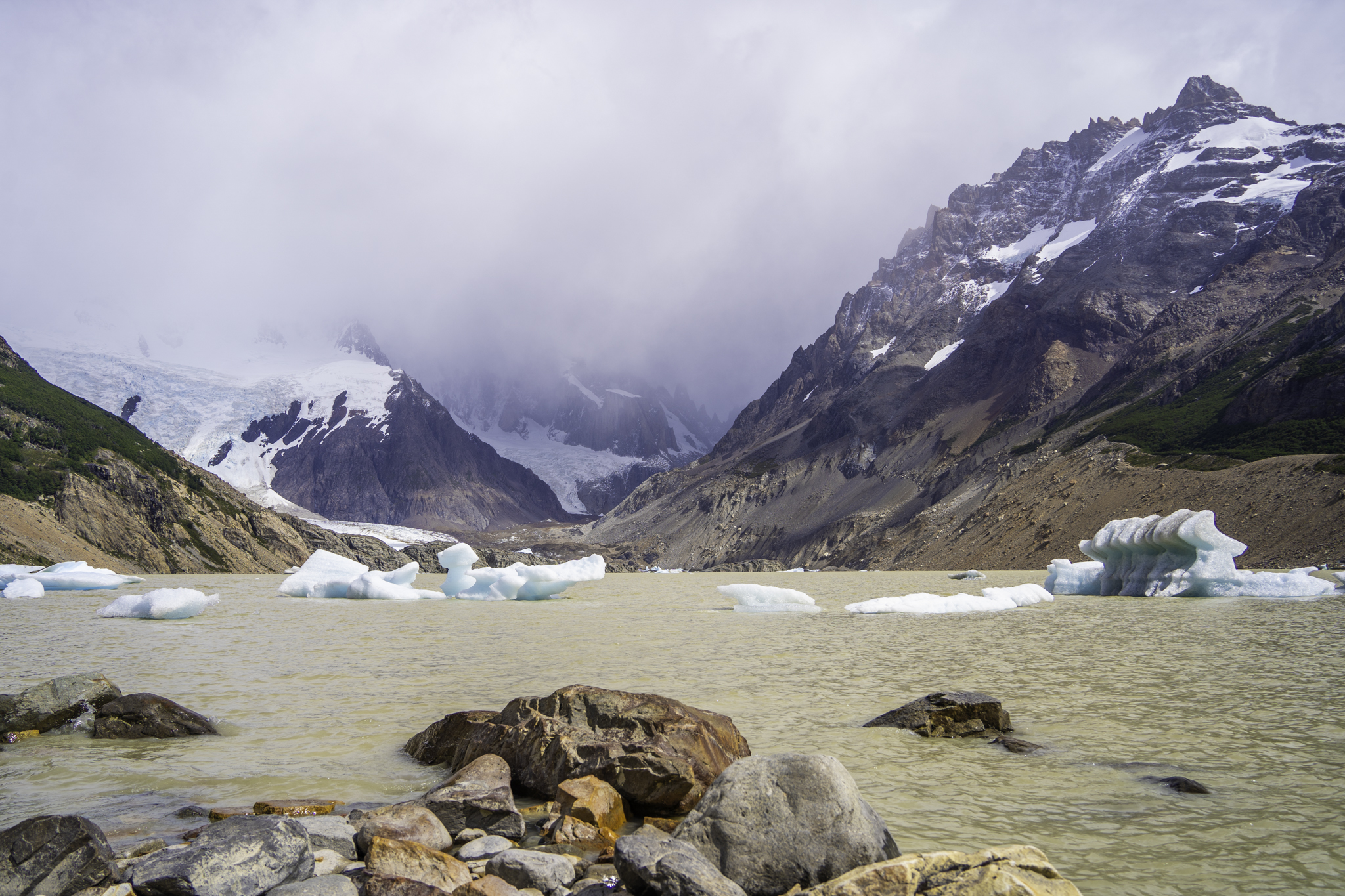
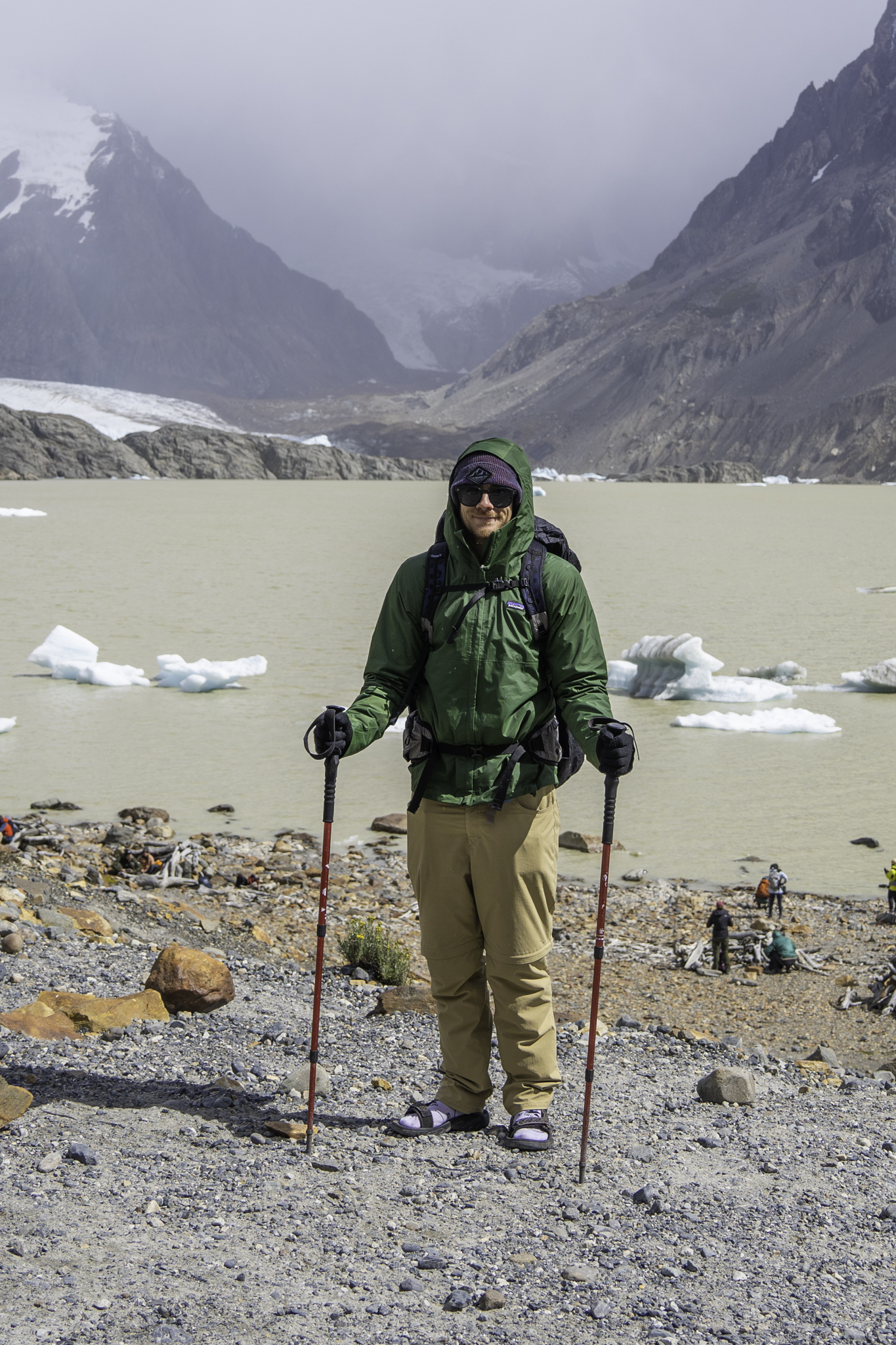
This was another big hiking day, roughly 24km, to Laguna Torre. This was a much easier hike than Laguna de los Tres and had significantly less people on the trail. It was a steady incline through beech forest until a section of moraine that gave amazing views of the back side of Fitzroy. The beauty of this hike is that it follows a valley, so it has very little elevation gain, which also meant that we had a constant view of the mountains around us, without anything blocking them. Towards the end of the trail, it started to hail just as we approached the final point of the hike, the lagoon, which had icebergs floating in it. We tried our best to enjoy the view, behind a driftwood shelter built by other genius hikers. We hunkered down and ate our lunch but the hammering rain mixed with snow made it hard to enjoy. We stayed long enough to get good photos and appreciate the location, but we did get unlucky with the weather this day.
By the end of this hike we both had the beginnings of blisters and were pretty worn out so we treated ourselves to a nice dinner out in El Chaltén rather than cooking. The food in this town was amazing, just like all little hiking/tourist towns, but just so expensive that we couldn’t indulge each night like we had wanted.

Hike Four:
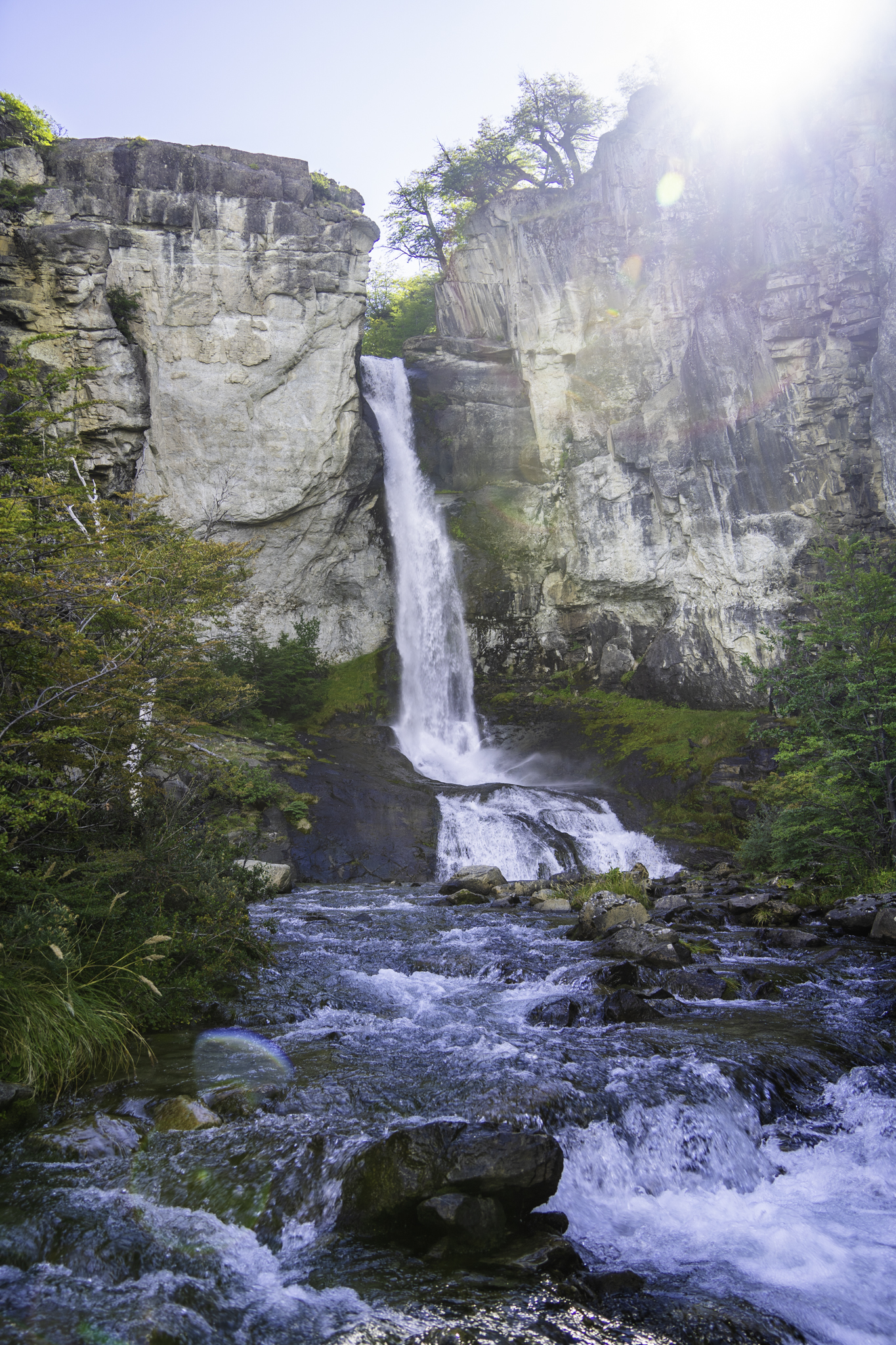
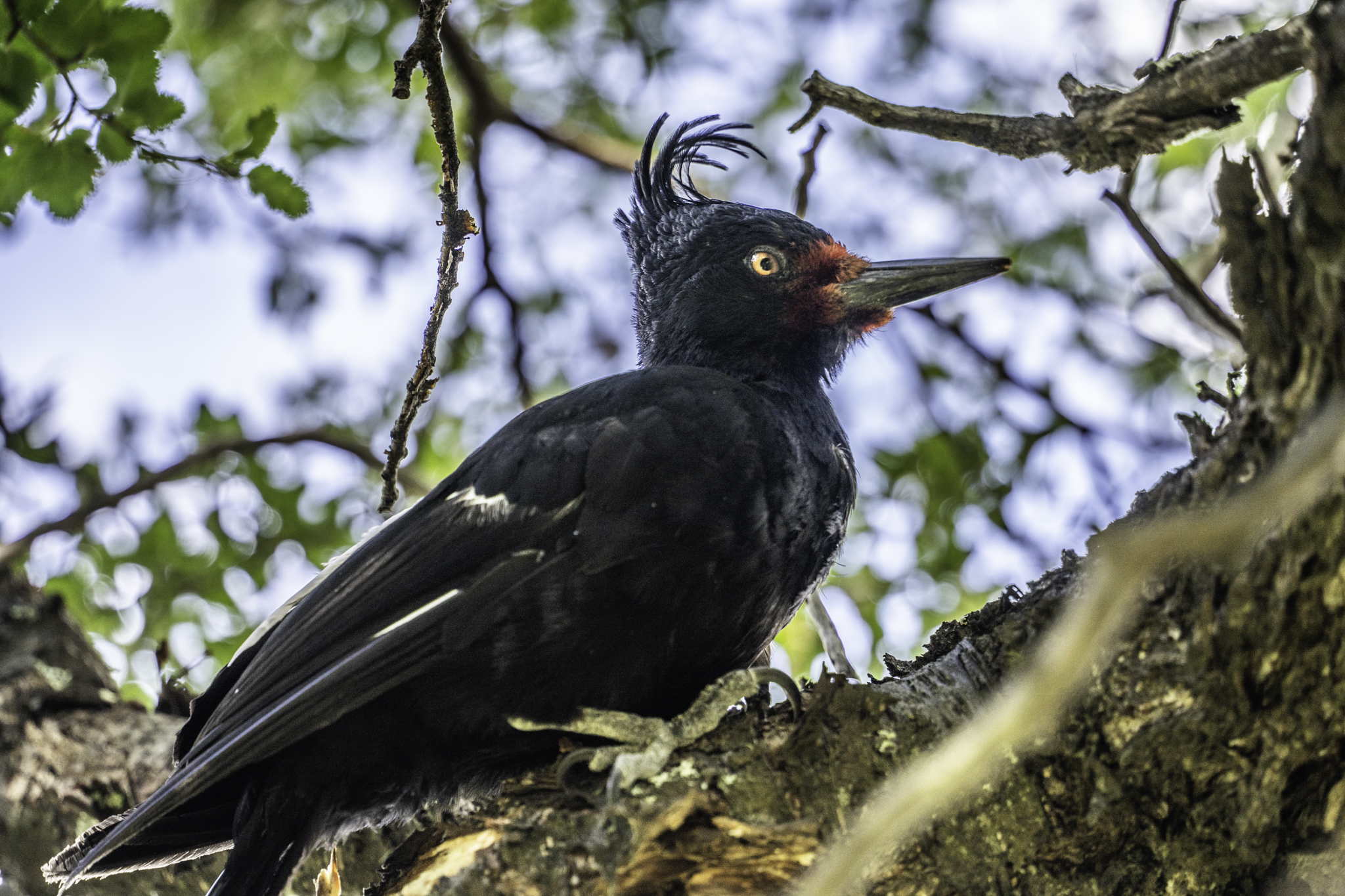
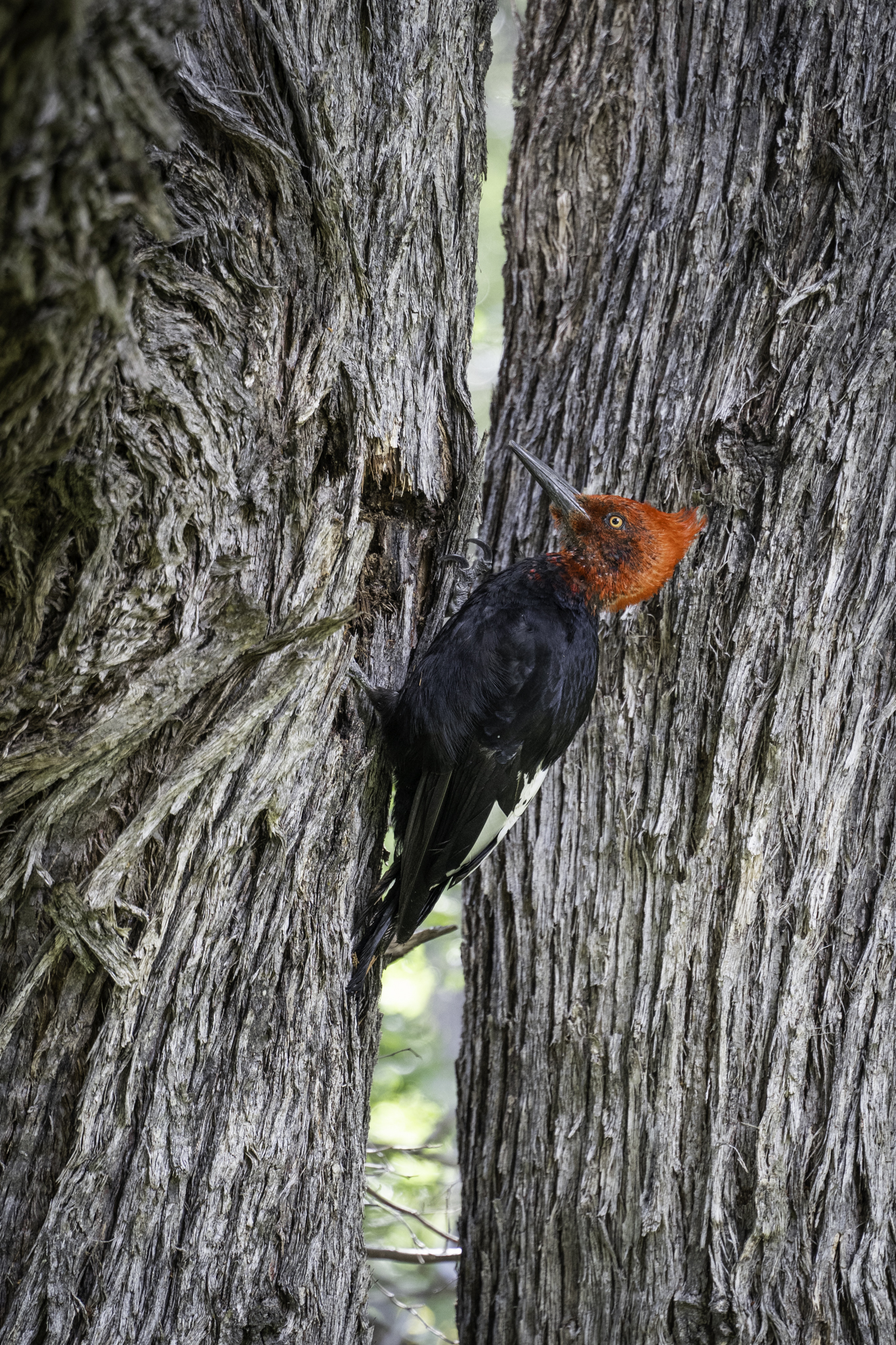
Rachel had another rest day (we would be doing a 70km 4-night backpacking trip a week after this, so she was trying to save her body for that) while I did a short 10km hike to a waterfall outside town. This wasn’t the most remarkable hike, but I did see male and female woodpeckers up close, which was definitely something I had wanted to see whilst in Argentina and Chile, so it made it well worth the effort.
Outside of hiking, we had a rest day together where we checked out the touristy souvenir shops and watched a movie at our Airbnb. One day we also had to ‘do work’ and plan our trip to Peru (Machu Picchu tickets sell out months in advance, and even though we planned to go in early March and this was early February, we only had a couple of days in the first two weeks of March to choose from) and book flights, accommodations, etc for the next month of our trip. It’s such an exhausting thing trying to plan multi-country holidays when you’re on the holiday and don’t really want to have a locked in plan, but you kind of have to because the distances are so vast in South America that we had to book certain flights to make the trip more bearable.
Overall, El Chaltén was bucket list-worthy, and highly recommended to anyone who likes mountains, nature, or hiking. Hopefully we can come back one day when Argentina has a handle on its basket-case of an economy.
After El Chaltén we backtracked to El Calafate (the town we flew into from Buenos Aires) and stayed in a small cabin on the outskirts of town (primarily to save money as Argentina was blowing our budget) but this turned out to be the worst accommodation we’ve stayed in so far. There was a constant smell of a minor gas leak from the gas heater, the kitchen was so small and ill-equipped that gnomes must have built it (we both bonked our heads at least twice), the bathroom door handle kept falling off so you’d get locked inside, the water metre outside had a constant leak and the hot water heater unit was only 10L, so you’d get hot water for exactly 48 seconds before it was over and would take an hour to refill. We developed the theory that the majority of Airbnb listings throughout Patagonia (in both Argentina and Chile) are basic properties that hosts have bought and expect to just leave without any renovations or upkeep as a passive income stream.
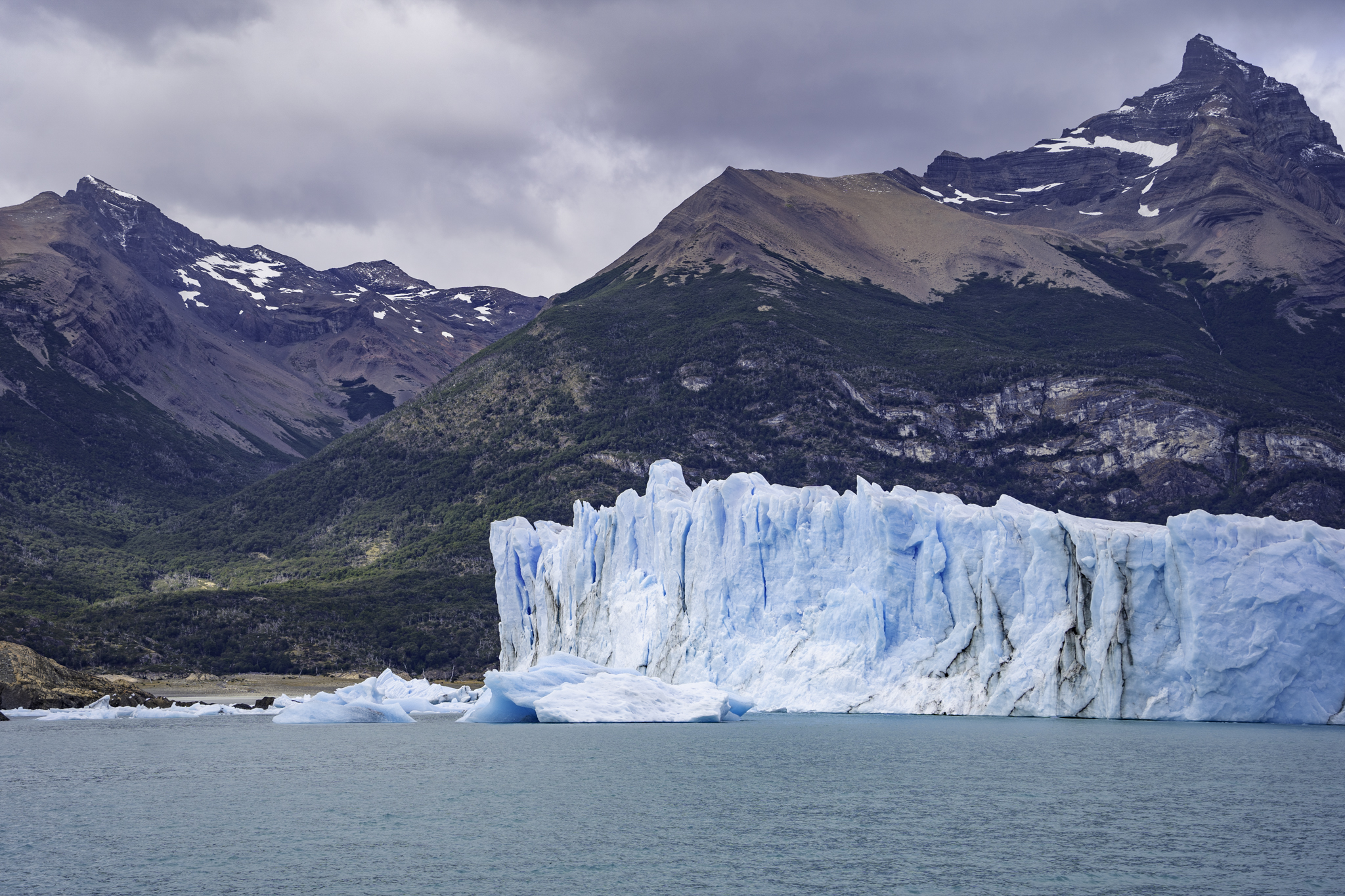
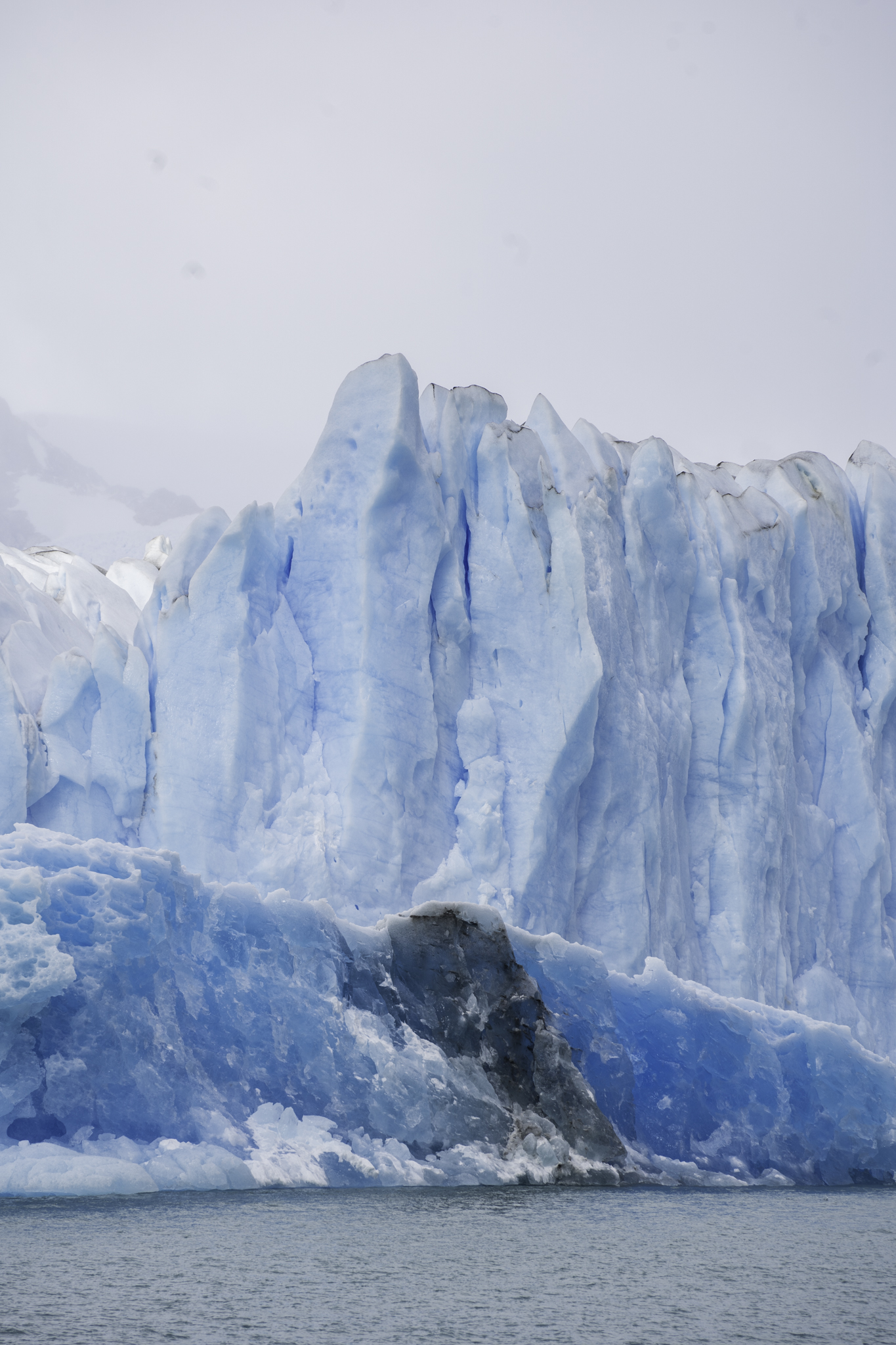
The town of El Calafate was quite a miss-able destination in our opinions, except for the main drawcard of the area, the Perito Moreno glacier, which is an hour or so drive outside of the town. Now this was another Top 5 bucket list destination for me that we got to see on this trip. We rented a car for the day (around $160AUD, compared to going by bus which would have cost $180AUD!) and drove out to the national park. Upon entering we went straight to the booth selling tickets for the boat ride out to the glacier and got lucky that the boat was leaving in just two minutes, so we ran to the dock and boarded. The boat ride was only about an hour, but we got very close to the glacier and seeing it from that angle was really special, making me feel tiny and insignificant. Rachel loves boats, so this was an absolute must-do activity, regardless of the cost (everything was expensive in Argentina, and this was no exception). After the boat ride we walked a few kilometres on the boardwalk system and marvelled at the glacier and the lake it’s situated on waiting for the ice-shelf to calve off, which we did see a few times but weren’t able to film/photograph. We both agreed that this national park is the best planned that we saw in Argentina, the boardwalks allow crowds to disperse effectively, the nature is protected from dumb people and there’s varying levels of difficulty to suit all abilities.
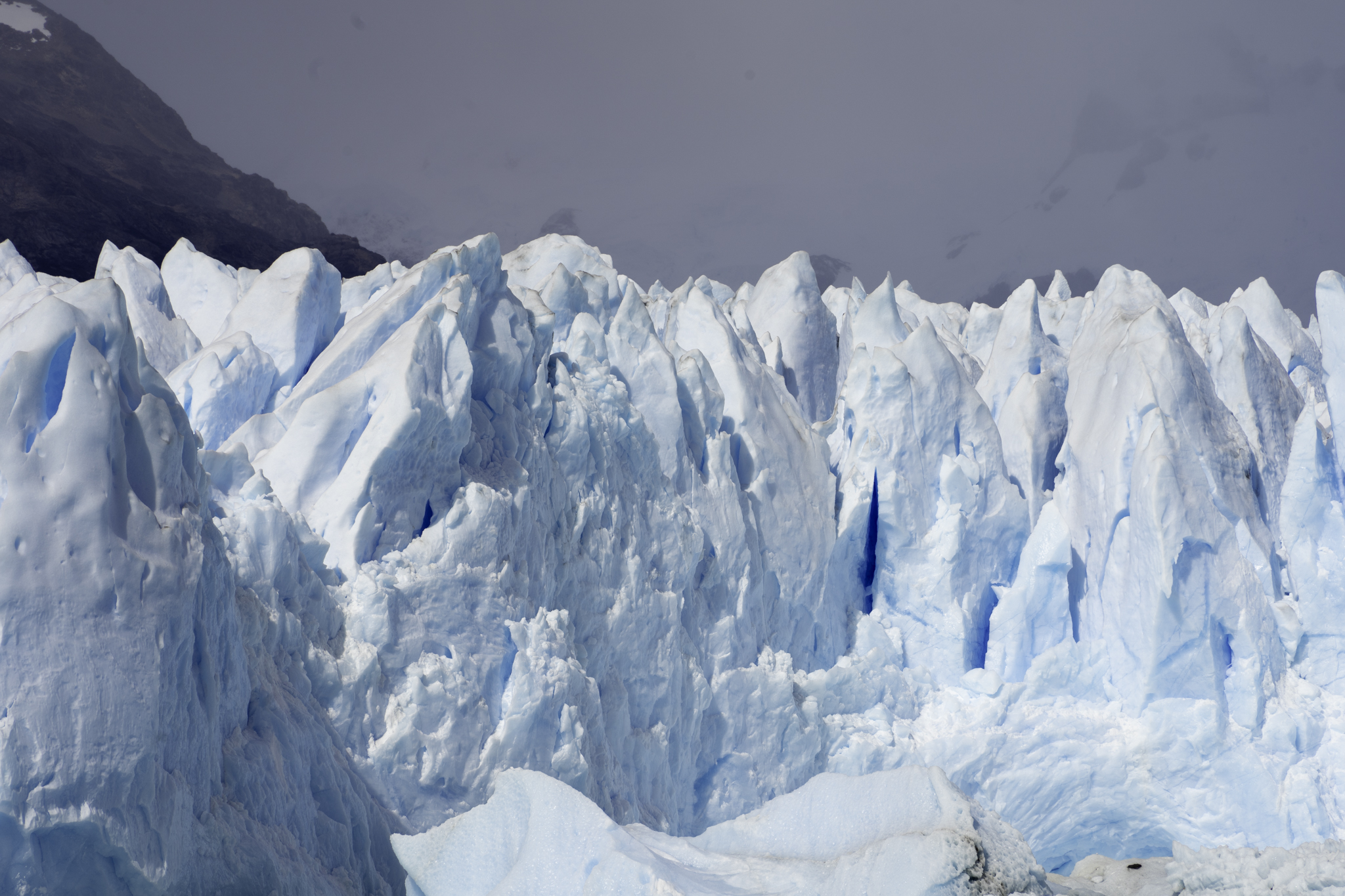
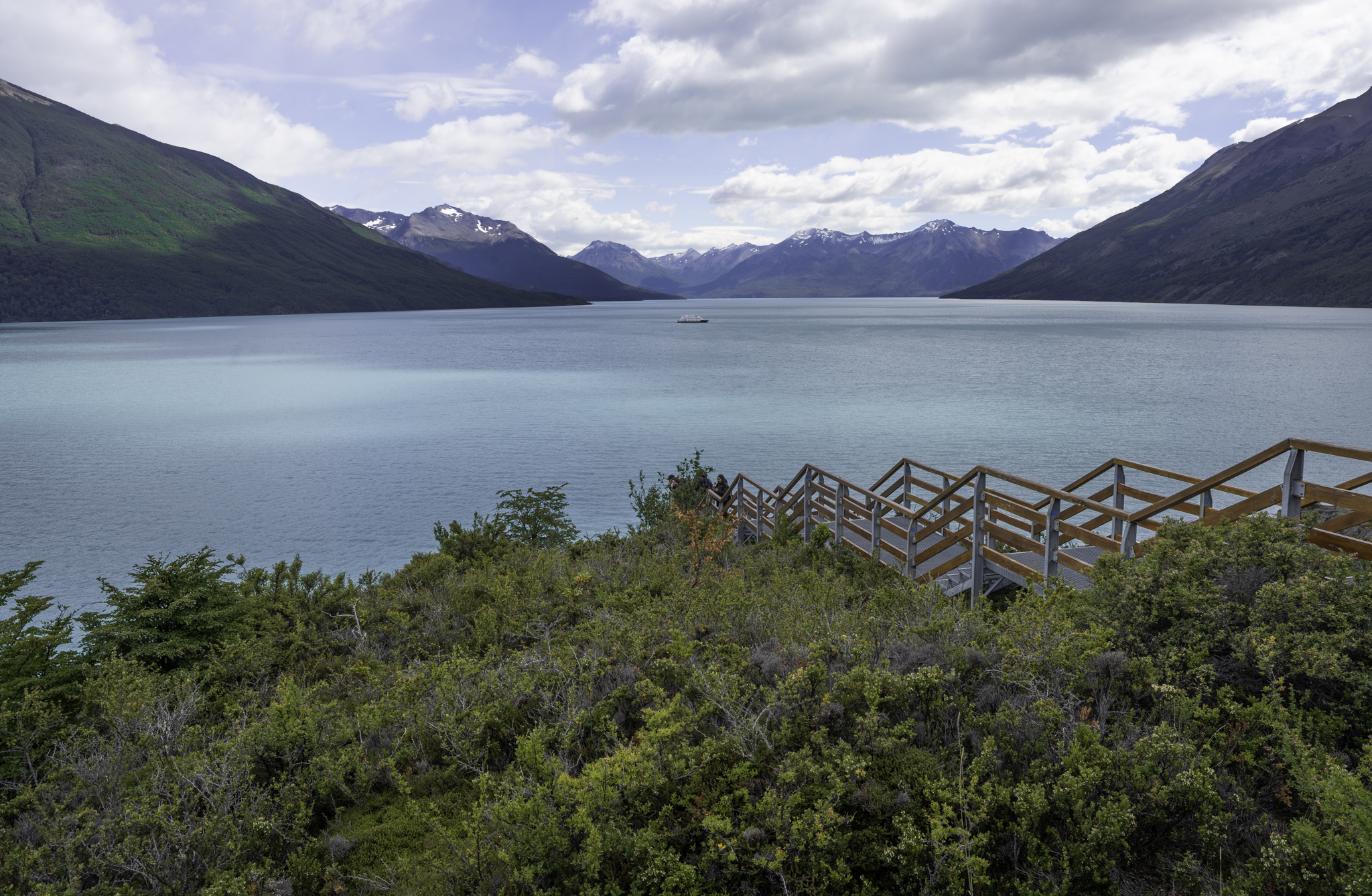
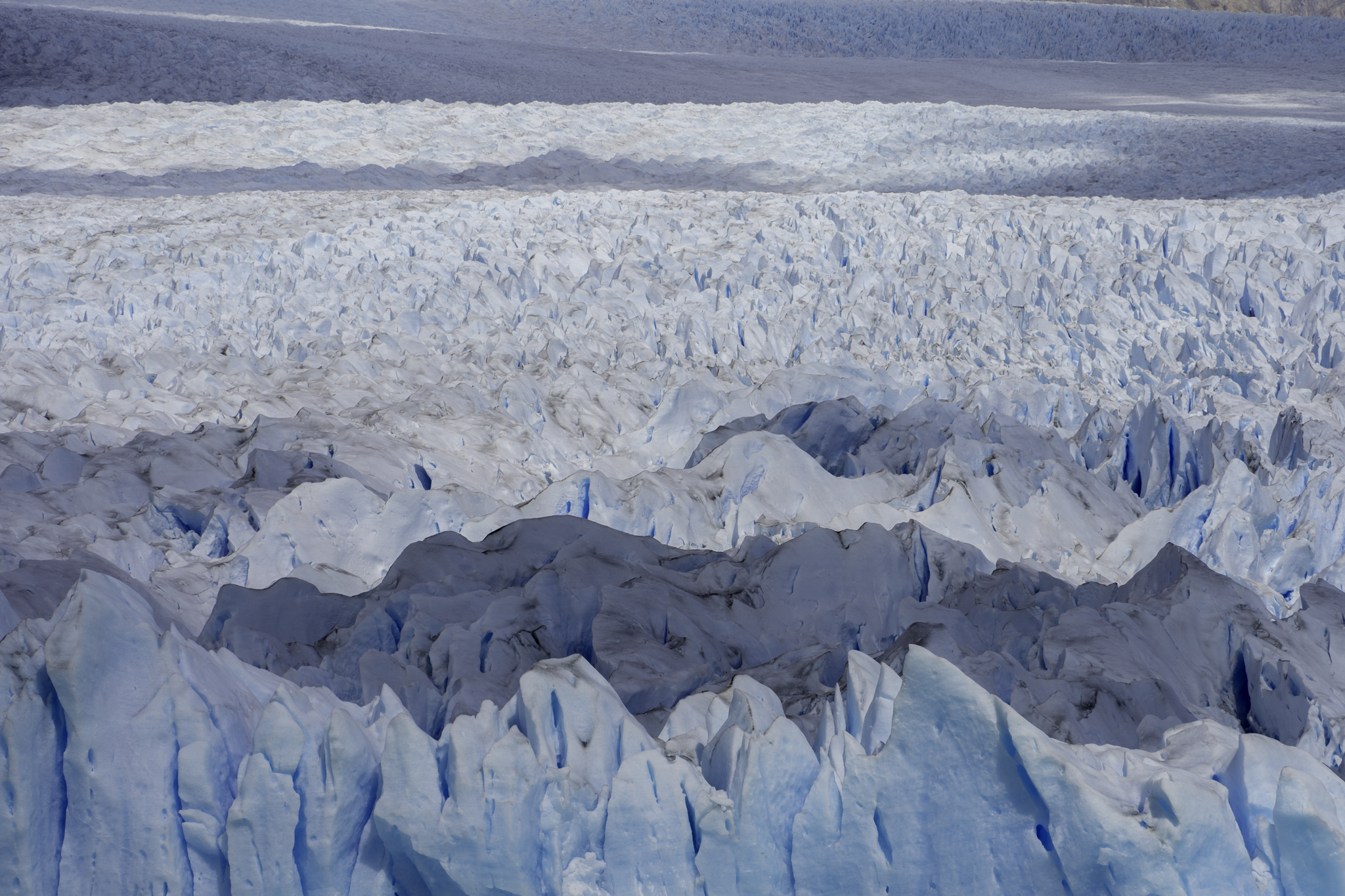
On our drive back from the national park we stopped to see all the wildlife opportunities that presented themselves: hundreds of falcons, grand vistas over other glacial lakes, and the most photogenic horses we’ve ever seen! We went through the touristy souvenir shops when we were back in El Calafate. Rachel has had a hard time finding a worthy souvenir from this country, she doesn’t go overboard but does like to get something iconic from each country and sometimes each region we go to, usually a piece of art and at least a magnet. We also got sick of cooking again, so spent a fortune on eating out. We’re very lucky to be able to travel for 7 months, but the Australian dollar took a big hit in the weeks before we left, so everything is at least 10% more expensive than we thought it was going to be, on top of the Argentine currency issue.
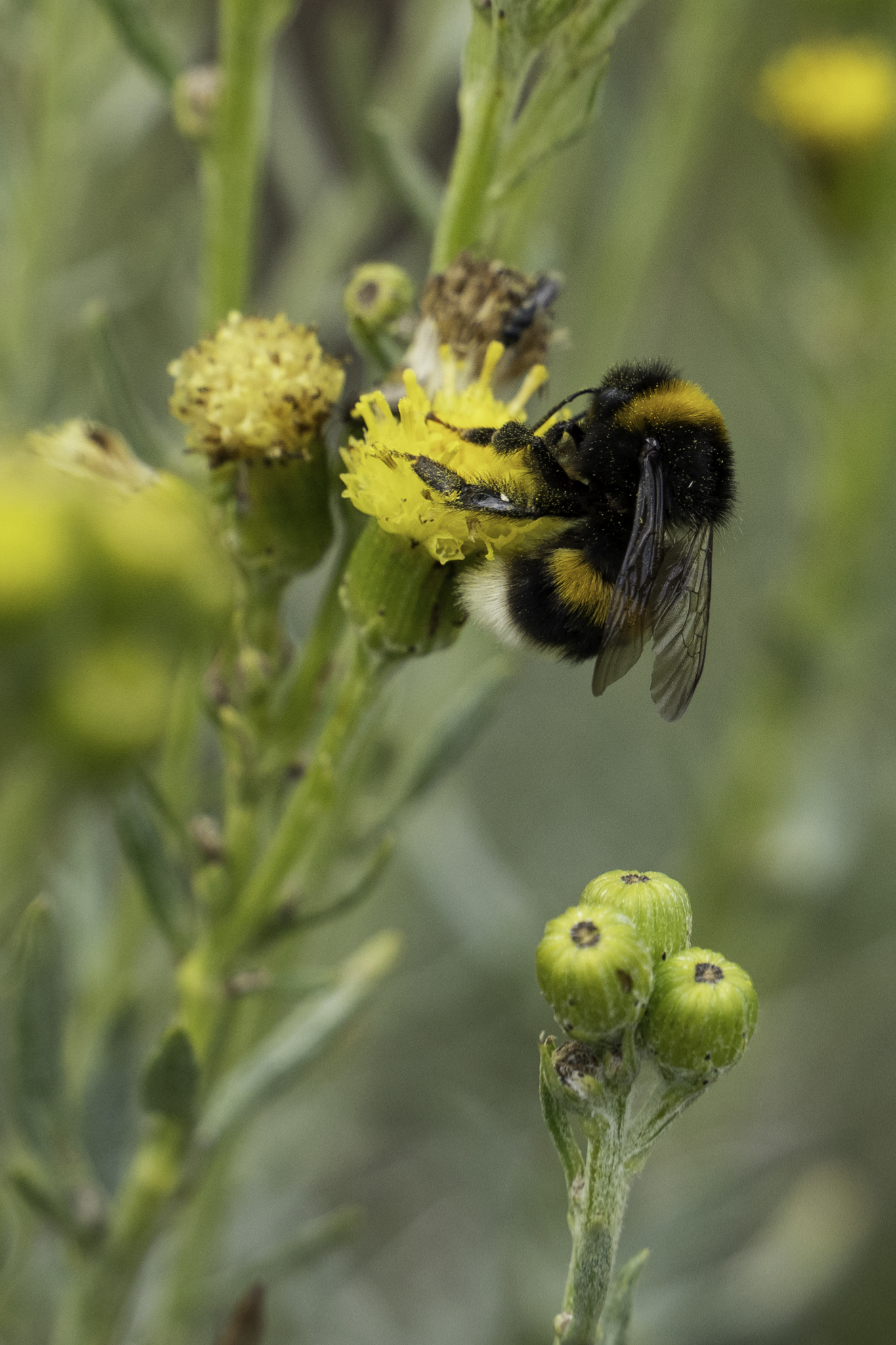
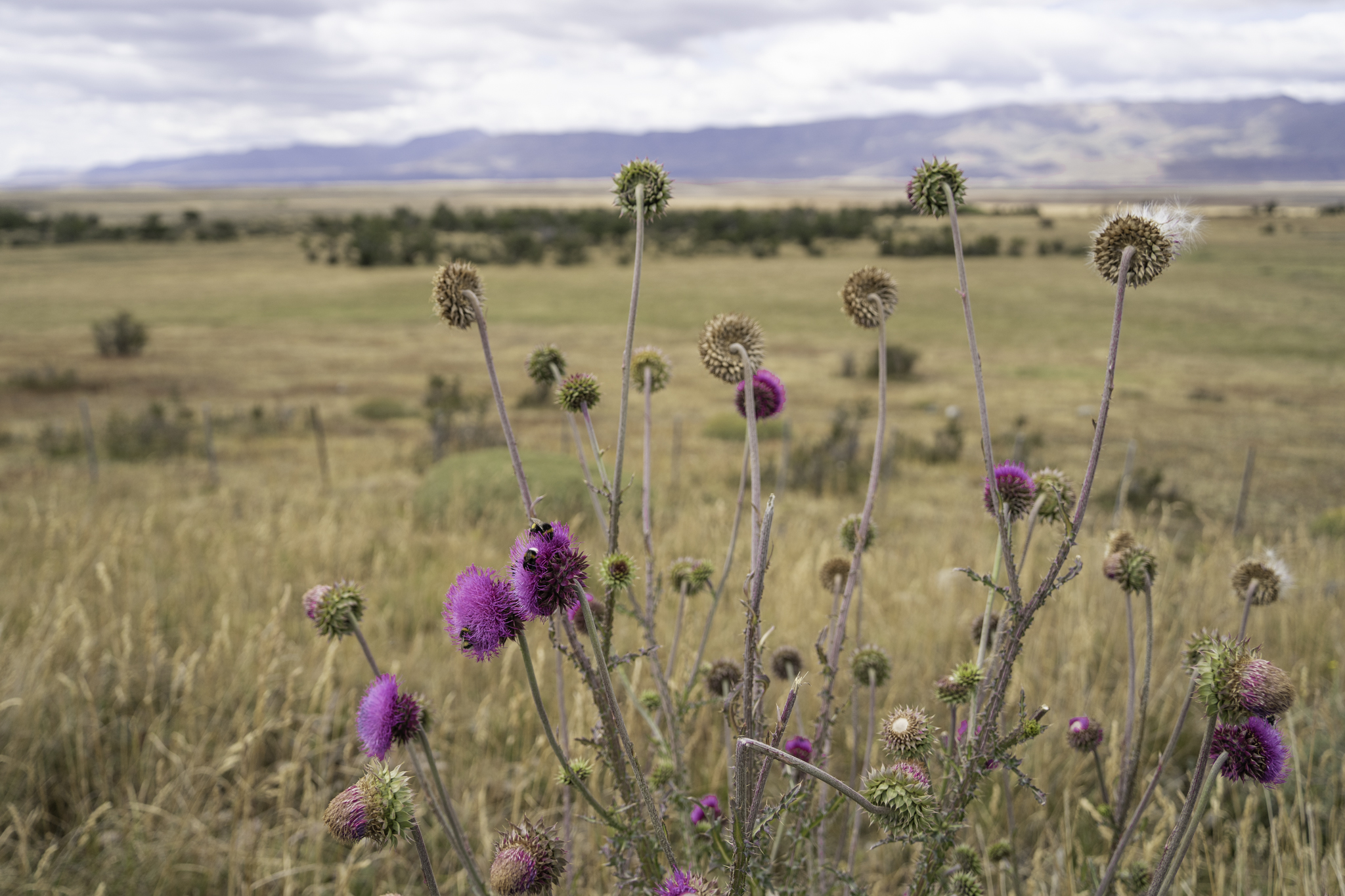
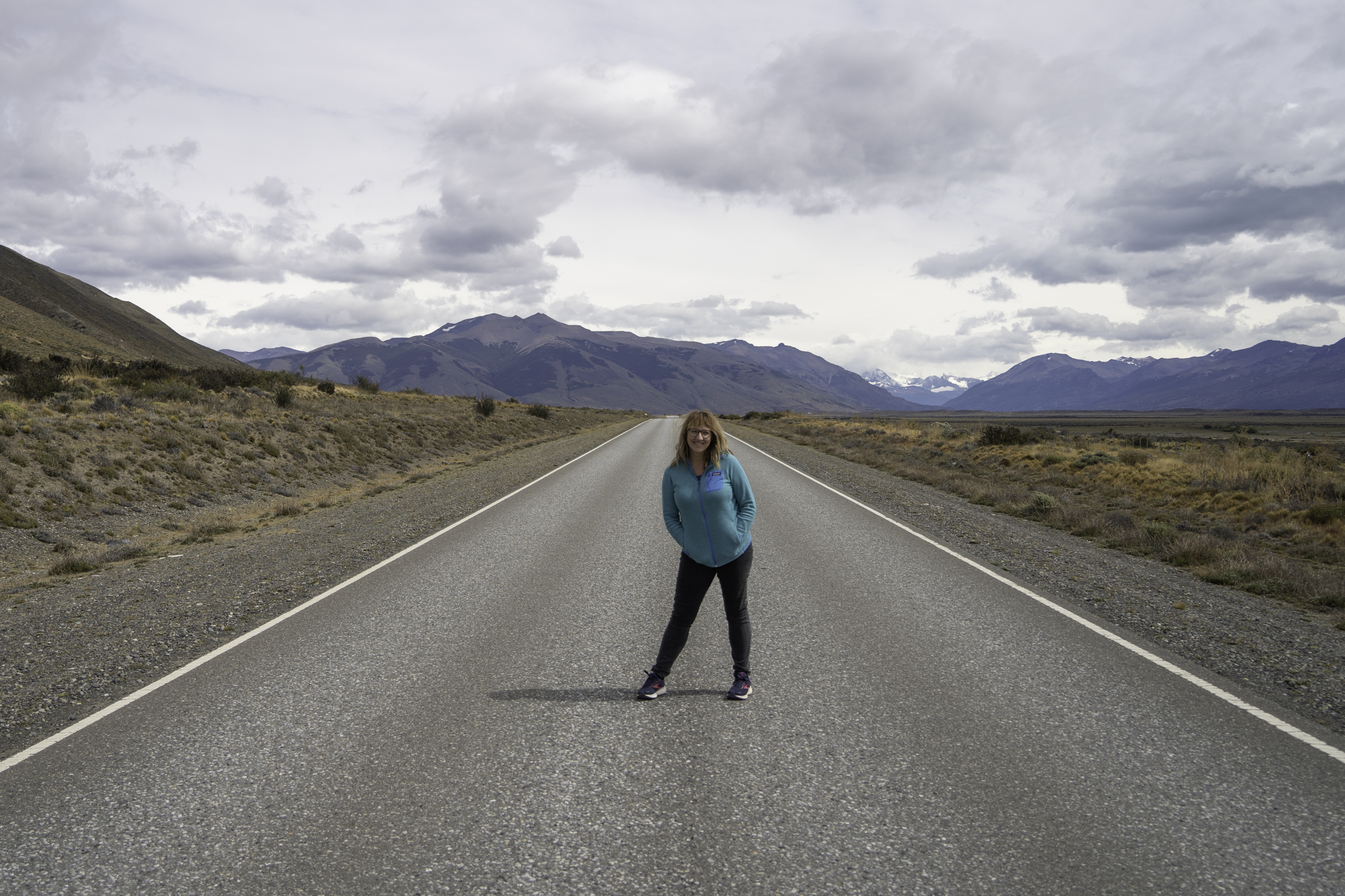
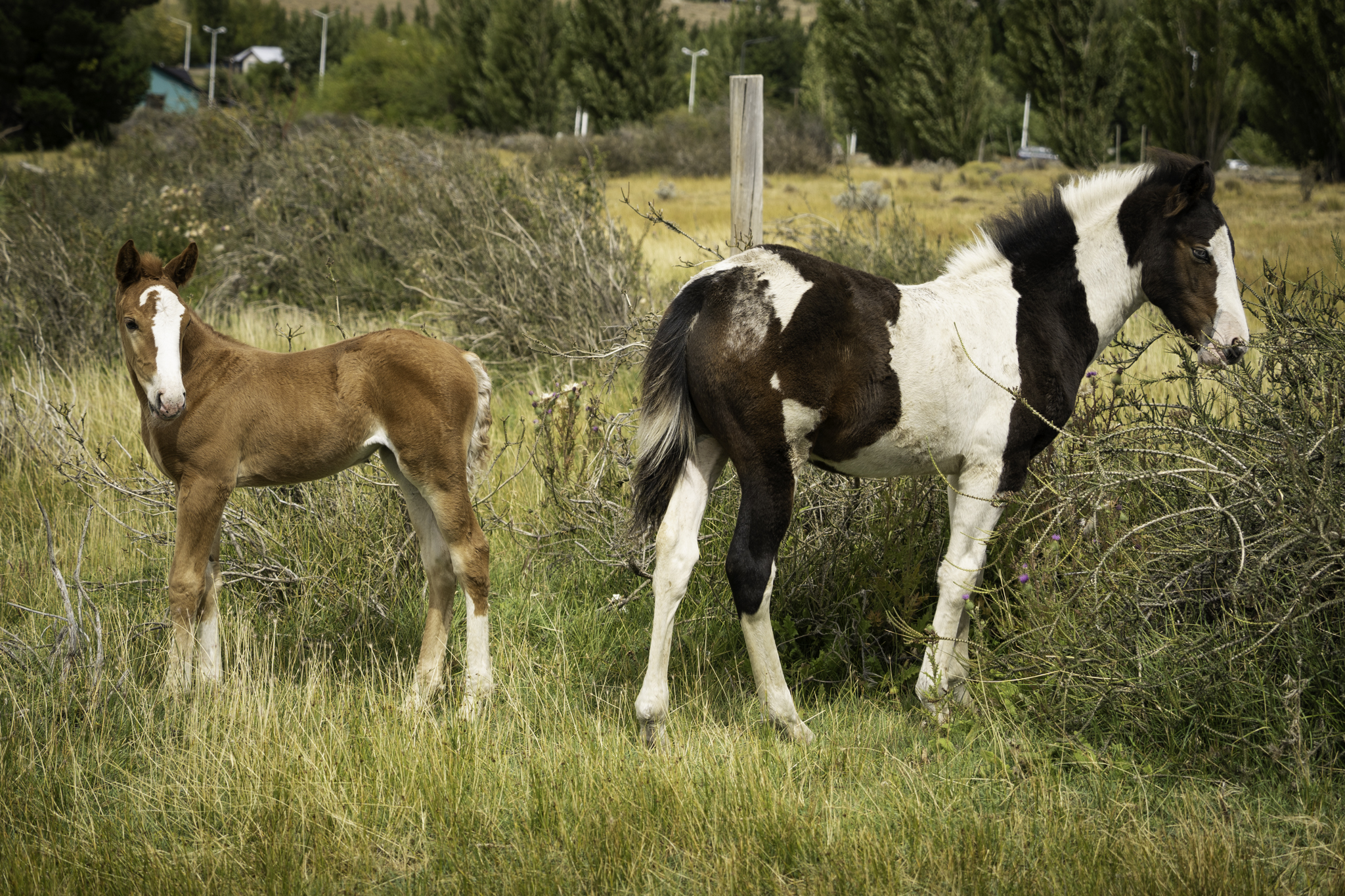
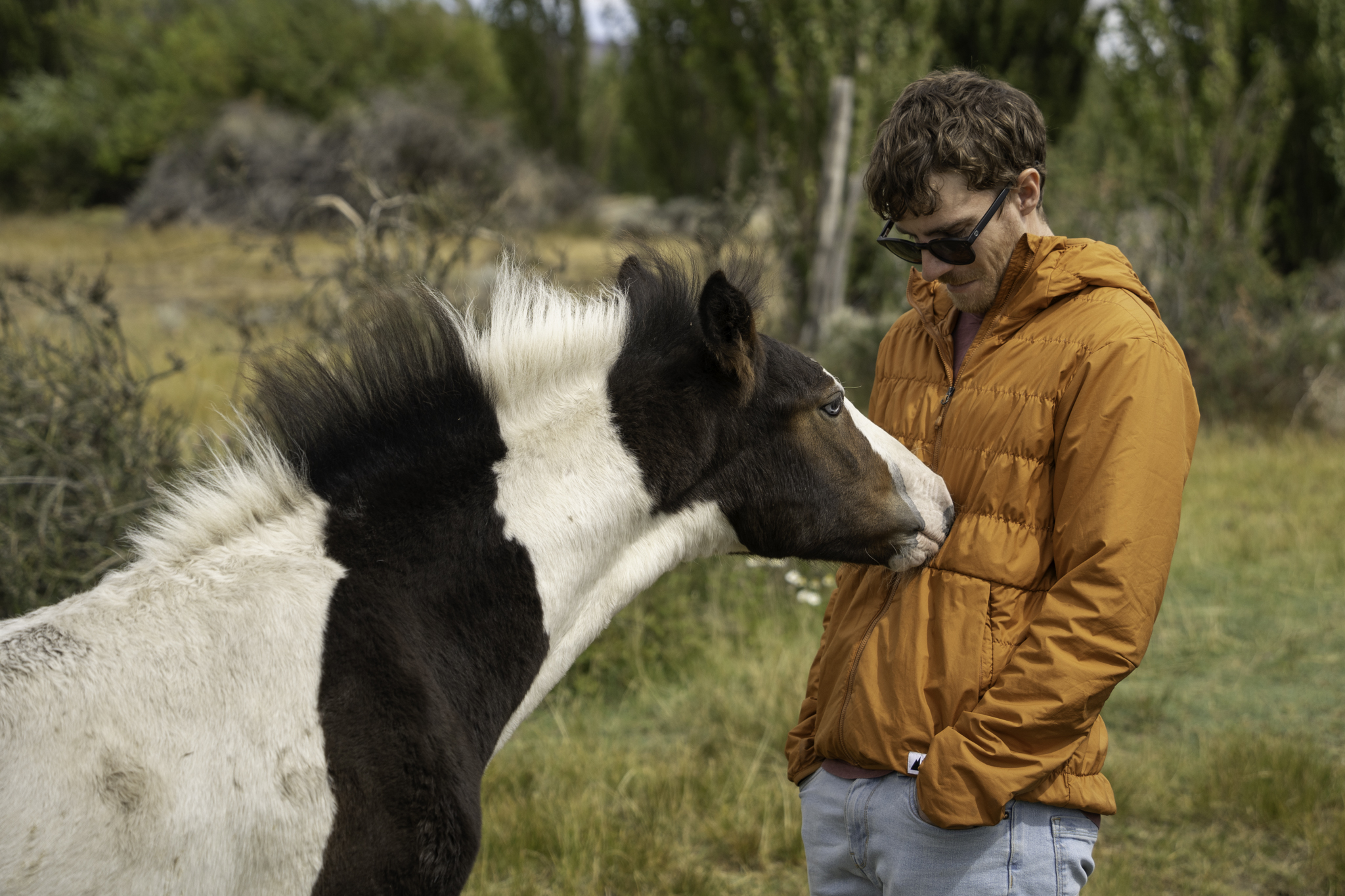
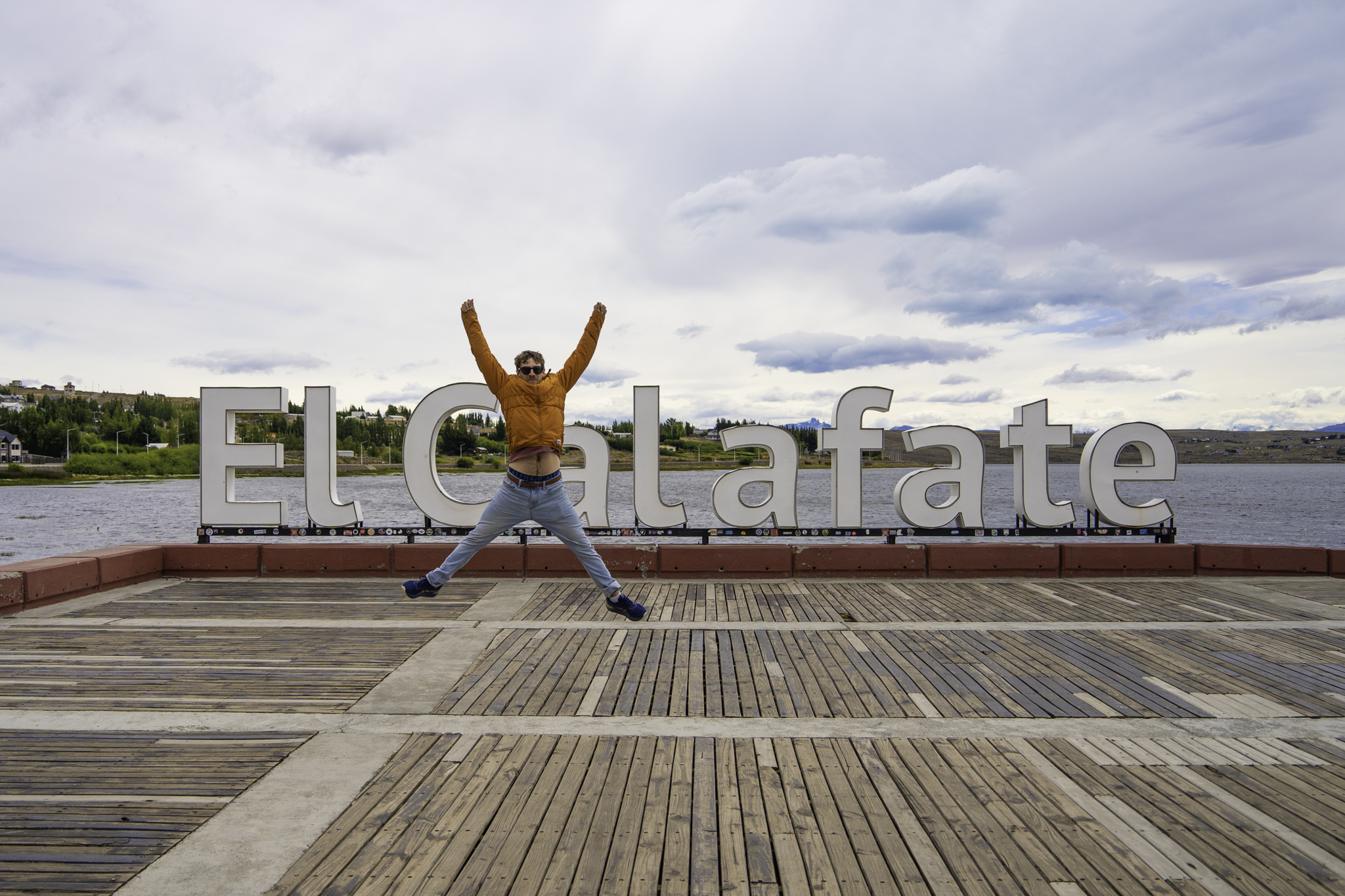
El Chaltén and El Calafate marked the end of our time in Argentina as after our time there we took a 6 hour bus into Puerto Natales, Chile, to prepare for the W Trek in Torres del Paine national park.
Overall impressions of Argentina:
| Callum | Rachel |
| Way more expensive than I anticipated which made food a real issue for us that we did not expect | Very beautiful landscapes that was hard to capture with a camera. I liked seeing the herds of vicuna and wild horses. |
| Absolutely stunning nature/national parks (which was the main reason I dreamed of coming) | Tourist shops could have had a greater variety and more unique items for sale (my issue with all touristy places) |
| At the top of my list of ‘come back to one day’ countries of South America | Even I was able to do the big days of hiking—I was initially worried it would be too hard for me. It was hard, but I did it! |
 Travel Bugs